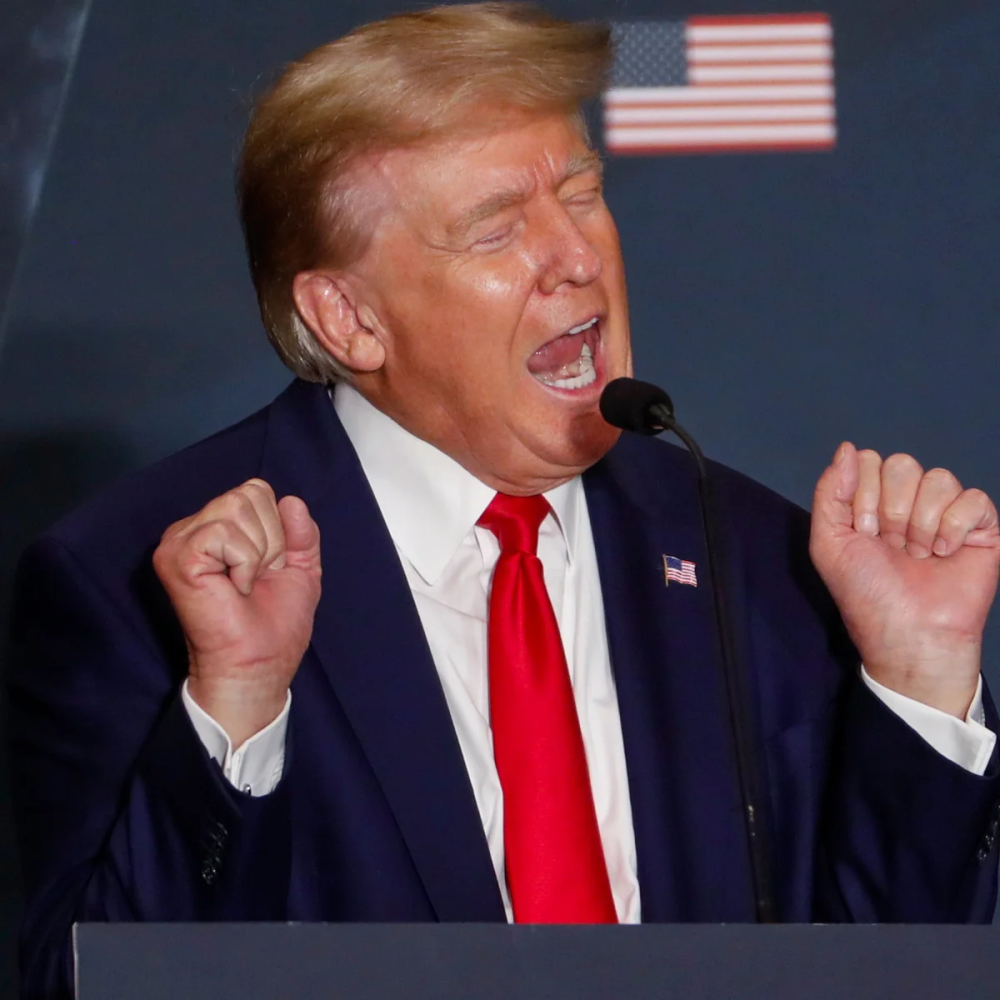
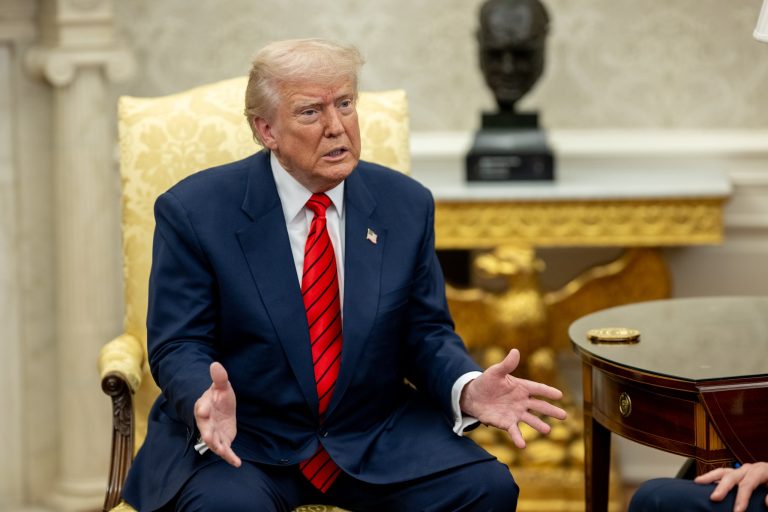
New York, N.Y. –– Let’s give a round of applause to Secretary of State Marco Rubio for his bold vision of diplomacy: loyalty oaths to Donald Trump. In a move that screams “diplomatic genius,” Rubio declared South Africa’s ambassador persona non grata because—brace yourselves—the ambassador dared to criticize Trump.
Apparently, in the new world order, expressing disdain for the former president is tantamount to treason against America itself.
Rubio’s latest masterpiece raises an intriguing question: what happens if we apply this standard globally? Spoiler alert—Washington would look like a ghost town. By my calculations, 120 countries would lose their diplomatic representation in the U.S., leaving only about 30 embassies standing. And what a distinguished group that would be! Russia would lead the charge, followed by paragons of democracy like North Korea, Belarus, and Eritrea. Truly, a coalition to inspire confidence.
The Survivors’ Club: Trump’s Inner Circle
Let’s take a moment to appreciate the countries that would remain in Washington under Rubio’s loyalty test. Among them are such luminaries as:
Russia: Because nothing says “Make America Great Again” like cozying up to Vladimir Putin.
North Korea: Kim Jong-un did write those “beautiful letters” after all.
Saudi Arabia: Where human rights violations are just another Tuesday.
Eritrea: A nation so free it has been dubbed the “North Korea of Africa.”
Yes, these are the nations Rubio envisions as America’s closest allies in his new diplomatic utopia. Forget NATO and the European Union; we’re building alliances with autocrats now.
The Departed: Allies Who Dared to Criticize
Meanwhile, traditional allies like Germany, France, and the U.K. would be shown the door for their unflattering assessments of Trump. Let’s not forget their unforgivable sins:
Germany: President Frank-Walter Steinmeier once called Trump “a danger” due to his unpredictability.
France: Former President François Hollande said Trump’s rhetoric “makes your stomach turn.”
United Kingdom: Even David Cameron couldn’t hold back, labeling Trump’s comments “divisive” and “unhelpful.”
These are countries that have stood by the U.S. through wars and crises—but alas, they failed the ultimate test of swearing fealty to Trump.
Collateral Damage: Global Institutions
Rubio’s policy wouldn’t just alienate individual nations; it would also sever ties with global institutions that have dared to cross Trump:
The World Health Organization (WHO): Remember when Trump pulled out during a global pandemic? That move surely won him no friends among countries prioritizing public health.
Paris Climate Agreement Signatories: On day one of his presidency, Trump withdrew from this pact because who needs clean air or water anyway?
By alienating these groups, Rubio ensures that America stands alone—not as a leader but as an outcast.
The Irony of “America First”
Rubio’s strategy is a perfect reflection of Trump’s “America First” doctrine—except it seems more like “America Alone.” Traditional allies are dismissed as nuisances while authoritarian regimes are embraced with open arms. This isn’t diplomacy; it’s a high school popularity contest where only sycophants get invited to sit at the cool kids’ table.
And let’s not overlook how this impacts America domestically. Shuttering embassies means fewer opportunities for cultural exchange, trade negotiations, and international cooperation on issues like terrorism and climate change. But hey, who needs all that when you’ve got Twitter posts declaring your enemies persona non grata?
A Warning from History
History is littered with examples of leaders who prioritized loyalty over competence or collaboration—and it never ends well. Rubio might want to brush up on his history books before he isolates America further on the global stage.
In conclusion, Rubio’s approach is less about diplomacy and more about enforcing ideological purity tests on behalf of Donald Trump. If this continues, Washington might as well replace its embassies with statues of Trump himself—gold-plated and larger than life, naturally.
Izaguirre Ranch: A Chilling Glimpse into Cartel Brutality
Mexico City — In a chilling revelation that has sent shockwaves through Mexico and beyond, a volunteer search group has uncovered what appears to be a cartel “extermination camp” at the Izaguirre Ranch in Jalisco. The discovery, made in early March 2025, has brought to light the horrifying extent of cartel violence in the region and raised urgent questions about the fate of thousands of missing persons in Mexico. Official figures indicate that more than 110,000 people are currently missing in the country.
This photo released by the Jalisco State Attorney General’s Office shows investigators inspecting the Izaguirre Ranch where skeletal remains were discovered in the municipality of Teuchitlan, Mexico, Tuesday, March 11, 2025. Photo credit: Jalisco State Attorney General’s Office.
The Warrior Searchers of Jalisco, a group dedicated to finding disappeared individuals, made the grim discovery after receiving an anonymous tip. Upon entering the ranch, located approximately 60 kilometers west of Guadalajara, they found a scene that defied their worst nightmares.
At the heart of the discovery were three underground cremation ovens, containing incinerated skeletal remains hidden beneath layers of earth and brick slabs. The searchers also uncovered a vast array of personal belongings, including over 200 pairs of shoes, hundreds of articles of clothing, backpacks, identification documents, and even children’s toys.
Indira Navarro, a representative of the Warrior Searchers, described the site as a “forced recruitment and extermination center.” She explained that while the existence of such facilities was an “open secret,” this was the first time they had encountered one firsthand.
The Jalisco Attorney General’s Office revealed that the ranch had initially been discovered in September 2024 during a Mexican National Guard operation.
At that time, authorities arrested ten individuals, rescued two kidnapping victims, and found one deceased person. However, they failed to detect the hidden remains and crematoriums, which were concealed using methods previously unknown to law enforcement.
The discovery has sparked outrage and demands for a thorough, independent investigation. A coalition of human rights organizations and families of the missing has raised concerns about potential collusion between local officials and criminal groups. They argue that it is “inconceivable” that such a large-scale operation could have functioned without some level of official knowledge or involvement.
Mexico’s Attorney General, Alejandro Gertz Manero, echoed these concerns, stating that it was “implausible” for local authorities to have been unaware of the site’s existence. The federal government has since taken charge of the investigation, with forensic teams working tirelessly to process the evidence and identify the remains.
The Izaguirre Ranch is believed to have served as a hub for the Jalisco New Generation Cartel (CJNG), one of Mexico’s most powerful and violent criminal organizations. Activists suggest that the site was used not only for disposing of victims’ remains but also for the forced recruitment and training of cartel operatives.
This gruesome discovery is just the latest in a series of similar findings across Mexico in recent years.
In 2011, authorities uncovered mass graves containing 193 bodies in Tamaulipas. In 2017, investigators determined that a jail in Piedras Negras had been used by the Zetas cartel as a base for disposing of victims. More recently, in Tamaulipas, authorities have identified at least 15 “extermination sites,” with one location yielding over 1,100 pounds of human bones.
The scale of these discoveries underscores the ongoing crisis of disappearances in Mexico. Official figures indicate that more than 110,000 people are currently missing in the country, with many families left in a state of perpetual uncertainty and grief.
Rosario Magaña, whose son Carlos disappeared in 2017 at the age of 19, expressed the frustration felt by many families of the missing. “I still feel hopeless, as it has been eight years and I remain in the same predicament,” she said, highlighting the slow pace of investigations and the lack of progress in many cases.
As forensic teams continue their work at the Izaguirre Ranch, questions linger about the true extent of the atrocities committed there and the identities of the victims. The discovery has reignited calls for more robust action against cartel violence and increased support for the families of the disappeared.
The uncovering of this “extermination camp” serves as a grim reminder of the human cost of Mexico’s ongoing drug war and the urgent need for effective strategies to combat organized crime and protect vulnerable populations.
As the investigation unfolds, many hope that it will not only bring closure to grieving families but also lead to meaningful changes in how Mexico addresses the intertwined issues of drug trafficking, corruption, and human rights abuses.
Palestinian refugees to settle in Sudan and Somalia?
Washington, D.C. — In a startling development that has sent shockwaves through diplomatic circles, the United States and Israel have reportedly reached out to officials of three East African nations to explore the possibility of resettling Palestinians displaced from the Gaza Strip. This revelation, based on information from American and Israeli officials speaking to The Associated Press (AP), marks a significant escalation in the implementation of President Donald Trump‘s controversial postwar plan for the region.
The countries approached for this unprecedented proposal include Sudan, Somalia, and the self-declared region of Somaliland. This move underscores the determination of both the U.S. and Israel to advance a plan that has been met with widespread condemnation and has raised serious legal and moral questions.
At the heart of Trump’s proposal is the permanent relocation of Gaza’s more than two million residents.
The plan envisions the United States taking ownership of the Gaza territory, overseeing an extensive cleanup process, and ultimately developing it as a real estate project. This idea, once considered a fringe concept among Israel’s ultranationalist circles, has gained traction since Trump presented it at a White House meeting last month.
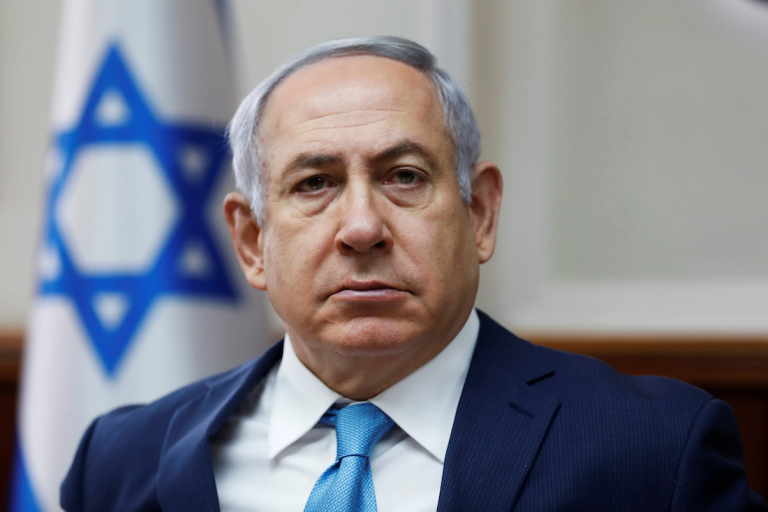
Israeli Prime Minister Benjamin Netanyahu has embraced the plan, hailing it as a “bold vision.”
However, the proposal has been met with strong opposition from Palestinians and human rights advocates, who view it as a form of forced displacement disguised as voluntary migration.
The selection of Sudan, Somalia, and Somaliland as potential destinations for Palestinian resettlement has raised eyebrows and concerns. All three regions face significant challenges, including poverty and, in some cases, ongoing violence. This reality casts doubt on Trump’s stated goal of resettling Gaza’s Palestinians in a “beautiful area.”
Soldiers in Somalia where violence continues.
Responses from the African nations involved have been mixed.
Officials from Sudan have reportedly rejected overtures from the U.S., while representatives from Somalia and Somaliland have stated that they were unaware of any such contacts. The lack of transparency surrounding these discussions has fueled speculation and criticism from various quarters.
The international community has largely condemned the proposal.
Arab nations, in particular, have slammed the idea, instead proposing a $53 billion reconstruction initiative aimed at keeping Palestinians in place. Human rights groups have warned that coercing or pressuring an entire population to leave could potentially constitute a war crime.
Despite the backlash, the White House has maintained that President Trump “stands by his vision.” U.S. and Israeli officials, speaking on condition of anonymity, have confirmed that backdoor discussions with the African nations are ongoing, although the extent of progress in these talks remains unclear.
The proposal comes against the backdrop of a protracted conflict in Gaza.
The recent escalation began in October 2023 when the Palestinian militant group Hamas conducted a cross-border attack on southern Israel, which subsequently prompted an Israeli military response in the Gaza Strip. The ensuing conflict has claimed tens of thousands of lives over the past 17 months.
Critics argue that the resettlement plan ignores the root causes of the conflict and violates international law.
The Fourth Geneva Convention prohibits the forcible transfer of civilians from occupied territories. Moreover, the plan has amplified longstanding fears among Palestinians regarding the possibility of being forcibly removed from their ancestral homes.
The proposal has also raised concerns about the potential impact on the receiving African nations. Questions about integration, resource allocation, and the long-term consequences of such a massive population transfer remain unanswered.
As news of this plan spreads, it is likely to face increasing scrutiny from the international community. The United Nations, European Union, and other global bodies have yet to officially respond to these reports, but their reactions could significantly influence the plan’s viability.
The coming weeks and months will be crucial in determining the fate of this controversial proposal.
As discussions continue behind closed doors, the world watches closely, aware that the outcome could reshape not only the Middle East but also parts of East Africa, with far-reaching geopolitical implications.
For now, the future of Gaza’s Palestinians hangs in the balance, caught between the devastation of ongoing conflict and the uncertainty of potential forced relocation. As this story develops, it will undoubtedly remain at the forefront of international attention, challenging long-held notions of sovereignty, human rights, and the quest for peace in one of the world’s most volatile regions.
The Jairan, an Iranian cargo ship operated by the Islamic Republic of Iran Shipping Lines (IRISL), departed from Zhuhai Gaolan, China, on March 10, 2025. It is suspected of carrying sodium perchlorate, a chemical used to produce ammonium perchlorate, which is essential for solid propellant in missiles. This shipment is part of a reported effort by Iran to enhance its missile capabilities, following the arrival of the first ship, Golbon, in Bandar Abbas, Iran, on February 13, 2025.
Washington, D.C. — This development has sparked concerns among Western countries, particularly the U.S., about Iran’s potential violation of international sanctions. Both ships are under U.S. sanctions, and the cargo could significantly boost Iran’s missile production. The U.S. State Department is aware of the reports but has not commented on intelligence matters, while China asserts compliance with export controls.
The cargo, sodium perchlorate, is estimated at over 1,000 tons for both ships combined, sufficient to produce approximately 260 mid-range Iranian missiles, such as the Kheibar Shekan or Haj Qasem, according to European intelligence sources cited by CNN. This quantity underscores the potential scale of Iran’s missile production capacity, raising concerns about regional security and proliferation.
Geopolitical Implications
This shipment has significant implications for international relations, particularly U.S.-Iran and U.S.-China dynamics. The U.S. has imposed sanctions to curb Iran’s weapons programs, and any entities involved in these transactions could face further sanctions. The involvement of Chinese ports and companies raises questions about enforcement of export controls and potential violations, which could strain relations with Western countries.
Regional security is also at stake, with Iran’s enhanced missile capabilities potentially escalating tensions in the Middle East, especially given recent conflicts and attacks on Iranian facilities. The international community, including members of the Missile Technology Export Control Regime, is likely to monitor these developments closely, possibly leading to diplomatic efforts or increased naval patrols to interdict such shipments.
The departure of the Jairan on March 10, 2025, marks a continuation of Iran’s efforts to import critical missile components, raising concerns about proliferation and sanctions enforcement. As the ship progresses toward Iran, the international community remains vigilant, with potential responses ranging from diplomatic protests to increased monitoring.
This situation underscores the ongoing challenges in curbing Iran’s missile program and the complex interplay of international sanctions and trade.
Washington, D.C. — The John F. Kennedy Center for the Performing Arts, a national cultural landmark, has been at the center of controversy since early 2025. President Donald Trump, who has never attended a show there, appointed himself chairman and made sweeping changes to the board.
This included firing the previous chairman, David Rubenstein, and president, Deborah Rutter, and replacing them with allies like Richard Grenell as interim president. These changes have led to the cancellation or postponement of over 20 performances, including a planned staging of “Hamilton,” whose producers stated they “cannot presently support” the institution under the new leadership.
This “takeover” has been criticized as an attempt to align the center with the administration’s cultural vision, with Trump promising a “Vision for a Golden Age in Arts and Culture.”
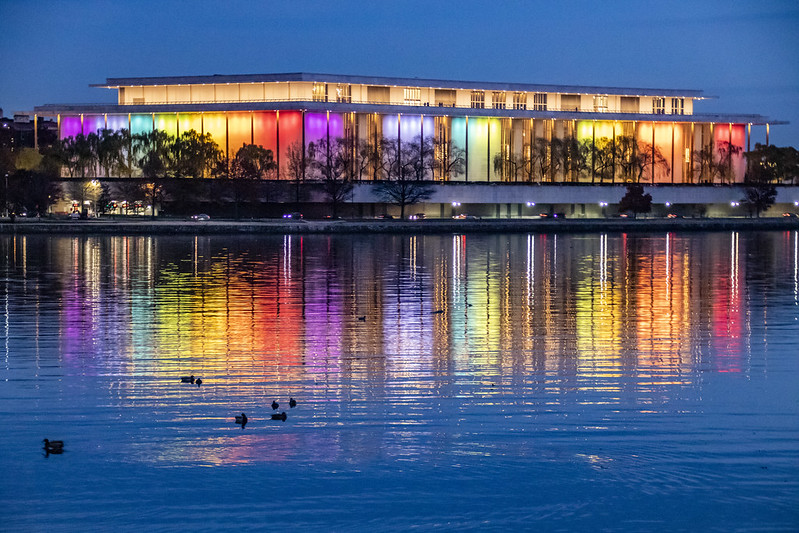
Kennedy Center & ducks at dusk, Georgetown, D.C. Photo credit: Flikr.
The public and artistic community have expressed dismay.
Hollywood figures like Issa Rae and Shonda Rhimes cutting ties with the institution. Staff and audience members have voiced concerns about the politicization of a traditionally non-partisan cultural space, with some describing it as “ruined” by these changes.
On the evening of March 13, 2025, the Kennedy Center hosted a concert by the National Symphony Orchestra, featuring performances of Stravinsky’s “Petrushka” and Shostakovich’s Violin Concerto No. 2, with Greek violinist Leonidas Kavakos. The event was scheduled to start at a set time but was delayed by 25 minutes due to security checks for Vice President J.D. Vance‘s attendance.
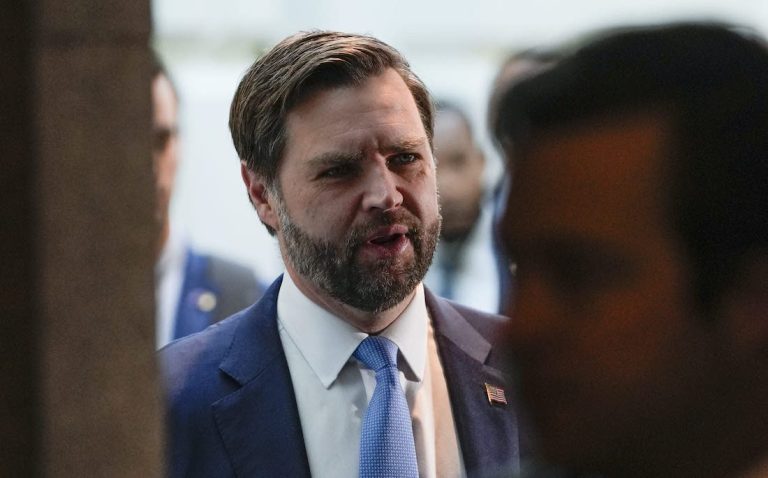
Vance, accompanied by his wife, Usha, who was recently appointed to the Kennedy Center board, entered the balcony box tier as pre-concert announcements were underway.
Upon their entrance, the audience, numbering nearly a sold-out house, erupted in boos and jeers, with some shouting “You ruined this place!” and others yelling expletives. The reaction was captured in a video shared by The Guardian‘s global affairs correspondent, Andrew Roth, on X, which has since garnered over a million views.
The booing lasted for nearly a minute, drowning out the announcements and creating a highly unusual atmosphere for a classical music concert, known for its polite and restrained demeanor.
Despite the hostile reception, Vance smiled and waved at the audience, taking a sip of his drink and appearing composed. His wife, Usha, was seen accompanying him, and the vice president briefly spoke to her during the disruption. The National Symphony Orchestra, already seated onstage, waited through the commotion before proceeding with the performance, which went uninterrupted thereafter.
Reactions and Statements
Richard Grenell, the interim president appointed by Trump, responded to the incident in an email to Kennedy Center staff, reviewed by The Washington Post. He expressed disappointment, stating, “I received several messages from Kennedy Center staffers sharing their embarrassment over more than a few Symphony patrons loudly booing the Vice President and his wife last night.” Grenell attributed the reaction to the “intolerant Left,” suggesting it reflected broader political divisions.
Audience members had mixed reactions.
Some continued to express disapproval, with one telling The Washington Post, “It’s disheartening to see our national cultural institution being used as a pawn in political games.” Others, however, were seen waving back at Vance, and a few whistles were heard amidst the boos, indicating not everyone shared the negative sentiment.
Implications and Broader Context
This incident underscores the growing intersection of politics and culture in the United StatesUnited States of America, particularly under the Trump administration’s efforts to reshape cultural institutions. The booing of Vance, a prominent figure in the administration, reflects public discontent with these changes, especially given the Kennedy Center’s role as a national symbol of arts and culture. The event has sparked widespread discussion on social media, with hashtags like #KennedyCenter and #JDVance trending, amplifying the controversy.
The delay caused by Vance’s security checks, requiring audience members to undergo full Secret Service screening, also contributed to frustration, as noted in reports from The Independent. This added to the perception of the administration’s heavy-handed approach, further fueling the audience’s reaction.
To provide perspective, symphony orchestra audiences are typically known for their decorum, making this incident particularly notable. NPR highlighted that such rowdiness is rare, suggesting the booing was a spontaneous expression of political protest rather than typical concert behavior. This aligns with reports of similar incidents at other cultural events, where political figures have faced public disapproval, reflecting broader societal tensions.
The booing of Vice President J.D. Vance at the Kennedy Center concert on March 13, 2025, highlights the ongoing tension between the Trump administration’s cultural policies and public sentiment. While the concert proceeded without further disruption, the incident has amplified debates about the role of politics in cultural institutions, with implications for future events at the Kennedy Center and beyond.
Dhaka — The recent incident in Bangladesh, where an eight-year-old girl died following a rape, has triggered significant public and legal responses, with Chief Adviser Professor Muhammad Yunus playing a key role in official reactions. This report provides a comprehensive overview, expanding on the key points and integrating additional context for a thorough understanding, set on March 15, 2025.
An eight-year-old girl was allegedly raped recently while visiting her elder sister’s house in Magura, Bangladesh. Her mother filed a case, leading to the arrest of her sister’s 18-year-old husband, his parents, and his brother, who are now on remand. The girl was admitted to Dhaka’s Combined Military Hospital (CMH) in critical condition and died shortly after after three cardiac arrests, despite medical efforts to stabilize her.
The Daily Star noted that Mohammed Yunus, Chief Adviser, “expressed deep sorrow over the incident and has instructed the authorities concerned to bring the perpetrators to justice without delay.”
Similarly, The Business Standard reported that he “expressed deep shock at her death and called for a swift trial of the accused.” Jagonews24 added that Yunus “ordered bringing the accused to book through speedy trial,” as stated by his Deputy Press Secretary Apurba Jahangir.
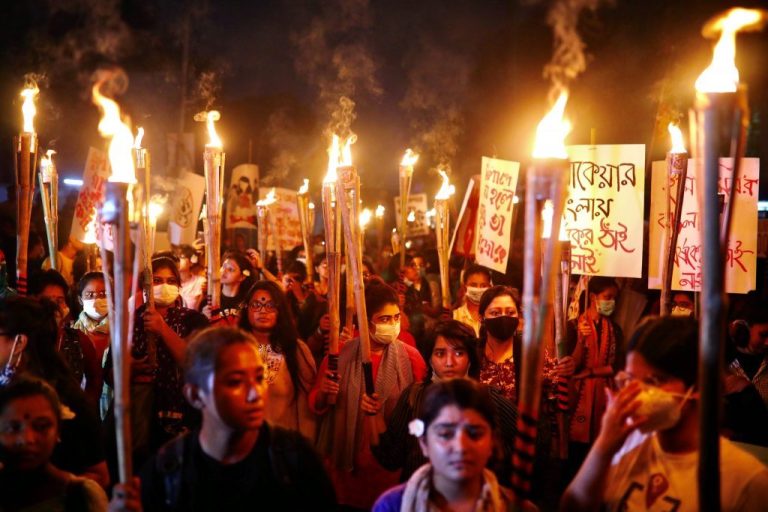
Public demands for justice, as protests erupted nationwide following the girl’s death
Yunus’s statements align with public demands for justice, as protests erupted nationwide following the girl’s death, with calls for the death penalty and legal reforms. His instruction for a speedy trial reflects the government’s response to public outrage, especially given the High Court’s order to complete the investigation in 30 days and the trial in 180 days, as reported by bdnews24.com.
This legal directive, combined with Yunus’s call for action, underscores the urgency of the situation.
Bangladesh’s 2020 law mandates capital punishment for child rape, but enforcement remains a challenge, with calls for faster trials and better implementation, as seen in recent protests. Data from the Law and Arbitration Center reveals 3,438 child rape cases over the past eight years, with 539 victims under six and 933 aged seven to twelve, underscoring the scale of the issue, as per The Times of India.
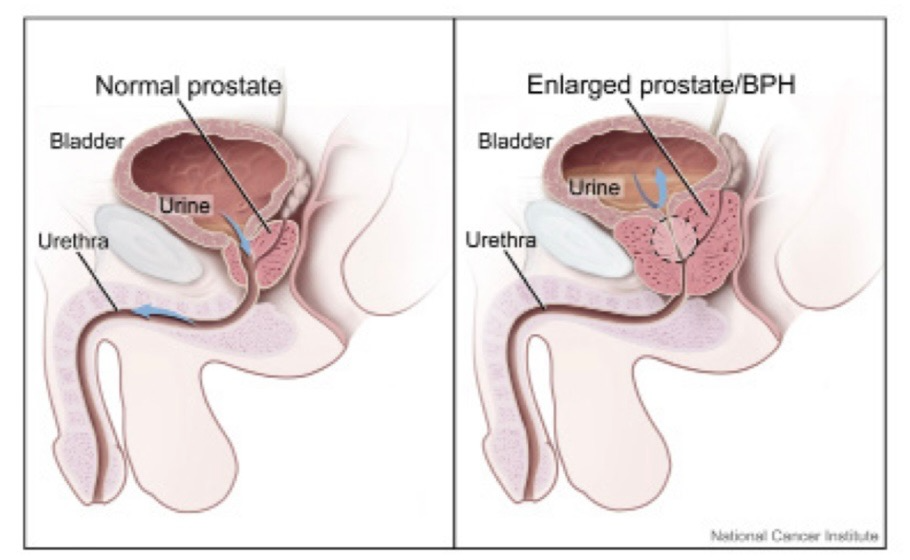
Robotic assisted laparoscopic prostatectomy is a minimally invasive surgery to remove the prostate
New York, N.Y. — Robotic Prostate Surgery has two types—the radical version is for prostate cancer, and the simple version is for benign prostatic hypertrophy, a condition in which the prostate gland is enlarged but not cancerous.
Mount Sinai doctors performed the first robotic radical prostatectomy in New York. This operation uses a state-of-the-art robotics surgical system to remove the prostate through a few small incisions instead of one large incision, as was traditionally done in the open surgical approach.
At Mount Sinai, where they use their Precision Urology approach, they focus on integration of multiple variables and imaging data in a decision support system. This is key in assuring men with prostate cancer of our commitment to a patient-centric, personalized diagnostic approach and excellent outcome while minimizing the side effects of treatment.
Precision Urology reflects Mount Sinai’s utilization of advanced technologies and incorporation of molecular and genomic analysis to identify markers of aggressive disease. This allows them to rigorously stage disease to determine if intervention is needed and if so, tailor the treatment accordingly.
Robotic Prostate Surgery Technique: ART
The robotic prostate surgery approach used by Dr. Tewari is known as ARTT (Advanced Robotic Technique) prostatectomy.
This is a highly successful approach to curing prostate cancer while minimizing side effects in select patients. Dr. Tewari and his team have developed and refined ART over the past decade based on the thousands of surgeries they have performed, their discoveries in prostate anatomy, and other leading-edge research.
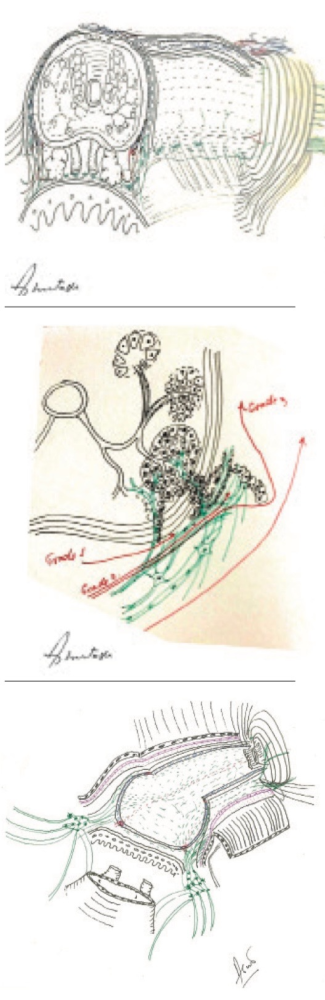
ART is highly individualized, reflecting a patient’s unique anatomy, cancer location and neural structure. Indeed, for Dr. Tewari, ART is truly an art. He routinely makes anatomical drawings of prostates on which he operates in order to map out a cancer’s spatial relationships to the fascia, muscles and nerves that surround the prostate.
By drawing the anatomy of individual cases, he continues to fine tune ART™ and improve cancer control while sparing nerves. He also uses the drawings as a teaching tool for students as well as his peers worldwide who are eager to learn his technique.
The crux of the ART technique is the delicate removal of the prostate from the top of the nerve hammock with maximal clearance for preserving sexual and urinary function. Not only are nerves not handled, but oxygenation of the nerves is monitored during this phase of the technique so these preserved nerves are greater in number and also healthy and vascular.
The ART approach consists of not just one technique but a group of techniques, including those for diagnosis. Mount Sinai uses a new state-of-the-art technique known as targeted biopsy, to precisely diagnose prostate cancer. This technique fuses highly detailed MRI (magnetic resonance imaging) with real-time ultrasound using the Artemis device.
The procedure typically takes 15 to 20 minutes and is done in Mount Sinai offices under local anesthesia. It provides highly accurate information about the location of cancer and its relation to nerves and sphincters. Mount Sinai is one of a few medical facilities in New York City with the Artemis device.
Outcomes
Cancer control – ART™ has proven to provide low margin rates (less residual cancer). As a consequence, there is less need for radiation and hormone therapy post surgery and men have less reason to feel anxious about future rises in their PSA.
Benefits
Robotic prostate surgery is extremely precise, which offers a variety of benefits over traditional (open) prostate surgery, including:
. • Smaller incisions • Shorter hospital stay • Less pain • Less risk of infection • Less blood loss and transfusions • Less scarring • Faster recovery • Superior cancer control • Superior nerve sparing
In addition, with robotic prostate surgery, a temporary catheter remains in place for considerably less time (five to seven days instead of two weeks), and there is less risk of urinary incontinence and impotence following the robotic prostate surgery procedure. This approach results in complete removal of cancer for nearly 95% of all patients whose cancer is confined to the prostate.
In published long-term follow-up studies performed by Mount Sinai Urology Chair Ashutosh (“Ash”) K. Tewari, MD, this also means that these patients have an extremely good chance (95%) of reaching the 10-year survival mark.
Robotic prostate cancer surgery is extremely safe in experienced hands, but some complications are possible in any abdominal procedure. Possible complications may include bleeding, infection, blood clotting, heart attack, hernias, permanent urinary incontinence, impotence, and strictures.
While intraoperative mortality is almost unheard off, it is possible with any anesthesia and surgery. Equipment malfunction is rare, happening in less than 0.4% of cases; Mount Sinai has three backup robots to address this remote possibility. Surgical Outcomes
Mt. Sinai reports that they usually evaluate the outcome of primary prostate cancer treatment by looking at cancer control, preservation of urinary continence, and preservation of sexual function. The Advanced Robotic Technique, developed by Dr. Tewari, is highly successful on all three measures, producing minimal disruption to your daily life.
. • Cancer control is the ability of the surgeon to remove all cancerous tissue from the body. Mt. Sinai measure this by looking at the surgical margins (the rim or border of the tissue removed in surgery). Once they complete the procedure, they send the prostate to the Pathology Department to test for margins and cancer grade (of any remaining malignancy). If the margins are “clean” or cancer-free, they assume that we have removed all of the malignant tissue and we have achieved cancer control. • Urinary incontinence is determined by whether the bladder and surrounding anatomy are unaffected by removal of the prostate. • Sexual potency is about sexual functioning, a chief concern of men undergoing prostate cancer treatment.
da Vinci Robot
The da Vinci surgical system is a sophisticated robotic platform designed to expand the surgeon’s capabilities and offer a state-of-the-art minimally invasive option for prostate surgery.
With da Vinci, small incisions are used to insert miniaturized instruments and a high-definition 3-D camera. Seated comfortably at the da Vinci console, Dr. Tewari views a magnified, high-resolution 3-D image of the surgical site inside the body.
At the same time, the latest robotic and computer technologies scale, filter, and seamlessly translate Dr. Tewari’s hand movements into precise micro-movements of the da Vinci instruments.
Although it is often called a “robot,” the da Vinci surgical system cannot move or operate on its own; Dr. Tewari is 100 percent in control.
Faster return to urinary continence
ART incorporates a novel surgical technique to minimize or prevent urinary leakage, even with exertion, and provide a strong urinary stream. It involves reconstruction of the supporting structures responsible for urinary continence that are typically either removed or disorganized during removal of the prostate.
Dr. Tewari developed a detrusor wrap procedure that creates an additional wrap that serves as a sphincter and sling to provide enhanced and accelerated return to continence. Most of our patients who are continent before the surgery are continent 18 months after surgery.
Hood technique
Dr. Tewari performs approximately 400 robot-assisted radical prostatectomies every year.
The procedure takes around 30-40 minutes, with an additional 30 minutes for real-time pathology. When removing the prostate, we want to leave as much of the prostate’s surrounding tissue intact as possible, as this will minimize the disruption of urinary mechanisms.
The surgical technique used at Mount Sinai allows for careful separation of the detrusor apron from the anterior prostate. The detrusor apron allows the bladder to store urine, and contracts during urination to release urine. It overlies the prostate and extends from the bladder neck to the pelvis. Because the detrusor apron covers this important area, we call this area, and the procedure we do to protect it, the “Hood.”
In addition, with the ART technique, patients and their families have been able to benefit from faster convalescence, shorter hospital stays, small incisions with less scarring, significantly less blood loss during surgery, and less pain following surgery. The majority of our patients are discharged and return home within 24 hours of their robotic surgery.
Outcomes and Implications
Less than 10% of men experience complications after prostatectomy, and these are usually treatable or short-term. The two most common post-surgery problems are urinary incontinence and erectile dysfunction. Less than 5% of men younger than age 50, and less than 15 percent of men age 70 or older, are incontinent after radical prostatectomy.
Most men are able to have sex after prostatectomy while using ED medicines (such as Viagra or Cialis), an external pump, or injectable medications. The younger the man, the higher the chance of maintaining potency after prostatectomy. A period of penile rehabilitation is often necessary.
Sparing the nerves that can cause urinary incontinence or erectile dysfunction is the hallmark of a skilled surgeon. A patient who has a radical prostatectomy by a surgeon at an advanced prostate cancer center has a better chance of maintaining sexual and urinary function.
Cancer control – ART has proven to provide low margin rates (less residual cancer). As a consequence, there is less need for radiation and hormone therapy post surgery and men have less reason to feel anxious about future rises in their PSA.
High rates of erectile function recovery – The aim of ART is to preserve every nerve fiber responsible for the fine balance between erection, orgasm, and bladder function.
The benefits of the ART technique for sexual function are significant. ART™ allows for stronger erections and orgasms, a reduction in penile shrinkage and a reduction in the risk of climacturia (involuntary release of urine at the moment of orgasm).
In order to protect the delicate nerves involved, which do not handle heat, traction, or manipulation very well, Mount Sinai usse a nerve-sparing, completely athermal and “traction free” technique (no use of cautery or heat energy) during robotic prostatectomy- a technique pioneered by Dr. Tewari and his team. A majority of their patients who experience normal sexual functioning and are candidates for nerve-sparing, return to normal sexual function after ART surgical treatment.
The best case scenario at Mount Sinai is when patients are young, cancer is early and organ-confined, and baseline sexual functions are very high. Dr. Tewari can perform Grade I nerve-sparing that can achieve excellent potency (ability to have intercourse) with or without use of oral medications.
Tel Aviv — On March 13, 2025, a growing sentiment among Israelis has placed Prime Minister Benjamin Netanyahu under intense scrutiny. Recent surveys, including one from the Israel Democracy Institute, reveal that approximately 70 percent of the public believes Netanyahu should resign, either immediately or after the ongoing Gaza conflict concludes.
This figure reflects a deep dissatisfaction with his leadership, rooted in several key issues that have unfolded since the devastating events of October 7, 2023, when Hamas launched a surprise attack on Israel, killing around 1,200 people and taking 251 hostages.
The Israel Democracy Institute’s survey, released earlier this week, found that 87 percent of respondents believe Netanyahu should accept responsibility for the security failures that allowed the October 7 attack to occur—the deadliest single assault in Israel’s history.
Of those surveyed, 48% call for his immediate resignation, while 24.5% suggest he step down once the war ends. This widespread attribution of blame stems from the perception that Netanyahu, who has led Israel longer than any other prime minister, failed to prevent the intelligence and military lapses that left the nation vulnerable.
Netanyahu’s tenure has been marked by polarizing decisions, and his handling of the subsequent war in Gaza has only deepened public discontent. The conflict, now in its 17th month, has resulted in over 48,200 deaths in Gaza, according to the territory’s Hamas-run health ministry, and displaced most of its population.
While Netanyahu has maintained that his goal is the total destruction of Hamas, critics argue that his refusal to pivot toward a broader consensus has alienated a majority of Israelis. In the 2022 election, his coalition secured just 48.4 percent of the vote, yet he has governed without seeking to bridge the gap with the opposition or the public’s center.
Political analyst Ori Goldberg notes that Netanyahu’s insistence on maintaining his far-right coalition—despite its unpopularity—has fueled the resignation calls. The coalition, described as the most right-wing in Israel’s history, includes figures like Finance Minister Bezalel Smotrich, who has threatened to collapse the government if a permanent ceasefire is agreed upon.
This dynamic has left Netanyahu in a precarious position: ending the war risks losing his coalition, while continuing it further erodes public support. A separate poll by The Times of Israel indicates that if elections were held today, his bloc would fall to 48 seats, with former Prime Minister Naftali Bennett outpolling him as a preferred leader.
Beyond the war, Netanyahu’s leadership style has drawn criticism for prioritizing personal and political survival over national unity. His ongoing corruption trial, now in a critical phase, and his 2023 attempt to overhaul Israel’s judiciary—widely seen as an effort to weaken democratic checks—linger in the public’s memory. These issues compound the perception that he is out of touch with the majority. Even among coalition voters, 75% reportedly believe he should resign, a striking indicator of his diminishing support base.
The ceasefire deal ratified in January 2025, which paused the fighting after 15 months, has also spotlighted Netanyahu’s disconnect. While many Israelis credit U.S. President Donald Trump for brokering the agreement, Netanyahu ranks low in public approval for its execution.
His repeated assertions that the ceasefire is temporary—and that Israel retains the right to resume fighting—contrast with the public’s growing fatigue and desire for a lasting resolution. Posts on X reflect this frustration, with users noting that over 70 percent of Israelis want him gone, a sentiment echoed across political divides.
Netanyahu’s response has been to double down, resisting calls for a state commission of inquiry into October 7, which 75% of Israelis support. He argues that such an investigation must wait until the war’s end, a stance critics see as an attempt to delay accountability. Meanwhile, the resignations of key military figures, like General Yaron Finkelman, have intensified pressure for a reckoning—one that many believe should include the prime minister.
As Israel navigates this turbulent period, the question remains whether Netanyahu can weather the storm.
With 70% of the public turning against him, his leadership appears increasingly untenable. For now, he clings to power, ignoring the majority’s call for change—a gamble that may determine not just his fate, but Israel’s future.
New York, N.Y. — On March 14, 2025, a far-right pro-Israel group, Betar US, claimed it has submitted “thousands of names” to Trump administration officials as part of a broader effort to deport international students involved in pro-Palestinian protests on U.S. college campuses.
The announcement follows the arrest of Mahmoud Khalil, a Palestinian activist and recent Columbia University graduate, whose detention has sparked both support and outrage across the nation. Betar US, labeled an extremist organization by the Anti-Defamation League (ADL), stated it has been compiling a “deportation list” targeting visa holders who participated in such demonstrations, alleging they “terrorize America.”
The arrest of Khalil, who was a key figure in Columbia’s Gaza solidarity encampment, aligns with President Donald Trump’s recent executive order aimed at combating antisemitism. Trump hailed Khalil’s detention as “the first of many to come,” a sentiment echoed by Betar US, which took credit on social media for providing his name to authorities.
The group’s spokesperson, Daniel Levy, told the Guardian that their list includes students and faculty from institutions like Columbia, UCLA, and Syracuse University, supported by “documentation, including tapes, social media, and more.” Betar claims to be coordinating with high-ranking officials, including Secretary of State Marco Rubio and White House homeland security adviser Stephen Miller, though neither the White House nor the State Department has confirmed these collaborations.
Ross Glick, Betar US’ former executive director, revealed that the list began taking shape last fall, with its momentum boosted by Trump’s election victory. Glick said the group has relied on tips from students, faculty, and even advanced facial recognition technology to identify protesters, including those wearing masks. He cited meetings with lawmakers like Senator Ted Cruz, who reportedly discussed Khalil’s case days before his arrest, though Cruz’s office declined to comment.
Khalil’s arrest has ignited a firestorm of debate.
Free-speech advocates rallied outside a Manhattan federal courthouse on Wednesday, waving flags and demanding his release from a Louisiana detention center, arguing that his detention violates democratic principles. Videos of Khalil at a Barnard sit-in, circulated by pro-Israel accounts like Canary Mission, fueled calls for his deportation, with some accusing him of supporting Hamas—a charge he denies.
In emails to Columbia’s administration before his arrest, Khalil described a “dehumanizing doxxing campaign” and pleaded for protection, citing death threats and Betar’s claim that Immigration and Customs Enforcement (ICE) knew his whereabouts.
White House push to deport students divides American Jewish communities.
The ADL welcomed the effort as a counter to campus antisemitism but stressed the need for due process. Conversely, progressive Jewish groups, including the Jewish Council for Public Affairs, condemned it as a threat to free speech, warning that such policies could be turned against minority communities, including Jews, as they have in the past. David Myers, a UCLA professor of Jewish history, called Betar’s actions “horrifying” and accused the administration of weaponizing antisemitism to undermine universities as progressive strongholds.
Betar is not alone in its campaign. Canary Mission, an online database targeting alleged anti-Israel figures, celebrated Khalil’s arrest and released names of five additional Columbia affiliates it wants deported. Meanwhile, White House spokesperson Karoline Leavitt accused Columbia of shielding “pro-Hamas” individuals, a claim the university has not addressed.
As protests continue, with flag-waving demonstrators on both sides of the issue, Khalil’s case remains in legal limbo. His detention is under challenge in federal court, while Betar vows to expand its efforts, even hinting at targeting naturalized citizens—a move Trump has suggested but which faces significant legal hurdles.
The controversy underscores a deepening national rift over free expression, immigration, and the role of universities in politically charged times.
Voice of America Ends Wire Service Contracts Amid Leadership Changes
New York, N.Y. — The Voice of America (VOA), a U.S. government-funded international broadcaster, has announced the termination of its contracts with The Associated Press (AP), Reuters, and Agence France-Presse (AFP). This decision was communicated to VOA staff on Friday during a meeting where journalists were instructed to discontinue using wire service materials in their reporting.
Kari Lake, recently appointed by President Donald Trump to lead VOA, stated that the move would save $53 million annually and align the organization’s operations with its nearly billion-dollar budget.
Lake expressed her rationale for the decision through social media on Thursday, describing these contracts as “costly and unnecessary.” She argued that VOA should focus on producing news internally rather than relying on external organizations. “If we can’t produce our own news with this budget, taxpayers deserve answers,” Lake remarked.
Implications for VOA’s News Coverage
The decision signals a significant operational shift for VOA, which has historically relied on wire services to supplement its coverage in regions where it lacks direct reporting capabilities. Wire services like AP and Reuters provide comprehensive global coverage through written articles, audio clips, and video content that many outlets use to enhance their reporting.
Critics have raised concerns about whether VOA’s in-house resources will be sufficient to maintain the breadth and depth of its coverage without external support. However, Lake emphasized that the move would streamline operations and ensure accountability in how taxpayer dollars are spent.
Leadership Transition and Strategic Direction
Lake’s appointment as head of VOA reflects broader changes under the Trump administration within the U.S. Agency for Global Media (USAGM), which oversees VOA and other affiliates like Radio Free Europe/Radio Liberty. Before officially taking over as director, Lake served as a special advisor at USAGM. Her leadership marks a decisive shift in asserting control over VOA’s operations and priorities.
In addition to terminating wire service contracts, Lake has hinted at uncovering inefficiencies within VOA’s operations that she believes should not be funded by taxpayers. Her statements suggest further reforms may be forthcoming.
Broader Context
VOA has long been a key player in delivering news from an American perspective to audiences worldwide. Its programming spans radio, television, and digital platforms in multiple languages. However, budgetary constraints have led to reductions in services over the years. The latest decision aligns with broader efforts by the U.S. government to streamline spending across federally funded agencies.
While some view this move as a necessary cost-saving measure, others worry it could limit VOA’s ability to fulfill its mission of providing accurate and unbiased news globally
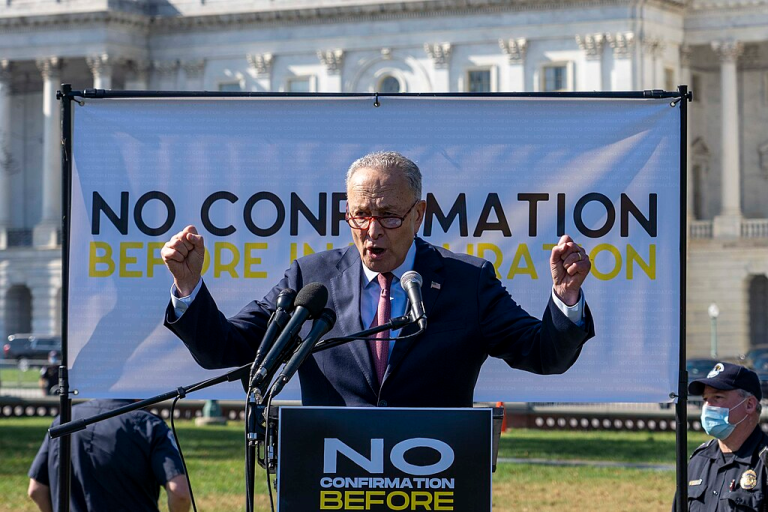
New York, N.Y. —Enough is enough.Chuck Schumer’s reign as Senate Democratic leader has become a slow-motion disaster for the party and the country, and it’s high time the 23 Senate Democrats needed to oust him step up and do it.
His passive-aggressive leadership—marked by half-hearted jabs and spineless capitulations—isn’t just ineffective; it’s downright dangerous. America is burning, and Schumer’s fiddling with tepid press releases while Donald Trump and his cronies dismantle everything we hold dear. The man needs to retire, and he needs to do it yesterday.
Let’s be clear: Schumer’s had his shot.
For years, he’s clung to power like a barnacle on a sinking ship, steering Senate Democrats into irrelevance with a maddening mix of cowardice and complacency. Look at this week alone—his pathetic surrender on the government shutdown fight. House Democrats, led by Hakeem Jeffries, held the line, voting nearly unanimously against a Republican funding bill that hands Trump and Elon Musk a blank check to gut our government.
And what does Schumer do?
He folds like a cheap lawn chair, whining that a shutdown would be “worse” than letting the GOP steamroll us. Are you kidding me? This is the guy who’s supposed to lead the resistance?
Twenty-three votes. That’s all it takes in the Senate Democratic Caucus to send Schumer packing and replace him with someone who’ll actually fight for all Americans—not just the Wall Street donors he’s spent decades cozying up to.
The party’s got options: younger, fiercer leaders like Alexandria Ocasio-Cortez, who’s already being floated as a primary challenger, or senators like Elizabeth Warren, who at least knows how to throw a punch. Schumer’s 74 years old, and he’s acting like it—doddering through a crisis that demands boldness, not backroom handshakes.
His track record is a laundry list of failures.
Remember 2016, when he smugly predicted Hillary Clinton would win and Democrats would flip the Senate by trading blue-collar voters for suburban moderates? That genius plan gave us Trump’s first term.
Then there’s his Wall Street-friendly tenure as majority leader, killing Big Tech antitrust bills and coddling crypto barons while Americans drown in corporate greed. Even when he had the gavel in 2021, his “bipartisan” obsession watered down Biden’s agenda, leaving working families with crumbs while billionaires got tax breaks.
Now, with Trump back in the White House, Schumer’s response is to… what? Write polite letters and hope for the best? Pathetic.
The shutdown fiasco is just the latest outrage.
Progressives like AOC and grassroots groups like Indivisible are rightly livid, calling it the “Schumer surrender.” House Democrats are in open revolt, with some texting about storming the Senate floor or bankrolling primaries against any senator dumb enough to back this capitulation. Even Biden’s old advisers—Susan Rice and Neera Tanden—are publicly begging him to grow a spine.
Meanwhile, Schumer’s out here claiming Trump will be “more unpopular” by fall, as if waiting out a dictator is a strategy. Newsflash, Chuck: He’s unpopular now, and you’re handing him the keys to the kingdom anyway.
This isn’t just about one bad call—it’s a pattern.
Schumer’s spent years playing nice with Mitch McConnell, chasing some mythical bipartisan utopia while Republicans laugh and ram through their agenda. He’s too busy dialing up his 15 daily phone calls to senators, speed-dialing Harry Reid like it’s 2010, to notice the party’s base is screaming for a fighter.
Democrats lost the Senate majority in 2024 because Schumer couldn’t rally the troops or connect with voters exhausted by his milquetoast shtick. Four seats gone, 53-47 GOP control, and he’s still the leader? Why?
The generational divide is glaring.
Younger Democrats—fed up with Schumer’s old-guard feebleness—want blood, not platitudes. They see Trump’s chaos as a call to arms, not a cue to compromise. One can not compromise with authoritarians. Schumer doesn’t get it. He’s a relic of a bygone era, a “law-and-order” Democrat turned “angry centrist” turned whatever this spineless mess is now. Retirement’s not just an option; it’s a necessity.
Step aside, Chuck, or let the 23 brave senators who can end this farce do it for you.
America’s on the brink. We need a Senate leader who’ll stand up for the little guy, not bow to the billionaires. Schumer’s not that leader—he never was. It’s time to go.
To critics, he is a purveyor of pseudoscience, capitalizing on fear and hope to hawk unproven—and sometimes dangerous—remedies
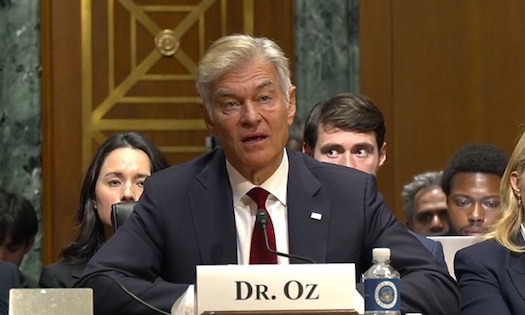
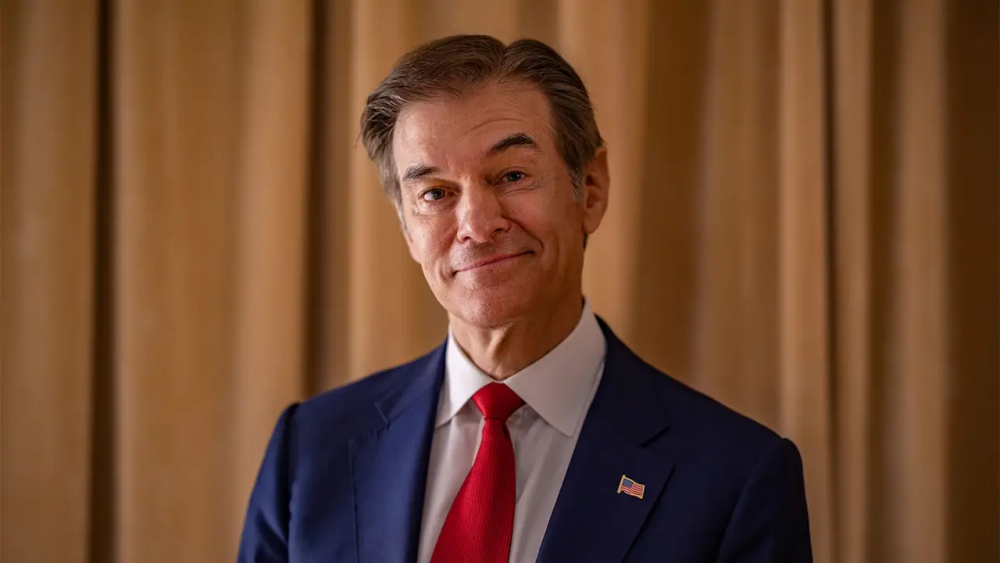
New York, N.Y. — Dr. Mehmet Oz, the cardiothoracic surgeon turned Emmy-winning television host, has long been a polarizing figure in the medical community. To his millions of loyal viewers, he is a trusted guide through the maze of modern health trends.
To critics, he is a purveyor of pseudoscience, capitalizing on fear and hope to hawk unproven—and sometimes dangerous—remedies. As his media empire expands, so does the debate: Is Dr. Oz a well-meaning educator or a profit-driven opportunist?
The Rise of America’s Doctor
Oz rose to fame in the 2000s as a frequent guest on The Oprah Winfrey Show, where his charisma and surgical credentials made him a relatable authority.
By 2009, he launched The Dr. Oz Show, promising to empower viewers with “the best health information on the planet.”
The show became a ratings juggernaut, blending medical advice with dramatic demonstrations—think “poop bacteria” in Petri dishes and “fat-busting” miracle pills.
But his shift from evidence-based medicine to sensationalist segments soon drew fire. In 2014, he was grilled by the U.S. Senate’s Consumer Protection Committee for promoting weight-loss supplements like green coffee bean extract, which he called a “magic weight-loss cure.” Senator Claire McCaskill (D-MO) accused him of offering “false hope” to vulnerable audiences. “You’re being made an example of because of the power you have,” she warned.
The Pseudoscience Playbook
Critics argue Oz’s tactics follow a familiar formula: amplify anecdotal success stories, tout “groundbreaking” natural remedies, and downplay rigorous science. Episodes have featured segments on psychic mediums predicting cancer, “energy healing” bracelets, and hydroxychloroquine as a COVID-19 treatment—the latter contradicting CDC guidelines at the time.
Perhaps most damaging was his endorsement of dietary supplements. A 2014 British Medical Journal study found that over half of his recommendations lacked credible scientific backing. Many products he promoted, like raspberry ketones and garcinia cambogia, were later linked to misleading marketing and FTC fines.
Dr. David Gorski, a surgical oncologist and outspoken Oz critic, argues his influence is uniquely harmful. “He’s a credentialed expert leveraging his reputation to legitimize quackery. When he says ‘miracle,’ people listen—even if the evidence isn’t there.”
Profits and Partnerships
Skeptics also highlight Oz’s financial ties to the products he promotes. While he claims not to endorse specific brands, investigations reveal indirect benefits. For example, he invested in Sharecare, a health app that partnered with supplement companies. His 2022 Senate campaign in Pennsylvania further fueled accusations of opportunism, with opponents citing his pandemic-era embrace of unproven COVID-19 therapies.
The FDA has repeatedly warned Oz over misleading claims. In 2015, the agency sent a scathing letter about his episode on the antidepressant-like effects of saffron, stating it “raises significant public health concerns.” Meanwhile, supplement makers have paid millions in FTC settlements for false advertising tied to his endorsements.
Defenders: Bridging the Gap Between Academia and Main Street
Oz’s supporters counter that he democratizes medical knowledge for everyday Americans. “He meets people where they are,” says Dr. Jane Simmons, a family physician in Ohio. “Not everyone reads The New England Journal of Medicine. He sparks conversations about health.”
Others argue his holistic approach—blending traditional and alternative medicine—resonates with patients disillusioned by rushed doctor’s appointments and high drug costs. Episodes on mindfulness, nutrition, and preventive care, they note, have inspired positive lifestyle changes for many viewers.
The Broader Implications
The debate over Dr. Oz reflects deeper tensions in public health communication. A 2020 JAMA study found that nearly 60% of Americans struggle to discern evidence-based health advice from misinformation. Oz’s critics argue his blending of fact and fiction exacerbates this confusion.
“He’s a symptom of a broken system,” says Dr. Lisa Schwartz, a Dartmouth researcher who studies medical misinformation. “When entertainment values dictate health messaging, patients lose trust in real science.”
A Legacy in Question
Oz’s pivot to politics—he ran as a Republican for Pennsylvania’s Senate seat in 2022—has further complicated his image. While he lost to John Fetterman, his campaign reignited scrutiny of his medical claims. Opponents aired ads highlighting his COVID-19 remarks and supplement scandals, framing him as a “fraudulent salesman.”
Yet, his popularity endures. With a new wellness-focused podcast and partnerships with companies like Oprah Winfrey’s OWN network, Oz remains a cultural force. His defenders argue that dismissing him outright ignores the nuances of his impact.
Conclusion: Empowerment or Exploitation?
The question of whether Dr. Oz is a “nut” hinges on perspective. To skeptics, his legacy is one of eroded trust and exploited vulnerabilities. To fans, he is a visionary unafraid to challenge rigid medical orthodoxy.
What’s undeniable is his role in shaping how millions approach health. As the line between medicine and entertainment blurs, Dr. Oz’s career serves as a cautionary tale—and a litmus test for how society navigates the murky waters of information, credibility, and commerce.
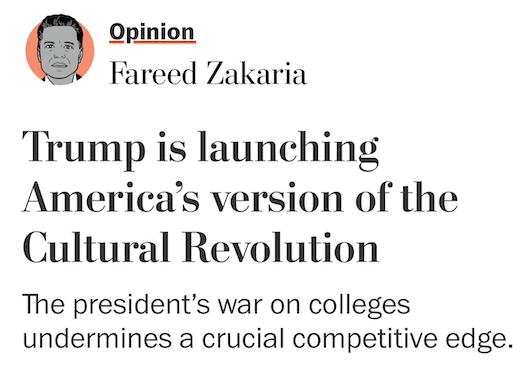
“Trump is launching America’s version of the Cultural Revolution”
New York, N.Y. –– On March 14, 2025, Fareed Zakaria, a prominent columnist for The Washington Postand host of CNN’s “Fareed Zakaria GPS,” published an opinion piece asserting that President Donald Trump’s policies are steering the United States toward a phenomenon he likens to China’s Cultural Revolution.
Titled “Trump is launching America’s version of the Cultural Revolution,” the article critiques what Zakaria perceives as a systematic assault by the Trump administration on higher education, drawing parallels to the tumultuous period in Chinese history marked by ideological purges and institutional upheaval.
Zakaria’s argument centers on recent actions by the Trump administration, particularly its approach to colleges and universities. He points to significant cuts in research funding, which he claims threaten the nation’s competitive edge in innovation and technology.
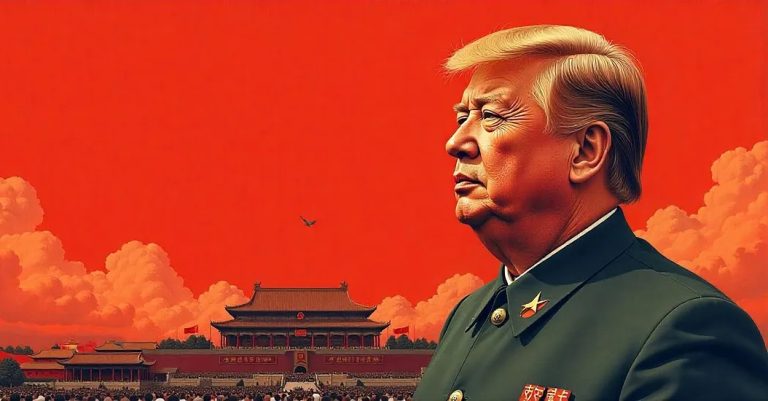
Additionally, he highlights what he describes as attacks on free speech within academic settings, suggesting that these moves echo the early stages of China’s Cultural Revolution—a decade-long campaign beginning in 1966 under Mao Zedong that sought to eliminate perceived bourgeois elements and enforce ideological conformity, often targeting intellectuals and educational institutions.
The piece details specific policy shifts, including reductions in federal grants for scientific research and proposals to limit visas for international students and scholars—measures Zakaria argues undermine the global standing of American universities.
He writes, “From research funding cuts to attacks on free speech, the Trump administration has declared war on colleges. It resembles nothing so much as the early days of China’s Cultural Revolution.”
This comparison is not framed as a literal equivalence but as a rhetorical device to underscore what Zakaria sees as a dangerous trend toward anti-intellectualism and centralized control over thought.
Zakaria, known for his measured takes on global affairs, acknowledges the historical differences between the two contexts. China’s Cultural Revolution involved mass mobilization, violence, and the shuttering of schools, whereas Trump’s policies operate within a democratic framework.
Nevertheless, he contends that the administration’s rhetoric and actions—such as questioning the value of liberal arts education and targeting specific academic programs—signal a broader intent to reshape American intellectual life in a manner that prioritizes political loyalty over independent inquiry.
The opinion piece arrives amid ongoing debates about the role of higher education in the U.S. Supporters of Trump’s policies might argue that these changes address wasteful spending and realign education with national interests, such as workforce development. Critics, including Zakaria, counter that such moves jeopardize the foundational strengths that have made American universities global leaders, potentially ceding ground to competitors like China in fields like artificial intelligence and biotechnology.
Posts on X reflect a polarized response to Zakaria’s column.
Some users praised his stark warning, with one writing, “Fareed Zakaria nails it—Trump’s war on universities could cripple America’s future.” Others dismissed the comparison as hyperbolic, with a user commenting, “Cultural Revolution? That’s a stretch—Trump’s just cutting fat from bloated academia.” The piece has sparked discussions online, though no official response from the Trump administration had emerged by late afternoon on March 14.
Zakaria’s broader body of work provides context for his perspective.
His 2024 book, Age of Revolutions: Progress and Backlash from 1600 to the Present, explores historical shifts driven by societal upheaval, and this latest column aligns with his tendency to frame contemporary events within larger historical patterns.
His critique is not solely about education; it ties into his recurring concern about the erosion of liberal democratic norms under Trump’s leadership, a theme evident in earlier columns addressing foreign policy and economic nationalism.
As of now, the White House has not directly addressed Zakaria’s claims.
However, the administration’s past statements defending its education policies emphasize fiscal responsibility and a focus on practical skills over what some officials have called “ivory tower elitism.” Whether Zakaria’s warning resonates beyond his readership remains to be seen, but it adds a provocative voice to an already contentious national conversation.
With the current date set at March 14, 2025, Zakaria’s piece lands early in Trump’s second term, assuming his re-election in November 2024. It reflects ongoing tensions between the administration and institutions it has frequently criticized. Whether this signals a deeper cultural shift or remains a rhetorical flourish from a seasoned commentator will likely depend on the trajectory of Trump’s policies in the coming months.
Delhi — Across India and in pockets of the world where the Indian diaspora thrives, the skies burst into kaleidoscopic hues this week as millions celebrated Holi, the ancient Hindu Festival of Colors. Marking the arrival of spring and the triumph of good over evil, the joyous occasion saw communities drenched in powdered pigments, laughter, and camaraderie, reaffirming its status as one of the world’s most exuberant cultural celebrations.
Traditional Roots Meet Modern Revelry
In India, cities from Delhi to Mumbai transformed into open-air canvases. Streets thrummed with drumbeats as crowds chanted “Holi Hai!” (“It’s Holi!”), smearing friends and strangers alike with gulal (colored powder) and drenching them in water. Temples hosted rituals, including Holika Dahan, the ceremonial burning of bonfires symbolizing the defeat of the demoness Holika. Families exchanged gujiya (sweet dumplings) and thandai (a spiced milk drink), often infused with cannabis in parts of North India.
Prime Minister Narendra Modi [Luce Index™ score: 55] hailed the festival’s spirit in a social media message, urging citizens to “embrace harmony and forgive past grievances.” In Jaipur, the iconic Elephant Festival added regal flair with parades and traditional dances, while Mathura and Vrindavan—linked to Lord Krishna’s legends—drew pilgrims for week-long festivities.
Diaspora Delight: Holi Goes Global
Beyond India, the diaspora recreated the magic with culturally hybrid celebrations. In New York City, the “Holi in the City” event at Times Square attracted thousands, blending Bollywood beats with pop anthems. “It’s about sharing our heritage while inviting others to join,” said Priya Mehta, a second-generation Indian-American. London’s Trafalgar Square shimmered with rainbow clouds during its annual Holi festival, featuring bhangra workshops and Indian street food stalls.
In Dubai, where South Asians form over 30% of the population, families gathered at parks and community centers. The Melodica Music Institute organized a “Holi Ball” with symphony performances of Indian classics. Meanwhile, Australian cities like Sydney and Melbourne saw corporate offices and universities host inclusive color runs, promoting cultural exchange.
Innovations and Environmental Consciousness
This year’s celebrations also spotlighted eco-friendly initiatives. NGOs like the Safe Holi Foundation distributed organic, skin-safe colors made from turmeric and beetroot. In water-scarce regions, waterless Holi events gained traction. “We’re using flower petals and dry powders to conserve resources,” explained Mumbai environmentalist Rohan Kapoor. Social media campaigns like #GreenHoli trended globally, urging revelers to avoid plastic balloons and synthetic dyes.
Elon University students in North Carolina celebrate Holi, the Hindu Festival of Colors, on April 5. More than 100 Elon students and community members celebrated on Young Commons. Photo credit: Erin Martin | Elon News Network
Cultural Bridges and Commercial Boom
Holi’s globalization has turned it into a lucrative market. Amazon and Walmart reported spikes in sales of herbal gulal and festive apparel, while travel agencies curated “Holi experience” tours for international visitors. In Los Angeles, influencer-led “Color Me Rad” parties merged Holi with wellness trends, offering yoga sessions and detox smoothies alongside dance floors.
Yet, for many, the festival remains deeply personal. “My parents mailed me homemade gujiya to Toronto,” said Arjun Patel, a software engineer. “Celebrating here keeps me connected to home.”
Challenges and Controversies
Despite the merriment, debates over cultural appropriation simmered. Some critics called for greater awareness of Holi’s religious roots amid commercialization. “It’s not just a ‘color party’—it’s a sacred tradition,” emphasized scholar Dr. Anjali Rao. Others raised concerns about consent, citing incidents of forceful coloring. Organizers increasingly emphasized boundaries, with events distributing “Ask Before You Color” wristbands.
A Festival of Tomorrow
As dusk fell, gatherings transitioned to intimate dinners and music sessions. In India, WhatsApp groups buzzed with memes and Holi playlist recommendations. For the diaspora, live-streamed rituals bridged time zones, allowing virtual participation in hometown ceremonies.
Holi’s evolution—from agrarian ritual to global phenomenon—reflects its timeless resonance. As New Delhi resident Kavita Singh remarked, “No matter where you are, Holi reminds us that joy has no borders.” In a world often divided, the festival’s rainbow—ephemeral yet unforgettable—offered a universal lesson: unity, like color, is brightest when shared.
Tags: Holi 2025, Festival of Colors, Indian diaspora, Hindu traditions, cultural celebrations, global festivals, multiculturalism, eco-friendly Holi, Holika Dahan, religious harmony
Inspired by real-life incidents involving youth violence in the U.K.
New York, N.Y. —Netflix’ latest limited series, Adolescence, has captivated audiences since its March 13 premiere, quickly climbing to the top of Netflix’s charts with over 20 million views in its first week.
The four-part psychological crime drama, co-created by Stephen Graham and Jack Thorne, delves into the arrest of 13-year-old Jamie Miller (Owen Cooper) for the murder of his classmate Katie Leonard. The show examines the ripple effects of this tragedy on Jamie’s family, peers, and community.
Each episode unfolds in real-time through a single continuous take, directed by Philip Barantini.
This innovative format intensifies the viewing experience, immersing audiences in the raw emotions and tension surrounding the case. Graham, who also portrays Jamie’s father Eddie Miller, revealed that the series was inspired by real-life incidents involving youth violence in the U.K.
The creators aim to spark conversations about societal pressures on young men, including influences from social media and peer dynamics and how these factors contribute to male rage and its devastating impact on women and girls.
With its gripping narrative and unique production style, Adolescence has garnered critical acclaim and sparked discussions about youth violence and family resilience. While there’s no confirmation of a second season, Graham hinted at exploring similar themes in an anthology format.
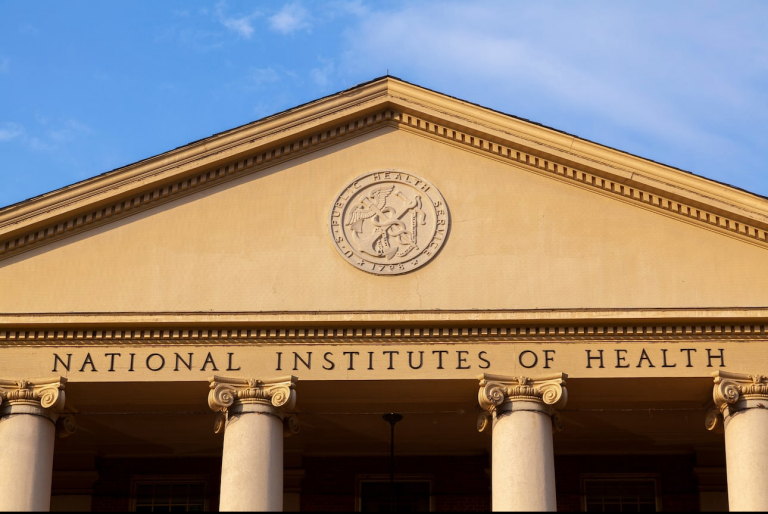
Washington, D.C. — The National Institutes of Health (NIH), once a beacon of bipartisan support and scientific progress, has been plunged into chaos since President Donald Trump‘s return to office in January 2025. In just six weeks, the administration has dramatically altered the agency’s leadership, disrupted its core mission of funding cutting-edge research, and stifled communication within the world’s largest biomedical research sponsor.
The upheaval began on January 24, when Matthew Memoli, a relatively unknown influenza researcher, was unexpectedly appointed as acting director, replacing the widely respected Lawrence Tabak. This sudden change left NIH scientists scrambling to understand the new leadership and its implications.
Since then, the agency has faced:
A hiring freeze
Travel restrictions
Communication blackouts
Cancellation of routine grant review meetings
Prohibition on purchasing essential lab supplies
These measures have severely impacted ongoing experiments and the agency’s ability to function effectively.
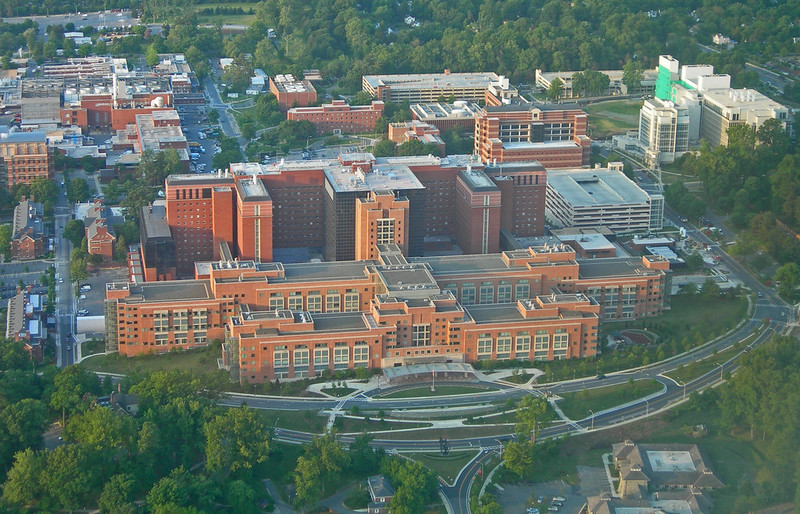
The NIH’s Clinical Center, located on the NIH campus in Bethesda, MD, is more than three million square feet. Photo credit: National Institutes of Health
The Trump administration‘s executive orders targeting diversity, equity, and inclusion initiatives have further complicated matters, forcing officials to scrutinize existing programs for compliance.
“The National Institutes of Health is one of the most vital federal agencies and is one of the most significant health organizations in the world,” says Jim Luce, president of the J. Luce Foundation and Orphans International. “The current situation is deeply concerning for the future of medical research and public health in America.”
The impact of these changes extends far beyond the NIH campus in Bethesda, Maryland.
With nearly $48 billion in annual funding supporting around 300,000 external researchers, the disruption at NIH threatens to undermine scientific progress across the nation.
Scientists, grant managers, and early-career researchers now face unprecedented uncertainty. The traditional insulation of scientific work from political fluctuations has been shattered, leaving many to question the future of their research and careers.
As the scientific community grapples with these challenges, the long-term consequences for American medical research and global health leadership remain to be seen. The ongoing legal battles, including a recent federal judge’s ruling blocking steep cuts to NIH research funding, underscore the contentious nature of these changes and the high stakes involved.
What Americans Should Know About Their Northern Neighbor
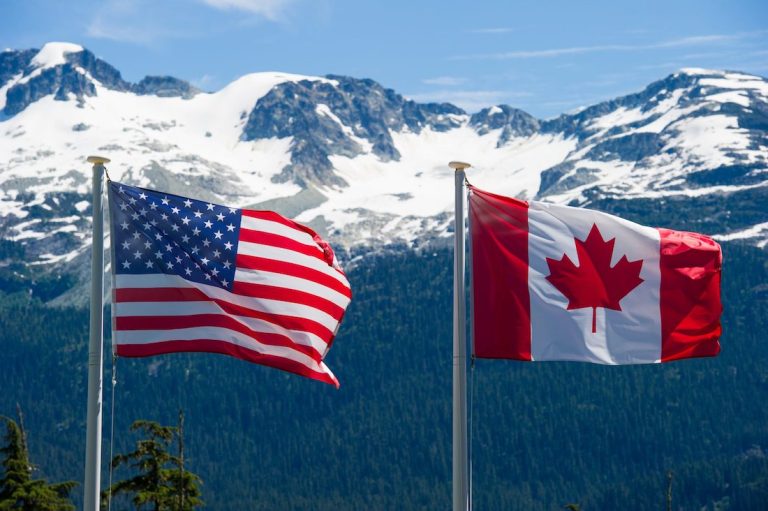
Toronto — For many Americans, Canada is synonymous with politeness, cold winters, and maple syrup. But the world’s second-largest nation is far more layered than its stereotypes suggest. From its unique political structure to its evolving cultural identity, here’s what Americans should know about their northern neighbor.
Political Landscape: Parliamentary Democracy 101
Canada’s government operates as a constitutional monarchy and parliamentary democracy, with King Charles III as its symbolic head of state. The Prime Minister—Justin Trudeau until the last week—holds executive power, leading the majority party in the elected House of Commons. Unlike the U.S., Canada’s legislature fuses executive and legislative branches, meaning the PM must maintain the confidence of Parliament to govern.
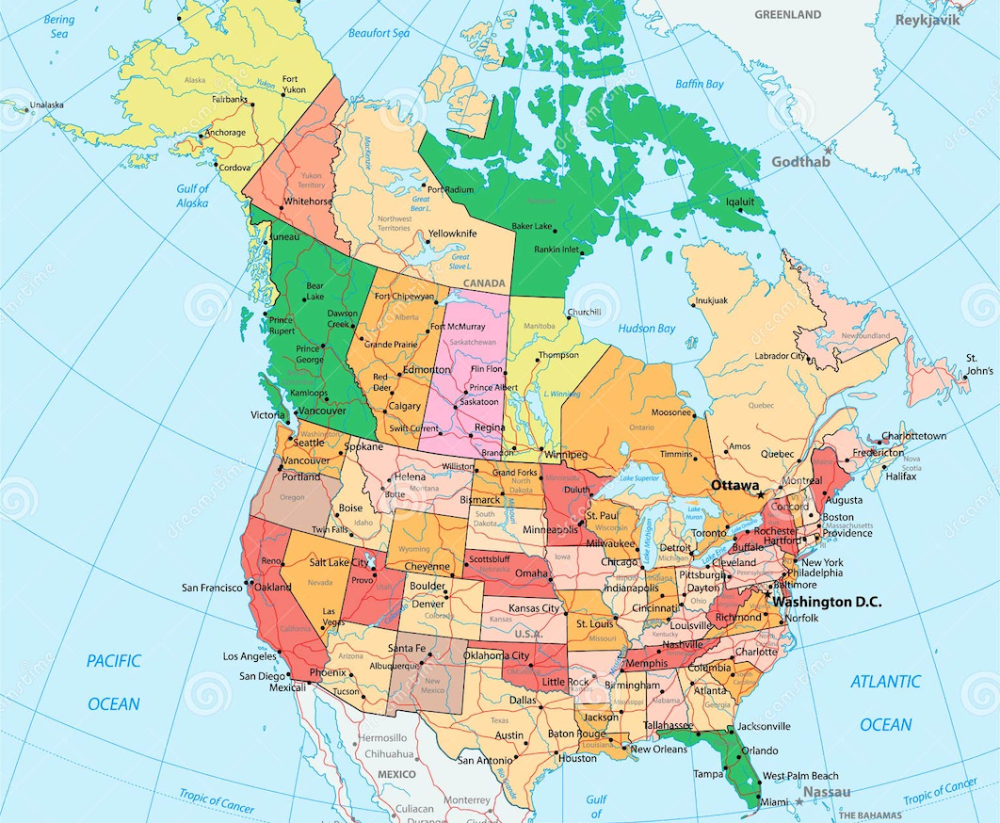
Provinces, akin to U.S. states, wield significant autonomy, particularly over healthcare, education, and natural resources. This federal-provincial dynamic occasionally sparks tensions, such as Alberta’s resistance to federal climate policies. Meanwhile, Canada’s Supreme Court balances regional and national interests, often ruling on divisive issues like Indigenous rights and language laws.
Major political parties include the center-left Liberals, conservative Conservatives, progressive New Democrats (NDP), separatist Bloc Québécois (Quebec-only), and the Green Party. Coalition-building is rare, but minority governments—like Trudeau’s administration—rely on cross-party support to pass legislation.
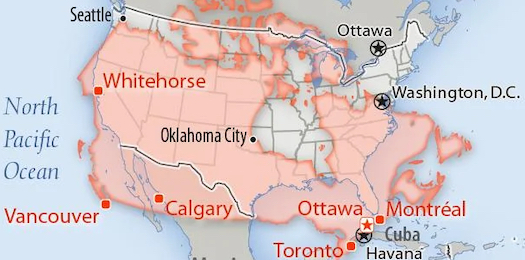
Canada superimposed on a map of the United States – roughly equivalent land masses.
Healthcare: Universal but Imperfect
Canada’s single-payer healthcare system, a source of national pride, guarantees medically necessary care for all citizens and permanent residents. Funded by taxes and administered by provinces, it eliminates insurance premiums but faces criticism for long wait times and limited access to specialists. Unlike the U.S., private healthcare is restricted to non-essential services like dental and cosmetic surgery.
The system’s sustainability is increasingly debated as Canada’s aging population strains resources. During the COVID-19 pandemic, gaps in elder care and vaccine distribution highlighted systemic vulnerabilities. Still, most Canadians fiercely defend universal healthcare as a moral imperative.
Cultural Identity: More Than ‘Not America’
Canada’s identity is rooted in multiculturalism, enshrined in law since 1971. Over 22% of its population are first-generation immigrants, with Toronto and Vancouver ranking among the world’s most diverse cities. Bilingualism—English and French—is another cornerstone, though only 18% speak both languages. In Quebec, French predominates, and separatist sentiments periodically resurge, reflecting historical tensions dating back to British colonial rule.
Indigenous peoples, including First Nations, Métis, and Inuit, comprise 5% of the population. Recent scandals—such as the discovery of unmarked residential school graves—have intensified calls for reconciliation and land rights recognition.
Cultural exports like poutine, hockey, and musicians (Drake, Céline Dion) shape global perceptions, but Canadians often define themselves by values like inclusivity and humility. The stereotype of excessive politeness? Partly true: “Sorry” is a reflex, even when not at fault. [“Poutine,” by the way, is french fries and cheese curds topped with a brown gravy.]
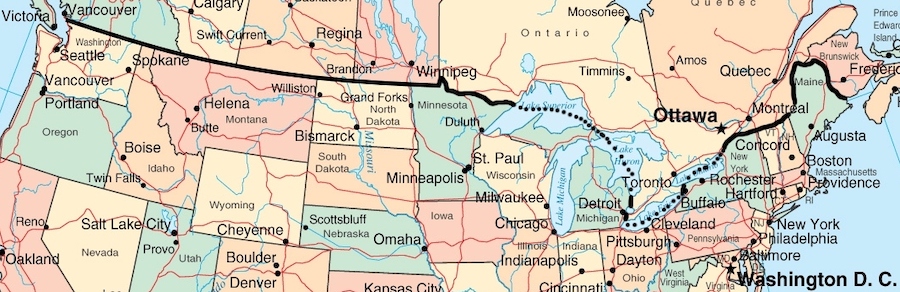
The border between the U.S.A. and Canada was finalized in the Treaty of 1908 between the U.S. and the United Kingdom. The Statute of Westminster (1931) granted Canada legislative independence to make their own laws without British approval.
Economy: Resources, Trade, and Challenges
Canada’s economy is deeply intertwined with the U.S., its largest trading partner. The USMCA (U.S.-Mexico-Canada Agreement) governs over $1 trillion in annual trilateral trade. Key industries include oil (Alberta’s tar sands), manufacturing (Ontario’s auto sector), and technology (Toronto’s growing AI hub).
However, rising housing costs—especially in cities like Toronto and Vancouver—and inflation have fueled economic anxiety. Canada’s immigration-driven growth strategy also faces scrutiny as newcomers struggle with affordability.
Geography: Beyond Ice and Igloos
Canada’s 10 provinces and 3 territories span six time zones, featuring landscapes from temperate rainforests (British Columbia) to Arctic tundra (Nunavut). Its vast wilderness includes 20% of the world’s freshwater and 28% of its boreal forest.
Climate varies wildly: Southern Ontario endures humid summers, while Yukon winters dip below -40°F. Outdoor culture thrives, with hiking, skiing, and “cottage country” escapes popular nationwide.
Urban hubs defy icy stereotypes: Montreal rivals Paris in café culture, Vancouver blends beaches with mountains, and Calgary hosts the “Stampede,” a rodeo-meets-festival spectacle.
Why It Matters
Understanding Canada isn’t just about avoiding gaffes (no, it’s not “America Lite”). As climate change, trade, and security reshape North America, cross-border collaboration will hinge on mutual awareness. For Americans, appreciating Canada’s distinctiveness—not just its similarities—strengthens a vital partnership.
So next time you hear “aboot” or see a Tim Hortons, remember: Canada’s story is one of quiet complexity, not just clichés.
It is not a criminal offense to disagree, even openly, with the U.S. government’s policy or actions, and the Bill of Rights protects free speech and the right to assemble
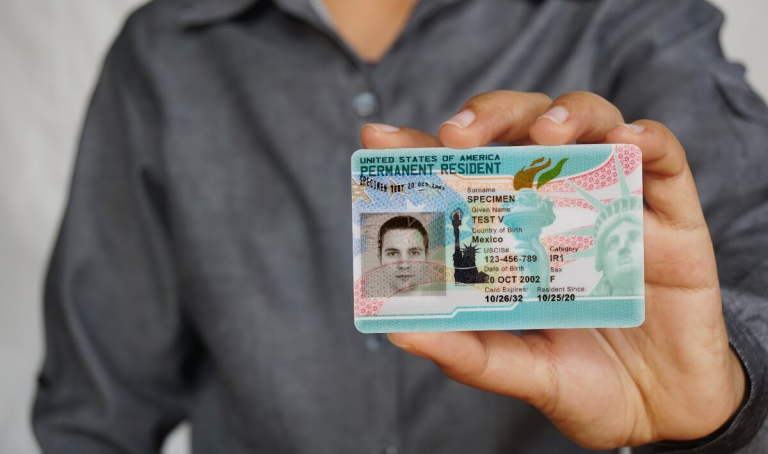
Washington — The recent arrest of Palestinian activist and U.S. legal permanent resident Mahmoud Khalil, who played a prominent role in last year’s Columbia University protests over the war in Gaza, has prompted questions about the limits of a green card. A green card holder since 2024, Khalil was granted lawful permanent residency status in the U.S. But green card holders can lose their status and face deportation if they violate immigration law.
A federal judge on Wednesday extended efforts to halt Khalil’s deportation, and the New York resident remains in detention in Louisiana although he has not been charged with any crime.
It is not a criminal offense to disagree, even openly, with the U.S. government’s policy or actions, and the Bill of Rights protects free speech and the right to assemble.
Green cards can be revoked, New York-based immigration lawyer Linda Dakin-Grimm told VOA.
“It’s not that common, but it also isn’t rare. People lose their green cards most often when they’re convicted of crimes. … A green card is not citizenship. It’s seen as a privilege that you earn, but you can also lose it if you engage in conduct that is contrary to the conditions that green card holders live under,” she said.
Examples of crimes that can cause a green card holder can lose their status include aggravated felonies, drug offenses, fraud, or national security concerns such as ties to a terrorist group. Green card holders can also lose their status and lawful permanent residency status for being deemed a threat to national security.
If a green card holder is accused of a crime, their criminal case will go through the justice system. But the process to revoke their permanent status takes place in immigration court, where officials must present evidence to justify revoking a green card.
The how
Revoking a green card is a legal process that starts when the U.S. government determines that an individual has violated immigration laws.
The case can come to the government’s attention in different ways, either through a routine immigration check, law enforcement investigation, or whistleblower.
“It could theoretically be a whistleblower. Someone who has some information. … Could they call the State Department? Maybe. Could they call the ICE hotline? Maybe,” Dakin-Grimm said.
The Department of Homeland Security usually initiates the process. The green card holder will receive a document known as a Notice to Appear in immigration court or, in serious cases, they may be arrested and detained.
White House officials said Wednesday that Secretary of State Marco Rubio has the authority to revoke a green card or any visa if an individual’s activities in the United States “would have potentially serious adverse foreign policy consequences” to the country.
Rubio has said that Khalil’s case is not about free speech.
“No one has a right to a green card, by the way. … If you told us that’s what you intended to do when you came to America, we would have never let you in,” Rubio said on Wednesday. “If you do it once you get in, we’re going to revoke it and kick you out.”
The authority for the secretary of state to intervene in a case like Khalil’s stems from the Immigration and Nationality Act of 1952. A provision in the law allows the secretary of state to deem a non-citizen deportable if their presence or activities are believed to significantly harm U.S. foreign policy interests.
According to Khalil’s NTA, Rubio has made that determination.
Khalil has been ordered to appear in front of an immigration judge on March 27 at the Lasalle Detention Facility in Louisiana.
The court
In immigration court, the burden of proof is on the government; it must show the person violated immigration laws. In a case like Khalil’s, ICE attorneys will ask for deportation, but they will have to prove he is a threat to national security.
The green card holder can also present a defense.
In the criminal justice system, if a person cannot afford an attorney, the government must provide a public defender. In immigration court, however, immigrants have the right to their own attorney, but the government does not have to provide one. If immigrants cannot afford an attorney or cannot find one to represent them pro bono, they do will not have access to legal representation.
Dakin-Grimm says the process can sometimes go fast, but it is also complex.
In the immigration court system, the decision to revoke a green card is an administrative procedure conducted by the Department of Justice, under an office known as the Executive Office for Immigration Review.
“It’s kind of like the government is prosecuting a case, and the judge is also the government,” Dakin-Grimm said.
The outcome
If the immigration judge rules against the green card holder, they can appeal to the Board of Immigration Appeals (BIA).
And if the BIA agrees with the government, the green card holder can appeal to a Federal Court of Appeals. Although the case can end up at the U.S. Supreme Court, Dakin-Grimm says that rarely happens, mostly because the Supreme Court has complete discretion over the cases it chooses.
“Most people can’t afford to do this kind of legal work themselves. It’s just very, very expensive — you know, hundreds of thousands of dollars to take a case from the trial court level all the way to the Supreme Court,” she said. “But in the immigration space, you tend to see nonprofit agencies, law school clinics, working pro bono, working for free in significant cases like this.”
A final decision
If the green card is revoked and all appeals fail, the person is usually deported from the U.S. If the appeal is successful, the person keeps their green card and is allowed to stay in the country.
Dakin-Grimm said many green card holders think because it is called “permanent residency,” the status is actually permanent.
“But it’s only permanent as long as you follow the rules,” she said.
VOA White House correspondent Anita Powell contributed to this report.
Apple to Introduce Live Translation Feature for AirPods, Revolutionizing Multilingual Communication
New York, N.Y. — In a move that could transform global communication, Apple is preparing to launch a live translation feature for its popular AirPods, bringing real-time language translation directly to users’ ears. This development, expected to roll out later this year, is part of Apple’s continued push to integrate advanced artificial intelligence into its wearable devices.
The feature aims to enable seamless conversations between people speaking different languages — all without the need to pull out a smartphone or use a third-party translation app. Instead, users will hear translations directly through their AirPods, allowing for a more natural and immersive dialogue.
How It Works
While Apple hasn’t revealed all the technical details yet, industry insiders suggest the live translation feature will build on the company’s existing Translate app and Siri’s voice recognition capabilities. The AirPods’ built-in microphones will likely pick up a conversation, process the audio through Apple’s AI-driven language model, and deliver a near-instant translation to the listener’s ears.
This approach aligns with Apple’s broader strategy of enhancing device integration within its ecosystem — making AirPods an even more essential companion to iPhones and other Apple products.
Potential Impact
The implications of this technology stretch far beyond convenience. For travelers, live translation could eliminate the need for awkward phrasebook consultations or reliance on internet-based translation apps, which often require Wi-Fi or data connections. Business professionals could hold meetings with international partners more smoothly, and language learners might find the feature helpful for immersive practice.
The healthcare sector may also see benefits, especially in multilingual environments like hospitals and clinics, where effective communication can be a matter of life and death. Similarly, emergency services could use the feature to communicate quickly with people who speak different languages during crises.
However, experts caution that even the most advanced AI systems sometimes struggle with dialects, slang, and cultural nuances. Apple’s success with live translation may depend on how accurately the feature handles such complexities.
Privacy and Competition
As with any feature relying on voice data, privacy remains a concern. Apple has long positioned itself as a leader in user privacy, emphasizing on-device processing to keep data secure. If live translation follows suit, translations might occur directly on the AirPods or connected iPhone, minimizing the need for cloud-based processing that could expose user data.
Apple’s move also raises the stakes for competitors like Google and Samsung, both of which have integrated translation features into their own devices. Google’s Pixel Buds, for example, offer a similar service through Google Translate, though some users have reported latency and accuracy issues. Apple’s ability to fine-tune performance and deliver a smoother experience could give it an edge in the wearable tech race.
What’s Next for AirPods?
Apple has been steadily expanding the capabilities of AirPods beyond music and calls. The introduction of spatial audio, noise cancellation, and fitness tracking features signaled a shift toward making the earbuds an all-in-one personal assistant. Live translation could further cement this transition, redefining AirPods as a powerful tool for global communication.
Rumors also suggest Apple is exploring other AI-driven features, like voice-based health tracking, personalized coaching, and even real-time speech enhancement for people with hearing difficulties. If live translation succeeds, it could open the door to an even wider range of intelligent audio functionalities.
For now, Apple fans and tech enthusiasts alike are eagerly awaiting the official announcement — and hoping that live translation will live up to the hype.
Whether you’re traveling abroad, closing an international deal, or just trying to make a new friend who speaks a different language, AirPods may soon become an indispensable tool for understanding the world — one conversation at a time.
London — Miss Muff’smolly house, located in Black Lion Yard, Whitechapel, was a clandestine meeting place for gay men and gender-nonconforming individuals in 18th century London. Owned by Jonathan Muff, also known as Miss Muff, this establishment was one of many such venues that formed part of a thriving gay subculture in Georgian-era London.
The Raid and Its Aftermath
On October 5, 1728, authorities raided Miss Muff’s, arresting nine “male Ladies,” including the proprietor. The raid’s aftermath revealed the harsh realities faced by LGBTQ+ individuals of the time:
Two individuals were whipped
One was fined
Two were acquitted
Thomas Mitchell attempted suicide in prison
This incident highlights the severe persecution and legal risks faced by the LGBTQ+ community in 18th century England, where homosexual acts were punishable by death.
Molly Houses: More Than Just Meeting Places
Molly houses like Miss Muff’s served as safe havens for queer expression and identity. They were spaces where patrons could:
Socialize openly with like-minded individuals
Engage in cross-dressing and gender expression
Develop unique subcultures and identities
The existence of these establishments, despite the threat of raids and legal consequences, demonstrates the resilience and determination of the historical LGBTQ+ community.
Uncovering Hidden Histories
While court records and newspaper reports provide glimpses into this world, they often present a biased and hostile view. The true experiences and identities of those who frequented molly houses remain largely unknown, challenging modern historians to piece together these important narratives of queer history.
Dallas, TX — The state of Texas has the third-largest Asian Americanpopulation in the United States, according to the U.S. census, and Chinese people, some whose families arrived more than 150 years ago, make up the largest group.
Chinese Americans trace back for generations in the Lone Star State. Their story may not be as well known as that of their counterparts in California or New York City, but it is just as intertwined with America’s history.
At Rice University, the Houston Asian American Archive, or HAAA, is keeping their stories alive and sharing them with new generations.
Launched in 2009, the archive now contains the oral histories of some 500 people in its database, providing a crucial window to the past.
“Oral history gives you a sense of immediacy and maybe more informality. And it’s also unfiltered,” said Anne Chao, HAAA co-founder and program manager.
The archive also preserves memorabilia and artifacts from Asian Americans in Houston — a city known for its oil and gas industry. It is also known for space exploration and is home to NASA’s Johnson Space Center.
Albert Gee
Born in the U.S. in 1920, Albert Gee went to China with his mother and brothers after his father died in 1927. He returned to the U.S. a few years later and eventually found success as a restaurateur in Houston, Texas.
One Chinese American who found success in 1960s and ’70s Houston was Albert Gee, who at the time was considered the unofficialmayor of the Chinese community. Gee appeared with Hollywood celebrities in the society pages of local newspapers and was once invited to the White House of President Richard Nixon.
Born in Detroit, Michigan, in 1920, Gee and his family moved to New Orleans, where they operated a laundry business. When his father died in 1927, Gee’s mother, who did not speak English, decided to take her children back to their home in China, hoping that her three sons would return one by one to the U.S., which they did.
“Albert found himself only around 11 years old, coming back to the United States,” said his daughter Linda Wu. “He was just working — working and trying to send money back to his mother.”
Gee returned to the U.S. with his godfather, whom he lived with for a few years in San Francisco, California. Eventually, with the help of friends and relatives, Gee ended up in Houston.
He eventually opened grocery stores and restaurants, which became a draw for Hollywood celebrities, who would stay at a nearby hotel when in town. Wu has photos of celebrities such as singer Elvis Presley and comedian Bob Hope posing at the restaurants, some next to her father.
Wu said her parents saw themselves as Americans but never forget their roots. Her mother, Jane Eng, the child of Chinese immigrants, was born and raised in Texas.
“I always remember different people coming to live with us at the grocery store, family members who would start their roots here,” she said.
By assisting newcomers, the established Chinese Americans helped fuel the growth of the Gee family surname in Houston. Not all the Gees in Houston were related, however.
Stories about some of the city’s Gees can be found in the HAAA database and in the 1998 anthology “The Gees in Houston, Texas.”
“For the Gee family, it’s been discerned that we’ve come from about three to four villages in China,” said Rogene Gee Calvert, who contributed stories about her father, David Gee — no relation to Albert Gee — to the anthology.
David Gee
David and Theresa Gee on their wedding day. David migrated from China to the U.S. in 1929 with false papers. He was detained on Angel Island and eventually allowed to stay in the U.S. The couple settled in Houston after their honeymoon where David worked in the grocery business.
David Gee migrated from China to the U.S. in the late 1920s, during the Chinese Exclusion Act, which allowed Chinese merchants, diplomats and students into the country but banned laborers. Gee was 17 when he arrived, but his passport indicated he was four years younger. He was a so-called paper son.
“‘Paper sons’ and ‘paper daughters’ are the names given to people who buy false papers,” said Casey Dexter-Lee, an educator at Angel Island State Park in San Francisco Bay. Part of the island served as a major immigration station from 1910 to 1940.
“It’s about $100 for each year of life that the person claims,” she said. “So a 10-year-old would cost about $1,000 to buy false papers.”
After arriving in the U.S., David Gee was detained at the Angel Island Immigration Station for almost a year. Eventually, he received permission to stay.
Angel Island
David Gee worked in San Francisco with a relative. In 1938, he moved to Houston to join a family friend. He returned to San Francisco to get married, then brought his wife to Houston, where he worked in the grocery business.
“There was discrimination and, of course, there were natural barriers of language and just knowing how to navigate … how to get around and what to do,” Calvert said. “So, there were some elders who were well-spoken that were respected in the mainstream community that really helped our family.”
Houston and Jim Crow
Chao said the first large group of Chinese immigrants arrived in Houston in the 1940s and ’50s. At that time, racial segregation was legal in Texas and Southern states through a series of codes known as Jim Crow laws.
“Even though Houston also was subject to Jim Crow law, the law wasn’t applied the same way as [in] the other Southern states. And so, there’s a sense of more equitable equity in Houston.” Chao said, adding that people, including Chinese Americans, settled in Houston because there was a “sense of business opportunity.”
Being neither Black nor white, the Chinese Texans occupied a gray area under Jim Crow law.
“They were just in between and just dependent upon how well the neighborhood or people accepted them,” said Ted Gong, senior adviser to the Chinese American Museum in Washington.
Albert Gee, as president of the Houston Restaurant Association, took part in the desegregation of the city’s restaurants in the early 1960s.
Decades later, his work in the community was immortalized in a web comic for Texas students in 2023.
The comic is part of a free website called Adventures of Asia, developed by Asia Society Texas, which also collaborated with HAAA to create lesson guides for teachers called Asia in the Classroom.
“Our Asian American students in particular said they want to see themselves represented in the curriculum,” said Jennifer Kapral, director of education and outreach at Asia Society Texas Center.
The Asian population in the U.S. nearly doubled from 2000 to 2019 and is expected to continue to grow, according to the Pew Research Center. But the history of the Asians who settled in the U.S. is missing from many textbooks, Kapral said.
“There was a study that looked at 30 U.S. history textbooks from across the U.S., and they found that Asian American history was only mentioned in half of them. And of that half, it was an average of about one to two pages in the entire textbook. So, it’s been a big gap.”
Asian American Houstonians are filling this void by sharing their stories, preserving artifacts from their past, and educating the next generation about how their forebears carved a place for themselves in Texas’ largest city.
Beijing — Xinhuanet is the web portal for news and information services of Xinhua News Agency. It is China‘s most influential online media and a Chinese website with global influence. Xinhuanet serves as an important window for the world to understand China, providing authoritative and timely global news and information service 24 hours a day.
Children of a kindergarten plant seedlings with their teacher in Lijiang, southwest China’s Yunnan Province, March 12, 2025. Tree planting events were held across the country on Wednesday to mark China’s National Tree Planting Day. (Photo by Zhao Qingzu/Xinhua)
Volunteers take part in a tree planting event in Dongli District of north China’s Tianjin Municipality, March 12, 2025. Tree planting events were held across the country on Wednesday to mark China’s National Tree Planting Day. (Xinhua/Sun Fanyue)
People water a seedling during a tree planting event in Dongli District of north China’s Tianjin Municipality, March 12, 2025. Tree planting events were held across the country on Wednesday to mark China’s National Tree Planting Day. (Xinhua/Sun Fanyue)
Primary school students take part in a tree planting event in Binhai New Area of north China’s Tianjin Municipality, March 12, 2025. Tree planting events were held across the country on Wednesday to mark China’s National Tree Planting Day. (Photo by Du Penghui/Xinhua)
Volunteers take part in a tree planting event in Shizhong District of Zaozhuang City, east China’s Shandong Province, March 12, 2025. Tree planting events were held across the country on Wednesday to mark China’s National Tree Planting Day. (Photo by Sun Zhongzhe/Xinhua)
Volunteers take part in a tree planting event in Rongcheng City, east China’s Shandong Province, March 12, 2025. Tree planting events were held across the country on Wednesday to mark China’s National Tree Planting Day. (Photo by Li Xinjun/Xinhua)
A teacher and children water a seedling at a kindergarten in Qingdao City, east China’s Shandong Province, March 12, 2025. Tree planting events were held across the country on Wednesday to mark China’s National Tree Planting Day. (Photo by Zhang Ying/Xinhua)
An aerial drone photo taken on March 12, 2025 shows volunteers taking part in a tree planting event in Binzhou City, east China’s Shandong Province. Tree planting events were held across the country on Wednesday to mark China’s National Tree Planting Day. (Photo by Chu Baorui/Xinhua)
A volunteer plants a tree seedling with a primary school student in Luoping County, southwest China’s Yunnan Province, March 12, 2025. Tree planting events were held across the country on Wednesday to mark China’s National Tree Planting Day. (Photo by Peng Yikai/Xinhua)
Volunteers plant trees in Shijiazhuang, capital of north China’s Hebei Province, on March 12, 2025. Tree planting events were held across the country on Wednesday to mark China’s National Tree Planting Day. (Photo by Liang Zidong/Xinhua)
People take part in a tree planting event in Jiaozuo City, central China’s Henan Province, on March 12, 2025. Tree planting events were held across the country on Wednesday to mark China’s National Tree Planting Day. (Photo by Xu Hongxing/Xinhua)
Volunteers take part in a tree planting event in Yuping Dong Autonomous County, southwest China’s Guizhou Province, March 12, 2025. Tree planting events were held across the country on Wednesday to mark China’s National Tree Planting Day. (Photo by Hu Panxue/Xinhua)
Volunteers and students take part in a tree planting event in Qianxi City, southwest China’s Guizhou Province, March 12, 2025. Tree planting events were held across the country on Wednesday to mark China’s National Tree Planting Day. (Photo by Fan Hui/Xinhua)
Students plant seedlings at a primary school in Xinghua City, east China’s Jiangsu Province, on March 12, 2025. Tree planting events were held across the country on Wednesday to mark China’s National Tree Planting Day. (Photo by Zhou Shegen/Xinhua)
Students plant seedlings at a primary school in Xinghua City, east China’s Jiangsu Province, on March 12, 2025. Tree planting events were held across the country on Wednesday to mark China’s National Tree Planting Day. (Photo by Shi Daozhi/Xinhua)
Volunteers plant mangroves seedlings at Dongzhaigang National Nature Reserve in Haikou, south China’s Hainan Province, March 12, 2025. Tree planting events were held across the country on Wednesday to mark China’s National Tree Planting Day. (Xinhua/Yang Guanyu)
New York, N.Y. — Children make up almost four in 10 victims of trafficking worldwide, but the true number of youngsters caught up in the illegal practice is likely much higher, a senior U.N. official warned on Wednesday.
In a new report, Dr. Najat Maalla M’jid, who’s the Special Representative of the U.N. Secretary-General on violence against children,said that traffickers are quick to exploit technological advancements – and people in emergencies.
She said that children – mainly girls – are increasingly vulnerable, as poverty, food insecurity, humanitarian crises and conflict lead to displacement and violence, which are among the main drivers of illegal trafficking.
“Conviction for trafficking in children remain low and perpetrator continue to enjoy impunity, corruption, stigma, fear and the lack of protection limits children’s ability to report and seek justice,” she told the Human Rights Council in Geneva.
Highly profitable crime
“As a result, trafficking in children remains a low cost and low risk, yet high profits crime, generating billions of dollars annually.”
Dr. Maalla M’jid warned that trafficking networks are growing alarmingly and are increasingly well organised.
She said that criminal ringleaders now use artificial intelligence to lower their overheads and reduce the likelihood of detection.
The senior UN official also noted that the demand for exploitative services involving children is increasing, from sexual exploitation, domestic slavery, child marriage, recruitment into armed groups, forced begging and criminal activities.
The U.N. Special Representative for children caught up in conflict, Virginia Gamba, told the Council that more than one in six children worldwide are living in conflict zones.
She called on all states to produce policies which allow every child to be shielded from harm so they can grow up in a peaceful environment.
Alien Enemies Act: Could Trump Revive a WWII-Era Tool? (Answer: Yes)
Washington, D.C. — In a move that could reshape immigration policy, the Trump administration is reportedly considering the use of the Alien Enemies Act of 1798 as a legal mechanism to deport migrants. This obscure piece of legislation, enacted during the early years of the United States, grants the president broad authority to detain and remove non-citizens deemed a threat during times of war or national emergency.
While rarely invoked in modern times, its potential revival has sparked debate among legal scholars, policymakers, and immigrant rights advocates.
The Alien Enemies Act was originally signed into law by President John Adams as part of a series of measures known as the Alien and Sedition Acts, aimed at addressing perceived threats from foreign nationals amid tensions with France. The law allows the president to apprehend, restrain, and deport any non-citizen from a country with which the U.S. is at war, without requiring congressional approval.
The living quarters at the War Relocation Camp in Arizona, during the Second World War. Photo credit: NSF / ALAMY.
Its most notable use came during World War II, when President Franklin D. Roosevelt invoked it to authorize the internment of over 120,000 Japanese Americans, a decision widely regarded today as a grave violation of civil liberties.
Sources close to the Trump transition team suggest that the administration may interpret the act’s language broadly, potentially applying it to undocumented migrants or individuals from nations deemed hostile, even in the absence of a formal declaration of war. This approach aligns with President Donald Trump’s campaign promises to prioritize border security and expedite deportations. During his first term, Trump implemented policies such as the “Remain in Mexico” program and family separations at the border, signaling a hardline stance on immigration that could intensify in his second term.
Legal experts are divided on the feasibility of this strategy.
Supporters argue that the act’s text provides clear presidential authority, especially if tied to national security concerns like drug trafficking or terrorism. “The language is intentionally broad,” said Professor Michael Carter, a constitutional law scholar at Georgetown University. “In theory, the administration could designate certain migrant groups as threats under a national emergency framework and move forward with deportations.”
Critics, however, caution that such an application would face significant legal and ethical challenges.
The American Civil Liberties Union (ACLU) has already signaled its intent to oppose any use of the act, citing its historical misuse. “This law was last used to justify one of the darkest chapters in American history,” said ACLU attorney Sarah Nguyen. “Reviving it to target vulnerable populations would almost certainly violate due process and international human rights standards.” Courts could also intervene, as they did during Trump’s first term when federal judges blocked portions of his travel ban targeting Muslim-majority countries.
The political context adds another layer of complexity.
With Republicans set to control both chambers of Congress in 2025, the administration may face less legislative resistance to its immigration agenda. However, public opinion remains polarized. A recent Gallup poll found that 54% of Americans support stricter immigration enforcement, while 41% favor expanding protections for undocumented migrants. Any move to invoke the Alien Enemies Act could reignite protests like those seen during Trump’s first term, when thousands took to the streets over immigration policies.
Historical precedent offers a mixed picture.
Beyond World War II, the act was used sparingly—once during the War of 1812 to detain British nationals and again in World War I against German Americans. Each instance occurred during a declared war, a condition absent today. To bridge this gap, the Trump administration might lean on existing national emergency declarations, such as those related to border security, though this would likely trigger lawsuits questioning the act’s scope.
Internationally, the move could strain diplomatic relations, particularly with Mexico and Central American countries, which have borne the brunt of U.S. deportation efforts. Mexican Foreign Minister Juan Morales expressed concern in a recent statement, urging dialogue over unilateral action. “We respect U.S. sovereignty but expect mutual cooperation on migration issues,” he said.
As the administration prepares to take office on January 20, 2025, the potential use of the Alien Enemies Act remains speculative but plausible. Observers say it would reflect a continuation of Trump’s aggressive approach to immigration, testing the limits of executive power in a deeply divided nation. For now, the debate simmers as stakeholders await concrete policy announcements.
One Midnight Moment, A Lifetime Of Stars: How Neil Armstrong’s “Giant Leap” Inspired A New Space Age
New York, N.Y. — It was 2:56 a.m. on July 21, 1969, when I—still groggy but wide-eyed—stared at a flickering TV screen. My mom had woke me up to witness the moon landing. I was ten and we were visiting my aunt and uncle in Upstate New York. They still had a black and white TV while our family had just gotten our first colored television the year before…
Together, my mom and I watched Neil Armstrong descend the lunar module ladder, his voice crackling through the static: “That’s one small step for man, one giant leap for mankind.” For this ten-year-old in pajamas, it wasn’t just history—it was magic.
I didn’t sleep for days.
I was excited by the possibilities of space. The universe had another surprise in store. Two years later, at age 12, I was able to attend a flight event in Ohio where Neil Armstrong himself made an appearance.
“I stood in line clutching my Apollo 11 newspaper clipping,” they say. “When I reached him, I froze. He smiled, signed it, and said, ‘Keep looking up.’ That autograph became one of my most treasured possession.”
Five decades later, the faded ink of that autograph still pulses with meaning. “Holding it today, I’m transported back to that starry-eyed kid. Armstrong didn’t just walk on the moon—he made us believe we could touch the impossible.”
From Moon Dust to Modern Missions
Fast-forward to 2025, and the impossible is again within reach. While my autograph rests in its album, a new chapter in space exploration is unfolding: the rise of Blue Ghost, a lunar lander developed by aerospace startup Firefly Aerospace. Designed to deliver payloads to the moon’s surface, Blue Ghost represents the next leap in privatized space missions—a far cry from the government-led Apollo era, yet deeply rooted in its legacy.
“Blue Ghost isn’t just machinery; it’s a bridge between generations,” says Dr. Lisa Tanaka, a planetary scientist involved in the project. “Today’s kids watching Blue Ghost will become tomorrow’s engineers, just like those inspired by Armstrong in ’69. The dream hasn’t changed—we’re just equipping it with better tools.”
“The dream hasn’t changed—we’re just equipping it with better tools.”
Why Blue Ghost Matters
Named for the ethereal glow of moonlight, Blue Ghost aims to land on the moon’s Mare Crisium basin in 2025, carrying scientific instruments to study lunar soil and radiation. Its success could pave the way for sustainable lunar bases, a critical step toward Mars colonization.
For me, the mission feels personal. “When I heard about Blue Ghost, I got the same thrill I did at ten—that sense of wonder, of what’s next? We’re not just revisiting the moon; we’re reinventing humanity’s relationship with space.”
The Ripple Effect of a “Giant Leap”
Armstrong’s steps did more than imprint bootprints in lunar regolith; they ignited a cultural wildfire. The Apollo 11 broadcast drew 650 million viewers worldwide, uniting globe in shared awe. Today, space exploration is democratized: private companies like SpaceX and Blue Origin collaborate with NASA, while smartphone apps let anyone track satellites overhead.
“The spirit of 1969 is alive in every student who joins a robotics club, every amateur astronomer gazing through a telescope,” says historian Margaret Lowell, author of Beyond the Horizon: How Apollo Shaped the Modern World. “Blue Ghost and its peers aren’t just machines—they’re manifestations of curiosity passed down like a baton.”
A Call to the Next Generation As Blue Ghost prepared for its maiden voyage, I remind today’s youth: “Don’t let anyone tell you space is routine. Every launch, every discovery, is a miracle. You could be the first person on Mars—or the first to find life beyond Earth. The universe is waiting.”
And what would Neil Armstrong say about Blue Ghost? He’d probably humbly credit the team. But deep down? He’d be thrilled. The journey he started isn’t over—it’s just beginning.