The Stewardship Report

Home Blog Page 95

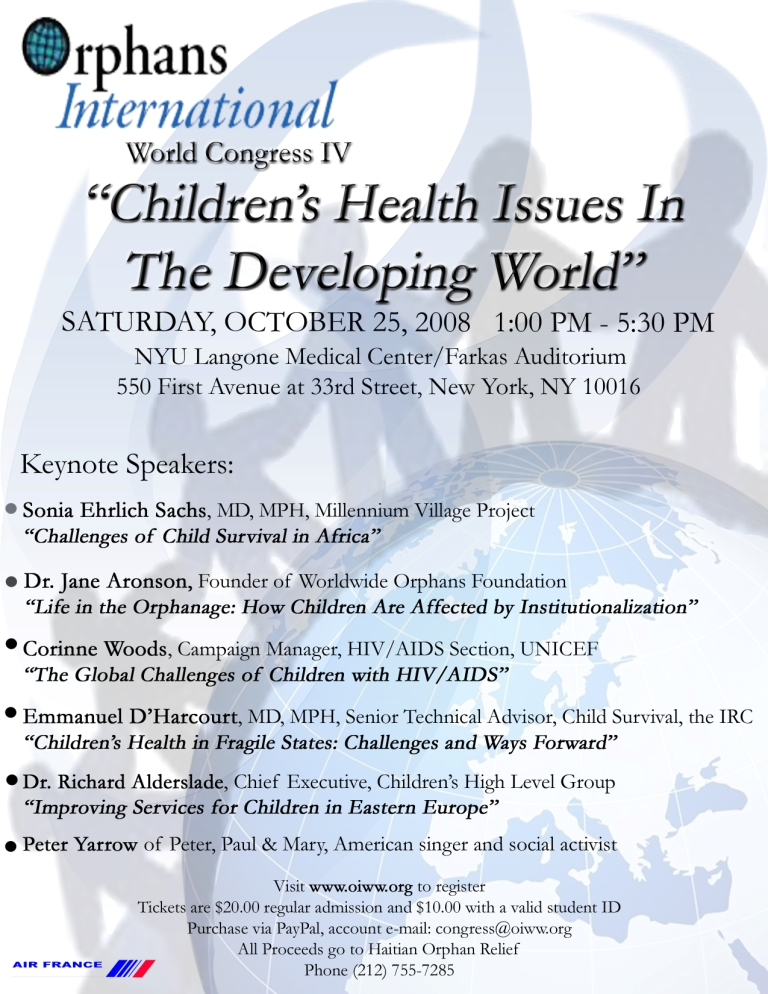
Orphans International World Congress IV

“Children’s Health Issues in the Developing World”
[draft]

Orphans International Worldwide

455 Main Street Suite #418

New York, NY 10044

212-755-7285

Email: congress@oiww.org

ORPHANS INTERNATIONAL TO HOLD WORLD CONGRESS IV:

CHILDREN’S HEALTH ISSUES IN THE DEVELOPING WORLD

New York, NY -- Orphans International Worldwide (OIWW), a Manhattan-based NGO, will be holding Orphans International World Congress IV: “Children’s Health Issues in the Developing World” on Saturday, October 25th, 2008. The fall conference will be held at the Farkas Auditorium of NYU School of Medicine, 550 First Avenue at 33rd Street, New York, NY 10016. The main event will be held from 1:00 to 4:00pm followed by an information session on OIWW from 4:00pm to 5:00pm. Tickets are $20.00 for general admission and $10.00 with a valid student ID. Purchase via PayPal, account email congress@oiww.org. For more information or to register for the conference, go to www.oiww.org, contact us by email at congress@oiww.org, or telephone at 212-755-7285. 
 
With the assistance of lifelong humanitarians and sociopolitical activists like Peter Yarrow, this conference will examine the issues surrounding the health of children in the developing world.  The overall goal of the conference is to educate and move attendees to action to meet the health needs of children globally. 
 
The Congress will produce “think tank-like” results which can be implemented at various OIWW projects where we are erecting health clinics to support our orphans. Our speakers are top professionals in the health sector who are concerned with the well-being of disadvantaged children.
 

The current list of keynote speakers includes:

  • Sonia Ehrlich Sachs, MD, MPH, Health Coordinator, Millennium Village Project ­­­

       “Challenges of Child Survival in Africa”

  • Dr. Jane Aronson, The ‘Orphan Doctor’ and Founder of Worldwide Orphans Foundation

       “Life in the Orphanage: How Children Are Affected by Institutionalization 

  • Corinne Woods,Campaign Manager, HIV/AIDS Section, UNICEF

       – “The Global Challenges of Children with HIV/AIDS”

  • Emmanuel d’Harcourt, MD, MPH, Senior Technical Advisor, Child Survival, The IRC

       “Children’s Health in Fragile States: Challenges and Ways Forward”

  • Dr. Richard Alderslade, Chief Executive, Children’s High Level Group

       – “Improving Services for Children in Eastern Europe

  • Peter Yarrow of Peter, Paul & Mary, renowned American singer and social activist

       – “Witnessing the Effects of Agent Orange on Vietnamese Children, Three Generations Later”

Orphans International Worldwide (OIWW) is a non-governmental organization associated with the U.N. Department of Public Information. It was founded by former investment banker Jim Luce in 1999 as a direct response to the dire circumstances facing orphaned children. OIWW has established a network of legal, locally incorporated projects to house and educate children orphaned and abandoned after the 2004 Tsunami in Sri Lanka and Indonesia, and Hurricane Jeanne in Haiti. In 2009 we will be caring for AIDS affected orphans in Moshi, Tanzania. Orphans International America is a New York state incorporated 501(c)(3) not-for-profit corporation.  

ALL PROCEEDS GO TO OI HAITI HURRICANE RELIEF

SPEECH: Ending Orphanages Globally – 10-25-08
OI Worldwide World Congress IV at N.Y.U. Medical School

Today, I am extraordinarily pleased to announce to this honored assembly – our Fourth World Congress, held at N.Y.U. Medical School – the expanded mission of Orphans International Worldwide: Ending Orphanages Globally.

But first, let me begin by thanking the many individuals who made today not only possible but outstanding:

  • Dr. Donald Hoskins, president of the Board of Directors of Orphans International America, and the cornerstone of our organization;
  • Today’s moderator, Dr. Harriet Katz, a friend and colleague, who moderated our last panel at the United Nations on Global Warming;
  • Dr. Sonia Ehrlich Sachs, whose work on the Millennium Village Project I have been following avidly for years and am honored to meet today;
  • Dr. Jane Aronson, America’s foremost expert on the conditions of adoptive children in the developing world, whom I met last summer;
  • Dr. Emmanuel d’Harcourt, from the International Rescue Committee, the important NGO that outfitted our health clinic in Indonesia after the Tsunami;
  • Both Dr. Richard Alderslade, Chief Executive of the Children’s High Level Group, and Dr. Corinne Woods, HIV/AIDS Section of UNICEF, whom I have just had the privilege of meeting today;
  • And my dear friend and mentor, Peter Yarrow, of Peter, Paul & Mary – famed singer and social activist – who will perform for us yet again on Dec. 1.

Certain OI volunteers also need to be acknowledged:

  • Linda Stanley, whose blood, sweat, tears – and laughter – seem to water the garden of our organization…
  • Gina Bermingham, OI senior intern to Tanzania, plus OI Senior Interns Roxanne Arthur, Kate Mooney, Lianne Zohn, and, finally,
  • Rex Belgarde, our senior intern whose extraordinary work building today’s Congress has earned him special recognition with Orphans International.

The mission of Orphans International Worldwide, which began as “Raising Global Citizens,” has been expanded with that vision through ten years of experience.  Today our mission statement has evolved into “Ending Orphanages Globally.”

In 1998, I began to dedicate my life and our organization to developing a small home alternative to traditional orphanage “warehouses,” huge facilities where staff rotate in shifts and children have no constant adult to bond with.  I dedicated myself fully to this cause when I left Wall Street after the Tsunami of 2004.

My adopted son Mathew – I met him in 1995 when he was ten months old – is sitting here with us today, now a teenager and a testimony that we can make a difference to the lives of children in the developing world.

Our children in Haiti and Indonesia, as well as Tanzania and Sri Lanka, are raised according to “Mathew’s Rule” – that we treat the children in our care the way in which we would treat our own children.  Since the beginning – at the end of the last century – we have been “Raising Global Citizens,” and Mathew is as global as they come.  Yet much has changed over the last thirteen years since I first met Mathew.

Now, with sixteen million AIDS orphans in Sub-Saharan Africa alone, and with a global economic meltdown bouncing from Indianapolis, Hamburg, and Singapore – to Indonesia, Haiti, and Sri Lanka.  My original model needs to be strengthened.

We cannot house all of the children orphaned by disease, disaster and economic collapse.  Yet we have come to realize that almost every orphan in the developing world can be housed through existing homes, through existing families.

I am excited at this moment in time to introduce Orphans International Family Care – providing the mechanisms needed to house orphans within their own extended families.  And as a result, I can announce an End to Orphanages Globally by 2050.

The OI Family Care Model, developed by a team led by Toni Cela, applies the simple concept of kinship care – supporting extended family members’ ability to provide temporary or permanent care for orphaned children.

According to the United Nations, UNICEF, and Save the Children:

  • The number of orphans worldwide is estimated at 210 million, rapidly increasing due to the AIDS epidemic, natural disasters, low world health standards, immense poverty, and food shortages made worse now by our global financial collapse.

Some countries are more in need than others.  Here are three that Orphans International are in:

Haiti is the poorest nation in the Western Hemisphere, resulting in severe impacts on child health and well-being.  Today, 70% of the Haitian population lives on less than $1 per day.

  • Daily food insecurity affects 40% of households.  One-fourth of all Haitian children suffer from malnutrition. 
  • In addition, 40% of the population has no access to basic healthcare. 
  • Per capita annual health spending – both public and private – averages $21, compared with an average of $281 for all of Latin America – less than 10%.

Indonesia faces even more economic and structural insecurity.  A tragic 52% of Indonesians live below the poverty line, on less than $2 per day.  The malnutrition rate is 28% for children under the age of five.

  • Nearly 25% of the population does not have access to safe drinking water.
  • Although nearly 95% of the school age population is enrolled in primary school that number plummets to just over 55% for secondary school enrollment.

Tanzania is ranked one of the world’s poorest countries.  Tanzania has one of the lowest rates of secondary school enrollment in the entire world. 

  • 85% of children are enrolled in primary school; however, 20% of these children drop out of primary school before graduation, and only 5% go on to secondary school.
  • Tanzania’s annual per capital income is $390.  With 40% of its people in Tanzania living in chronic food deficit regions due to irregular rainfall.  Of children under five years old, 38% are chronically malnourished.  Of the total population, 30% is malnourished.
  • Malaria is the leading killer of children in Tanzania.  The mortality rate for children under 5 years old is 118 for every 1,000 births.  The life expectancy for a child born in Tanzania today is 52 years.

These cold, abstract numbers hide unimaginable misery which only adds to the desperation of orphaned children in the developing world.

Orphans International is open today in Indonesia, Sri Lanka, Haiti, and Tanzania, beginning to move children into the homes of their own extended families. 

We are on the ground and ready to move forward in many other countries stretched across three continents: the Philippines in Asia & the Pacific, Ghana in West Africa, and the Dominican Republic in the Caribbean and South America.

Orphans International Family Care focuses on three primary objectives:

1) Education – providing for tuition, uniforms, and materials, as well as access to Internet-connected computer labs;

2)        Health Care – providing health clinic services on-site; and

3)        Nutrition – providing food assistance and nutritional education.

Research shows what your hearty already knows: that “kinship care,” OI Family-Care, results in better social, emotional, educational, and health outcomes for the child’s well-being than institutional care.  At our next Congress, medical, educational, and social professionals will elaborate on this.

The OI Family Care model, in contrast to institutional orphanages, strengthens the social and emotional network of the child by connecting him or her to family, friends, neighbors.  You will hear more at our next Convention,  from those with doctorates from Columbia, Harvard, and N.Y.U.

Orphans placed in kinship care – in OI Family Care – are also able to maintain their linguistic, cultural, religious, and family traditions.  The OI Family Care model also offers more security and stability for the child, and usually helps keep the child in their same community and school, requiring less government intervention.

I will save the science of kinship care for our next Congress.  It is enough to say: These relationships are conduits for the transmission of knowledge and culture.  They are essential to successful transition into independent living as an adult.

I dedicate myself and my organization to use these relationship to End Orphanages Globally.

This is an ambitious goal, yet I believe with all my heart it is achievable.  With your assistance — as interns, volunteers, committee members or chairs, Board members, staff, or colleagues — we can together END the sorry lot of the world’s “orphan warehouses.”  We can give each and every orphaned child back to a family who will raise them as we would raise our own – with hope and dignity and love.  Working together, we can make a place at the table for all the children of the world.

Sonia Ehrlich Sachs, MD, MPH Senior Health Scientist, The Earth Institute at Columbia UniversityChief Health Coordinator, Millennium Village Project Dr. Sonia Ehrlich Sachs is a public health specialist who practiced pediatrics and pediatric endocrinology for over two decades.  She joined the Earth Institute and became the health coordinator for the Millennium Villages Project in 2004. The Millennium Villages Project is proof of concept that extremely poor rural communities can reach the Millennium Development Goals given a science-based, community led approach of integrated interventions that increase food production and increase access to health care, education, water and infrastructure.  The goal is to show that such an integrated development approach is both scalable and sustainable. She will speak on “Challenges of Child Survival in Africa” a descriptive account of the holistic approach to children’s health as exemplified by the Millennium project in Africa.   Dr. Jane Aronson CEO and Founder of Worldwide Orphans FoundationAdoption Medicine Specialist, Pediatrician, and Infectious Diseases SpecialistInternational Pediatric Health Services, PLLC, New York Dr. Jane Aronson is a board certified general pediatrician and pediatric infectious diseases specialist working as an international adoption medicine specialist for eight years.  Since July 19, 2000, Dr. Aronson has been in private practice as Director of International Pediatric Health Services, in New York City which is exclusively for children adopted from abroad and domestically.  She is Clinical Assistant Professor of Pediatrics at the Weill Medical College of Cornell University and has evaluated well over 7,000 children adopted from abroad as an adoption medicine specialist.  Since 1997, she has conducted research and provided education in orphanages abroad through her 501(3)(c) foundation, Worldwide Orphans Foundation (WWO).  WWO documents the medical and developmental conditions of children living in orphanages abroad in order to identify their immediate healthcare needs and to advocate for their well-being through the Orphan Ranger Program.  She will speak on “Life in the Orphanage: How Children Are Affected by Institutionalization”, remarks will be confined to the orphan population and include a film presentation of the “Granny Programs” implemented by WWO in Bulgaria.   Emmanuel D’Harcourt, MD, MPH The International Rescue Committee The International Rescue Committee (IRC) founded in 1933 at the suggestion of Albert Einstein, is a non-governmental international relief and humanitarian aid organization based in the United States.  The IRC is a global leader in emergency relief, rehabilitation, protection of human rights, post-conflict development, resettlement services and advocacy for those uprooted or affected by conflict and oppression. At work in more than 25 countries, the IRC delivers a number of services, including: emergency response, health care, children and youth protection and development programs, water and sanitation systems, the establishment of schools, training of teachers, strengthening the capacity of local organizations and supporting civil society and good-governance initiatives. He will speak on “Children’s Health in Fragile States: Challenges and Ways Forward.” Peter Yarrow Renowned American Singer and Social ActivistFounder, Operation Respect Peter Yarrow is an American singer who found fame with the 1960’s folk music trio Peter, Paul & Mary.  His singing career began after graduating from Cornell University, in 1959.  Yarrow co-wrote the group’s most famous song, “Puff, the Magic Dragon.” Yarrow has appeared as a performer on 61 various albums. Peter Yarrow has done extensive work for social change, ranging from his vocal opposition to the Vietnam War to the creation of Operation Respect, which he founded in 2000.  On behalf of Operation Respect, Yarrow has appeared, pro bono, in areas as diverse as Hong Kong, Vietnam, Bermuda, Croatia, South Africa, Egypt, Argentina, and Canada.  In 2003, a Congressional resolution recognized Yarrow’s achievements and those of Operation Respect.  In August of 2006, he met with representatives of 35 organizations, including the League of Cities, the Academy of Education, Americans for the Arts, and Newspapers in Education, to unite them in a commitment to “…shifting the American educational paradigm, to educating the whole child, not just in academics, but in character, heart, social-emotional development.”   Dr. Richard Alderslade Former Senior External Relations Officer, World Health Organization (WHO)Chief Executive, The Children’s High Level Group Richard Alderslade has worked for twenty-five years in public health, national and local health administration, research and higher education in the United Kingdom, and for ten years in humanitarian and development international health.  He holds the degrees of MA.  BM.  BCh.  (Oxon) and is a Fellow of the Royal College of Physicians of London (FRCP) and the Faculty of Public Health (FFPH), both in the United Kingdom. He will speak on “Improving Services for Children in Eastern Europe”, a subject which he tackles daily as the current Chief Officer of the Children’s High Level Group, an NGO based in London concerned with improving arrangements for child health, education, welfare and protection services across Europe.  Dr. Alderslade has worked internationally for eight years in humanitarian public health work with the World Health Organization’s Regional Office for Europe, including five years managing all the Office’s humanitarian programs within the Region.  Latterly he worked for eighteen months with the European Union and the United Kingdom Department for International Development in Romania, acting as Adviser to the Romanian Prime Minister’s on the development of child health, welfare and protection services in Romania.   Corinne Woods Campaign Manager, HIV/AIDS Section, UNICEF She is currently the Campaign Manager in the HIV and AIDS Section of the Programme Division at UNICEF in New York.  She will speak on “The Global Challenges of Children with HIV/AIDS” reflecting on over 10yrs of experience managing activities related to accelerating UNICEF’s response to the HIV and AIDS pandemic focused on prevention of mother to child transmission of HIV, pediatric HIV treatment, prevention of HIV among adolescents as well as care and support for children orphaned or made vulnerable as a result of HIV/AIDS.

Orphans International World Congress IV (2008)
Rear Admiral Andrew Hull Foote

0

Andrew Hull Foote (1806-63) was an American naval officer who was noted for his service in the American Civil War and also for his contributions to several naval reforms in the years prior to the war. When the war came, he was appointed to command of the Western Gunboat Flotilla, predecessor of the Mississippi River Squadron.

He was born in New Haven, Connecticut, died in New York City, and was taken home form buriWikipedia

Born: September 12, 1806, New Haven, CT

Died: June 26, 1863 (age 56 years), New York, NY

Education: United States Military Academy, Cheshire Academy

Place of burial: Grove St Cemetery, New Haven, CT

Parents: Samuel Augustus Foot

Rank: Rear admiral

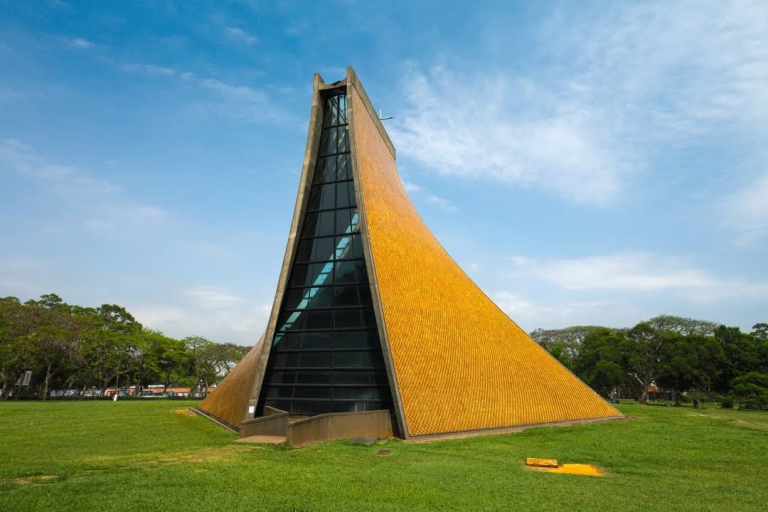
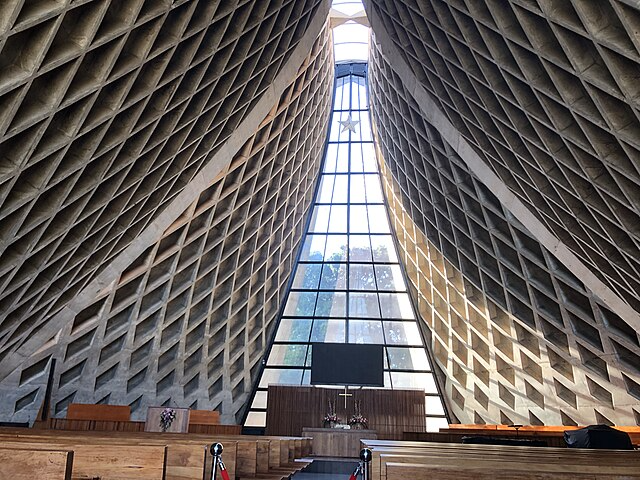
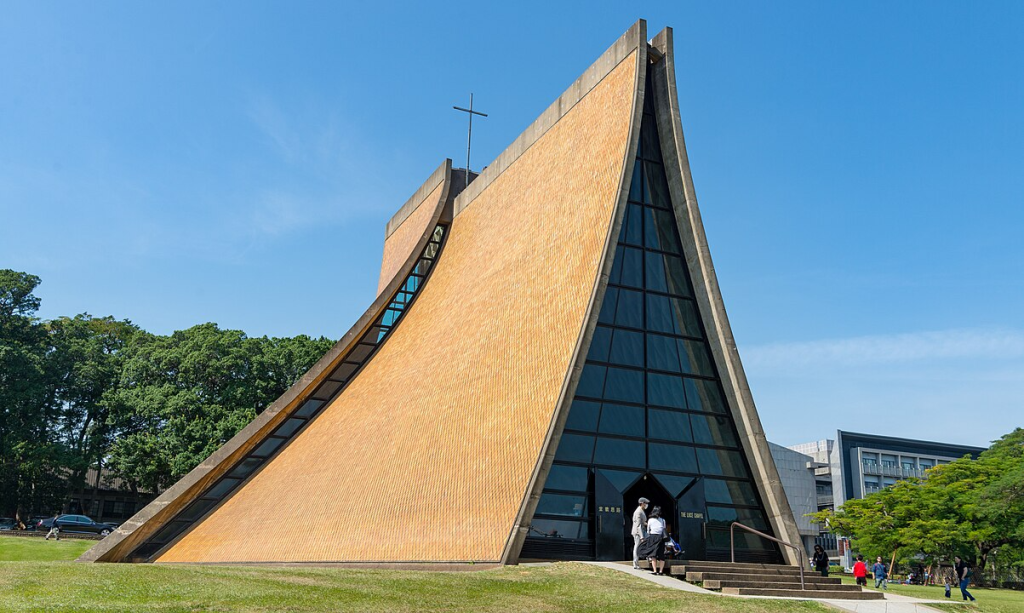
I.M. Pei’s Luce Memorial Church at Tunghai University in Taiwan

Luce Memorial Church Taiwan

The Luce Memorial Chapel is a Christian chapel on the campus of Tunghai University in Xitun District, Taichung, Taiwan. It was designed by architects I. M. Pei and Chi-kuan Chen.

Video: Before God & Buddha – Faux Film Trailer for Our Anniversary

New York, N.Y. I created this one minute short, Before God & Buddha, a faux film trailer, in celebration of our third anniversary tomorrow (5/19/18). The title is taken from our wedding vows. We were married in Las Vegas after having gotten engaged on Roosevelt Island (8/24/17). I am happy to report that I am more and more today when I was three years ago…

Video: Before God & Buddha – Faux Film Trailer for Our Anniversary (5/19/18)

#Love #GayMarriage #Marriage #Anniversary #LGBTQ #LasVegas #RooseveltIsland #NYC #Family #LoveIsLove #GayWedding #Gay #Pride #LoveWins #GayCouple #TwoGrooms #GayFamily #Rainbow #GayHusbands #Thailand #Husbands #iMovie #Happy #WeddingAnniversary #Anniversary #GayLove #GayCouple #GayAnniversary #Happiness #ILoveYou #Husband #MarriedLife #JimLuce #BixLuce #Romantic #Romance #Romantical #CoupleGoals #Lovers #LoveStory #LoveWins #Family #Forever #Match #AgeDisparity #Sexy #Intergenerational #AgeGap #OlderMen #InternationalMarriage #InterGenerationalMarriage #InterfaithMarriage #GayBuddhist

Video: Meet Hector Liang, Luce Young Global Leader from Venezuela

This Young Global Leader went from Borough of Manhattan Community College (BMCC) to Columbia University in New York City.

New York, N.Y. This Young Global Leader went from Borough of Manhattan Community College (BMCC) to Columbia University in New York City.

Video: Meet Hector Liang, Luce Young Global Leader from Venezuela (May 18, 2018).
See YouTube: https://youtu.be/qMsEtDnN6Sc

Video: Haiti – Walk Through Ecole la Redemption, Léogâne

Ecole Primeraire la Redemption is the three-story school in Léogâne which miraculously withstood the January 12 earthquake.

Haiti: Walk Through Ecole la Redemption, Léogâne.

Léogâne, Haiti. Ecole Primeraire la Redemption is the three-story school which miraculously withstood the January 12 earthquake in Léogâne, Haiti. This is where Orphans International Worldwide (orphansinternational.org) and our NGO partners are locating our efforts and resources to do our part in the reconstruction of post-earthquake Haiti.

We are also partnered with the Nouveu College Surin Eveillard Secondary School (high schools in Haiti are referred to as “college”).

Emphasis is on helping to decentralize Haiti, building opportunities for people to leave the nation’s overcrowded capital Port-au-Prince.

Video: Haiti – Walk Through Ecole la Redemption, Léogâne (May 18, 2018). See YouTube: https://youtu.be/yTTIw8zHnWk

Salman Rushdie

xxx

Follow Jim Luce on Facebook, Instagram, LinkedIn, TikTok, and X (Twitter).


© 2024 The Stewardship Report on Connecting Goodness – Towards Global Citizenship is published by The James Jay Dudley Luce Foundation Supporting & Educating Young Global Leaders is affiliated with Orphans International Worldwide, Raising Global Citizens. If supporting youth is important to you, subscribe to J. Luce Foundation updates here.

Video: Introduction to Orphans International Indonesia

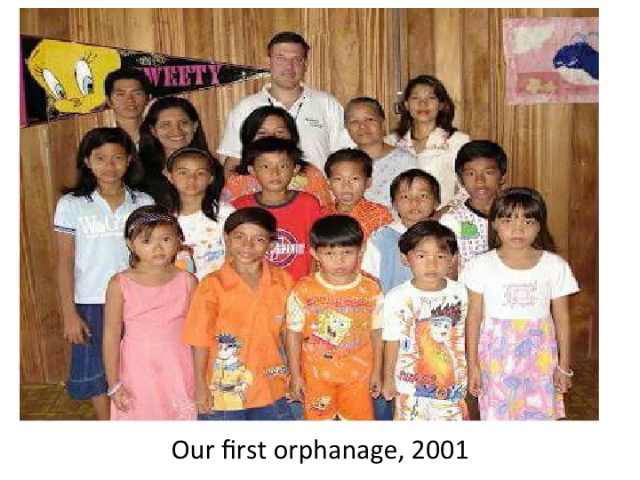
The first children of Orphans International were housed in a home in Manado, North Sulawesi in 2001 – eight of whom were raised from infancy through recent graduation from Polytechnic University Manado in 2017.

The first children of Orphans International were housed in a home in Manado, North Sulawesi in 2001.

New York, N.Y. The first children of Orphans International were housed in a home in Manado, North Sulawesi in 2001 – eight of whom were raised from infancy through recent graduation from Polytechnic University Manado in 2017. When the Tsunami hit Indonesia in 2005, our staff was on the ground in Banda Aceh housing displaced children for three years for which we received Commendation from the Ministry of Social Affairs of the Republic of Indonesia. The first World Congress of Orphans International was held in Bali in 2004.

Video: Introduction to Orphans International Indonesia (March 1, 2018)

Video: Interview with Jim Luce in Athens, Greece

Luce Leadership Experience Hellas 2017

Interview with Jim Luce in Athens, Greece (Jan. 24, 2018). YouTube: https://youtu.be/Ct9JriCsZv0

Interview with Jim Luce in Athens, Greece (Jan. 24, 2018). YouTube: https://youtu.be/Ct9JriCsZv0

Video: Jim Luce on Foundation Leadership Experience Greece 2017

0

Video: J. Luce Foundation Leadership Experience Greece 2017 (Jan. 24, 2018). YouTube: https://youtu.be/fv9GcFCv-f0

Video: Jim Luce on Foundation Leadership Experience Greece 2017 (Jan. 24, 2018). YouTube: https://youtu.be/fv9GcFCv-f0

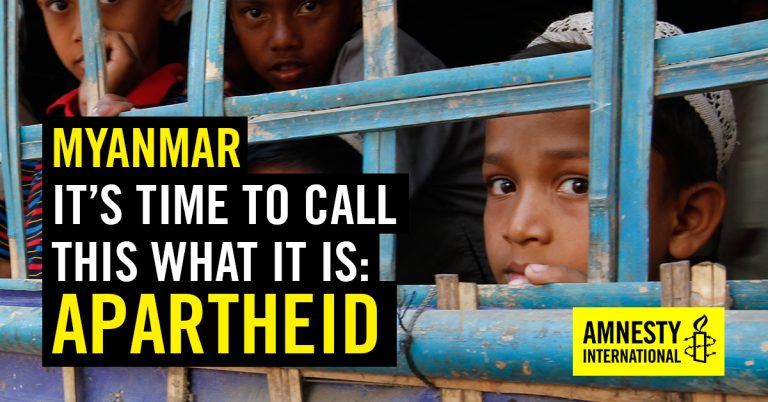
“Caged without a roof”: Apartheid in Myanmar’s Rakhine State


Since August (2017), Myanmar’s security forces have waged a devastating campaign of violence against the Rohingya minority in Rakhine State.

Amnesty International Reports


An unknown number have been killed, women and girls have been raped, at times in front of their families, and entire villages have been burnt to the ground. As a result, more than 600,000 Rohingya have fled into neighboring Bangladesh.

Amnesty International researchers have carried out a two year investigation into the root causes of these appalling events. Their work reveals how Myanmar’s authorities have confined the Rohingya to what is effectively an open-air prison through a vicious system of institutionalized discrimination and segregation that severely restricts their human rights. It’s a system that affects their freedom of movement, their ability to access adequate food and healthcare, and their right to an education.

Amnesty International concluded that this treatment amounts to apartheid.

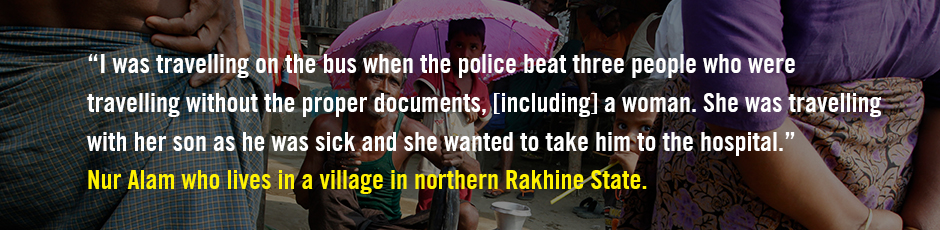
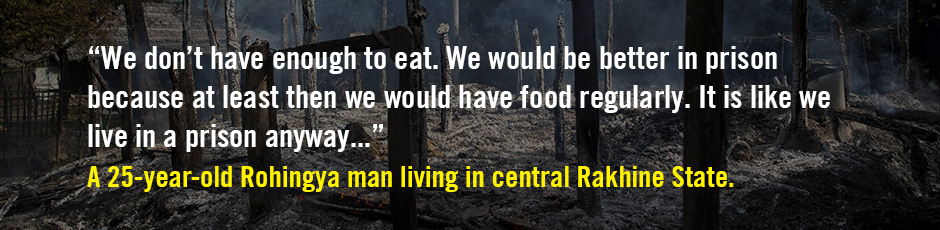
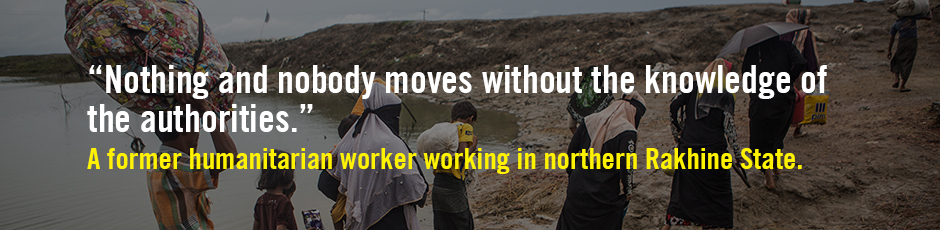
WE DON’T HAVE ACCESS TO HEALTHCARE, TO EDUCATION, THERE ARE RESTRICTIONS ON TRAVELLING…IT’S LIKE BEING CAGED WITHOUT A ROOF. – A 34 year old Rohingya man

What is apartheid?

“We are extricating ourselves from a system that insulted our common humanity by dividing us from one another on the basis of race and setting us against each other as oppressed and oppressor. That system committed a crime against humanity.”                          Nelson Mandela, 1998

Apartheid is a crime against humanity. It is conduct imposing and maintaining a regime of systematic oppression and domination by one racial group over another within a country. 

It’s a system that’s upheld by legislative and administrative measures, policies and practices all designed to isolate a racial group – in this case the Rohingya – to deny their human rights and to stop them from participating in the political, social and economic life of a country. In practice, acts of open violence such as rape, torture and unlawful killings have also been used as tools of oppression and domination.

An open air prison

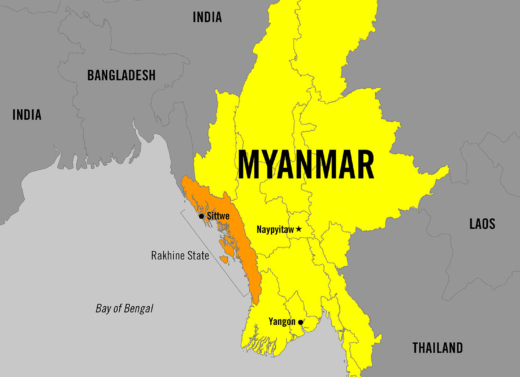
Rakhine state is in the west of Myanmar bordering Bangladesh. It is home to a diverse range of people, though the majority of the population is predominantly Buddhist ethnic Rakhine. However, its mainly Muslim ethnic minority, the Rohingya, are confined to their villages, townships and squalid displacement camps – effectively sealed off from the rest of the State and of Myanmar.

In the northern townships where most Rohingya lived until the recent exodus, travel between villages is heavily restricted, while in some areas of the central part of the region, travel is only possible via waterways, and even then, only to other Muslim villages.

Official regulations mean Rohingya must undergo a complicated process to obtain permits if they want to move between townships.

In practice, only Rohingyas living in the northern townships of Maungdaw and Buthidaung have been able to do this in recent years, and then only from one to the other. Those that do obtain a permit to travel encounter regular security forces checkpoints where they are routinely harassed, forced to pay bribes, and may be physically assaulted or arrested.

Denied access to medical care

Authorities have severely restricted Rohingya from accessing the state hospital in Sittwe.

Only in the most serious of cases will Rohingya patients be accepted, and even then, only after special permission has been given by the Rakhine State authorities and the sick must travel with a security escort.

Once admitted, they are placed in separate “Muslim wards” and are vulnerable to extortion and other “fees” from police and hospital porters.

A hopeless future

Educational opportunities for the Rohingya are extremely limited.

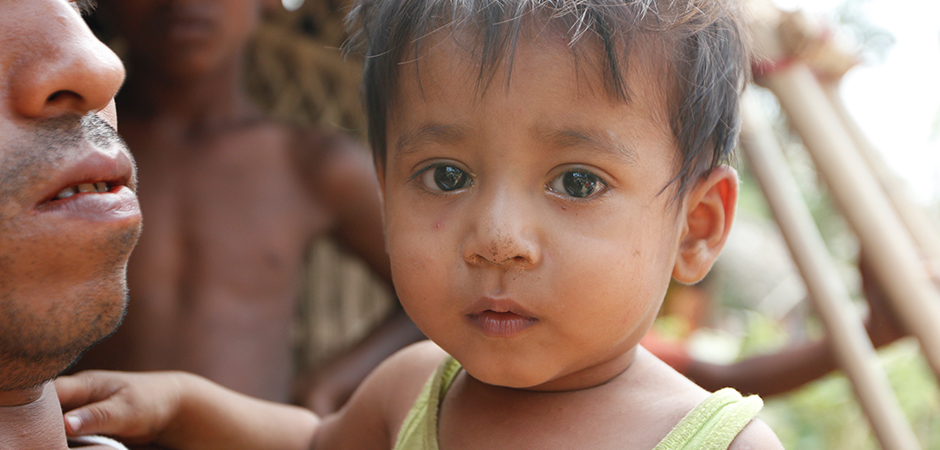
Across much of the region, Rohingya children are no longer allowed to attend schools they previously went to alongside their Rakhine peers. In many areas government teachers have refused to come to schools in Muslim villages and village tracts, citing fears for their safety. 

For most Rohingya students, going to university is an almost impossible dream.

Faced with such dim prospects, young Rohingya look to the future with a sense of despair and hopelessness.

Depriving identities

Myanmar’s authorities have used legal means to take away the rights and status of Rohingya for decades. In 1982, a law was passed which allowed the authorities to deny Rohingya citizenship rights

In recent years, the authorities have gone further still.  

It’s now very difficult to register newborn Rohingya babies even on “household lists” – often the only way for families to prove their residence in Myanmar.

In northern Rakhine State, anyone not home during annual “household inspections” runs the risk of being deleted from official records.

These measures are all part of a wider effort to make the lives of the Rohingya in Myanmar as hopeless and humiliating as possible. 

Originally published by Amnesty International, Nov. 21, 2017. All Rights Reserved copyright 2024 Amnesty International.

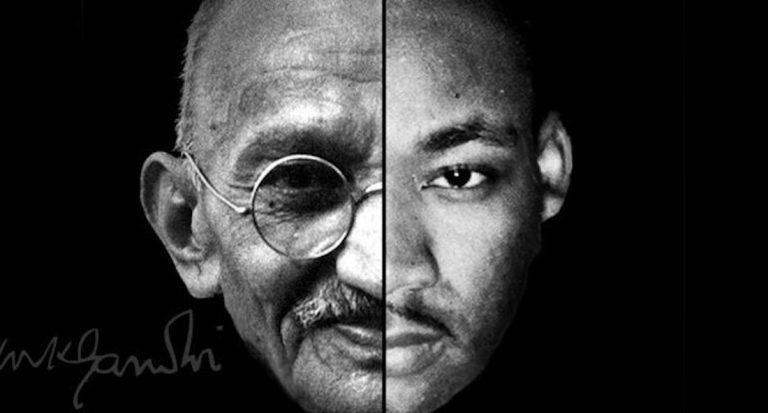
Gandhi and King – A Comparison of Leadership


The ultimate measure of a man is not where he stands in moments of comfort and convenience, but where he stands at times of challenge and controversy. – Martin Luther King, Jr.


Darkness cannot be defeated by darkness
Darkness can only be defeated by light
Similarly, hate cannot be defeated by hate
It can only be defeated by love.
– Mahatma Gandhi


By Sanjay Chaturvedi.

On the occasion of the birth date of Mahatma Gandhi, I am reproducing an essay I wrote in 2002, comparing two of the greatest figures of the 20th century.

Throughout history, human rights violations have plagued our earth. From the persecution of Christians in the Roman Empire to the genocide in Rwanda, diverse peoples have struggled to survive in a world often filled with fear and hatred. In the early 20th century, India was not at peace. Since the 18th century, India had been a colony of British rule, afflicted with unfair foreign laws and Anglo-Saxon traditions. Gandhi taught his followers to search for their inner strength through a higher moral conscience than that of their oppressors. Gandhi was a compassionate peace hero who led the Indian people on a remarkable journey for peace, civil rights and freedom.

Dr. Martin Luther King, Jr. led a heroic mission to educate, awaken and revolutionize the American people to fight the injustices inflicted upon African Americans. Like Gandhi, he fought the injustices with love, respect, and non-violent protest. Besides common personal feelings about right and wrong , a common influence in the lives of both Dr. King and Gandhi was Thoreau’s Essay on Civil Disobedience. The civil rights movement led by Martin Luther King Jr. in the 1950s and ’60s was the embodiment of Gandhi’s ideas of nonviolent protest. Both Gandhi and Dr. King have been idolized world wide as the first leaders of mass non violent movements in India and America, respectively. Their ability to lead the masses through unproven paths offers lessons relevant even today and it is worthwhile to examine their leadership qualities.  

Personal Backgrounds

Gandhi also known as Mahatma Gandhi, was born in Porbandar in the present state of Gujarat on October 2, 1869, and educated in law at University College, London. Gandhi was the fourth child from the fourth wife of his father who had less than grade 3 education and his mother was illiterate. Gandhi was married at age 13 and had fathered a son by age 16. He was too shy to participate in any extra-curricular activity and had not read a newspaper until he was 18. In fact he did not show any sign of leadership up to the age of 23. In 1891, after having been admitted to the British bar, Gandhi returned to India and attempted to establish a law practice in Bombay, with little success. Two years later an Indian firm with interests in South Africa retained him as legal adviser in its office in Durban. Arriving in Durban, Gandhi found himself treated as a member of an inferior race. He was appalled at the widespread denial of civil liberties and political rights to Indian immigrants to South Africa. He threw himself into the struggle for elementary rights for Indians. And then, slowly but steadily, he rose to become one of the greatest leaders that this world has ever seen. Gandhi was assassinated on January 30, 1948.

Slaves were brought to America by Kings and a King was destined to empower former slaves. This King (Dr. Martin Luther King, Jr.) was born on January 15, 1929 in Atlanta, Georgia. Both his father and grandfather were Baptist preachers who had been actively involved in the civil rights movement. King graduated from Morehouse College in 1948. After considering careers in medicine and law, he entered the ministry. King earned his own Bachelor of Divinity degree from Crozier Theological Seminary in 1951 and earned his Doctor of Philosophy from Boston University in 1955. While at seminary King became acquainted with Mohandas Gandhi‘s philosophy of nonviolent social protest. After his marriage to Coretta Scott, King became pastor of the Dexter Avenue Baptist Church in Montgomery, Alabama. King was an eloquent Baptist minister and leader of the civil-rights movement in America from the Mid-1950s until his death by assassination in 1968. King promoted non-violent means to achieve civil-rights reform and was awarded the 1964 Nobel Peace Prize for his efforts.

Challenges Faced and Actions Taken

Gandhi was a lawyer, on a business trip to South Africa and he was greeted with prejudice and discrimination against the fellow Indians living there. What was supposed to be a trip, ended up being a 21 year stay as he began to work towards a cause he believed in, human rights. He launched a newspaper titled, “Indian Opinion” that was published weekly. Gandhi threatened the South African Government during the first and second decades of the 20th century as no other man did. He established the first anti-colonial political organization in the country, if not in the world, founding the Natal Indian Congress in 1894.  It was there that he developed his creed of passive resistance against injustice, satyagraha, meaning truth force, and was frequently jailed as a result of the protests that he led.  The protest reached its climax in 1913 with the epic march of 5,000 workers indentured on the coal mines of Natal. Before Gandhi returned to India with his wife and children in 1915, he had radically changed the lives of Indians living in Southern Africa.

At the age of 60, on March 12, 1930, Gandhi and seventy-eight men and women challenged the injustice of Indian discrimination by completing a two hundred mile march to the seacoast. The British had a monopoly on salt manufacturing and Indians were forbidden to extract salt from the water. This event led to a nationwide boycotting of British goods and services. His teachings of non-violent resistance were very successful, for many protesters never lifted an arm to those who ruthlessly attacked their bodies. When Gandhi called for a total suspension of economic activity, to demonstrate the Indians’ demands for respect of their rights, a British General retaliated with the killing of 379 Indians at a peaceful protest. Yet Gandhi would not seek peace at the expense of blood drenching. 

When Gandhi assumed India’s leadership, the average life span of an Indian woman was only 27 years. Babies and the pregnant women ran a high risk of dying young. Child marriage was very common and widows were in very large number. Only 2% of the women had any kind of education and women did not have an identity of their own. In North India, they practiced the Purda (veil) system. Women could not go out of the house unless accompanied by men and the face covered with cloth. The fortunate ones who could go to school had to commute in covered carts (tangas). It is in this context that we have to recognize the accomplishment of Gandhi’s leadership. Gandhi claimed that a woman is completely equal to a man and practiced it in strict sense thus empowering many women to take part in public activities. Thousands and millions of women, educated and illiterate, house wives and widows, students and elderly participated in the India’s freedom movement because his influence. Gandhi faced with the daunting task of organizing a society divided on caste, religion, region and language into one political force. This required uniting all various fractions for a common cause and Gandhi’s view that all men are equal echoed with the masses. He declared untouchability to be a crime against humanity. In a nation engulfed by religious divisions and political persecution, Gandhi welcomed all into his heart. This was a calculated risk for there existed the possibility for Gandhi to lose the support of traditional upper caste men. 

Gandhi never left any public gathering without raising some money for one of his projects. He asked everyone to donate some amount, any amount. He urged women to part with some of the jewelry that they were wearing and he asked the men to donate their shirt-buttons, cuff links, pens or anything that they possessed which was not a basic need. Gandhi would then auction every item, including the gifts or souvenirs that he himself had received. The entire fund so raised would then go to the buying of cotton for weaving clothes for the poor or for supporting one of the projects in a nearby village. Since the items touched by Gandhi, and auctioned by Gandhi himself, fetched high values, Gandhi soon became famous as an extraordinary auctioneer and this funded the social reform and freedom campaigns.

Dr. King’s involvement with the civil rights movement began with the arrest of Mrs. Rosa Parks on December 1st , 1955. Mrs. Parks, a African-American seamstress on her way home from work, was arrested for not giving a white bus rider her seat. Mrs. Parks was not the first African-American to be arrested for this “crime”, but she was well known in the Montgomery African-American community. On the same day, Dr. King was named the president of the Montgomery Improvement Association (MIA) by leaders in the black community. He led the African-American residents of the city to a non violent boycott of the bus company by walking and driving instead. The United States Supreme Court ended the boycott, which lasted 381 days, by declaring that Alabama’s state and local laws requiring segregation on buses were illegal. The boycott was a resounding success and Dr. King’s peaceful leadership had brought about a huge social change.

In January 1957 the Southern Christian Leadership Conference (SCLSC) was formed with Dr. King as their president. The following May 17, Dr. King lead a mass march of 37,000 people to the front of the Lincoln Memorial in Washington, DC. Dr. King had become the undisputed leader of the civil rights movement. Partly in response to the march, on September 9, 1957, the US Congress created the Civil Rights Commission and the Civil Rights Division of the Department of Justice, an official body with the authority to investigate voting irregularities. Dr. King and the SCLC organized drives for African-American voter registration, desegregation, and better education and housing throughout the South.

After his return to America from a visit to India, Dr. King returned home to Atlanta, Ga. where he shared the ministerial duties of the Ebenezer Baptist Church with his father. The move also brought Dr. King closer to the center of the growing civil rights movement. In January 1963 Dr. King announced he and the Freedom Fighters would go to Birmingham to fight the segregation laws. An injunction was issued forbidding any demonstrations and Dr. King and the others were arrested. Upon his release there were more peaceful demonstrations. The police retaliated with water hoses, tear gas and dogs. All this happened in the presence of television news cameras. It would be the first time the world would see the brutality that the southern African-Americans endured. The news coverage would help bring about changes as many Americans were disgusted and ashamed by the cruelty and hatred. Continuing the fight for civil rights and to celebrate the 100th anniversary of the Emancipation Proclamation, on August 28, 1963, 200,000 people gathered in the front to the Lincoln Memorial. It was a peaceful protest, made up of African-Americans and whites, young and old. This is where Dr. King delivered his famous “I have a dream” speech.

In the winter of 1965 Dr. King led a march from Selma, Alabama to the state capital in Montgomery to demand voting reforms. 600 marchers would begin the march but after 6 blocks the marchers were met by a wall of state troupers. When the troopers with clubs, whips and tear gas advanced on the marchers it was described “as a battle zone.”  The marchers were driven back while on the sidewalks whites cheered. 2 ministers, 1 white and 1 African-American, were killed and over 70 were injured with 17 hospitalized. It was the most violent confrontation Dr. King had experienced. A court order overturning the injunction against the march was issued and the marchers were allowed to proceed. When they arrived in Montgomery the marchers were greeted by 25,00 supporters singing ‘We Shall Overcome.” On August 6, 1965 a voting rights bill was passed allowing African-Americans to vote.

Personal Qualities, decisions and behaviors accounting for success or failures

Both Gandhi and Dr. King undoubtedly recognized that charisma was one of many leadership qualities at their disposal, but they also recognized that charisma was not a sufficient basis for leadership in a modern political movement enlisting numerous self-reliant leaders. Moreover, they both rejected aspects of the charismatic model that conflicted with their sense of their own limitations. Rather than exhibiting unwavering confidence in their power and wisdom, Gandhi and King were leaders full of self-doubts, keenly aware of their own limitations and human weaknesses. King was at times reluctant to take on the responsibilities suddenly and unexpectedly thrust upon him. During the Montgomery bus boycott, for example, when he worried about threats to his life and to the lives of his wife and child, he was overcome with fear rather than confident and secure in his leadership role. He was able to carry on only after acquiring an enduring understanding of his dependence on a personal God who promised never to leave him alone. Once upon his arrest, Gandhi was faced with the moral dilemma of whether to pay the fine and assist his wife, who was sick or stay in prison. Ultimately, he chose to stay in prison and labeled this as one of the toughest decisions of his life.

However, their charisma did not place them above criticism. They both had their share of detractors and non-believers. Instead of viewing himself as the embodiment of widely held Afro-American racial values, King willingly risked his popularity among blacks through his steadfast advocacy of nonviolent strategies to achieve radical social change. This created a friction between him and other more extremist black leaders such Malcom X. Gandhi too was always at odds with the more extremist freedom fighters (such as Bhagat Singh) who were more than willing to adopt violent means to freedom. Interestingly, both King and Gandhi shied from a public debate with the more extreme detractors and never publicly denounced them. Ironically, when Bhagat Singh was executed by the British in 1931, Gandhi paid tribute to the patriotism of the young martyr while disagreeing with his revolutionary methods.    

Gandhi and King were undoubtedly progressive leaders of their times. They believed in the equality of all men and women and welcomed people from all backgrounds into their peaceful movements. Gandhi personally exemplified the concept of ‘equality’ and ‘work pride’ by cleaning his toilet everyday (traditionally a role for the lower castes).  Dr. King readily included women into the ranks of his lieutenants but was not very successful at attracting non black members into his organization. They both effectively managed large organizations through careful delegation of responsibility. However a key difference between them was that Dr. King would reprimand his juniors for an ill performed task whereas Gandhi never admonished his colleagues.  

Gandhi was a warrior who disavowed violence. He was a leader who never held high office. He was a politician who kept a deep moral code. He was a preacher of love who shunned sex. His life was remarkably multi-faceted. Trained as a lawyer in Britain, he later renounced materialism and wore the garb of an Indian peasant. He preached like a charismatic saint and negotiated like a shrewd tactician. And despite a following of millions, he never hesitated to act alone, even if it meant the ultimate sacrifice, as with his famed “fasts unto death”. King too made several personal sacrifices and often led by example. King did not completely renounce materialism as Gandhi but he did lower his material needs. He divided the Nobel prize money, $54,000, among various civil rights organizations.  

King’s success as a leader was based partially on his intellectual and moral cogency and his skill as a conciliator among movement activists who refused to be simply King’s “followers” or “lieutenants.”  The success of the black movement required the mobilization of black communities as well as the transformation of attitudes in the surrounding society, and King’s wide range of skills and attributes prepared him to meet the internal as well as the external demands of the movement. King understood the black world from a privileged position, having grown up in a stable family within a major black urban community; yet he also learned how to speak persuasively to the surrounding white world. Alone among the major civil rights leaders of his time, King could not only articulate black concerns to white audiences, but could also mobilize blacks through his day-to-day involvement in black community institutions and through his access to the regional institutional network of the black church. His advocacy of nonviolent activism gave the black movement invaluable positive press coverage, but his effectiveness as a protest leader derived mainly from his ability to mobilize black community resources.

While King was well known for his almost theatrical oratorical skills, Gandhi was not an exemplary public speaker (spoke in monotone). He often relied on the oratorical skills of his lieutenants such as Nehru and Patel. But what is common in both King and Gandhi is that they were both supremely confident about their mission and were able to clearly communicate this to the followers. This translated into confident followers.

Gandhi’s complete rejection of technology has remained an enigma. It is strange than a man open to novel ideas about society would completely reject technology as an opportunity to improve the living standards of the same society. Gandhi’s brand of “small is beautiful” economics, for example, died even before he did. His plan for a village-based cooperative economy quickly went by the wayside in 1947 as the leadership of the newly independent nation endorsed the centralized, urban industrial economy it still pursues today.

The doctrine of nonviolence as preached by Gandhi and King has not fared very well in the modern world. Today, we live in a violent world with more weapons of mass destruction than these leaders would ever have imagined. United States has the world’s largest stockpile of nuclear arsenal and India too has joined the race. Maybe, both Gandhi and King overestimated the humane qualities of the social animal (Homo Sapiens). 

Both Gandhi and Martin Luther King agreed that nonviolence succeeds by transforming the relationship between antagonists and that it’s strength lies in the individual’s commitment to truth and justice. Yet Gandhi seems to emphasize a need for personal suffering in the practice of nonviolence, a posture that is somewhat less militant than King’s call to self-sacrifice. And there is a similar difference between Gandhi’s belief that nonviolence achieves its goals through patience and non-cooperation and King’s belief that it takes “creative tension” and a degree of confrontation to accomplish change. Both Gandhi and King proved their ideas in practice by leading nonviolent social revolutions that shattered the law of oppression in their countries.

While Gandhi and King were great leaders of their times, I would add that the notion that appearances by Great Men (or Great Women) are necessary preconditions for the emergence of major movements for social changes reflects a pessimistic view of the possibilities for future social change. Waiting for the Messiah is a human weakness that is unlikely to be rewarded more than once in a millennium. Gandhi and King were certainly not the only significant leaders of the civil rights movement in their time and examination of their lives offers support for an alternative optimistic belief that ordinary people can collectively improve their lives. Without undermining the efforts of these great leaders, I would argue that there exists tremendous capacity of social movements to transform participants for the better and to create leaders worthy of their followers.

All Things Beautiful: Cultural & Charitable

0

By Jill Lynne, Writer Photographer Creator
[Text & All Photographs © Jill Lynne 2017]

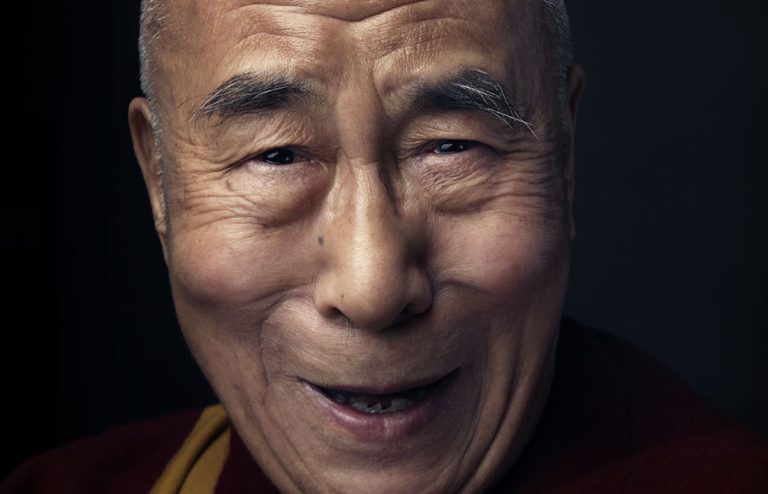
His Holiness, The14th Dali Lama’s 82nd Birthday Celebration, HBOs “Brillo Box…”, Sheila Nevin’s “You Don’t Look Your Age…and Other Fairy Tales”, Judith Leiber at MAD (the Museum of Art & Design), Oprah & “Super Soul Sundays)…

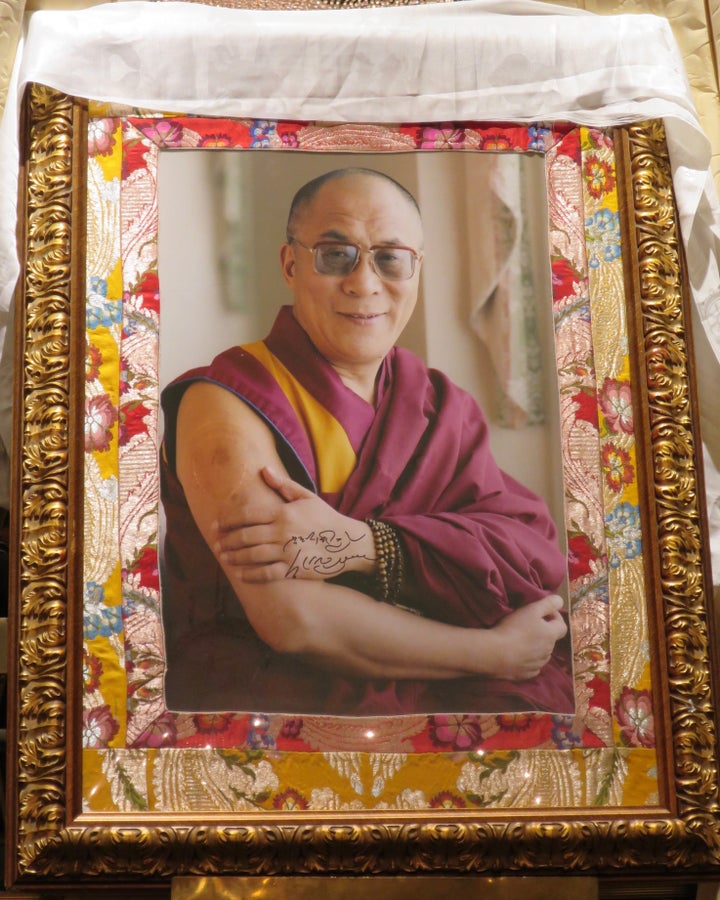
New York, N.Y. In our troubled world, His Holiness the 14th Dali Lama’s message of World Peace through Love and Compassion is perhaps more relevant than ever… And so I was delighted to be included in several of the major Birthday celebrations for his 82nd Birthday.

Having been blessed by his Holiness on three occasions – when he first arrived in NYC and spoke at the Cathedral of Saint John the Divine – invited by the great, late Bishop Paul Moore and the Very Reverend James Parks Morton – then at a small private dinner where I was a guest of Mary and Peter Max, and at a third small event.

On most nights, I sleep beneath the white silk scarf His Holiness blessed for me…

The Very Reverend James Parks Morton Receiving the World Peace Through Compassion Award, with Celebrants.

His Holiness The 14th Dali Lama

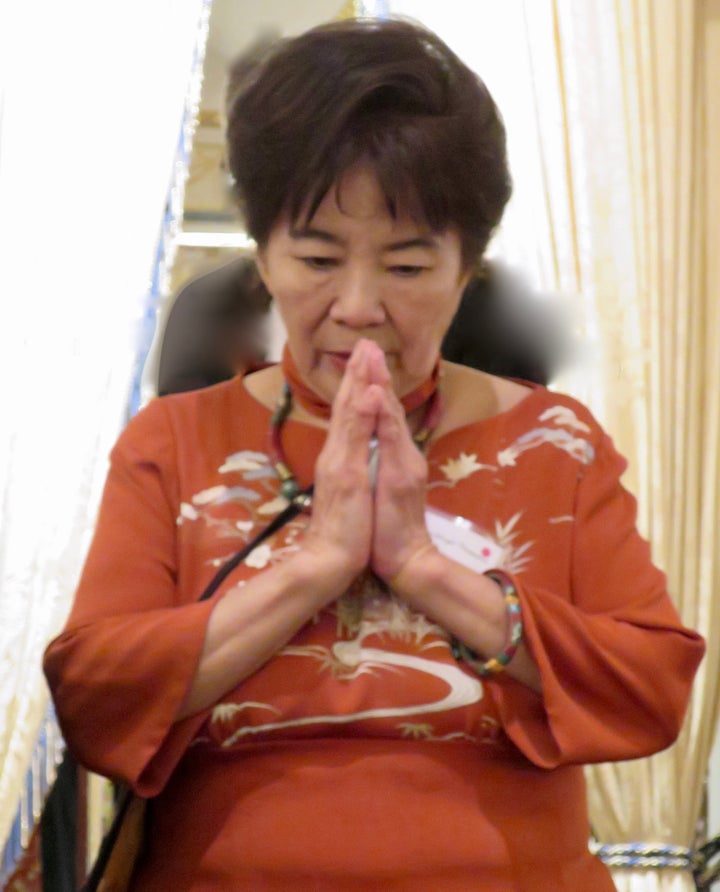
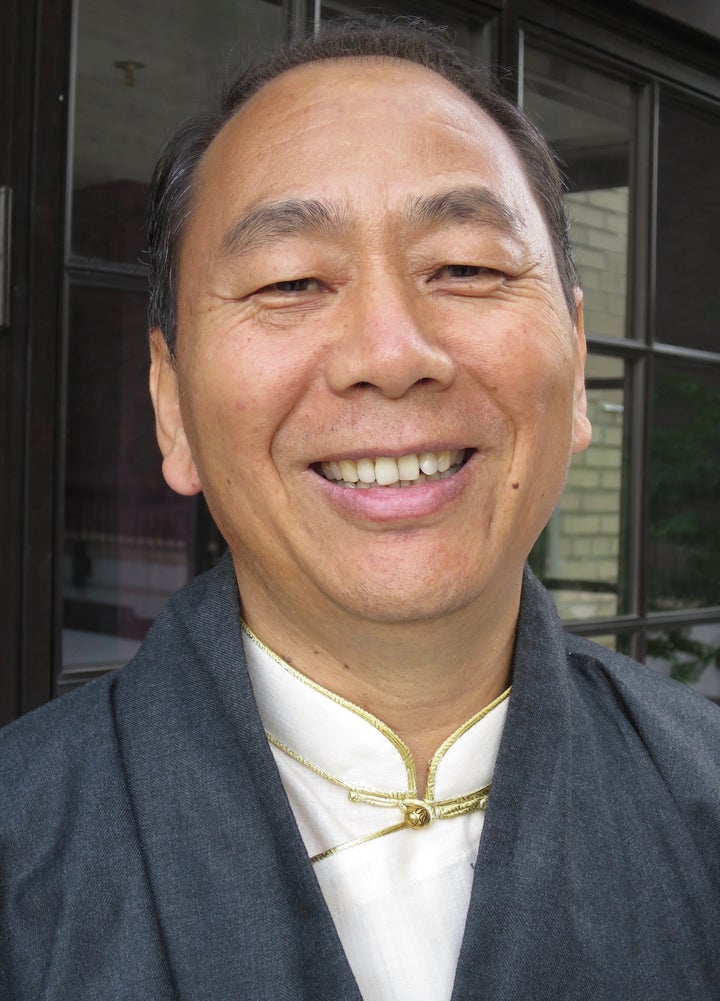
I chose to attend World Peace Through Compassion dinner produced by scholar, philanthropist and holistic healer, Dr. Kazuko Tatsumura-Hillyer, at Essex House.

This was a joyous gathering of like-minded souls dedicated to being “instruments of peace”.

Philanthropist Dr. Kazuko Tatsumura-Hillyer,
Sponsor of the Event

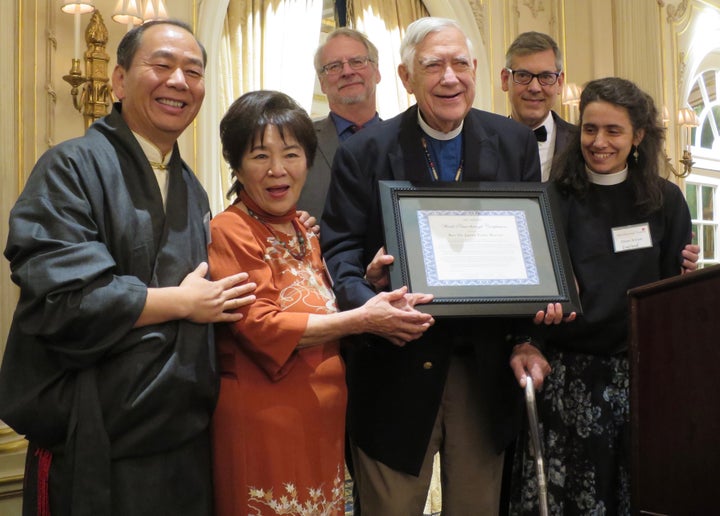
The occasion featured a reading of an inspiring message from the Dali Lama by Lobsang Nyandak, representatives from six major faiths and global cultures – Tibetan Monks chanting for compassion and love, the Golden Flowers Mongolian Dancers, Nepalese Rock Star Raju Lama, Native American prayers, Jewish readings, and words of wisdom from the Honoree, the very Reverend James Parks Morton (Founder of ICNY, the Interfaith Center of New York).

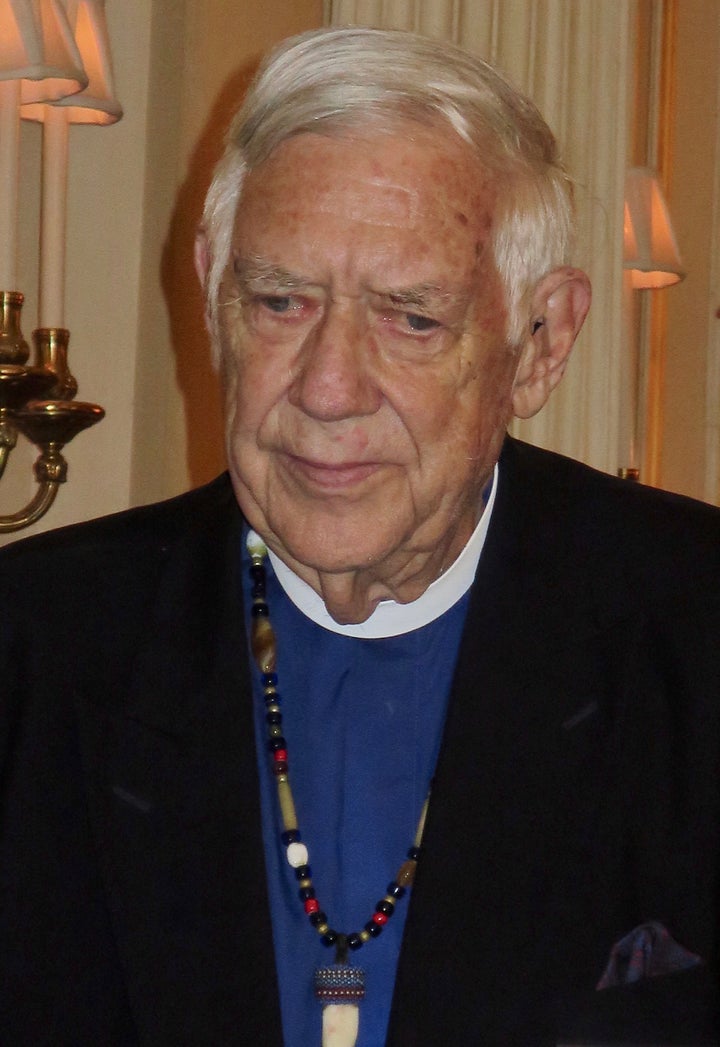
The esteemed Honoree, The Very Reverend James Parks Morton, former Dean of The Cathedral of Saint John The Divine & Founder of The Interfaith Center of New York

I will always be grateful to him for my first spiritually-based brilliant education as a 25-year attendee at the Cathedral …

A highlight of the event, was a reading of the Proclamation from Mayor Bill de Blasio establishing July 6th (the Dali Lama’s Birthday) as an annual “World Peace and Compassion Day”!

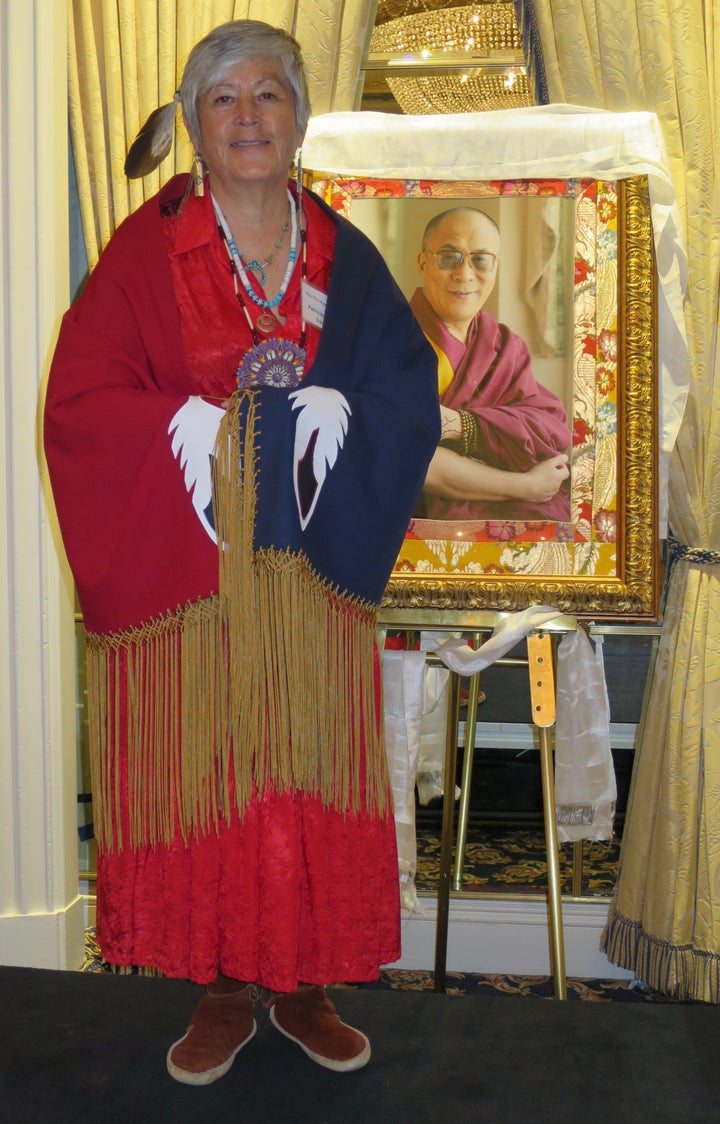
Native American, Elder Lygia.
Lobsang Nyandak, President of the Tibet Fund.
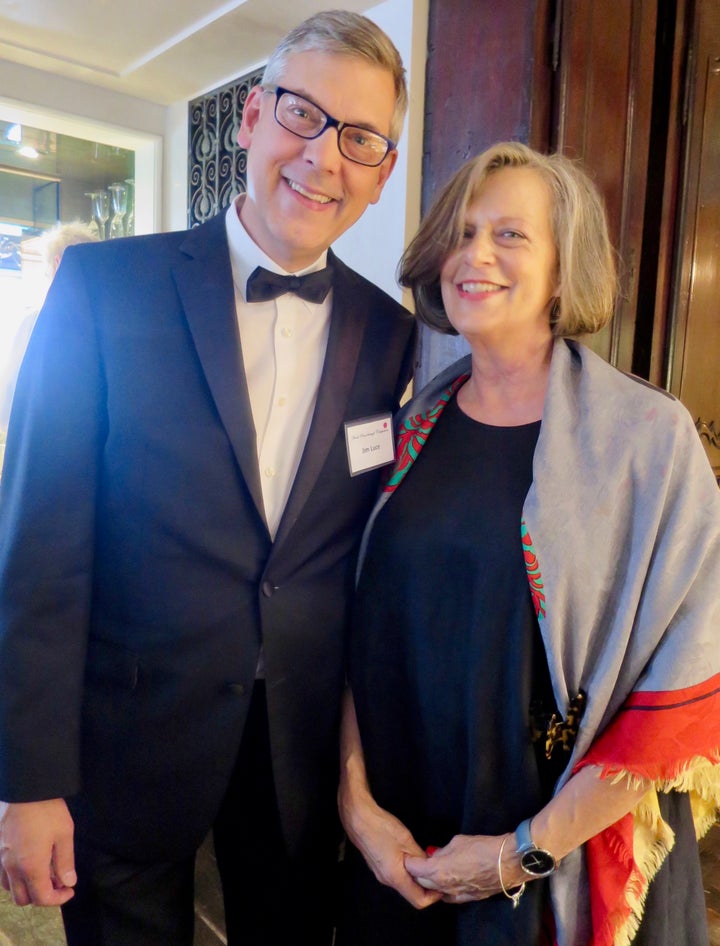
Sponsor Jim Luce with Dale McDonald, Founder & CEO
of Planting Seeds and Host of the YIP Party.

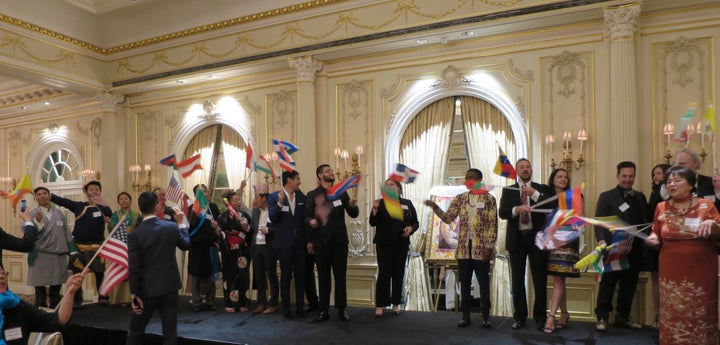
The Conclusion of The Event, Orchestrated by Brendon Perdomo, Youth Representative to the United Nations from The World Peace Prayer Society, was the waving of flags from all countries with individual prayers for their Peace. The Love was visceral…

Namaste!

[Originally published in The Huffington Post]

82nd Birthday Celebration for Tibet’s Dalai Lama

Date: Thursday, July 6, 2017
Time: 6:00 – 9:30 pm
Location: Essex House, 160 Central Park South, New York, NY 10019

The Gaia Holistic Foundation will join with Orphans International Worldwide to celebrate his Holiness The Dalai Lama’s 82nd birthday at J.W. Marriott Essex House on Central Park South in New York City. The Very Rev. James Parks Morton of the Interfaith Center of New York will be honored with the “World Peace through Compassion” Award at this occasion.

Because Tibet has neither Embassy nor Mission in New York, this elegant at-cost event is a platform for all who respect the Dalai Lama and his efforts towards world peace to gather and pay their respects – and pray for his long life.

Dr. Kazuko Hillyer Tatsumura states, “We all recall our other events at Essex House in celebration of his Holiness is 80th and 81st birthdays – our celebration in honor of H.H. 82nd birthday promises to be even more uplifting!”

VIP package available that features a rooftop champagne reception in a private Essex House penthouse overlooking Central Park. Sponsored by Plantin’ Seeds, Inc., the VIP package funds H.H.’s Private Fund. The $900 per person VIP tickets include the dinner and a tax-deductible $720 sponsorship of a child in the Tibetan Manjushree Orphanage in the Himalayas.The dinner will be presented at cost – $180 per person. A very limited number of tickets are still available Click here to pay by credit card through Paypal.

Sponsors include Gaia Holistic Foundation (Dr. Kazuko Tatsumura, chair),The Interfaith Center of New York (Dean James Morton, founder), The International Campaign for Tibet (Richard Gere, chair), The Tibet Fund (Mickey Lemle, chair),Tibet House U.S. (Dr. Robert Thurman, chair), and Orphans International Worldwide (Jim Luce, chair).

For more info, call 212-799-9711, or visit:

http://www.stewardshipreport.com/report-from-the-himalayas-leads-to-dalai-lamas- birthday-celebration/

82nd Birthday Celebration for Tibet’s Dalai Lama (July 6, 2017)

Kiyochika Kobayashi at the Art Institute of Chicago

0

[draft]

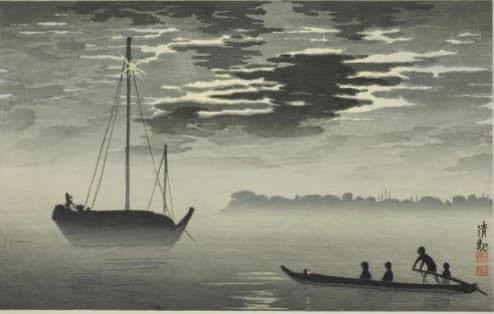
Moonlight through the Clouds off the Haneda Coast, Kobayashi Kiyochika, 1929, Art Institute of Chicago: Asian Art.

Kiyochika Kobayashi at the Art Institute of Chicago (June 26, 2017)

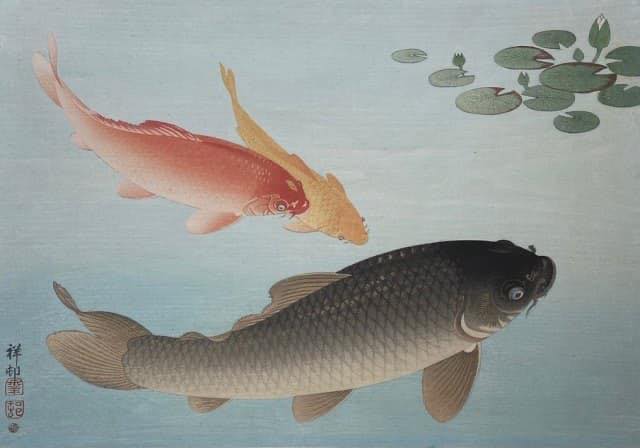
Artist Ōhara Koson (1877-1945)

Ōhara Koson (1877-1945), Red Carp And Two Other Fish Swim Beneath Waterlilies, 1935.

Artist Koson Ōhara (1877-1945) (June 26, 1917)

Expounding on My Work in the Field at Columbia University

Speaking to a class of Dr. Judy Kuriansky, the author shared lessons learned, 2017.

[draft]

Dr. Judy Kuriansky [Luce Index™ Score: 89], an adjunct professor at Columbia University, served as Global Advisor to the J. Luce Foundation for ten years.

Expounding on My Work in the Field at Columbia University (June 21, 2017)

Ulla and Gustav Kraitz to Unveil Blue Dragon on Roosevelt Island

0

Ulla & Gustav #Kraitz to Unveil #BlueDragon on #RooseveltIsland #NYC. #Art #RIVAA #Sweden http://stewardshipreport.com/ulla-and-gustav-kraitz-to-unveil-blue-dragonemon-roosevelt-island/

[draft]

Ulla and Gustav Kraitz to Unveil Blue Dragon on Roosevelt Island (June 20, 2017)