The Stewardship Report

Home Blog Page 46

Love Without Borders: Facing Family Reaction to Interfaith Romance


Dear Dr. Milan –

My family is Muslim and I want to introduce them to my new boyfriend who I met this year at school. But he is Christian. He doesn’t go to church or anything, but he is definitely not Muslim. My dad always talks about how the Qur’an forbids marital relations between Muslims and disbelievers because it would lead to Kufr and Shirk which I think mean ‘unbelief’ or basically pagan. That a non-Muslim guy would automatically disobey his parents, engage in premarital sex, get drunk and worship idols. That’s not 100% untrue, but I love him so much… What should I do?

– “Fatima”

Dear Fatima,

Introducing a significant other to your family can be both exciting and nerve-wracking—especially when differing religious backgrounds are involved. It’s wonderful that you’re thinking ahead about how to approach this conversation with care and respect for both your boyfriend and your family.

Understanding Your Family’s Perspective

Before introducing your boyfriend, take some time to consider how your family views interfaith relationships. Are they open to the idea, or do they have strong reservations? Muslim families vary widely in their perspectives—some may emphasize cultural or religious continuity, while others may prioritize personal happiness above all.

If religion is a central part of your family’s identity, they may be concerned about how this relationship will affect your future—especially regarding marriage, traditions, and raising children. Even if they ultimately support you, their initial reaction may be one of hesitation.

Preparing Your Boyfriend

Your boyfriend may not be familiar with all the cultural and religious nuances that your family holds dear. It’s a good idea to help him understand what to expect—whether it’s greeting customs, dietary restrictions, or conversational topics that may come up. You can also let him know if your family is more traditional so he can approach the introduction with sensitivity.

If your family speaks a language he doesn’t understand, teaching him a few key phrases—like greetings or simple pleasantries—can go a long way in showing effort and respect.

Choosing the Right Setting

The first meeting should take place in a setting where everyone feels comfortable. If your family is more traditional, a casual yet respectful environment—like a family dinner or gathering—might work best. If they’re more flexible, a coffee shop or a neutral setting might feel less formal.

Timing also matters. If your family is currently stressed or dealing with other issues, it might be best to wait for a more relaxed moment to introduce this relationship.

Framing the Conversation

When you bring up the topic, focus on what makes your relationship strong. Instead of leading with differences, emphasize the values you share—kindness, mutual respect, and a commitment to each other’s happiness.

You might say something like:

“I’ve met someone really special at college, and I’d love for you to meet him. He’s Christian, but we share so many values—kindness, respect, and love for family. I know our backgrounds are different, but I hope you’ll get to know him for who he is.”

By focusing on your boyfriend’s character rather than religious labels, you allow your family to see him as a person first.

Being Patient with Reactions

Your family’s reaction may not be immediate acceptance. They might need time to process and ask questions. Be open to their concerns, and reassure them that your relationship is built on mutual respect. If they express hesitation, acknowledge their feelings while gently affirming your own choices.

If tensions arise, give it time. Initial skepticism can often soften with exposure and understanding. If your boyfriend demonstrates respect and genuine interest in learning about your background, it will help build bridges over time.

Finding Balance

You don’t have to choose between your family and your relationship—both can coexist. If your family values your happiness, they may come around, even if they struggle at first. Stay open, patient, and honest, and trust that love—both familial and romantic—has the power to create understanding.

Warmly,
Dr. Sami Milan


#InterfaithLove #FamilyAcceptance #LoveAndTradition #NavigatingRelationships #MuslimFamily #ChristianBoyfriend #CulturalBridges


Dr. Kazuko on Japan’s NHK: “Bringing Smiles Across the World”


Poverty, discrimination, and racial segregation…
How can one person address the challenges that blight our world?

Tokyo, Japan — “Bringing Smiles Across the World” aired today on NHK World, Japan‘s international channel, featuring the life of Dr. Kazuko Hillyer Tatsumura. The film has been produced by Japan International Broadcasting.

Kazuko Hillyer Tatsumura, vice president emeritus of Orphans International Worldwide and a Lifetime Achievement Award recipient of the J. Luce Foundation, offers one solution for those of us struggling in a moral maze. For half a century she has championed the oppressed across borders, with no backing from any major organizations.

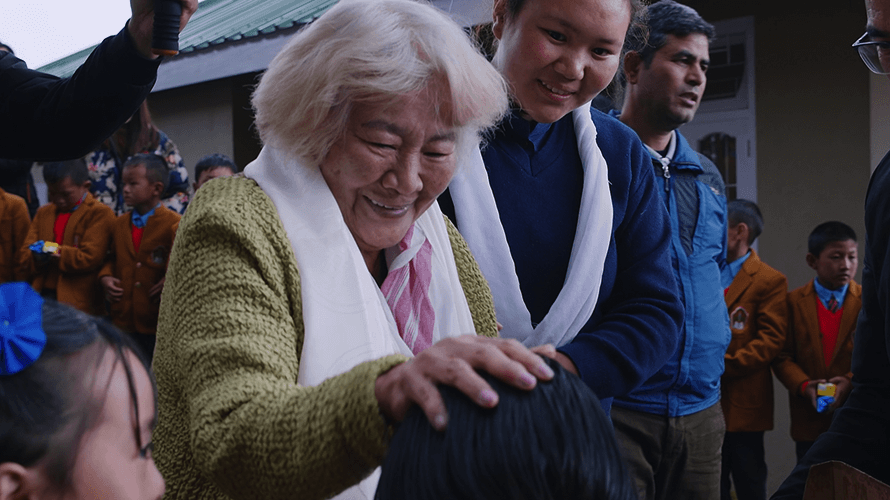
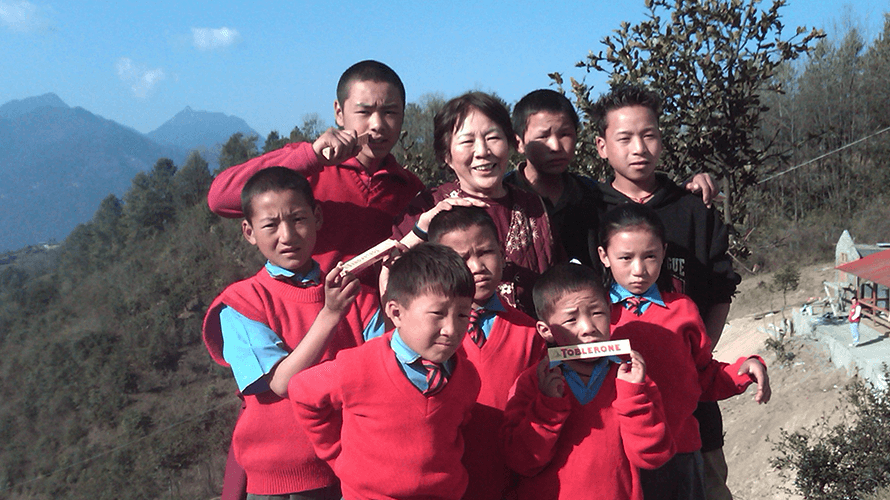
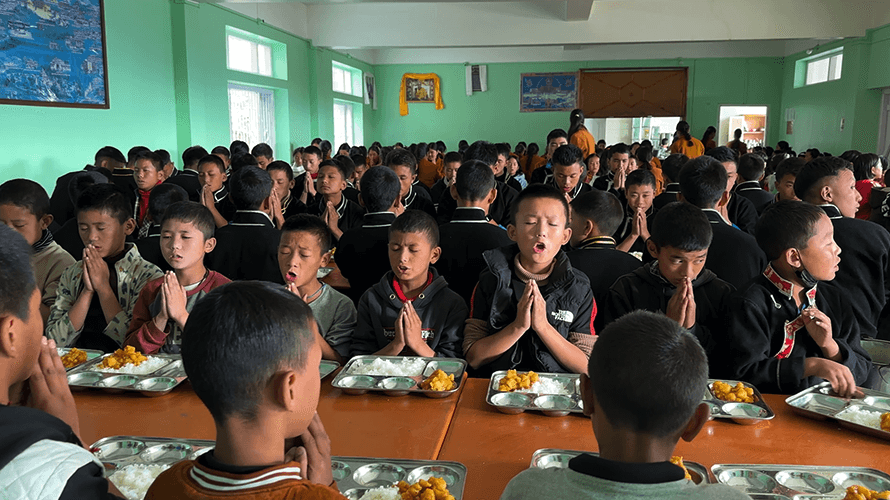
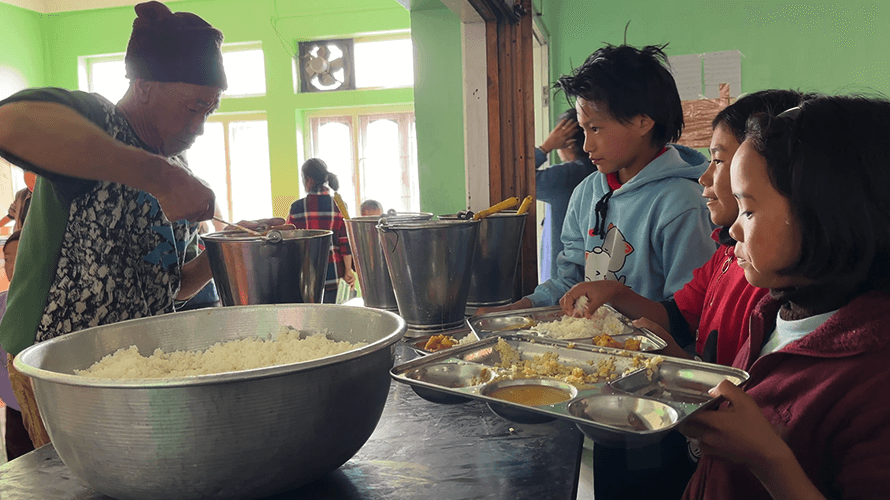
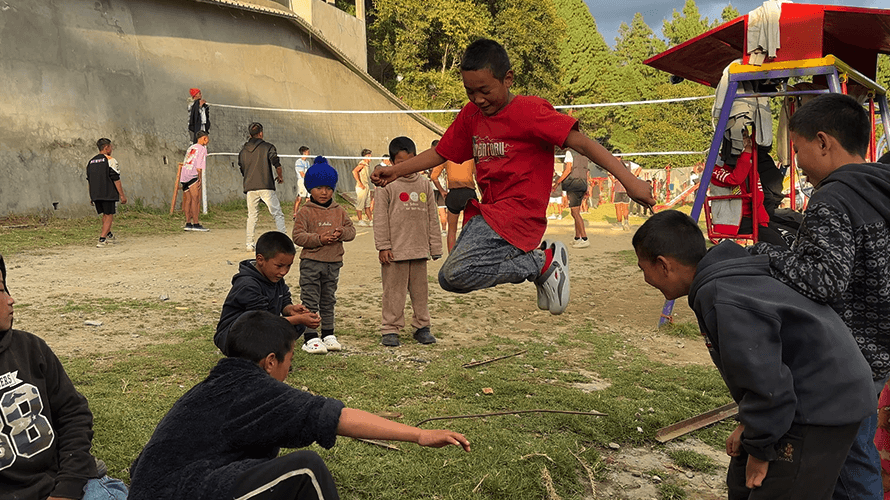
Dr. Kazuko dedicated her life to supporting Manjushree Vidyapith Orphanage connected to H.H. the Dalai Lama in Tawang, northeastern India.

The Manjushree Vidyapith Orphanage is in Tawang, in northeastern India.

Fifteen years ago, it was on the verge of collapse, due to a shortage of funding. She traveled the world to find support, and rebuilt the orphanage.

Today, it’s home to over 300 children, providing them with excellent facilities and an education. A growing number of children there are now fulfilling their dream of a college education.

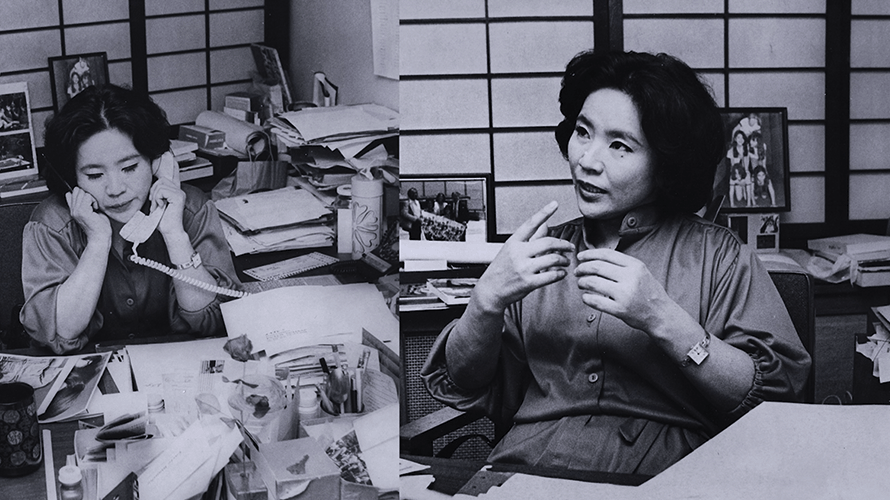
She was once a leading
concert and stage promoter.

Her many achievements included bringing the renowned conductor Leonard Bernstein to Japan for his first performance there. At the peak, she was involved in an amazing 2,000 performances per year.

But then, half a century ago, she turned to philanthropy after meeting H.H. the 14th Dalai Lama. In the late 1970s she began helping refugees from the Vietnam War.

She went on to perform a range of helpful roles around the world. She contributed to countries afflicted by disaster, and supported orphanages in India, Indonesia, and Panama.

“I have traveled with this strong woman to Cuba, Indonesia, Haiti, India, and Panama — visiting disadvantaged children across the Global South, says Jim Luce. “Dr. Kazuko, who I call sensei, has been both my philanthropic partner and mentor.”

“I served as vice president of her Gaia Holistic Foundation and she vice president of our of Orphans International Worldwide and the J. Luce Foundation. She introduced me to her friend and teacher, His Holiness the Dalai Lama.”

She began as a leading
concert and stage promoter…

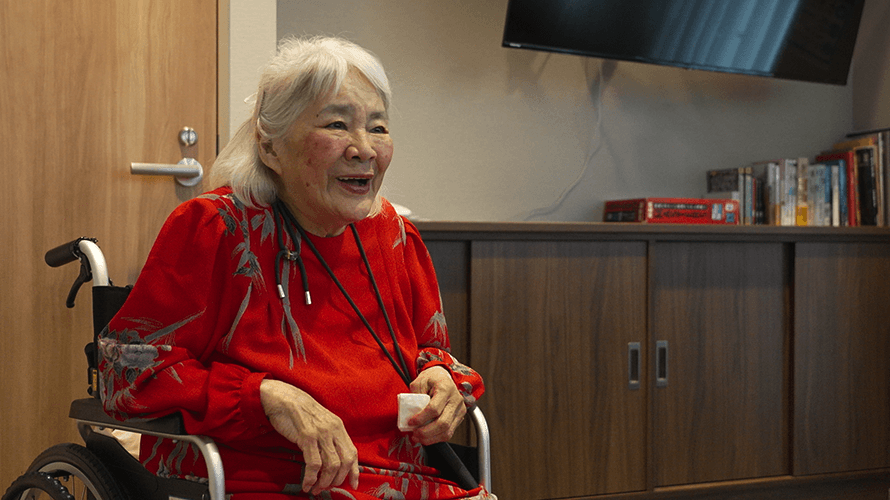
She was once a leading concert and stage promoter. In 2023, her work took her to Central America. There, she suffered a stroke, and these days she struggles to walk. But she hasn’t given up.

At 86, Dr. Kazuko has overcome many hardships as she strives to bring smiles to people around the world.

She stays in touch with international colleagues while undergoing rehab at a Buddhist medical facility in Japan, and plans to return to the front line in six months’ time.

At 86, she’s overcome many hardships as she strives to bring smiles to people around the world.

Dr. Kazuko on Japan’s NHK: “Bringing Smiles Across the World” (Dec. 6, 2024)


Tawang district is the smallest of 26 administrative districts of Arunachal Pradesh state in northeastern India. It has a population of about 50,000.

Manjushree Vidyapith Orphanage in Tawang, Northeastern India


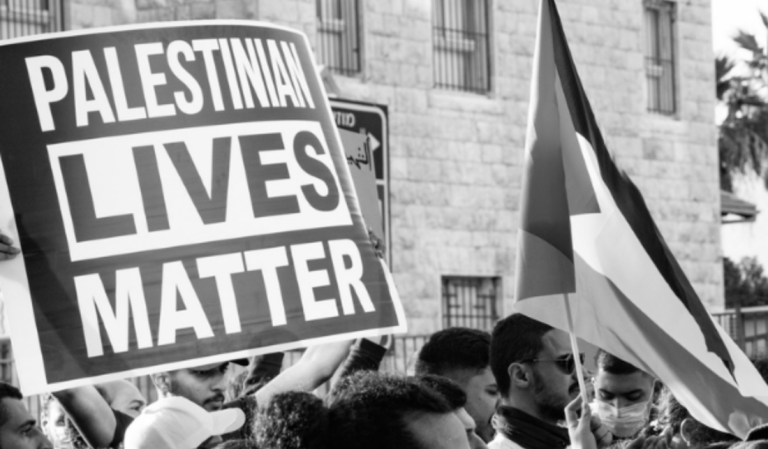
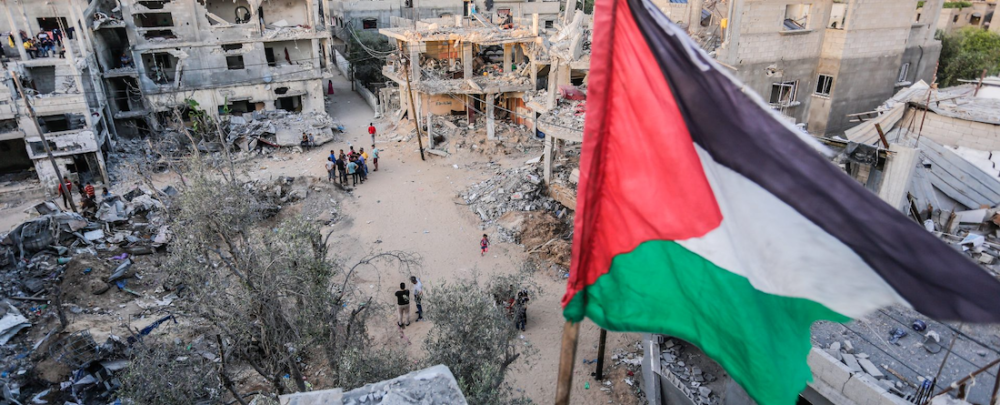
Anti-Palestinian Racism Fuels Dehumanization Amid Gaza Genocide


New York, N.Y. — As Israel’s military campaign in Gaza, supported by U.S. backing, continues to devastate the region, a parallel issue is gaining attention: anti-Palestinian racism.

This form of discrimination, as outlined by Jewish Voice for Peace and Visualizing Palestine, manifests in silencing, excluding, erasing, stereotyping, dehumanizing, or defaming Palestinians, those perceived as Palestinian, or anyone advocating for Palestinian freedom. The framework provided by Visualizing Palestine offers a lens to understand this distinct racism and its role in perpetuating oppression.


Anti-Palestinian racism operates on multiple levels.

It dehumanizes Palestinians by portraying them as threats or lesser beings, often through media stereotypes or political rhetoric. This dehumanization justifies violence and marginalization, making it easier to dismiss Palestinian suffering.

For example, Palestinians in Gaza, enduring relentless bombardment, are often reduced to numbers or labeled as collateral damage, stripping away their humanity and individual stories.

Erasure is another critical aspect.

Palestinian narratives—histories, cultures, and lived experiences—are systematically sidelined or distorted. This occurs in academic settings, media coverage, and political discourse, where Palestinian perspectives are underrepresented or dismissed as biased. Such erasure not only undermines Palestinian identity but also weakens global understanding of their struggle for self-determination and justice.


Repression of dissent is equally pervasive.

Individuals and groups expressing solidarity with Palestinians often face severe backlash, including accusations of anti-Semitism, professional consequences, or social ostracism. This tactic stifles free speech and discourages advocacy for Palestinian rights. Jewish Voice for Peace, a U.S.-based organization advocating for Palestinian liberation, has emphasized how this repression targets not only Palestinians but also Jews and others who challenge Israeli policies.

The current Gaza conflict amplifies these issues.

Since October 2023, Israel’s military operations have resulted in tens of thousands of Palestinian deaths and widespread destruction, according to international reports.

Amid this humanitarian crisis, anti-Palestinian racism has intensified, with global protests met by counter-narratives that vilify Palestinian resistance or equate criticism of Israel with hatred. Visualizing Palestine’s visual framework underscores how such racism fuels the cycle of violence and oppression.


This racism is not confined to Israel or Gaza.

In Western countries, Palestinians and their supporters face discrimination in workplaces, schools, and public spaces. For instance, Palestinian students in U.S. universities have reported harassment for expressing their views, while advocacy groups face legal challenges for organizing protests.

These incidents reflect a broader pattern of exclusion and silencing that mirrors the experiences of other marginalized groups but remains distinct in its targeting of Palestinian identity and solidarity.

Addressing anti-Palestinian racism requires acknowledging its specificity. Unlike generic xenophobia, it is rooted in the political and historical context of Israel’s occupation and the Palestinian struggle for freedom. Visualizing Palestine’s framework calls for dismantling stereotypes, amplifying Palestinian voices, and protecting the right to dissent. This involves challenging biased media portrayals, supporting Palestinian-led initiatives, and fostering dialogue that centers Palestinian experiences.

International organizations have begun to take notice.

Human rights groups like Amnesty International and Human Rights Watch have documented how discriminatory practices against Palestinians extend beyond physical violence to systemic erasure and repression. Yet, global responses remain inconsistent, with powerful nations often shielding Israel from accountability, which emboldens anti-Palestinian narratives.

Jewish Voice for Peace emphasizes solidarity as a counterforce.

By aligning with Palestinian activists, they reject the notion that criticism of Israel equates to anti-Semitism, instead framing it as a call for justice. Their collaboration with Visualizing Palestine highlights the power of visual storytelling in exposing racism and fostering empathy. These efforts aim to shift public perception and encourage collective action.

As the Gaza crisis persists, the fight against anti-Palestinian racism grows urgent.

It demands global awareness, institutional reform, and grassroots advocacy to dismantle the structures that perpetuate this discrimination. By recognizing and addressing anti-Palestinian racism, the international community can take a step toward justice, ensuring that Palestinian voices are heard, their narratives honored, and their rights upheld.


#AntiPalestinianRacism #PalestinianRights
#GazaGenocide #HumanRights #JusticeForPalestine

Tags: Anti-Palestinian Racism, Gaza Conflict,
Palestinian Rights, Israeli Oppression, Human Rights

How to Keep Family Safe Without Hurting Mother-in-Law’s Feelings


Dear Dr. Sami –

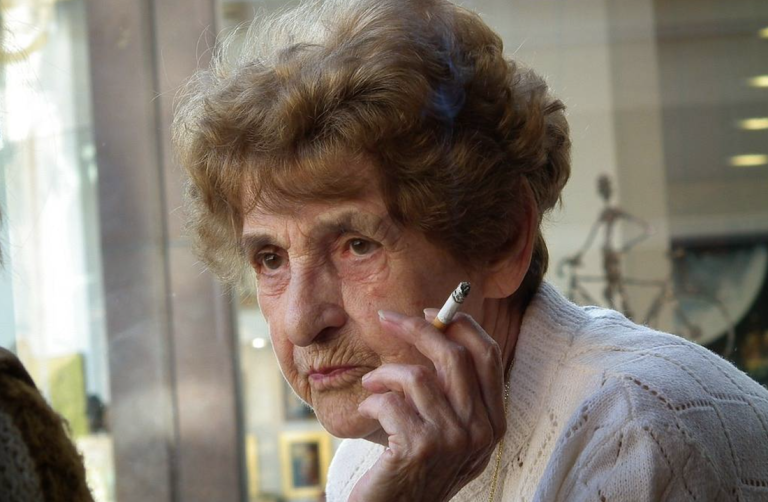
My mother-in-law wishes to visit us from another state. We have three children under the ages of ten. My mother-in-law tends to drink excessively, often in secret, and smokes cigarettes incessantly. My deepest fear is that she could fall asleep, smoking, and catching her bed — and then our house — on fire. I want to be polite, but I’m not willing to risk the lives of my family. My wife believes her mother’s drinking is “normal”and that I exaggerate the risk simply because I don’t like her. That is not the case. Any ideas?

– Frustrated in Philadelphia

Dear Frustrated in Philadelphia,

You are in a tough position, balancing a genuine concern for your family’s safety with the desire to maintain peace in your home. It’s clear that you care deeply about your children, your wife, and even your mother-in-law’s well-being, but the situation is complicated. It’s not easy to talk about sensitive topics like drinking or smoking, especially when it involves someone close to your spouse, but your concerns are valid.

Having the Conversation with Your Wife

The first step in navigating this situation is to approach your wife with the understanding that this issue isn’t about disliking her mother. It’s about ensuring the safety of your family, something both of you share a deep commitment to. Rather than starting the conversation by addressing your concerns about her mother directly, you could frame it as a discussion about family safety:

“I know how much you want your mom to visit, and I do too, but I’m really worried about our safety during her stay. I love having her here, but there are some things that make me nervous, like her drinking and smoking, especially around the kids. I know we’ve talked about this before, but I really feel it’s important to take steps to protect our home.”

By leading with the shared goal of safety, you invite your wife into the conversation without making it feel like an attack on her mother. You might also want to be specific about what worries you—such as your fear of a fire due to her smoking in bed, which is a legitimate concern.

Talking About Your Mother-in-Law’s Behaviors

It’s possible that your wife hasn’t seen the behaviors you’re describing, or she might not want to see them. This could be a result of denial, or it could simply be that your mother-in-law hides her habits better when she’s around your wife. When discussing the drinking and smoking, avoid making accusations; instead, focus on specific behaviors and how they affect your family’s safety. For example:

“I know we both want the best for her, and I understand that you don’t see the drinking as a big issue, but I’m really worried about her safety. I’m afraid she might fall asleep while smoking, and I can’t help but feel like it’s a real risk to all of us.”

By keeping the conversation focused on the issue at hand—safety—you avoid getting into a debate about whether or not she drinks excessively. You’re coming from a place of love and concern for the whole family.

Balancing Safety with Family Relations

To prevent this from becoming a rift between you and your wife or her mother, it’s important to suggest practical solutions that can safeguard your family. You might consider things like:

    •    Offering to book a hotel for your mother-in-law nearby, so she can still visit without staying in the house.
    •    Setting boundaries in advance, such as designating certain areas of the house where she is not allowed to smoke or drink, if possible.
    •    Suggesting activities for her that are enjoyable but not centered around alcohol or smoking—things that can still foster connection but don’t put your family at risk.

If you do decide to allow the visit, make sure to create a plan for safety, such as monitoring smoking areas, and make it clear that if the drinking or smoking becomes excessive, it will impact the visit.

Ultimately, Protecting Your Family

If your wife understands that your concern is rooted in protecting your family and not about disliking her mother, you may be able to find a solution that works for everyone. The key is having the conversation with care and respect, and being clear that your love for your mother-in-law doesn’t mean you’re willing to risk the safety of your wife and children.

With Compassion,
Dr. Sami Milan


#FamilySafety #ParentingAdvice #HealthyBoundaries #ProtectingYourFamily #FamilyDynamics #DrSamiMilan


Xi Jinping Receives Grand Welcome from Peruvian President


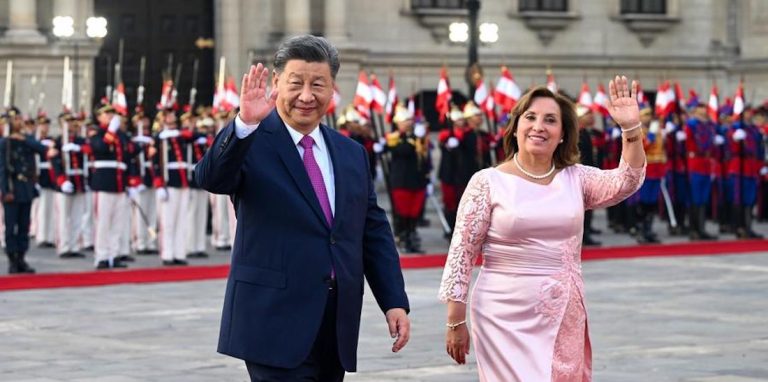
Chinese President Xi Jinping attends grand welcome ceremony hosted by Peruvian President Dina Boluarte in Lima


New York, N.Y.Chinese President Xi Jinping was honored with a ceremonial welcome in Lima on November 14, 2024, as Peru rolled out the red carpet for one of the year’s most significant diplomatic visits. Peruvian President Dina Boluarte hosted the elaborate ceremony, marking the beginning of Xi’s state visit and his participation in the 31st APEC Economic Leaders’ Meeting.


The grand welcome ceremony showcased the deepening ties between China and Peru, two nations whose economic partnership has flourished over the past decade. Xi’s arrival in Lima represents not only bilateral diplomatic engagement but also China’s continued commitment to strengthening relationships across Latin America.


Historic Diplomatic Engagement Unfolds in Lima

The ceremonial proceedings took place at the Government Palace in Lima’s historic center, where traditional Peruvian music and cultural displays welcomed the Chinese delegation. President Boluarte, dressed in traditional Peruvian attire, greeted Xi with full military honors, including a 21-gun salute and inspection of the honor guard.

Xi’s visit to Peru marks his first state visit to the South American nation since 2016, when he attended the APEC summit during a different political era. The timing of this visit is particularly significant, as it comes amid growing Chinese investment in Peruvian infrastructure projects, including the Chancay Port development, which represents one of China’s largest infrastructure investments in South America.

“This visit strengthens the comprehensive strategic partnership between our nations,” President Boluarte remarked during the welcome ceremony. “Peru and China share a vision for sustainable development and mutual prosperity.”


Economic Partnership Takes Center Stage

The state visit coincides with Peru’s hosting of the APEC Economic Leaders’ Meeting, bringing together leaders from 21 Pacific Rim economies. Xi’s participation in both events underscores China’s commitment to multilateral economic cooperation and its growing influence in Pacific trade relationships.

Trade between China and Peru has grown exponentially over recent years, with China becoming Peru’s largest trading partner. Chinese investments in Peru’s mining sector, particularly in copper and lithium extraction, have created thousands of jobs while supporting Peru’s economic growth objectives.

The Belt and Road Initiative, China’s global infrastructure development strategy, has found fertile ground in Peru. The Chancay Port project, expected to be completed by 2025, will create a direct shipping route between Peru and Asia, potentially transforming South America’s trade dynamics.


APEC Summit Highlights Regional Cooperation

Xi’s attendance at the APEC Economic Leaders’ Meeting represents China’s continued engagement with Pacific Rim economies during a period of global economic uncertainty. The summit’s focus on sustainable development, digital transformation, and inclusive growth aligns with China’s domestic policy priorities and international development assistance programs.

APEC member economies represent approximately 60% of global GDP and 47% of world trade, making the organization a crucial platform for economic diplomacy. Xi’s participation demonstrates China’s commitment to multilateral institutions and regional economic integration.

The Chinese president’s agenda includes bilateral meetings with several APEC leaders, strengthening China’s diplomatic relationships across the Asia-Pacific region. These meetings are expected to focus on trade facilitation, supply chain resilience, and sustainable development initiatives.


Cultural Exchange and People-to-People Connections

Beyond economic and political discussions, Xi’s visit emphasizes cultural exchange and people-to-people connections between China and Peru. The Chinese diaspora in Peru, numbering approximately 1.3 million people, represents one of the largest Chinese communities in Latin America.

Educational exchanges between Chinese and Peruvian universities have increased significantly, with programs focusing on language learning, engineering, and sustainable development. The Confucius Institute at major Peruvian universities has facilitated cultural understanding and academic cooperation.

During the welcome ceremony, traditional Chinese and Peruvian cultural performances highlighted the shared values and mutual respect between the two civilizations. These cultural elements underscore how diplomatic relationships extend beyond government-to-government interactions to encompass broader societal connections.


Xi’s visit to Peru reflects China’s broader Latin America strategy, emphasizing South-South cooperation and alternative development models. As global economic relationships evolve, China’s engagement with Latin American nations offers opportunities for diversified trade partnerships and technological cooperation.

The success of this state visit will likely influence future Chinese diplomatic and economic engagement throughout the region, potentially setting precedents for similar partnerships with other South American nations seeking alternative development financing and trade relationships.


Chinese President Xi Jinping received a ceremonial welcome in Lima from Peruvian President Dina Boluarte on November 14, 2024, beginning his state visit to Peru and participation in the 31st APEC Economic Leaders’ Meeting. The visit strengthens bilateral relations and highlights growing Chinese investment in Latin American infrastructure projects, particularly the Chancay Port development, while emphasizing cultural exchange and economic cooperation between the two nations.


#XiJinping #Peru #China #APEC2024 #LimaPerú #DiplomaticRelations
#BeltAndRoadInitiative #LatinAmerica #StateVisit #EconomicCooperation

TAGS: China, Peru, Xi Jinping, APEC, Lima, diplomatic relations, economic cooperation,
Belt and Road Initiative, Latin America, state visit, bilateral trade, infrastructure development

Why Blue States Should Join Canada to Build a Better Future

0

It’s time to consider a bold, peaceful reconfiguration of our union: one in which the East Coast, West Coast, and Great Lakes states secede and join forces with Canada, creating a new Federation of North America that upholds the values of inclusivity and progress.


New York, N.Y. The time has come to ask ourselves a difficult question: does the United States, as it stands today, truly support the values and aspirations of all its citizens?

With each passing election, the gulf between Red States and blue states deepens, fueled by fundamental differences in worldview and values.

After witnessing the defeat of Kamala Harris in this most recent election — a loss I believe stemmed less from policy disagreements and more from the insidious undercurrents of racism, xenophobia, homophobia, and misogyny — I can’t help but wonder if there’s a better path forward.

It’s time to consider a bold, peaceful reconfiguration of our union: one in which the East Coast, West Coast, and Great Lakes states secede and join forces with Canada, creating a new Federation of North America that upholds the values of inclusivity and progress.

A Federation of Shared Values

My view is that Harris didn’t lose solely because of policy issues or political ideologies. Instead, her loss revealed a deeper issue — a part of the country that clings to regressive beliefs that are hostile to those who look, think, love, or believe differently. I am convinced that good people in blue states deserve to live lives unfettered by the hatred that continues to hold sway in so much of the nation.

A Federation of North America, uniting progressive U.S. states with Canada, would create a space for these values to flourish — a place where diversity is celebrated, not marginalized, and where the dignity of every individual is respected.

The Vision for a New Federation

Imagine a federation stretching from the Atlantic to the Pacific, through the Great Lakes region, and including Canada’s provinces and territories.

Canada already embraces many of the values held dear by progressive Americans: universal healthcare, environmental protection, social equity, and quality public education. These shared priorities could provide the foundation for a new political and economic entity capable of delivering on the promise of a just, inclusive, and forward-thinking society.

By joining Canada, blue states would gain not only greater alignment with a like-minded society but also the stability to pursue bold reforms without constant obstruction. This new Federation of Canada would prioritize science, equity, and sustainability, standing as a global model for human rights and environmental stewardship. It would provide a haven for people who long for a society that upholds social justice, equity, and compassion over fear and division.

How Secession Could Work

Practical concerns like currency, citizenship, and governance structure will need careful planning, but these challenges are not insurmountable. A Federation of CanadaUnited States of Canada—could adopt a federal system, giving states and provinces the freedom to govern while establishing a unified framework for human rights, environmental action, and economic policy.

In this new federation, citizens of participating states would transition to dual citizenship, preserving their American heritage while embracing a new identity rooted in shared values.

Economically, the Federation of Canada would harness the strengths of the technology, finance, and industrial sectors from the U.S. coastal and Great Lakes states, alongside Canada’s natural resources and healthcare and education systems. The result would be a powerhouse of innovation, resilience, and sustainable growth.

A Peaceful, Positive Path Forward

This is not a call for animosity but rather for a peaceful and pragmatic solution to what has become an irreconcilable difference in values.

Let us consider a future that allows all people to thrive — where those who champion inclusivity, justice, and equality are free to live by those principles without obstruction. This proposal is a pathway to harmony, not division.

History shows us that nations can evolve and that peaceful separations can lead to greater stability. I hope that this proposal will inspire a dialogue about the future we want for ourselves and future generations.

Together, we could create a Federation of Canada that would be more than just a departure from the United States. It would be a beacon of peace, progress, and prosperity — a coalition founded on respect, dignity, and a shared commitment to a better world.

In the face of a divided nation, let us build an alliance that stands for unity through shared values, and create a future that honors the humanity of all its citizens.

#BlueStateFuture, #FederationOfCanada, #NewNorthAmerica, #UnityThroughDivision, #ProgressiveValues, #AmericaDivided, #HopeForChange


Why Blue States Should Join Canada to Build a Better Future (Nov. 8. 2024)

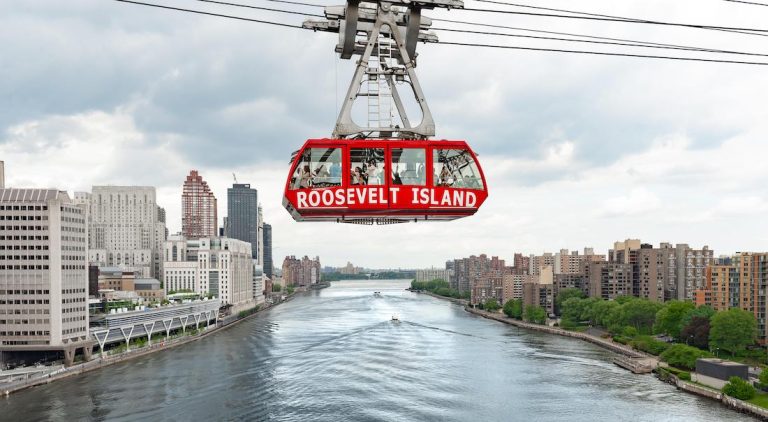
Roosevelt Island Business Alliance Fetes Nancy Brown, Sonal Bhatia

0

TRIBA Merit Awards to celebrate and honor the achievements of outstanding Roosevelt Island residents and businesses. This year hosted by The Sanctuary, Roosevelt Island, New York City.


New York, N.Y. — The first TRIBA Merit Awards were given on Roosevelt Island in New York City on October 23, 2025. Sponsored by the Roosevelt Island Business Alliance (TRIBA), the event will be held at The Sanctuary.

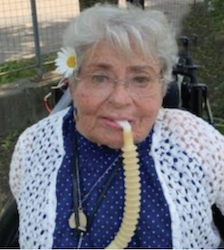
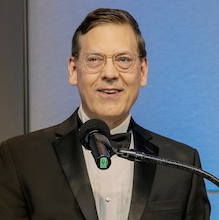
The TRIBA Awards Ceremony Gala Dinner honored Roosevelt Island residents: Nancy Brown for her lifetime work on behalf of the disabled community, Sonal Bhatia for her work identifying and developing cures for rare diseases and Red Apple/Foodtown for its business commitment to Roosevelt Island. The event was attended by over 200 people at The Sanctuary events space with resident Jim Luce acting as the Master of Ceremonies and Sanctuary owner Frank Raffaele introducing the evening’s festivities.

Billed as a ‘night of celebration and recognition,’ the recognition evening will honor outstanding individuals and businesses in the Roosevelt Island community who have made a significant impact: Sonal Bhatia, Nancy Brown, and Red Apple Group/Foodtown.

The dinner organizers invite the guests to ‘dress to impress’ and promise an unforgettable evening filled with music, food, and inspiring stories. “This is an opportunity to come together and show appreciation for those who go above and beyond,” says Skip Hartman, President of TRIBA.

The TRIBA Merit Awardees were:

Dr. Sonal Bhatia.

Sonal Bhatia: A longtime resident of Roosevelt Island, Sonal Bhatia is currently Senior Vice President, Head of Medical Affairs, Specialty Care at Pfizer.

Dr. Bhatia is passionate about finding solutions for patients on a large scale in partnership with innovative science and new technology to ensure access to new medicines for patients.

Dr. Bhatia is actively involved with non-profit organizations focused on reducing healthcare disparities, access to cardiovascular health, healthy living and being a catalyst for change in women’s health.

She currently serves on the Board of Directors for the American Heart Association (AHA) and is on the Executive Leadership Board for AHA Go Red for Women.

Nancy Brown.

Nancy Brown: Nancy Brown’s work on behalf of the disabled in New York City is legendary. Disabled herself since the age of 7, now 83, she is a longtime Island resident who remains active in her motorized chair with a ventilator.

She has successfully advocated for public policies that educated and addressed the challenges faced by disabled persons.

Brown championed the FDR Hope Memorial, helping to raise funds for the Southpoint Park statue of President Franklin D. Roosevelt sitting in his wheelchair with another disabled young person.

She has been the forever Vice President of the Roosevelt Island Association for the Disabled that provides trips, other social activities, and a food pantry that serve the disabled, the poor, and the elderly.

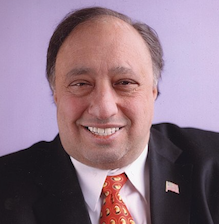
Red Apple Group/Foodtown: John Catsimatidis, Jr., president of the Red Apple Group and Joe Parisi, president of Foodtown.

John Catsimatidis.

Foodtown Supermarkets, converted from a Gristedes Supermarkets store on February 7, 2020, has been a vital part of the Roosevelt Island community since 1976. Over the years, the store has undergone multiple renovations to serve the community better, continually improving its offerings and facilities.

Foodtown at Roosevelt Island provides approximately one hundred jobs, playing a key role in the local economy. Foodtown remains dedicated to providing quality groceries and essential services, supporting the island’s residents for nearly five decades.

Red Apple Group/Foodtown District Manager Kevin Jordan will accept the award on behalf of John Catsimatidis and Joe Parisi.

Jim Luce.

The Master of Ceremonies for the evening will be Jim Luce.

Luce will present the award to Red Apple Group/ Foodtown, while Margie Smith will present the award to Nancy Brown, and Suha Hamid will present the award to Dr. Sonal Bhatia.

The Roosevelt Island Business Alliance (TRIBA) members include Cornell Tech, Granny Annies, Manhattan Park, Rivercross, Riverwalk Court, The Hudson Companies, The Related Companies, Riverwalk Court, Roosevelt Island Racquet Club, Roosevelt Landings, The Graduate Hotel, The Sanctuary, and The Octagon.

Margie Smith.

TRIBA Associate Members include Island Om Yoga, Kaja Meade (Corcoran), Main Street Theater and Dance, Mediterranean Eatery, Roosevelt Island Historical Society, and Roosevelt Islander Online.

Nancy Brown came to Roosevelt Island as a resident at Goldwater Hospital and later relocated with her husband, who was also disabled, to an apartment on the Island.

When the permanency of the Roosevelt Island Tram was debated in the late 1990’s, Brown demonstrated that it took a disabled person four hours with many risks to travel to Manhattan by bus, a process that required them to change carriers in Queens Plaza, instead of traveling a simple and safe ten minutes by the Tramway.

Tickets and sponsorship opportunities may be found here.

Roosevelt Island Business Alliance Fete Nancy Brown, Sonal Bhatia (Oct. 20, 2024)


#TRIBA2024 #RooseveltIslandPride #CommunityExcellence #HonoringHeroes TRIBA2024 #RooseveltIsland #CommunityExcellence #NancyBrownLegacy #SonalBhatiaImpact #RedAppleGroup #IslandHeroes #SupportingLocalBusiness

CSU Launches Fundraiser to Support Dalit Children’s Education in India


Empowering India’s Poorest: Michael D. Eisner College of Education at California State University Northridge Students Raise Funds for Teachers at Saraswati Free School


Northridge, California — Dr. Joshua Einhorn of the Michael D. Eisner College of Education at California State University Northridge and his graduate school class in international development have launched a campaign to raise funds for The James Jay Dudley Luce Foundation India‘s Saraswati Free School in Bodhgaya, Bihar Province, India.


The school educated children once referred to as “Untouchable”–or Dalit in Hindi–the poorest of the poor. This caste is also called Harijan.

Harijan is a term used to describe members of the former “untouchable” caste in India. The term was coined by Mahatma Gandhi in 1933 to refer to Dalits, or “oppressed” people, in an attempt to raise their status. The word comes from the Sanskrit harijana, which means “one belonging to the god Vishnu.”

The Lotus Free School in rural India teaches young children ages 6-14 how to read and write while exposing them to science and math. They attend class six days a week.

The CSU GoFundMe campaign notes that 38% of the population in this region do not receive an education because the parents of most children here work in brick factories and in rice fields, historically impacting the children’s ability to receive an education.

The school was built in 2022, but struggles to pay teachers’ salaries.

$2,400 is needed to pay the salary of two teachers for the upcoming year.

The CSU Go Fund Me campaign asks, “Make an impact by giving today!”

They continue, “Your contribution (of any amount) will allow these children, living in this poorest province of India, to experience hope and plant the seeds of change for their now bright future. Any amount you donate will help us reach our goal.”

In 2023, the California State University Northridge class working with Dr. Einhorn raised funds through a successful GoFundMe campaign for a home for unwed mothers in Minahasa, North Sulawesi, Indonesia.

California State University Students Raise Funds for Indian Youth (Oct. 22, 2024)

#EducationForAll #SupportDalitChildren #CSUNForIndia #EmpowerThroughEducation #BrightFuturesIndia #EndPovertyThroughEducation


Quinn Lemley Performs at J. Luce Foundation 25th Anniversary

0

“Little Luce” Foundation Celebrates Twenty Five Years at Asia Society with Singer Quinn Lemley


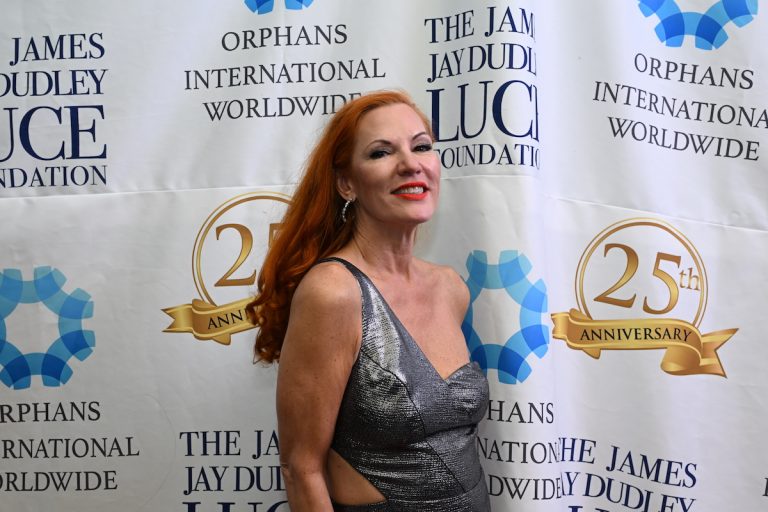
New York, N.Y. — The James Jay Dudley Luce Foundation and Orphans International Worldwide celebrated 25 years of service on Oct. 17, 2024 at the Henry Luce Penthouse of the Asia Society on Manhattan’s Upper East Side.

Video by Sasha Gegera.

Philanthropist Jean Shafiroff, Peter Yarrow (Peter, Paul & Mary) and Dr. Robert Thurman of Columbia University received the foundation’s Lifetime Achievement Award.

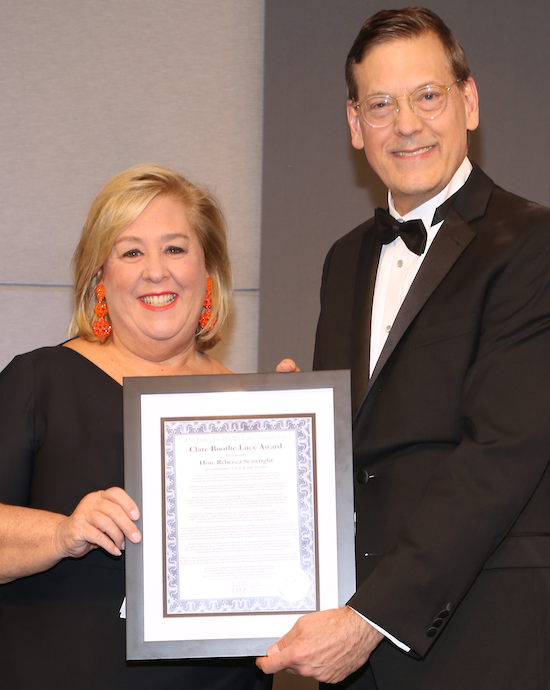
Photo: Clare Boothe Luce Award recipient NYS Assembly member Rebecca Seawright with Jim Luce in the Henry Luce Penthouse of The Asia Society, New York. Credit: Sylvain Gaboury of Patrick McMullan via Getty Images, Oct. 17, 2024.

New York State Assembly member Rebecca Seawright, New York City Council members Gale Brewer and Julie Menin, and New Jersey State Assembly member Shama Haider each took home the foundation’s Clare Boothe Luce Award.

Indhira Arrington, Chief Diversity, Equity & Inclusion Officer for Ares Management Corporation and Vlada von Shats, proprietor of The Russian Samovar in Manhattan’s Theater District both received the foundation’s first Mayflower Award for first generation Americans making a difference.

Liz Abzug of the Bella Abzug Leadership Institute, Rita Cosby of WABC, and Dr. Maurie McInnis, the new president of Yale University, were each presented the foundation’s Quarter Century Global Leadership Award.

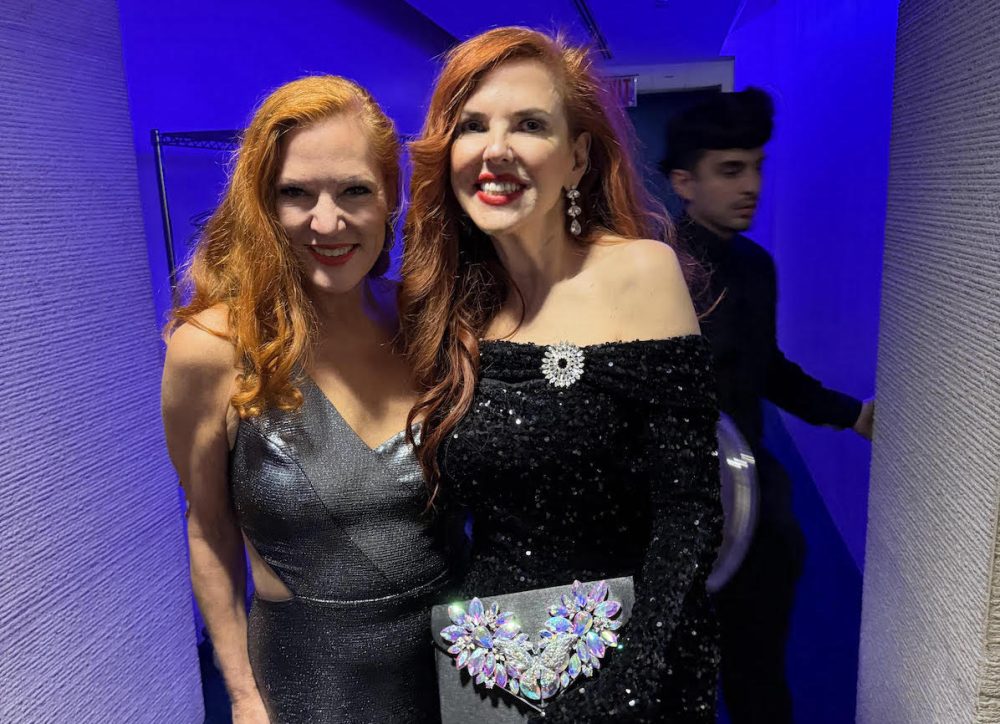
Photo: Jean Shafiroff, Quinn Lemley and Errol Rappaport. Credit: Max Flores.

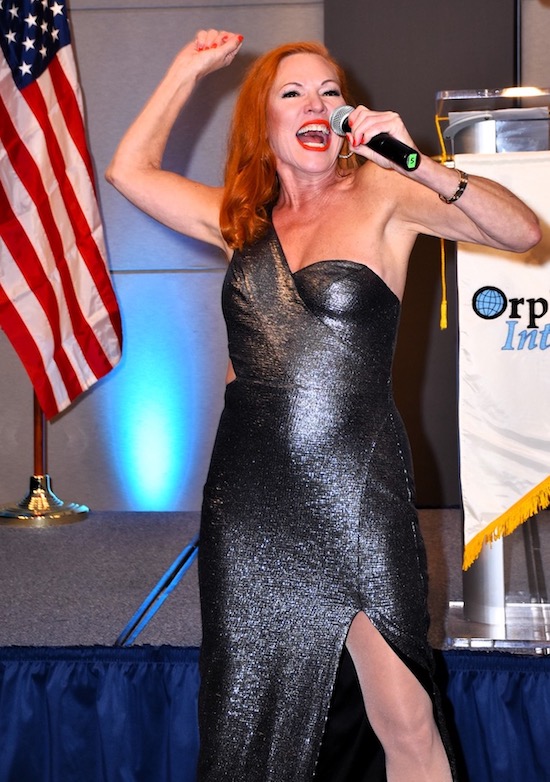
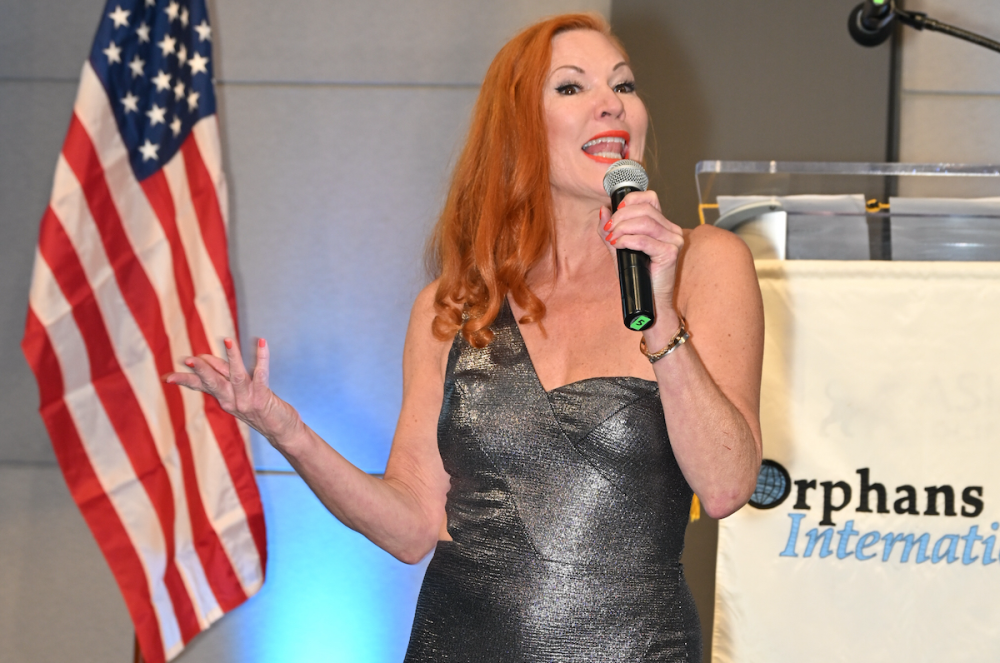
Foundation president Jim Luce told The Stewardship Report, “Award shows often risk losing their audience’s energy, so for our 25th anniversary at the Asia Society, we wanted to ensure an unforgettable celebration.

Having previously seen Quinn Lemley’s stunning off-Broadway tribute to Rita Hayworth, we knew she was the perfect choice to captivate our crowd.”

Quinn Lemley is graduate of NYU Tisch School of the Arts and a Distinguished Toastmaster at Toastmasters International and proud member of National Speakers Association. She is a proud member of SAG, AFTRA, AEA, DTM, NSA NY, APAP, and IEBA.

“We invited her to perform Barbra Streisand’s iconic “Don’t Rain on My Parade” for our milestone event,” Luce continued.

Quinn delivered with incredible enthusiasm, powerful vocals, and flawless professionalism, leaving the audience completely spellbound. She now stands among the greats—Nancy Wilson, Shirley Bassey, Judy Garland, Liza Minnelli, and Bea Arthur—who have mastered this classic song,” Luce said.

“We can’t wait to have Quinn perform for us again and eagerly anticipate her upcoming album and show!,” Luce concluded.

The theme of this 25th anniversary evening will be ‘Peace is possible even in the face of senseless violence. Young global leadership embraces nonviolent conflict resolution.’

Highlighting the event will be the presentation of the prestigious Claire Boothe Luce Award for Public Service, alongside the Luce 24 Under 24 Recognition Awards.

Photo: Quinn Lemley dances with one of the Gypsy Dancers of Russian Samovar. Credit: Max Flores.
Photo: Quinn Lemley and Lorraine Cancro Silvetz. Credit: Max Flores.

The collective efforts of Orphans International and the J. Luce Foundation have empowered youth and enriched communities globally, as well as here in New York City, raising over two million dollars and impacting the lives of over two thousand young individuals.

Renown architect Noushin Ehsan, AIA states, “I am honored to have been selected as a recipient of The James Jay Dudley Luce Foundation’s 2024 Lifetime Achievement Award. I look forward to celebrating with such remarkable individuals dedicated to making a positive global impact.”

Photo: Taty Horoshko, Errol Rappaport, Quinn Lemley and Paul Sladkus. Credit: Max Flores.

The Silver Anniversary Reception will take place in the Luce Penthouse of the Asia Society, situated on Park Avenue at 70th Street, New York City. A 30-second spot (below) has been created to publicize the event, courtesy of Triumph Communications. Business of national attire is encouraged for the occasion.

Awards

Awardees are still being invited but already include a member of the New York City Council and two college presidents.

The awards are as follows:

  • 2024 Lifetime Achievement Award
  • 2024 Claire Boothe Luce Award for Public Service
  • 2024 Commander Stephen Bleecker Luce Award
  • 2024 Humanitarian of the Year Award
  • 2024 Artists-in-Residence
  • 2024 Luce 24 Under 24 Recognition Award
  • Quarter Century Global Officers Recognition Award
  • Quarter Century Graduate Role Models
  • Quarter Century Global Leadership Role Models

Past Awards Recipients include: H.E. Haya Rashed Al Khalifa (Bahrain), H.S.H. Prince Albert (Monaco), Imam Shamsi Ali (Indonesia), Prof. Lenni Benson (N.Y. Law School), H.E. Catherine Boura (Greece), Danielle Duret, M.D. (Haiti), Meera Teresa Gandhi (India), Hon. Benjamin A. Gilman, Prince Manvendra Singh Gohil (India), Cindy Hsu, Hon. Jeremiah Hyacinth (St. Lucia), Princess Khaliya Aga Khan, H.E. Amb. Dr. Palitha Kohona (Sri Lanka), Dr. Judy Kuriansky (Columbia University), H.E. Hon. Li Baodong (China), Kevin McGovern, Rear Adm. Michael Alfultis, Hon. Carolyn Maloney, Hon. Geneive Brown Metzger LLD (Jamaica), Taku Nishimae (Japan), Hon. Mitzi Perdue, and Hon. Jumaane Williams.

Global Heroes: In the Initial Report of Orphans International Worldwide (1999), the founder wrote, “Without saints, secular or divine, sanctity can too easily be viewed as mere abstraction. Our children need heroes. The courage of Mahatma Gandhi and the brilliance of Albert Einstein make sainthood a reality for us all.”

Photo: Quinn Lemley, Errol Rappaport, Rita Cosby and Tomaczek Bednarek. Credit:Max Flores.

In our Initial Report, Luce called for 36 real-life saints to serve as role models for the children of OIW as part of the process of Raising Global Leaders. These global heroes included:

Mahatma Gandhi, Oscar Romero, The Dalai Lama, Thich Nhat Hanh, Katharine Drexel, Dorothy Day, Woodrow Wilson, Albert Schweitzer, Martin Luther King Jr., Mother Teresa, Desmond Tutu, Aung San Suu Kyi, Nelson Mandela, Yitzhak Rabin, Pearl S. Buck, Menachem Begin, Heinrich Böll, Willy Brandt, Albert Camus, Winston Churchill, Albert Einstein, T.S. Eliot, Gabriel García Márquez, Dag Hammarskjöld, Ernest Hemingway, Herman Hesse, Yasunari Kawabata, Rudyard Kipling, Le Duc Tho, Sinclair Lewis, Thomas Mann, Eugene O’Neil, Anwar Sadat, Jean-Paul Sartre, Eisaku Sato, Isaac Bashevis Singer, John Steinbeck, Rabindranath Tagore, and Elie Wiesel.

Projects

Past

  • Orphans International Worldwide homes & projects: Bali, Sulawesi, Sumatera, Sri Lanka, Haiti, Dominican Republic, and Tanzania
  • Orphans International Worldwide Global Standards
  • Luce Leadership Experience: Greece, Indonesia, Jamaica, India, Sri Lanka, and Haiti

Present

Future

Past venues for the family’s charities have included: Asia Society, Americas Society, China Institute, Cipriani, Columbia University, Consulate of Cuba, Consulate of India, Consulate of Jamaica, Consulate of Sri Lanka, Consulate of Indonesia, Cornell Club, Harvard Club, Home of Jim Luce, Home of Henry Luce III, Home of Peter Yarrow, El Museo del Barrio, National Arts Club, New York Yacht Club, Princeton Club, Russian Samovar, St. John’s Church, Skadden Arps, United Nations, University Club, Yale Club, Webster Hall, and White & Case.

Credit: Paul Prince.

Quinn Lemley Performs at J. Luce Foundation 25th Anniversary (Oct. 18, 2024)


Balancing Compassion, Practicality: Sponsoring Family Member in Need


Dear Dr. Milan –

I married a man about half my age, from the other side of the world. Awkwardly, his mother is a few years younger than I am. Recently, we have discovered his mother is being abused by her husband (his father). We want to invite her to come stay with us in New York to get away from him and find safety. However, my husband is now suggesting she stay permanently and that we sponsor her for her green card. She has never worked because she stayed home to take care of their home and she does not speak English. Being younger than me, I find it rather awkward. But I want to do the right thing. Can you tell me what the right thing is?

Nice Guy in New York

Dear Nice Guy,

You are facing a very challenging situation where empathy, practicality, and personal boundaries are all at play. It’s clear that you want to do the right thing by supporting your mother-in-law, but there are a few important factors to consider before making such a big commitment.

  1. Emotional and Practical Boundaries

First, it’s important to acknowledge the complex dynamics here. You’ve already navigated an age gap and cultural differences in your marriage, and now you’re facing the reality of inviting a family member into your home under difficult circumstances. You want to support your husband, but your own feelings of awkwardness are valid, especially given the close proximity to your mother-in-law’s age.

It’s important to have an open and honest conversation with your husband about how you feel. You can express that while you want to help his mother, you’re not sure about the permanence of the arrangement, particularly given the emotional and financial responsibility that would come with sponsoring her for a green card.

You could say something like:

“I want to support your mom, and I agree she needs to get away from the abuse. However, I’m concerned about what permanent living arrangements and sponsorship would mean for us, especially given our current situation. I feel a bit uncomfortable with the idea of her living with us indefinitely, and I think we need to talk about what the long-term plan looks like for everyone.”

This approach communicates your willingness to help while also making space for your own feelings and concerns.

  1. Practical Considerations of Sponsorship

Sponsoring a green card for someone is a significant commitment, both legally and financially. Beyond housing her, there are the realities of providing for her well-being, especially given that she hasn’t worked in the past and may not have skills to support herself independently in the U.S.

It’s important to consider whether you and your husband can fully support her—not just physically, but also emotionally and financially. If her permanent stay in your home is part of the plan, you should have a clear understanding of what that might entail in the years ahead.

You might want to consider speaking to an immigration attorney to understand the legal process and any potential complications. Are there other ways you can help her without the permanent commitment? For example, can she stay temporarily while you help her find resources and legal support to explore other options, such as seeking protection and independence in the U.S.?

  1. Impact on Your Marriage and Family Life

This decision will not only affect your relationship with your mother-in-law but also your relationship with your husband. While it’s admirable that he wants to help his mother, your feelings are equally important. It’s essential to find a balance between supporting his wishes and honoring your own needs.

It could help to set boundaries early on to protect your own space and ensure that your relationship continues to thrive. You can find a solution that allows your mother-in-law to get the support she needs, but also ensures that your family unit remains intact and healthy.

For example, you might suggest:

“Maybe we can support her emotionally by helping her find a safe place to stay temporarily while she gets the help she needs. If we sponsor her for a green card, we would need to be sure we can provide for her in the long term. Let’s think about what is best for all of us before making any permanent decisions.”

  1. Compassionate Help Without Overextending

Offering temporary support may allow you to help her escape the abuse without committing to a permanent living arrangement. You could consider offering to connect her with domestic violence resources or temporary housing programs, or you could offer help navigating legal options for her.

Helping her transition into a safer, more independent life may be a better long-term solution than permanently integrating her into your household, especially if this would bring complications or strains on your relationship.

Final Thoughts

There is no one-size-fits-all answer to your situation, but your first priority should always be the well-being of your family—yourself, your husband, and your children. You can support your mother-in-law without putting your family’s emotional or financial stability at risk. Taking the time to carefully weigh the practical, emotional, and legal consequences will allow you to make the best decision for everyone involved.

With Compassion,
Dr. Sami Milan


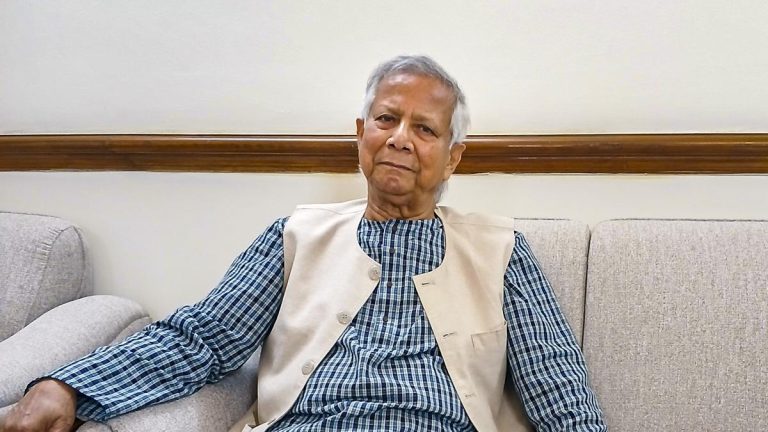
VOA Interview: Muhammad Yunus on Restoring Order in Bangladesh 


New York, N.Y. — After a series of student-led protests resulted in hundreds of civilian casualties, former Bangladeshi Prime Minister Sheikh Hasina stepped down and fled the country on August 5.

Days later, Muhammad Yunus, the Nobel laureate who pioneered the global microcredit movement, was sworn in as the nation’s interim leader. He spoke with Voice of America Bangla Service reporter Anis Ahmed on Friday in New York, where he explained his decision to grant temporary magistracy powers to the army to restore law and order after the police lost public trust. He also stressed the critical role of youth leadership in shaping the country’s future.

Yunus, who took office amid widespread unrest, highlighted key priorities such as strengthening relations with neighboring countries, holding elections, reforming the constitution and addressing the Rohingya refugee crisis. He confirmed that reforms and elections remained essential before power could be handed over to elected representatives.

The following transcript has been edited for length and clarity:

VOA: First, we would like to know that after nearly one and a half months of assuming this responsibility on August 8, you have now delegated magistracy power to army officers. Why do you feel it was necessary?

Muhammad Yunus, chief adviser of the interim government of Bangladesh: To bring law and order to the country. We were trying to work it out through the police, which is normal. But the police have lost their moral courage because when they face people, they hear bitter words. Just a few days ago they killed some students, so they are distancing themselves — they don’t want to be out front. So, as they lost morale, we lost the strength of law and order. But as we’ve said before, not everyone in the police is responsible for wrongdoing. We will identify those who have done wrong. They will be brought to justice. But this is a long process; it’s not happening all of a sudden. And in the meantime, law and order is being violated — different types of violations are happening. We thought that if we allowed this to continue, then conditions would deteriorate, so the issue of giving powers to our army came up. We asked the army, and they agreed. They said, “We’re here, but no one is heeding us because we do not have any power. If we had some power, the people would be cautious.” We then gave them the magistracy power but for a limited period, for two months. That’s how it happened.

VOA: So, you’re hopeful that the police service will return in two months?

Yunus: Yes, I hope so. They’re not able to use their power; the army has come in and that’s not very pleasing for them that their duties are being performed by someone else.

VOA: We know students took the role of leadership amid the unrest, and that there are student representatives in your government as well. But is it also true that we are seeing students trying to establish their authority in different sectors and institutions of the country? Are these students running the country? What role are they playing?

Yunus: Yes, they should. The youth should assume authority. So far, the old people have made mistakes, so let there be an effort for youth to come forward and take responsibility. They might also make mistakes and then correct those, but their leadership ushered in big changes. So, I don’t find any reasons to doubt their capacity for leadership.

VOA: So, can we say that the students are running your administration?

Yunus: No, I didn’t say they are running the administration, I said they should. Let the youth take it. I have always said, even before I took this responsibility, that it should be in the hands of the youth because they will build their future. If we try to write the future for them, that would not be right. So, I’ll say again that not only in Bangladesh but in the entire world, youth should be given this responsibility.

VOA: We haven’t heard anything from you regarding the duration of this interim government, but General Waqar-Uz-Zaman recently said an election would occur within the next 18 months. Are we safe to assume the interim government would dissolve at that time?

Yunus: Well, if you want to presume, you may, but that’s not the decision of the government. The government has not given any opinion so far. The government needs to say when they would take a decision about their duration.

VOA: The Advisory Committee to the interim government has yet to make any decisions?

Yunus: We have discussed but no decisions have been taken yet.

VOA: What are the plans of your government to improve relations with India?

Yunus: We are telling them clearly that we want good relations with them. Because that is needed for India and for us, too. We are neighbors. If relations between neighbors are bad, it’s not good for any nation. It’s not good for them, nor for us. It’s in the interest of our two countries that our relations should be close and cordial.

VOA: Former Prime Minister Sheikh Hasina is in India. What steps are you taking to extradite her to Bangladesh?

Yunus: This is a legal matter. Definitely we will want her back, wherever she might be, whenever we can legally implement the decision.

VOA: After August 5, Bangabandhu Memorial Museum, once home to Hasina’s father but turned into a museum after his assasination there, Sheikh Mujibur Rahman, was destroyed. Your government subsequently canceled the national day of mourning. Obviously, some look on Rahman, in their words, as a fascist icon. But Rahman has long been recognized as the father of the nation. What’s the viewpoint of your interim government?

Yunus: You’re talking about the past. Apparently, you don’t remember that a mass uprising has since taken place. You’re speaking as if it never happened. You need to see what’s happening in this new situation. You do not seem to have any questions about how many students have sacrificed their lives, why they sacrificed their lives. First, we must admit that they, the students, said that we have pushed a reset button. The past is gone for sure. Now we will build up in new way. People also want that. And this new way means we must bring reforms.

VOA: We’ve paid respect to those killed during the student-led uprisings, and you have said that their killers will be brought to justice. But at the same time, after August 5, many others were killed. A short while ago we were talking about many police being killed. What steps are being taken by your government to bring the perpetrators to justice?

Yunus: Whoever has committed a crime and wherever that might be, they will be brought to justice. If that’s not done, justice won’t be complete. To judge one type of crime and not another, that’s not acceptable. That would be a form of partisan justice. So, if we return to that kind of partisanship, the mass movement would have been meaningless. So, if crime is committed, the criminal will face the law.

VOA: There are more than a million Rohingya currently displaced in Bangladesh. Will your government grant them refugee status?

Yunus: International institutions have given them this status. The United Nations refugee agency [UNHCR] has been working there for a long time. So, they are refugees. They are not citizens of our country.

VOA: But officially they are not recognized as refugees.

Yunus: If they were not refugees, UNHCR couldn’t reach them.

VOA: Thousands of Rohingya recently arrived in Bangladesh, and it is assumed that more are on the way. So, if more Rohingya enter Bangladesh, then what would be your decision?

Yunus: According to international law, if they want to come, we will let them. We will accept them. And then we’ll do whatever is necessary. It’s not our problem alone. It is the responsibility of the entire world. When one’s life is at stake, one seeks refuge. We cannot close doors on them. You know, it’s been going on for ages. They have been here for the last seven years. Questions are being raised about their future and the future of their children. Nearly 32,000 Rohingya children are born here every year, so the Rohingya community is growing, even independently of new arrivals. When they came, they brought infant children with them. They, too, have grown up. What are you going to do about them? They can’t even see their future. Because of high-tech media they can see the entire world, but they’re confined like in a prison. They may grow angry; they may grow rebellious. This is not a good thing. We don’t know how it’s going to spread, where it will go. We really don’t know, so the whole world should focus on how to help them have a satisfying life. We are looking for a solution.

VOA: There are discussions about constitutional amendments. You’ve even established a committee about it. Is it going to happen during your interim government’s time and what kind of changes or amendments are you expecting?

Yunus: As I said before, we must begin everything anew. The previous government destroyed everything. So, from that destruction we need to rise afresh. That’s why we are establishing commissions for all fields. We have made six commissions; more commissions will come soon. Of those, one commission is on the constitution. The whole country wants the constitution to be amended. However, the topic may be subject to debate. That’s why the commission will create guidelines for those debates. That will give the country an opportunity to debate on it so that the political parties can give their opinion and can decide whether they are going to amend right now or later, and what exactly they would do. The constitution that we have now will not be helpful. If the country runs according to the present constitution, the same situation will happen again.

VOA: Some people are talking about changing the constitution, others are talking about amending it. Whatever happens, how is it going to be implemented?

Yunus: It is a matter of law. What we are now doing is not on the process of implementation, we are focusing on why we need it. When they sit for discussion, they will decide those matters from a legal perspective. We are trying to reach a unanimous opinion on what exactly we need. Then there will be another round of discussion on the legal process.

VOA: What are your main objectives as interim leader?

Yunus: My main objectives are to bring in reforms, to arrange an election and hand over the power to the elected representatives.

VOA: The chief adviser of the interim government of Bangladesh, Dr. Muhammad Yunus, thank you so much on behalf of Voice of America.

Yunus: Thanks to you, too.

This interview was translated from the original Bangla language by VOA Bangla Service’s Anis Ahmed.

October 1, 2024: President Jimmy Carter’s 100th Birthday


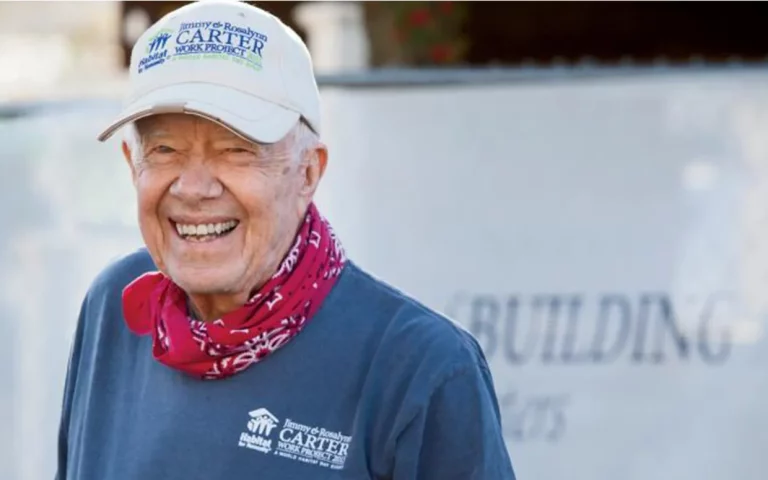
One of the most touching aspects of Carter’s centennial celebration was the outpouring of love for his simple, down-to-earth approach to life. Even as a former president, he continued to volunteer for Habitat for Humanity, building homes for the less fortunate well into his 90s.


New York, N.Y. — On October 1, 2024, the world paused to celebrate an extraordinary milestone: President Jimmy Carter’s 100th birthday. As the longest-living U.S. president in history, Carter’s centennial was not just a celebration of longevity but a testament to a life dedicated to service, compassion, and peace.

During World War II, Jimmy Carter studied at the U.S. Naval Academy in Annapolis, taking his courses in Stephen Bleecker Luce Hall.

In a small, heartfelt gathering in Plains, Georgia—Carter’s beloved hometown—the streets were adorned with banners and balloons, while residents and visitors alike shared fond memories of their “favorite son.”

Across the country and the globe, leaders, celebrities, and everyday citizens sent tributes to honor a man who spent his life working for the betterment of others.

Jimmy Carter’s journey has been remarkable. From his roots as a peanut farmer to serving as the 39th president of the United States, Carter’s legacy has transcended politics.

His presidency, spanning from 1977 to 1981, was marked by key achievements, including the Camp David Accords, a historic peace agreement between Israel and Egypt, which earned him global recognition as a champion of diplomacy and peace. Even after leaving office, Carter’s work was far from over.

Founding the Carter Center in 1982, he and his wife Rosalynn launched initiatives aimed at promoting human rights, advancing democracy, and eradicating diseases like Guinea worm and river blindness.

Carter’s tireless work earned him the Nobel Peace Prize in 2002, cementing his place not just as a statesman, but as a humanitarian icon.

His efforts to combat poverty, monitor elections in troubled regions, and bring hope to the world’s most vulnerable populations inspired millions.

One of the most touching aspects of Carter’s centennial celebration was the outpouring of love for his simple, down-to-earth approach to life.

Even as a former president, he continued to volunteer for Habitat for Humanity, building homes for the less fortunate well into his 90s. That image of him hammering nails alongside other volunteers became emblematic of his belief that serving others was the greatest form of leadership.

The event in Plains was both intimate and grand. Music filled the air as local choirs sang “Happy Birthday” and children waved small American flags. Carter, although now frail, smiled warmly as he took in the scene.

He offered a few heartfelt words, reminding the crowd of his guiding principles: love, service, and peace. “I’ve always believed,” he said softly, “that we can create a better world by looking out for one another. I’m grateful to have lived long enough to see the progress we’ve made.”

Tributes poured in from across the globe.

President Joe Biden and former presidents Barack Obama, Bill Clinton, and George W. Bush shared heartfelt messages, reflecting on Carter’s legacy. Celebrities who worked with him on humanitarian projects also paid their respects. “Jimmy Carter is proof that true greatness lies in how we treat others,” Oprah Winfrey remarked in a moving speech.

As night fell, a brilliant display of fireworks lit up the sky over Plains, a fitting tribute to a man who had always sought to light up the lives of others. The world joined together to honor Jimmy Carter—not just for his remarkable 100 years, but for the timeless example of kindness and service that will continue to inspire generations to come.

It was a celebration of life well-lived, a reminder that even at 100, the impact of Jimmy Carter’s work still echoes through every act of kindness, every peace accord, and every life changed by his dedication to making the world a better place.


October 1, 2024: President Jimmy Carter’s 100th Birthday (Oct. 1, 2024)

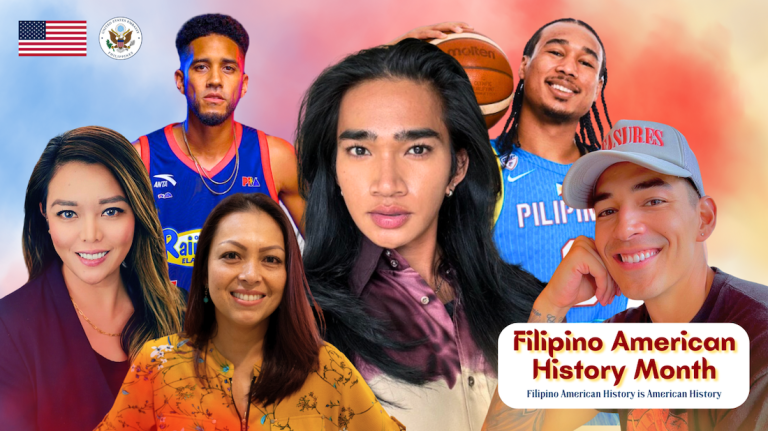
Filipino American History Month – A Legacy of Struggle and Triumph


Filipino American History Month highlights centuries of struggle,
resilience, and contributions to America amid calls for better recognition

Los Angeles — Filipino American History Month (FAHM), observed every October since its official designation by Congress in 2009, commemorates the enduring legacy and contributions of Filipinos in the United States.

This month-long celebration highlights the struggles, resilience, and achievements of Filipino Americans, whose history in the U.S. dates back to October 18, 1587, when Luzones Indios first set foot in Morro Bay, California aboard the Spanish galleon Nuestra Señora de Esperanza.

Despite their integral role in shaping American society—from labor movements led by figures like Larry Itliong to military service during World War IIFilipino Americans have often faced systemic challenges.

These include colonial exploitation, racial discrimination, and exclusionary policies such as the First Supplemental Surplus Appropriation Rescission Act of 1946, which denied Filipino WWII veterans benefits they were promised for their service.


The theme of FAHM 2024, “Struggle, Resistance, Solidarity, and Resilience,” encapsulates these adversities while celebrating the community’s triumphs over them.

From activism against unfair labor practices to cultural contributions in art and music by icons like Olivia Rodrigo, Filipino Americans continue to enrich the fabric of American society.

However, disbelief and frustration persist over the lack of widespread recognition for Filipino American contributions. While events like Fil Fest USA in Virginia spotlight Filipino heritage through food festivals and performances by artists like Jay R, many argue that these efforts fall short of addressing deeper issues of representation and equity.


Filipino American History Month – A Legacy of Struggle and Triumph (Oct. 1, 2024)


Advocate for greater inclusion
of Filipino American history
in school curriculums and
support initiatives recognizing
Filipino veterans’ sacrifices.


#FilipinoAmericanHistoryMonth #FAHM2025
#FilAmLegacy #CulturalResilience #FilAmHeritage

Tags: Filipino American History Month, Filipino veterans,
FAHM 2024, cultural heritage, U.S.-Philippines history


Social Media Blurbs

X (Twitter)

“Filipino American History Month: Honoring a Legacy of Resilience #FAHM2025 #FilAmHeritage Learn more: bit.ly/FAHMStory”

Bluesky

“October celebrates Filipino American History Month! Discover their rich legacy & resilience through centuries. #FAHM2025 #CulturalResilience Read more: bit.ly/FAHMStory”

LinkedIn

“October marks Filipino American History Month—a time to honor the resilience and contributions of Filipinos in U.S. history dating back to 1587. From labor leaders like Larry Itliong to WWII veterans fighting for recognition post-1946, their impact is undeniable yet often overlooked. Join us in celebrating this legacy while advocating for better representation in education and policy. Learn more about FAHM’s significance here: www.stewardshipreport.org/wiki #FAHM2025 #FilAmLegacy #CulturalResilience”

Truth Social

“October celebrates Filipino American History Month—a tribute to their resilience & contributions to U.S. society! Learn more here: www.stewardshipreport.org/wiki #FAHM2025″

Mastodon

“Celebrate Filipino American History Month this October! From pioneers landing at Morro Bay in 1587 to modern-day cultural icons like Olivia Rodrigo—this month honors resilience & contributions amid systemic challenges. Learn more about FAHM’s significance here: www.stewardshipreport.org/wiki #FAHM2025″

Instagram

“October is Filipino American History Month! Celebrate centuries of contributions & resilience with us this month! Learn more about FAHM’s legacy at the link in bio 🌟
#FAHM2025 #CulturalResilience #FilAmHeritage”

Facebook

“Honoring centuries of resilience & contributions during Filipino American History Month this October! From WWII veterans denied benefits post-1946 to cultural icons today—this celebration highlights triumphs over adversity while calling for greater recognition. Learn more about FAHM’s significance here: www.stewardshipreport.org/wiki #FAHM2025 #FilAmLegacy”

Reddit

“Why does Filipino American history remain underrepresented despite decades of vital contributions? October’s Filipino American History Month highlights their legacy—from Morro Bay pioneers in 1587 to WWII veterans denied benefits post-1946. Share your thoughts on how we can ensure better recognition! Learn more here: www.stewardshipreport.org/wiki #FAHM2025″

Celebrating LGBT History Month – Legacy of Resilience and Progress


Monthly Feature: October


New York, N.Y. — Every October, communities across the globe come alive with vibrant celebrations, educational events, and heartfelt reflections as LGBT History Month takes center stage.


Established in the United States in 1994 by Missouri high school history teacher Rodney Wilson, this annual observance shines a spotlight on the contributions, struggles, and triumphs of lesbian, gay, bisexual, and transgender individuals throughout history. What began as a grassroots effort has blossomed into an international movement, fostering understanding, pride, and progress.

LGBT History Month isn’t just a time to look back—it’s a powerful reminder of how far society has come and how much further it can go. From the Stonewall Riots of 1969, which ignited the modern LGBTQ+ rights movement, to the legalization of same-sex marriage in numerous countries, the journey has been marked by courage and resilience.

This month honors icons like Marsha P. Johnson, a Black transgender activist who fought for equality, and Harvey Milk, the first openly gay elected official in California, whose legacy continues to inspire.


Why does it matter?

In a world where discrimination still lingers, LGBT History Month offers a chance to educate and uplift. It’s a celebration of identity, a rejection of erasure, and a call to recognize the diverse voices that have shaped culture, politics, and human rights.

Schools, libraries, and organizations host events—think panel discussions, film screenings, and art exhibits—bringing history to life. For younger generations, it’s an opportunity to see themselves reflected in the past and empowered for the future.

Take, for example, the story of Bayard Rustin, a gay Black civil rights leader who organized the 1963 March on Washington. Often overlooked, his contributions highlight the intersectionality of the LGBTQ+ experience—a key theme of this month. By amplifying such narratives, we build bridges between communities and challenge stereotypes.

It’s not just about the past; it’s about creating a more inclusive present.


This year’s celebrations, observed in October 2025, come at a pivotal moment.

With global conversations around gender identity and equality gaining momentum, LGBT History Month serves as both a beacon of hope and a rallying cry. Organizations like GLAAD and the Human Rights Campaign encourage participation through workshops and online campaigns, making it easier than ever to get involved. Whether it’s attending a local event or sharing a story on social media, every action counts.
The impact is tangible.

Studies show that visibility and education reduce prejudice—something LGBT History Month achieves in spades. It’s a month where allies can learn, communities can heal, and individuals can find strength in their shared heritage. Imagine a world where every person feels seen and valued—that’s the vision this observance pushes forward.


So, what’s a good call to action? It’s simple yet profound: engage, learn, and amplify.

Attend an event in your area, read up on an LGBT pioneer, or post about it online with hashtags like #LGBTHistoryMonth or #PrideInThePast. Small steps ripple outward, fostering a culture of acceptance.

As Rodney Wilson once said, “We are not just celebrating history; we are making it.” Let’s keep that momentum going.

LGBT History Month matters because it reminds us that progress isn’t accidental—it’s built by people who dared to stand up. It’s a month of joy, reflection, and unity, proving that when we honor our past, we pave the way for a brighter future. Join the celebration this October and be part of something transformative.

Celebrating LGBT History Month – Legacy of Resilience and Progress (Oct. 1, 2024)


#LGBTHistoryMonth, #PrideInThePast, #LGBTLegacy,
#EqualityMatters, #CelebrateDiversity

Tags: LGBT History Month, gay rights, transgender history, equality,
diversity, inclusion, education, activism, pride, social justice

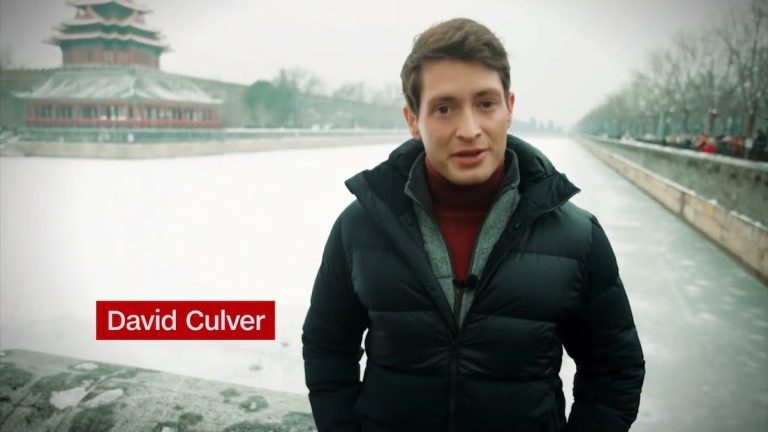
CNN’s David Culver: Transcending Borders and Global Issues

0

David Culver of CNN exemplifies the essence of a true global citizen through his impactful journalism and compassionate storytelling.


New York, N.Y. David Culver of CNN exemplifies the essence of a true global citizen through his impactful journalism and compassionate storytelling. His work is characterized by an ability to transcend borders, presenting global issues with clarity, empathy, and insight.

Whether reporting from China, Latin America, or covering major international events, Culver brings an authentic, thoughtful perspective to each story.

His language skills and cultural awareness enable him to navigate complex geopolitical landscapes with ease, making his reports both informative and accessible to a wide audience.

Culver’s coverage during critical moments, such as the COVID-19 pandemic, showcased his dedication to providing balanced, in-depth journalism while giving a voice to those directly affected.

His commitment to illuminating the human side of global events fosters understanding and connection between diverse communities worldwide.

He approaches his work with curiosity and respect, embodying the principles of inclusivity and mutual respect that define a global citizen. His efforts contribute to a more informed and connected world, making him a standout journalist on the international stage.

CNN’s David Culver: Transcend Borders, Presenting Global Issues (Sept. 23, 2024)


Family Charities to Celebrate 25 Years – at Asia Society NYC

0

Raising, Supporting & Educating Young Global Leaders – Silver Anniversary


New York, N.Y. The Board of Directors of Orphans International Worldwide and the James Jay Dudley Luce Foundation have announced plans to celebrate their twenty-fifth anniversary this autumn at New York’s Asia Society. Tickets: here

“Twenty-five years ago, driven by the inspiration of my adoption of an infant from Indonesia and my mother, a child psychologist, we established our first home for children in Indonesia, thus giving birth to Orphans International,” Jim Luce states.

“Influenced by the teachings of my college professor father, the J. Luce Foundation emerged, aligning with our joint mission of Raising, Supporting & Educating Young Global Leaders over the past two decades,” Luce adds.

A commemoration of lands and people our charities have collaborated with including Bangladesh, Canada, China, Colombia, the Dominican Republic, Ghana, Greece, Guyana, Haiti, India, Indonesia, Israel, Jamaica, Japan, Liberia, Malawi, Myanmar, Nepal, Pakistan, Palestine, the Philippines, Peru, Sri Lanka, Taiwan, Tanzania, Tibet, Ukraine, and Vietnam.

Jim Luce with orphaned children outside Lomé in Togo, West Africa, 2008.

The theme of this 25th anniversary evening will be ‘Peace is possible even in the face of senseless violence. Young global leadership embraces nonviolent conflict resolution.’

Highlighting the event will be the presentation of the prestigious Claire Boothe Luce Award for Public Service, alongside the Luce 24 Under 24 Recognition Awards.

The collective efforts of Orphans International and the J. Luce Foundation have empowered youth and enriched communities globally, as well as here in New York City, raising over two million dollars and impacting the lives of over two thousand young individuals.

Renown architect Noushin Ehsan, AIA states, “I am honored to have been selected as a recipient of The James Jay Dudley Luce Foundation’s 2024 Lifetime Achievement Award. I look forward to celebrating with such remarkable individuals dedicated to making a positive global impact.”

The Silver Anniversary Reception will take place in the Luce Penthouse of the Asia Society, situated on Park Avenue at 70th Street, New York City. A 30-second spot (below) has been created to publicize the event, courtesy of Triumph Communications. Business of national attire is encouraged for the occasion.

The event will be held in the Henry Luce Penthouse of the Asia Society.

“This is a significant milestone for us,” Luce says. “As are assembling our Host Committee and extending invitations to public and diplomatic officials, and we ask our friends to confirm via email or text at 347-316-7087.”

The original sculpture of The Knotted Gun also known as “Non-Violence” was created by Swedish artist Carl Fredrik Reuterswärd, a friend of John Lennon‘s family. Reuterswärd created this piece of art after Lennon’s tragic death as he wanted to honor the singer’s vision of a peaceful world.

A 30-second spot has been created to publicize the event, courtesy of Triumph Communications.

Awards

Awardees are still being invited but already include a member of the New York City Council and two college presidents.

The awards are as follows:

  • 2024 Lifetime Achievement Award
  • 2024 Claire Boothe Luce Award for Public Service
  • 2024 Commander Stephen Bleecker Luce Award
  • 2024 Humanitarian of the Year Award
  • 2024 Artists-in-Residence
  • 2024 Luce 24 Under 24 Recognition Award
  • Quarter Century Global Officers Recognition Award
  • Quarter Century Graduate Role Models
  • Quarter Century Global Leadership Role Models

Past Awards Recipients include: H.E. Haya Rashed Al Khalifa (Bahrain), H.S.H. Prince Albert (Monaco), Imam Shamsi Ali (Indonesia), Prof. Lenni Benson (N.Y. Law School), H.E. Catherine Boura (Greece), Danielle Duret, M.D. (Haiti), Meera Teresa Gandhi (India), Hon. Benjamin A. Gilman, Prince Manvendra Singh Gohil (India), Cindy Hsu, Hon. Jeremiah Hyacinth (St. Lucia), Princess Khaliya Aga Khan, H.E. Amb. Dr. Palitha Kohona (Sri Lanka), Dr. Judy Kuriansky (Columbia University), H.E. Hon. Li Baodong (China), Kevin McGovern, Rear Adm. Michael Alfultis, Hon. Carolyn Maloney, Hon. Geneive Brown Metzger LLD (Jamaica), Taku Nishimae (Japan), Hon. Mitzi Perdue, and Hon. Jumaane Williams.

Tickets. VIP: $250, Regular $125, Student/YGL** $75. Reserved cocktail tables (for three) available at $1,000.

Program: 6-7pm Meet & Greet, Red Carpet/photos, videos, vodka tasting; 7-8pm speeches & entertainment; 8-9pm awards.

Global Heroes: In the Initial Report of Orphans International Worldwide (1999), the founder wrote, “Without saints, secular or divine, sanctity can too easily be viewed as mere abstraction. Our children need heroes. The courage of Mahatma Gandhi and the brilliance of Albert Einstein make sainthood a reality for us all.”

In our Initial Report, Luce called for 36 real-life saints to serve as role models for the children of OIW as part of the process of Raising Global Leaders. These global heroes included:

Mahatma Gandhi, Oscar Romero, The Dalai Lama, Thich Nhat Hanh, Katharine Drexel, Dorothy Day, Woodrow Wilson, Albert Schweitzer, Martin Luther King Jr., Mother Teresa, Desmond Tutu, Aung San Suu Kyi, Nelson Mandela, Yitzhak Rabin, Pearl S. Buck, Menachem Begin, Heinrich Böll, Willy Brandt, Albert Camus, Winston Churchill, Albert Einstein, T.S. Eliot, Gabriel García Márquez, Dag Hammarskjöld, Ernest Hemingway, Herman Hesse, Yasunari Kawabata, Rudyard Kipling, Le Duc Tho, Sinclair Lewis, Thomas Mann, Eugene O’Neil, Anwar Sadat, Jean-Paul Sartre, Eisaku Sato, Isaac Bashevis Singer, John Steinbeck, Rabindranath Tagore, and Elie Wiesel.

Projects

Past

  • Orphans International Worldwide homes & projects: Bali, Sulawesi, Sumatera, Sri Lanka, Haiti, Dominican Republic, and Tanzania
  • Orphans International Worldwide Global Standards
  • Luce Leadership Experience: Greece, Indonesia, Jamaica, India, Sri Lanka, and Haiti

Present

Future

Past venues for the family’s charities have included: Asia Society, Americas Society, China Institute, Cipriani, Columbia University, Consulate of Cuba, Consulate of India, Consulate of Jamaica, Consulate of Sri Lanka, Consulate of Indonesia, Cornell Club, Harvard Club, Home of Jim Luce, Home of Henry Luce III, Home of Peter Yarrow, El Museo del Barrio, National Arts Club, New York Yacht Club, Princeton Club, Russian Samovar, St. John’s Church, Skadden Arps, United Nations, University Club, Yale Club, Webster Hall, and White & Case.

Family Charities to Celebrate 25 Years – at Asia Society NYC (Sept. 20, 2024)


ABOUT Addiction Advice Africa Africa – South Africa – West Americas & Caribbean Analysis Animals & Animal Rights Anthropology Architecture Asia – East Asia-Pacific Asia – South Asia – Southeast Authoritarianism Available Content Calendar Celebrity Children Childrens' Literature China (PRC) Cities & Urban Development Corporations Cuisine & Culinary Arts CULTURE Dance Disaster & Development Economics Education Europe Events Extremism Eyewitness Faith, Religion & Theology Family & Relationships Fashion Film & TV Global Warming Goodness Gun Control Health & Hygiene Heros of Democracy History Human Rights Humor Immigration & Migration In Depth International Relations Jim Luce Writes Law & Judicial System Leadership Liberation Movements Media Mental Health Mideast Monthly Feature Museums & Galleries Music Nature News Obituary Older Adults Open Orphans International Outer Space Pacific Islands Peace & Conflict Resolution Philanthropy Philosophy Philosophy Photography Poetry & Fiction Politics Pop Culture Poverty Press Pulse Profiles Racisim & Black Lives Matter Review Royalty Science & Technology Service Organizations Sexuality & Gender Social Media Sports & Olympics The Arts Theater & Comedy Travel U.N. U.S. Video Viewpoint War, Conflict & Terrorism Women WORLD World War II World War III Youth

Venezuela Rights Probe: ‘Unprecedented’ Repression


Arrests, sexual abuse and torture as just some of the methods used by the Government of President Nicolas Maduro to stay in power. Many were subjected to torture and other cruel, inhuman or degrading treatment, as well as sexual violence with reported electric shocks, beating with blunt objects, suffocation with plastic bags, immersion in cold water, and forced sleep deprivation.


New York, N.Y. — Violence used against opponents of the Venezuelan authorities has reached unprecedented levels, a top independent human rights probe alleged on Tuesday, citing arrests, sexual abuse, and torture as just some of the methods used by the Government of President Nicolas Maduro to stay in power.

In a new report, the Human Rights Council-mandated investigators described how security forces had raided dozens of homes of suspected critics of the Government “just using social media videos as the only evidence to arrest people”.

Violence and threats

Victims’ testimonies gathered either side of the disputed Presidential election on 28 July which returned Mr. Maduro to office for the third time pointed to “one of the most acute human rights crises in recent history,” the Independent International Fact-Finding Mission on Venezuela further maintained.

Speaking to journalists in Geneva, Marta Valiñas, Chair of the investigation, insisted that that its latest findings were “overwhelming: not only have there been no improvements, but the violations have intensified, reaching unprecedented levels of violence”.

The independent rights expert described “an intensification of the State’s repressive machinery” with regard to its critics which represented “a continuation of previous patterns” that the independent rights panel had already condemned as likely crimes against humanity.

Following the re-election of Mr. Maduro – whose victory announcement prompted widespread protests across Venezuela – Ms. Valiñas said that the probe had confirmed 25 fatalities.

Grisly findings

Most of the victims were “young people under 30 years old from popular neighbourhoods. There are two children among them,” she said. One of the deceased was a member of the Bolivarian National Guard, Ms. Valiñas noted, before adding that 24 “died from gunshot wounds [and] the other was beaten to death”.

The fact-finding mission’s latest report examines the human rights situation in Venezuela between September 2023 and August 2024. It points to a further deterioration of the rule of law following the presidential elections, while public authorities “have abandoned all semblance of independence”, leaving citizens “helpless” against the “arbitrary exercise” of power.

“We documented more than 40 cases in which the security forces entered private homes without warrants, just using social media videos as the only evidence to arrest people who they thought had participated in protests or who had expressed criticism in social media,” explained Francisco Cox Vial, Member of the fact-finding mission that was created by the Human Rights Council in 2019.

Children among those arrested

According to the independent investigators, more than 120 people were arrested in July in the context of opposition campaign events. In the first week of protests following the elections, based on figures released by the authorities, more than 2,000 people were detained.

Individuals included more than 100 children, some with disabilities, who faced accusations of terrorism and incitement to hatred and serious violations of due process, the investigators added.

“Of the people detained in this period, many were subjected to torture and other cruel, inhuman or degrading treatment, as well as sexual violence which was perpetrated against women and girls, but also against men with reported electric shocks, beating with blunt objects, suffocation with plastic bags, immersion in cold water and forced sleep deprivation,” said Patricia Tappatá Valdez, member of the fact-finding mission.

“We had been able to verify that at least 143 of these arrests involved members of seven opposition parties, including 66 leaders of political movements,” she noted.

According to the rights probe, from December 2023 to March 2024, at least 48 people were detained on the grounds of “so-called conspiracy theories” against the Government, with arrest warrants issued for others. The individuals included military personnel, human rights defenders, journalists, and political opposition representatives, the fact-finding mission said.

“We cannot ignore that these violations represent a clear and deliberate line of conduct by the authorities of politically motivated persecution,” said Mr. Cox Vial. “We have come to the conclusion that many of these allegations constitute crimes against humanity.”

U.N. General Assembly Demands Israel End ‘Unlawful Presence’ in Gaza


The resolution calls for Israel to comply with international law and withdraw its military forces, immediately cease all new settlement activity, evacuate all settlers from occupied land, and dismantle parts of the separation wall it constructed inside the occupied West Bank.


New York, N.Y. — The United Nations General Assembly on Wednesday voted overwhelmingly to adopt a resolution that demands that Israel “brings to an end without delay its unlawful presence” in the Occupied Palestinian Territory.

With a recorded vote of 124 nations in favor, 14 against, and 43 abstentions, the resolution calls for Israel to comply with international law and withdraw its military forces, immediately cease all new settlement activity, evacuate all settlers from occupied land, and dismantle parts of the separation wall it constructed inside the occupied West Bank.

The General Assembly further demanded that Israel return land and other “immovable property,” as well as all assets seized since the occupation began in 1967, and all cultural property and assets taken from Palestinians and Palestinian institutions.

The resolution also demands Israel allow all Palestinians displaced during the occupation to return to their place of origin and make reparation for the damage caused by its occupation.

The resolution stems from the advisory opinion issued by the International Court of Justice (ICJ) in July, in which the Court declared that Israel’s continued presence in the Territory “is unlawful,” and that “all States are under an obligation not to recognize” the decades-long occupation.

Threat to peace and security

The Assembly “strongly deplored the continued and total disregard and breaches” by the Government of Israel of its obligations under the U.N. Charter, international law and UN resolutions, stressing that such breaches “seriously threaten” regional and international peace and security.

It also recognized that Israel “must be held to account for any violations” of international law in the Occupied Palestinian Territory, including of international humanitarian and human rights laws.

The text says Israel “must bear the legal consequences of all its internationally wrongful acts, including by making reparation for the injury, including any damage, caused by such acts.”

The General Assembly highlighted the need for the establishment of an international mechanism for reparations to address damage, loss, or injury caused by Israel’s actions.

It also called for creating an international register of damage caused, to document evidence and related claims.

International conference

The resolution also includes a decision to convene an international conference during the Assembly’s current session to implement UN resolutions pertaining to the question of Palestine and the two-State solution for the achievement of a just, lasting and comprehensive peace in the Middle East.

Additionally, the Assembly requested the U.N. Secretary-General to present proposals for a mechanism to follow up on Israel’s violations of Article 3 of the International Convention on the Elimination of All Forms of Racial Discrimination, as identified by the ICJ.

Article 3 refers to racial segregation and apartheid and the undertaking by International Convention’s States Parties to prevent, prohibit and eradicate all practices of this nature in territories under their jurisdiction.

Call on States

In its resolution, the General Assembly called upon all U.N. Member States to comply with their obligations under international law and take concrete steps to address Israel’s ongoing presence in the Occupied Palestinian Territory.

The Assembly urged States to refrain from recognizing Israel’s presence in the Territory as lawful and to ensure that they do not provide aid or assistance in maintaining the situation created by the occupation. This includes taking measures to prevent their nationals, companies, and entities under their jurisdiction from engaging in activities that support or sustain Israel’s occupation.

Additionally, the Assembly called on States to cease importing products originating from Israeli settlements and to halt the transfer of arms, munitions, and related equipment to Israel in cases where there are reasonable grounds to suspect they may be used in the Occupied Palestinian Territory.

Moreover, the resolution urged States to implement sanctions, such as travel bans and asset freezes, against individuals and entities involved in maintaining Israel’s unlawful presence in the Territory. This includes addressing issues related to settler violence and ensuring that those engaged in these activities face legal and financial consequences.

Adjournment

Finally, the Assembly temporarily adjourned its tenth emergency special session and authorized the President of the General Assembly to reconvene the session upon request from Member States.

The special session is a continuation of the tenth emergency special session of the General Assembly that last met in May amid the ongoing crisis in Gaza, during which it adopted a resolution, laying out additional rights for the State of Palestine’s participation in Assembly meetings.

That resolution did not grant Palestine the right to vote or put forward its candidature to U.N. Main Organs such as the Security Council or the Economic and Social Council (ECOSOC).

It also did not confer membership to the State of Palestine, which requires a specific recommendation from the Security Council.

Dear Child: German TV’s Dark Triumph in Suspense, Storytelling

0

Set in the moody landscapes of North Rhine-Westphalia, the series transports viewers into a world of abduction, trauma, and mystery.


Berlin, Germany — Dear Child (Liebes Kind), the latest German series, is a masterclass in suspense and psychological intensity. As German television continues to rise in quality, competing with productions from the U.K., South Korea, and the Netherlands, Dear Child stands out with its gripping plot and expertly crafted characters.

Photo: Fixed rules, fixed times: Lena, Jonathan, and Hannah in Dear Child. Credit: Netflix.

Set in the moody landscapes of North Rhine-Westphalia, the series transports viewers into a world of abduction, trauma, and mystery. The story revolves around a woman who escapes captivity, only to unravel deeper layers of horror as police and family struggle to piece together the truth.

Unlike the dark humor of Kleo, Dear Child takes a purely dark and suspenseful approach, exploring the psychological toll of confinement and the power dynamics within the harrowing situation.

Credit: Netflix.

What makes Dear Child truly remarkable is its flawless execution, from the crisp and clear German dialogue to the atmospheric cinematography that captures both the eerie stillness and bursts of emotional intensity.

This series is a testament to Germany’s growing prowess in producing world-class TV dramas. If you’re a fan of psychological thrillers, Dear Child is a must-watch.

Dear Child: German TV’s Dark Triumph in Suspense and Storytelling (Sept. 17, 2024)


#DearChild, #GermanThriller, #LiebesKind, #Netflix, #Suspense, #Mystery, #MustWatchTV, #PsychologicalThriller, #NorthRhineWestphalia

Celebrating Life and Legacy of RIVAA Gallery Founder Arline Jacoby

0

Paying tribute to her pioneering leadership, unstoppable creative spirit, and special legacy for the local community.


New York, N.Y. Arline Jacoby was the founding president of the Roosevelt Island Visual Artists Association and led the way in establishing RIVAA Gallery which opened in 2002.

Jacoby was remembered in September 2024 by family and friends at RIVAA Gallery on Roosevelt Island, New York City. A commemorative plaque was unveiled on the RIVAA bench as a tribute to her pioneering leadership, unstoppable creative spirit, and special legacy for the local community.

Arlene was born in 1924 and would have been a century old this year. She left us at 98.

Celebrating Life, Legacy of RIVAA Gallery Founder Arline Jacoby (Sept. 18, 2024)

Jinnah’s Legacy: Championing Justice, Equality on Global Stage


Jinnah’s legacy calls us to work toward a world that uplifts humanity, connects goodness across nations, and strives for justice and equality for all people, regardless of race, religion, or nationality. Jinnah’s life remains a testament to the power of visionary leadership in shaping a better, more peaceful world.


New York, N.Y. Muhammad Ali Jinnah stands as a towering figure in world history, not just as the founder of Pakistan but as a visionary global citizen whose influence transcended borders. As we explore Jinnah’s legacy, we see a leader deeply committed to justice, equality, and the empowerment of marginalized voices—a man who sought to reshape the world based on the principles of peace, self-determination, and international cooperation.

Born in 1876, Jinnah was educated in Bombay and later in London, where he trained as a barrister. His global outlook was shaped by his exposure to the diverse cultures and political ideologies of the time. While he rose to prominence as a leader in India’s independence movement, his focus was never confined to the subcontinent. He understood the complexities of colonialism, oppression, and the desire for freedom, making him a champion of human rights far beyond his immediate environment.

Jinnah’s work as the leader of the All-India Muslim League reflected his profound understanding of the cultural, religious, and political diversity of the world. He advocated for the rights of Muslims in India, not as a narrow nationalist, but as someone who believed in the right of all peoples to have autonomy and self-respect. His call for the creation of Pakistan was rooted in this global vision—a nation where Muslims could live freely and practice their faith, contributing to the global tapestry of nations based on equality and mutual respect.

What makes Jinnah truly remarkable is his steadfast belief in the importance of dialogue and diplomacy.

He frequently engaged with world leaders, emphasizing peaceful coexistence and cooperation. In many ways, his work prefigured the global movements for decolonization and self-governance that would sweep across Asia, Africa, and the Middle East in the decades following World War II. Jinnah saw a world where nations could emerge from the shackles of colonialism and build societies based on justice, fairness, and the rule of law—values that remain central to global citizenship today.

Even in his personal life, Jinnah was known for his cosmopolitanism. He spoke multiple languages, maintained friendships with people of various cultures and backgrounds, and upheld a vision of Pakistan as a modern, progressive nation.

His famous speech on August 11, 1947, just days before Pakistan’s independence, laid out his vision of a pluralistic society where people of all faiths could live harmoniously. “You are free; you are free to go to your temples, you are free to go to your mosques, or to any other place of worship in this State of Pakistan,” he said—a message that resonates with today’s values of inclusivity and respect for diversity.

As we reflect on Muhammad Ali Jinnah’s life, we recognize his role not just as the father of Pakistan but as a leader who embodied the best qualities of a global citizen. His legacy calls us to work toward a world that uplifts humanity, connects goodness across nations, and strives for justice and equality for all people, regardless of race, religion, or nationality. Jinnah’s life remains a testament to the power of visionary leadership in shaping a better, more peaceful world.

Jinnah’s Legacy: Championing Justice, Equality on a Global Stage (Sept. 17, 2024)


#MuhammadAliJinnah, #GlobalLeader, #JinnahLegacy, #HumanRights, #EqualityForAll, #VisionaryLeader, #GlobalCitizen, #PeacefulCoexistence, #HistoryMakers

Tags: Muhammad Ali Jinnah, Global Citizen, Pakistan Independence, Human Rights, Justice and Equality, International Leadership, Colonialism, Self-Determination, Peace, Global Cooperation, Visionary Leadership

Dating, Health, Honesty: Should I Share STD Status with My Partner?


Dr. Sami –

Over the summer, I slept with a number of people and unfortunately picked up an STD. Now I’m back at college and dating one person exclusively. I didn’t know about the STD until just recently, and we have been sleeping together without protection for several weeks. We were not dating exclusively over the summer, but I also don’t want to look like a slut. Do I need to admit to the problem or do you think I can just ignore it?  

Worried (Sick) in New Jersey

Dear Worried (Sick),

You’re facing a delicate situation, one that involves both your health and the trust you share with your current partner. It’s completely understandable to feel conflicted about how to approach this, but honesty and responsibility should be your top priorities.

  1. Health and Responsibility First

The first thing to acknowledge is that this situation involves both your well-being and that of your partner. If you have an STD and you’re engaging in sexual activity without protection, your partner is at risk, even if you haven’t been aware of your condition for long. The responsible thing is to address it openly, not only for the sake of your health but also for your partner’s.

It’s important to put your health first, but doing so also means ensuring that your partner isn’t unknowingly exposed to a potential risk. Even though it might feel uncomfortable, informing them about the situation shows respect for their body and their right to make informed decisions.

  1. Addressing Your Fears of Judgment

It’s completely normal to feel apprehensive about how your partner might react, especially given societal judgments surrounding sexual activity. But remember that being honest about an STD doesn’t define you or your worth. Health issues like this happen, and addressing them responsibly shows maturity, care, and consideration.

If you fear looking promiscuous, keep in mind that you’re not obligated to share every detail of your sexual history. What’s most important here is the present: that you’ve identified a health concern, are taking responsibility for it, and are being honest with your partner. That speaks volumes about your character.

  1. How to Approach the Conversation

This conversation may be awkward, but honesty is the foundation of a trusting and respectful relationship. It’s crucial to approach the discussion thoughtfully. Here’s one way to bring it up:

“Hey, I want to talk to you about something important. I just found out that I have an STD, and I didn’t realize it until recently. I didn’t know until now, but I want to be open with you because your health matters to me. I’m getting treatment, and I think it’s important we take the necessary steps to protect both of us moving forward.”

This approach keeps the focus on your current relationship, your concern for your partner’s well-being, and the fact that you’re taking responsible action.

  1. Taking Precautionary Steps

Even if you haven’t yet had this conversation, it’s important to start taking precautionary measures right away. You should definitely use protection until you’ve had this discussion and both of you can agree on how to move forward. This will not only protect your partner but also show that you are committed to handling this responsibly while you address the issue.

  1. What If They React Poorly?

While honesty is crucial, it’s also important to understand that your partner may need time to process this information. If they feel hurt or confused, be patient and give them space to come to terms with it. If they respond with anger or judgment, it’s also an opportunity to consider whether the relationship is built on trust and mutual respect. Relationships can face challenges, but how you navigate them defines the future.

Final Thoughts

This situation is uncomfortable, but ignoring it could hurt both your health and your relationship in the long run. By taking responsibility, being open, and ensuring you both prioritize safety, you’ll build trust and navigate this situation with integrity.

You’ve got this, and your health and your relationship deserve the honesty you can give.

With Compassion,
Dr. Sami Milan


#STDawareness #HonestCommunication #DatingAdvice #SexualHealth #RelationshipTrust #DrSamiMilan


04/15/25: International Student Fears Deportation Over Campus Protests
03/15/25: Love, Loss, and International Borders: A Green Card Holder’s Dilemma
02/15/25: Carrying the Weight of Silence: Time to Tell My Mother the Truth?
01/15/25: Friend, Boyfriend? Navigating Sensitive Areas with Your Adult Child
12/15/24: Love Without Borders: Facing Family Reaction to Interfaith Romance
11/15/24: How to Keep Family Safe Without Hurting Mother-in-Law’s Feelings
10/15/24: Balancing Compassion, Practicality: Sponsoring Family Member in Need
09/15/24: Dating, Health, Honesty: Should I Share STD Status with My Partner?
08/15/24: Breaking the Cycle: Take Control of Drinking to Save Your Marriage

Turning the Boy Scouts Coed: How I Became an Eagle Scout


xxx


New York, N.Y. — [draft]

by Sydney Ireland, as told to Katharine Whittemore; photo by Maria Stenzel

In October 2020 Sydney Ireland ’23 became part of the first cohort of young women to earn the Eagle Scout rank from the Boy Scouts of America, now called the BSA. Her Eagle Scout project was “Connect a Vet with a Pet.” Here she is, in her own words.

Since I was 4 years old, I wanted to be part of the Boy Scouts. My brother was a Boy Scout. He’s a couple of years older than me, and I followed him around until I was about 11. I unofficially achieved the highest award in the Cub Scouts, which is the younger program of the Boy Scouts, but then I wasn’t able to continue officially. So I wanted to change that.

My family and I wrote resolutions and created a petition. The resolutions got passed by the National Organization for Women—New York City and the New York Presbytery. From there we created a Change.org petition that now has over 10,000 signatures, asking the Boy Scouts to open to young women.

I was young and didn’t really think to join the Girl Scouts, because I’d found a program that I liked, and because I was with my brother. I always wanted to do everything he did. Almost every other country in the world has coed scouting. And the opportunities that come from being in the Boy Scouts are unmatched. The Eagle award opens so many doors.

I had to do two Eagle projects. The Boy Scouts wouldn’t count the first one [because she was not an official Scout when she did the work]. In my district, New York, I’m one of two women in the first cohort.

Turning the Boy Scouts Coed: How I Became an Eagle Scout


New Federal Rules Ensure Mental Health Coverage Equals Physical Care

0

Landmark Move: Biden Enforces Equal Coverage for Mental and Physical Health Care


Washington, D.C. — In a landmark move, the Biden administration has finalized rules that will compel health insurers to cover mental health care on par with physical health conditions.

This long-anticipated decision is a critical step toward ensuring that mental health care, from anxiety and depression to addiction, is no longer treated as a second-class concern.

For too long, insurance providers have skimped on mental health services, leaving countless individuals without access to necessary treatments.

The new rules aim to close this gap, mandating that insurers offer the same level of coverage for mental health care as they do for physical ailments.

This move reinforces the Mental Health Parity and Addiction Equity Act of 2008, which sought to prevent discrimination in insurance coverage for mental health services.

Despite this, many insurers have found loopholes, often placing restrictions on mental health treatments that are not seen with physical health conditions.

As the Biden administration’s plan is rolled out, we will be watching closely to ensure insurers comply. This is more than a legal victory—it is a victory for millions of Americans struggling with mental health challenges.

By ensuring equitable access to care, the administration is not only uplifting individuals and families but also strengthening our nation’s mental health as a whole. This is a critical step in connecting goodness and uplifting humanity.

New Federal Rules Ensure Mental Health Coverage Equals Physical Care (Sept. 11, 2024)


#MentalHealthCare #BidenAdministration #HealthcareReform #MentalHealthMatters #InsuranceParity #MentalHealthEquality

Tags: Biden administration, mental health care, insurance, mental health parity, healthcare reform, addiction treatment, anxiety, depression, addiction

The Perfect Couple and the Rise of Quality in U.S. Television

0

How HBO and Netflix Are Upping the Game: The Case of The Perfect Couple


New York, N.Y. — For years, we have been critical of American television content, favoring the nuanced and intricate productions from British and South Korean studios.

Yet, we must acknowledge that U.S. programming, particularly from platforms like HBO and Netflix, has seen an impressive rise in quality over recent years. The evolving landscape of American television shows an increased investment in sophisticated storytelling, diverse characters, and dynamic plots that rival international productions.

A prime example of this shift is The Perfect Couple. The series combines the charm of Angela Lansbury’s Murder, She Wrote with the lifestyle perfectionism of Martha Stewart and the clever, suspense-filled plotting reminiscent of Agatha Christie.

This engaging blend creates a gripping mystery with well-drawn characters and unexpected twists that hold viewers’ attention in the tradition of the best of both American and international storytelling.

By blending familiar cultural icons with contemporary narrative techniques, The Perfect Couple stands as proof that American programming is no longer just chasing trends. Instead, it has become a force for innovation, able to produce content that resonates on a global scale.

HBO and Netflix, in particular, continue to push boundaries, making American television more sophisticated and competitive than ever before.

The Perfect Couple and the Rise of Quality in U.S. Television (Sept. 11, 2024)


#ThePerfectCouple #HBO #Netflix #AngelaLansbury #MarthaStewart #AgathaChristie #AmericanTV #StreamingRevolution #MysterySeries #GlobalContent

TAGS: HBO, Netflix, American television, The Perfect Couple, streaming, TV quality, mystery series, global television, Angela Lansbury, Martha Stewart, Agatha Christie