The Stewardship Report

Home Blog Page 40

International Women’s Day Promotes Rights Worldwide


New York, N.Y. — International Women’s Day (IWD) is celebrated on 8 March, commemorating women’s fight for equality and liberation along with the women’s rights movement. International Women’s Day gives focus to issues such as gender equality, reproductive rights, and violence and abuse against women.

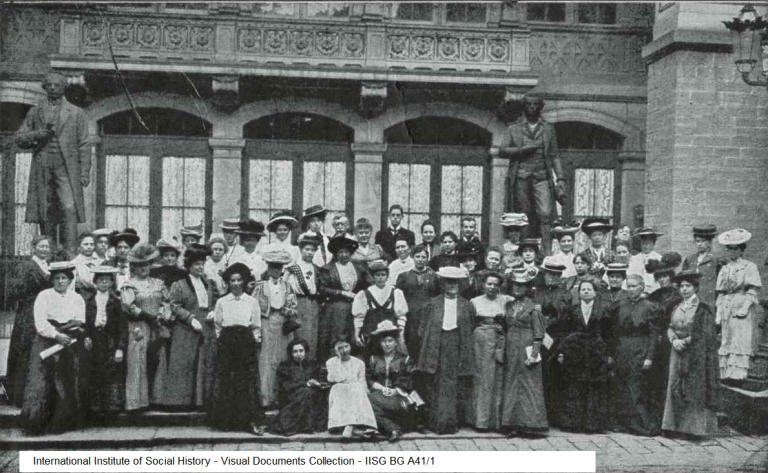
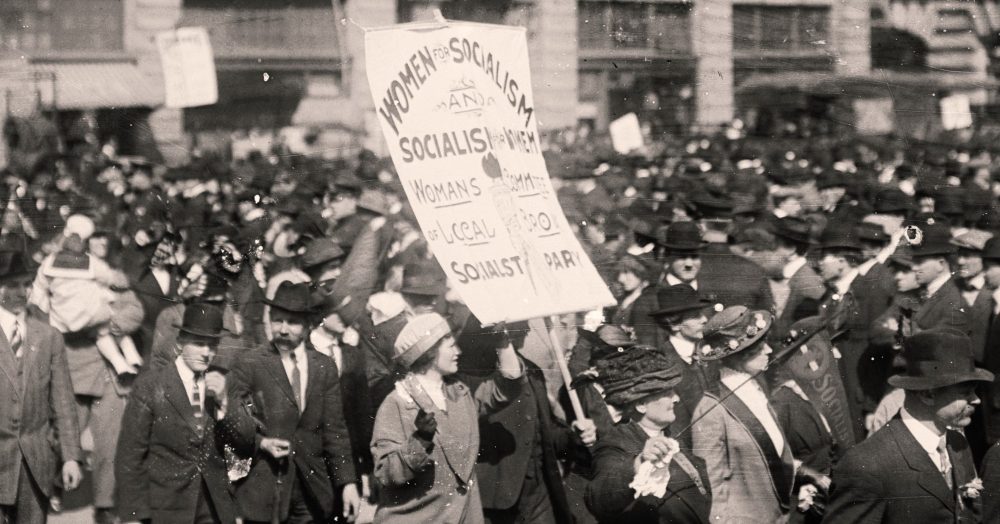
Some Impressions of the New York Socialist Women’s Conference’ by Theresa Malkiel from The Socialist Woman. Vol. 2 No. 15. August, 1908.

Spurred by the universal female suffrage movement, International Women’s Day originated from labor movements in Europe and North America during the early 20th century.

The earliest version reported was a “Woman’s Day” organized by the Socialist Party of America New York City on February 28, 1909.

In solidarity with them, communist activist and politician Clara Zetkin proposed the celebration of “Working Women’s Day,” approved at the 1910 International Socialist Women’s Conference in Copenhagen, albeit with no set date; the following year saw the first demonstrations and commemorations of International Women’s Day across Europe.

Vladimir Lenin declared March 8 as International Women’s Day in 1922 to honor the women’s role in the 1917 Russian Revolution; it was subsequently celebrated on that date by the socialist movement and communist countries. The holiday became a mainstream global holiday following its promotion by the United Nations in 1977.

International Women’s Day is a public holiday in several countries. The U.N. observes the holiday in connection with a particular issue, campaign, or theme in women’s rights.


Translation from German:
Give Us Women’s Suffrage | Women’s Day, March 8, 1914

To the women who fulfill their full duties as workers, mothers, and community citizens, who must pay their taxes to both the state and the municipality, prejudice and reactionary attitudes have so far denied full civic rights.

Fighting for this natural human right must be the unwavering, firm will of every woman, every female worker. There must be no rest, no pause in this struggle.

Therefore, come all of you—women and girls—to the public women’s assembly taking place on Sunday, March 8, 1914, at 3 PM.”


International Women’s Day Promotes Rights Worldwide (March 8, 2025)

Trump’s Fascist Fantasy: GOP’s All-Out Assault on Public Education


“Fascism requires a populace that’s uneducated and afraid,” warns historian Heather Richardson.
“Destroying public education isn’t just a policy—it’s a prerequisite for tyranny.”


“Are You Out of Your Fascist Mind?”: Fury Erupts Over
Trump’s Threat to Annihilate the Department of Education

Washington, D.C. Donald Trump’s latest authoritarian gambit—floating the annihilation of the U.S. Department of Education—has ignited a firestorm of outrage, with critics accusing the president of embracing fascist tactics to dismantle public education, suppress marginalized voices, and consolidate power. The proposal, dismissed by many as unhinged, underscores a broader Republican crusade to weaponize education as a tool of ideological control, sparking fierce backlash from educators, parents, and civil rights leaders.

The Threat: Erasing Federal Protections, Silencing Progress

Trump’s radical vision, touted at recent far-right rallies and in interviews with extremist allies, calls for shuttering the Department of Education, a move he claims would “return power to the states.” But educators and policy experts warn the plan is a thinly veiled assault on civil rights, equity, and the very foundation of public schooling.

Since its creation in 1979, the Department has enforced desegregation, protected disabled students under IDEA, and safeguarded Title IX rights for women and LGBTQ+ students. Its dissolution would gut federal oversight, allowing red states to whitewash curricula, defund low-income schools, and erase protections for vulnerable communities.

“This isn’t about ‘states’ rights’—it’s about stripping away the right to learn, to thrive, and to exist,” said Randi Weingarten, president of the American Federation of Teachers. “Trump and his MAGA cronies want to turn classrooms into battlegrounds where history is rewritten, books are banned, and only the privileged get a fair shot.”

A Dark History: From DeVos to “Project 2025”

Trump’s latest salvo builds on his administration’s relentless attacks on public education. Former Education Secretary Betsy DeVos, a billionaire champion of privatization, spent four years funneling taxpayer dollars into unregulated charter schools while slashing protections for student borrowers and survivors of campus sexual assault.

Now, Trump’s ties to the Heritage Foundation’s “Project 2025”—a 920-page extremist blueprint for a second term—reveal even darker ambitions. The plan demands dismantling the Department of Education, abolishing free school lunches, and banning federal diversity initiatives.

Dr. Ibram X. Kendi, author of How to Be an Antiracist, called the agenda “a fascist fever dream,” adding, “They’re not just coming for our schools—they’re coming for our democracy. This is about replacing truth with propaganda, equality with oppression.”

Who Pays the Price? Students of Color, Poor Communities, and LGBTQ+ Youth

The consequences of Trump’s plan would be catastrophic. Without federal enforcement:

  • States could ignore mandates to support students with disabilities.
  • Title I funding, which allocates $16 billion annually to high-poverty schools, would vanish, widening the resource gap.
  • LGBTQ+ students would lose federal safeguards against discrimination.
  • Student debt relief programs, already under GOP attack, would be axed entirely.

“This is white supremacy in action,” said Marley Dias, founder of #1000BlackGirlBooks. “They want to lock Black and brown kids into underfunded schools, erase their history, and pretend systemic racism doesn’t exist. It’s disgusting.”

Republican-led states offer a grim preview. Florida’s “Don’t Say Gay” law has forced LGBTQ+ teachers into hiding, while Texas schools purge books on race and slavery. In Oklahoma, superintendents warn that dissolving federal oversight would “return us to the 1950s—separate and unequal.”

The Backlash: “We Will Fight This Tyranny”

The response has been swift and furious. The NAACP filed a preemptive legal warning against any move to disband the Department, while student-led groups like March for Our Lives pledged nationwide walkouts. “They think we’ll stay quiet while they rob us of our futures?” said Zara Muhammad, a 17-year-old organizer in Michigan. “We survived school shootings. We’ll survive Trump’s fascism too.”

Teachers’ unions are mobilizing strikes, and progressive lawmakers are pushing bills to fortify federal education mandates. “This is a five-alarm fire for our democracy,” said Rep. Jamaal Bowman (D-NY), a former educator. “We will not let Trump torch our schools to fuel his authoritarian fantasies.”

The Bigger Picture: Education as the Frontline of Democracy

Trump’s war on education is no outlier—it’s a pillar of his authoritarian playbook. By gutting public schools, he empowers a privatized, for-profit system that siphons taxpayer dollars into the pockets of GOP donors. Meanwhile, banning “critical race theory” and “woke” ideals ensures future generations remain ignorant of systemic injustice.

Fascism requires a populace that’s uneducated and afraid,” warned historian Heather Cox Richardson. “Destroying public education isn’t just a policy—it’s a prerequisite for tyranny.”

As Trump echoes Hitler’s playbook—scapegoating institutions, targeting marginalized groups, and glorifying “patriotic education”—the stakes have never been clearer. The Department of Education is not a bureaucratic abstraction. It’s a lifeline for millions. Dismantling it would be an act of violence.

The Fight Ahead

For now, the Department remains intact, but the threat is visceral. November’s election will decide whether U.S. schools become laboratories of fascist indoctrination or remain pillars of pluralistic democracy. As Trump’s allies plot, educators and activists refuse to relent.

“They’ll have to pry our textbooks from our cold, dead hands,” said Weingarten.


#FascistEducationAgenda #DefendPublicEd #TrumpVsDemocracy
#EducationUnderFire #HandsOffOurSchools

Politically Motivated: Nonprofit Staff Hit in Loan Forgiveness Rollback


Loan relief stripped from nonprofit workers whose
organizations are deemed to engage in “improper activities”

Washington, D.C. — President Donald Trump has issued an executive order that fundamentally alters the Public Service Loan Forgiveness (PSLF) program, stripping loan relief from nonprofit workers whose organizations are deemed to engage in “improper activities.”

This controversial move targets nonprofits involved in immigration advocacy, diversity initiatives, and gender-affirming care, accusing them of promoting illegal actions without providing concrete evidence. Critics argue this is a politically motivated attack on organizations that oppose Trump’s policies, jeopardizing the livelihoods of millions of Americans who rely on the PSLF program.

The PSLF program, established in 2007, was designed to encourage careers in public service by forgiving student loans after ten years of payments for employees in government and nonprofit sectors. Trump’s directive now excludes workers whose nonprofits allegedly “fail to serve the public good” or “jeopardize national security.”

The vague language has sparked outrage among civil rights groups and nonprofit leaders, who fear this opens the door for arbitrary and politically biased exclusions.

Education Secretary Linda McMahon had previously committed to upholding the PSLF program as mandated by Congress. However, Trump’s order directs her department to revise eligibility criteria, effectively disqualifying workers whose nonprofits operate in areas like immigration reform or LGBTQ+ advocacy.

Critics note that these changes align with Trump’s political agenda rather than addressing legitimate concerns about illegal activities.

The executive order has drawn sharp criticism for its lack of transparency and evidence.

Organizations targeted under these new rules may face financial ruin and reputational damage, as they are labeled as engaging in “illegal” or “disruptive” activities without due process. Advocacy groups warn this could deter talented individuals from pursuing careers in public service, undermining the very purpose of the PSLF program.

This move follows broader efforts by Trump to curtail nonprofit operations that conflict with his administration’s policies.

A recent bill passed by the House grants the Treasury Department authority to revoke tax-exempt status from nonprofits accused of supporting terrorism—a measure critics fear could be weaponized against political opponents. Combined with the PSLF rollback, these actions signal an alarming trend toward suppressing dissent under the guise of national security.

Millions of Americans working in nonprofits now face uncertainty about their financial futures.

The PSLF program has already been plagued by administrative hurdles and shifting regulations, leaving many borrowers struggling to access promised relief. Trump’s latest order exacerbates these challenges, potentially disqualifying thousands of workers overnight based on arbitrary criteria.

Civil rights advocates are calling for immediate congressional intervention to protect nonprofit workers and ensure the PSLF program remains intact as originally intended. As Trump continues to reshape federal programs to align with his political goals, critics warn of long-term damage to public trust and the nonprofit sector’s ability to serve vulnerable communities.

Politically Motivated: Nonprofit Staff Hit in Loan Forgiveness Rollback (March 8, 2025)


 #TrumpLoanRollback #NonprofitWorkers #PSLFChanges
#StudentDebtCrisis #PoliticalTargeting  

Europe Confronts Post-Western Era as Trump’s Fractures Bonds


Transatlantic Shockwaves: Europe Grapples With
Trump’s NATO Ambivalence and Russia Rapprochement


Europe Reels as Trump’s Russia Embrace Redefines Global Order

Brussels—In the wake of Donald Trump’s [Luce Index™ score: 35] return to the White House, Europe is confronting an existential reckoning. The former—and now once-again—U.S. president’s unabashed courtship of Russia and dismissal of NATO’s foundational principles have left leaders and citizens alike grappling with a seismic question: Is the transatlantic alliance, the bedrock of post-1945 global stability, irrevocably broken?

A Stunned Continent
From Berlin to Warsaw, a palpable sense of disbelief lingers. Trump’s recent remarks dismissing NATO’s mutual defense clause as “obsolete” and praising Vladimir Putin [Luce Index™ score: 33] as a “strategic genius” have amplified long-simmering anxieties. German Chancellor Olaf Scholz [Luce Index™ score: 35] termed the rhetoric “dangerously naïve,” while French President Emmanuel Macron warned of “Europe’s moment of truth” in a televised address. Public opinion polls reveal deepening distrust: 68% of Germans now view the U.S. as an unreliable partner, a historic low.

The shock is compounded by Trump’s transactional approach to Ukraine.

His suggestion that Kyiv cede territory to end the war—echoing Kremlin talking points—has drawn fury from Eastern Europe. “This isn’t just about Ukraine. It’s about whether America still believes in its own ideals,” said Lithuanian Foreign Minister Gabrielius Landsbergis.

The Unraveling of ‘the West’
For decades, “the West” symbolized a shared commitment to democratic values and collective security. Trump’s pivot threatens to dismantle this narrative. His administration’s first-term policies—withdrawing from the Paris Accord, imposing trade tariffs on the EU—already strained ties. Now, his renewed hostility toward NATO’s funding structure (“Why should we pay for Europe’s defense?”) and warm overtures to Moscow have left allies questioning Washington’s dependability.

“This isn’t a policy shift—it’s an ideological rupture,” said Constanze Stelzenmüller, a senior fellow at the Brookings Institution. “Trump’s vision rejects the multilateralism that defined U.S. leadership since FDR. Europe is realizing it can’t wait for America to come back.”

Strategic Autonomy: Dream or Delusion?
In response, EU capitals are fast-tracking initiatives once deemed unthinkable. The European Defence Fund, a €8 billion project to reduce reliance on U.S. arms, has gained renewed urgency. Macron’s calls for “strategic autonomy” now resonate even in NATO-skeptic states like Poland. Yet hurdles remain: EU defense spending remains fragmented, and Eastern members fear alienating Washington.

“Autonomy requires more than slogans,” cautioned Ian Bond of the Centre for European Reform. “Without U.S. intelligence and logistics, Europe’s militaries are still midgets.”

Putin’s Quiet Victory
Kremlin officials, meanwhile, are capitalizing on the disarray. Russian state media gleefully frames Trump’s stance as proof of Western decay. “The Atlanticists are eating their own,” proclaimed a recent Rossiyskaya Gazeta editorial. While EU diplomats dismiss Moscow’s triumphalism, some analysts warn of a strategic blind spot.

“Trump’s ‘America First’ dogma ignores that a strong NATO counters Chinese and Russian ambitions,” said former Swedish Prime Minister Carl Bildt. “Divided, we’re all weaker.”

A World Without ‘the West’?
The long-term implications remain murky. Some foresee a multipolar order where Europe aligns with middle powers like India and Japan. Others predict internal EU fractures, with Hungary’s Viktor Orbán and Italy’s Giorgia Meloni championing Trump-style nationalism.

For now, Europe’s emotional pendulum swings between defiance and despair. As one EU diplomat sighed: “We built a world with America at the helm. Now, we’re drafting blueprints for a lifeboat.”

In this new era, the only certainty is uncertainty—and the haunting sense that a 75-year-old alliance may be slipping into history.


#EuropeInShock #TransatlanticSplit #EndOfTheWest
#TrumpPutinAxis #NATOCrisis #EUAutonomy #NewWorldOrder

Enemies of the People: Global Tyrants Who Strangle Liberty


These so-called leaders are strangling the soul of humanity. They are truly ‘enemies of the people.

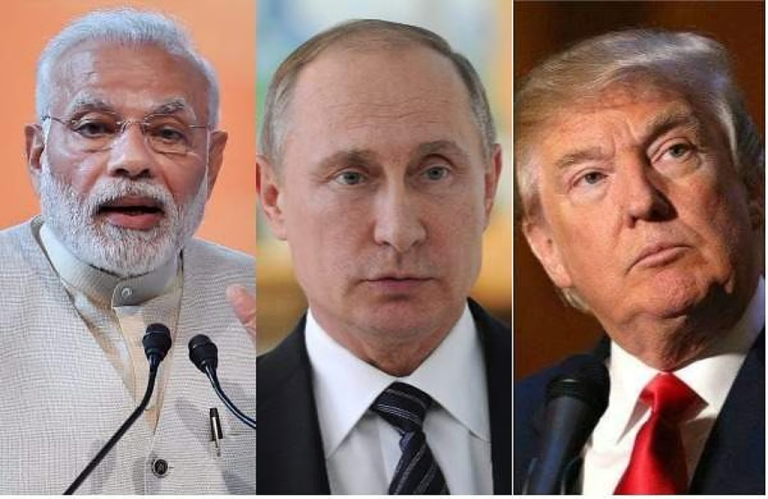
New York, N.Y. — The world’s choking on a plague of strongmen, and I’m sick of it. These so-called leaders—puffed-up tyrants like Vladimir Putin, Recep Tayyip Erdoğan, Mohammed bin Salman, Kim Jong Un, Donald Trump, and Elon Musk—aren’t just power-hungry; they’re strangling the soul of humanity. They’re enemies of the people.

Start with Putin. He has turned Russia into a prison camp, silencing dissent with poison and bullets—look at Alexei Navalny’s fate. Erdoğan’s no better, jailing journalists and opponents in Turkey like it’s a sport, all while grinning for the cameras. Then there’s Mohammed bin Salman, Saudi Arabia’s crown prince, who green-lit the savage butchery of Jamal Khashoggi and still gets a handshake from the West. Kim Jong Un? A buffoonish dictator starving North Koreans while he plays with nukes. These aren’t leaders—they’re parasites.

And don’t get me started on Donald Trump.

Back in power in 2025, he’s already flexing like a school yard bully–a tin-pot despot–threatening judges and spewing venom about “vermin” opponents. His buddy Elon Musk’s right there with him, unelected but acting like co-king, gutting federal agencies with a smirk. Musk’s not just a billionaire—he’s a wannabe overlord, turning X into his personal propaganda mill. Together, they’re a tag-team of chaos, shredding democracy for kicks and profit.

This isn’t just a rogue’s gallery; it’s a warning.

These 20 figures—see the list below—share a playbook: crush dissent, rig systems, and worship power over people. Xi Jinping’s got China locked in a surveillance chokehold, while Nicolás Maduro’s turned Venezuela into a wasteland of hunger and lies. Viktor Orbán’s Hungary is a nationalist fever dream, and Jair Bolsonaro’s Brazil flirted with the same poison. Even Narendra Modi, cloaked in democratic robes, squeezes India’s minorities and media with a smile.

The anger boils over when you see the pattern.

These aren’t random bad apples—they’re a global infection. From Aleksandr Lukashenko rigging Belarus to Abdel Fattah el-Sisi turning Egypt into a military fiefdom, they thrive on fear and apathy. Look at Rodrigo Duterte’s Philippines—thousands dead in his “drug war,” and he brags about it. Or Myanmar’s Min Aung Hlaing, drowning dissent in blood since his coup. This is what happens when the world shrugs.

What’s maddening is how they get away with it.

Trump and Musk cozy up to these men—Putin, Kim, Erdoğan—and call it “smart.” Smart? It’s a betrayal of every value we’re supposed to hold dear. Freedom, justice, decency—they’re roadkill under these men’s tanks. And the rest of us? We’re stuck watching as they rewrite rules, jail critics, and laugh all the way to their palaces.

Take Saudi Arabia’s MBS—he hacks up a journalist, and the world still pumps his oil. Or Putin, annexing Ukraine while the West dithers. These enemies don’t just threaten their own people—they’re a middle finger to anyone who believes in a better world. Even figures like Nayib Bukele in El Salvador, hailed as a crime-fighter, lock up thousands without trial. It’s not progress; it’s a power grab.

I’m done with excuses.

These twenty aren’t “complex leaders” or “disruptors”—they’re tyrants, plain and simple. Some, like Trump and Musk, hide behind elections or wealth, but the stench of authoritarianism doesn’t wash off. Others, like Kim and Xi, don’t even pretend. They’re united by one goal: control at any cost. And we’re the collateral damage—our rights, our voices, our future.

So here’s the list. Stare at it. Feel the rage. Then do something—speak, vote, resist. Because if we let these enemies of the people keep winning, there won’t be much left worth saving. I’m Jim Luce, and I’m not shutting up until they’re stopped.


Top 20 Authoritarian or Fascist Figures (2025 Context)

  1. Vladimir Putin (Russia) – Centralized power, suppressed dissent, annexed territories.
  2. Recep Tayyip Erdoğan (Turkey) – Jailed opponents, curtailed press freedom.
  3. Mohammed bin Salman (Saudi Arabia) – Ordered Khashoggi’s murder, absolute rule.
  4. Kim Jong Un (North Korea) – Totalitarian control, human rights abuses.
  5. Donald Trump (USA) – Threats to democracy, authoritarian rhetoric in 2025 term.
  6. Elon Musk (USA) – Unelected influence, pushes anti-democratic agendas.
  7. Xi Jinping (China) – Surveillance state, crushed Hong Kong’s freedoms.
  8. Nicolás Maduro (Venezuela) – Rigged elections, economic collapse.
  9. Viktor Orbán (Hungary) – Nationalist, eroded democratic norms.
  10. Jair Bolsonaro (Brazil) – Embraced authoritarian tactics, denied 2022 election.
  11. Narendra Modi (India) – Curtailed press, targeted minorities.
  12. Aleksandr Lukashenko (Belarus) – Rigged elections, brutal crackdowns.
  13. Abdel Fattah el-Sisi (Egypt) – Military dictatorship, mass arrests.
  14. Rodrigo Duterte (Philippines) – Extrajudicial killings in “drug war.”
  15. Min Aung Hlaing (Myanmar) – Coup leader, violent suppression.
  16. Nayib Bukele (El Salvador) – Mass incarcerations, eroded checks.
  17. Bashar al-Assad (Syria) – Brutal civil war, chemical attacks (pre-2025 fall).
  18. Ali Khamenei (Iran) – Theocratic control, suppressed protests.
  19. Teodoro Obiang Nguema (Equatorial Guinea) – Decades-long dictatorship.
  20. Gurbanguly Berdimuhamedow (Turkmenistan) – Cult of personality, total control.

#Social Media Hashtags #EnemiesOfThePeople #FightTyranny
#AuthoritarianThreat #ResistNow #FreedomUnderFire

Enemies of the People: Global Tyrants Who Strangle Liberty (March 8, 2025)

From 1787 to Today: How Madison Inspires Global Leadership


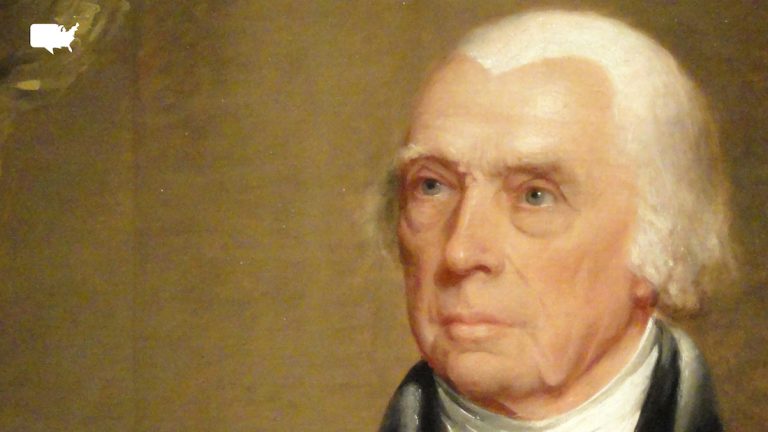
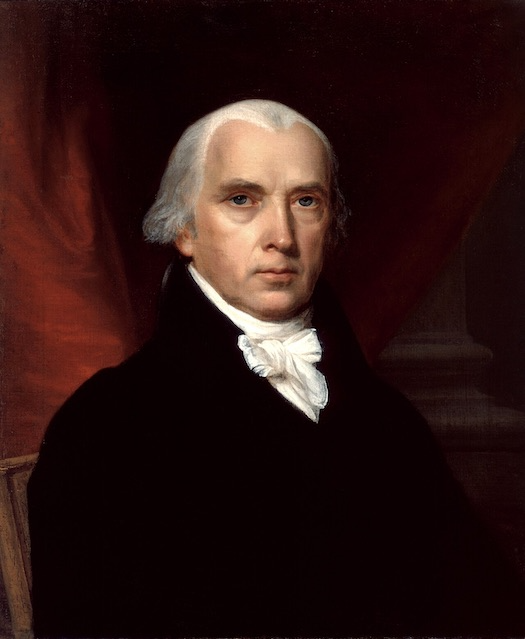
Washington, D.C.James Madison, the fourth President of the United States and a key architect of the U.S. Constitution, offers timeless lessons for young global leaders navigating today’s complex political, social, and technological landscapes.

Known as the “Father of the Constitution,” Madison’s insights into governance, human nature, and power dynamics remain strikingly relevant in 2025, as leaders grapple with polarization, authoritarianism, and global crises.

His intellectual rigor, pragmatic approach, and commitment to liberty provide a blueprint for leadership in an interconnected world.

First, Madison’s understanding of human nature—flawed yet capable of self-governance—offers a foundational lesson. In Federalist No. 51, he famously wrote, “If men were angels, no government would be necessary.”

This realism underscores the need for checks and balances, a principle young leaders can apply to modern institutions. Whether designing international coalitions to address climate change or regulating tech giants, Madison’s emphasis on curbing unchecked power ensures accountability.

For instance, a young leader negotiating trade agreements might draw from Madison’s framework to balance national interests with global cooperation, preventing any single entity from dominating.

Second, Madison’s advocacy for deliberation and compromise is a masterclass in leadership amid diversity. As a small-statured man with a quiet demeanor, he wielded influence through reason, not charisma. During the Constitutional Convention of 1787, he bridged divides between large and small states, resulting in the Great Compromise that shaped the U.S. Congress. Today’s leaders, facing multicultural societies and fragmented geopolitics, can emulate this. A young diplomat mediating between rival factions in a conflict zone, like the Middle East, might use Madison’s patience to foster dialogue over division, prioritizing sustainable outcomes over quick wins.

Third, Madison’s defense of individual rights in the Bill of Rights highlights the importance of protecting liberty in an age of surveillance and populism. He believed freedom of speech, religion, and the press were non-negotiable, even under pressure. For young leaders in 2025, this translates to resisting authoritarian tendencies—whether from governments or corporations. A tech-savvy leader might champion digital privacy laws, inspired by Madison’s insistence that power must serve the people, not subjugate them. His warnings about “factionalism” in Federalist No. 10 also resonate, urging leaders to mitigate divisive ideologies amplified by social media echo chambers.

Moreover, Madison’s adaptability is a critical lesson.

Initially skeptical of a strong central government, he evolved into a pragmatic statesman, supporting Alexander Hamilton’s financial plans as president. This flexibility is vital for young leaders facing rapid change—be it AI’s societal impact or shifting global alliances. A leader in a developing nation might draw from Madison’s shift to balance tradition with modernization, ensuring stability while embracing innovation.

Finally, Madison’s vision of a republic that endures through informed citizens underscores the power of education and civic engagement. He saw an enlightened populace as democracy’s backbone, a lesson for leaders fostering trust in institutions. In an era of misinformation, a young leader might launch initiatives to combat disinformation, echoing Madison’s belief that knowledge empowers self-rule. For example, a grassroots organizer could use this principle to mobilize youth voter turnout, strengthening democratic resilience.

Madison’s life wasn’t flawless—he owned slaves, a contradiction to his liberty rhetoric—but this complexity teaches humility. Young leaders must confront their own inconsistencies, learning from Madison’s imperfect legacy to prioritize ethical growth. His blend of idealism and pragmatism offers a roadmap: aspire to grand principles, but ground them in reality.

In 2025, as young global leaders face climate crises, technological disruption, and rising inequality, Madison’s lessons endure. His checks-and-balances framework can guide multilateral efforts like the Paris Agreement’s enforcement. His compromise skills can heal polarized societies. His rights advocacy can counter digital overreach. And his adaptability can inspire innovation amid uncertainty. By studying Madison, emerging leaders gain not just strategies, but a mindset: governance is a delicate balance of power, principle, and people.


#JamesMadison #GlobalLeadership #ChecksAndBalances #YoungLeaders
#ConstitutionalWisdom #LibertyLessons #Leadership2025

Finding Joy in the Absurd: How Rituals Light the Way


There will be dishes to wash after the funeral

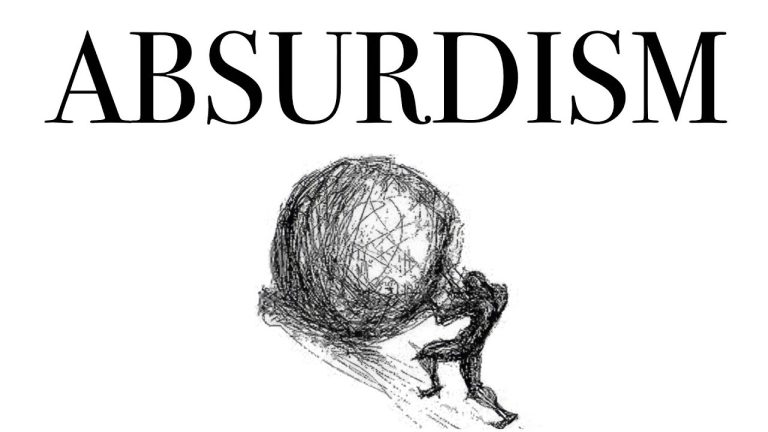
New York, N.Y. — In a world often teetering on the edge of absurdity, where the mundane and the profound collide in unexpected ways, writer Jim Luce offers a refreshing perspective: rituals—those small, repeated acts—can transform chaos into something beautiful. His essay, Life’s Absurdity Tamed through Rituals Within Rituals, explores how the interplay of faith, philosophy, and daily routines provides a scaffolding for meaning, even amidst life’s messiest moments. Take, for instance, his poignant observation: “There will be dishes to wash after the funeral.”

Luce, a New York-based thinker known for weaving theology with everyday experience, doesn’t shy away from life’s contradictions. Instead, he celebrates them. Death and dishwashing, grief and gratitude—these are not opposites in his view but threads in the same tapestry. His work suggests that rituals, whether grand like a religious ceremony or humble like stacking plates, offer a way to steady ourselves when the ground feels shaky. And in 2025, as the world navigates ongoing uncertainties, his message feels like a warm embrace.

The essay, rooted in faith and philosophy, strikes a chord with readers seeking solace without dogma. Luce argues that rituals within rituals—like praying before a meal or lighting a candle during a storm—create layers of intention that anchor us. “They’re not about control,” he writes, “but about presence.” This positivity shines through as he reframes life’s absurdity not as a burden, but as an invitation to engage more deeply with the human experience.

Consider the funeral scene he paints: mourners gather, tears fall, and yet, life insists on moving forward. The dishes pile up—a quiet reminder that even in sorrow, there’s a rhythm to reclaim. For Luce, washing those dishes becomes a ritual of its own, a small act of care that honors the departed while tending to the living. It’s a perspective that turns the ordinary into the sacred, and it’s resonating far beyond New York’s bustling streets.

Experts in theology and psychology are taking note.

Dr. Sarah Mendel, a professor of religious studies at NYU, praises Luce’s approach. “He’s highlighting how rituals don’t just mark time—they make it meaningful,” she says. “In a fast-paced world, that’s a gift.” Meanwhile, wellness advocates point out that repetitive acts, like brewing morning coffee or folding laundry, mirror mindfulness practices, offering mental clarity amid chaos. Luce’s essay taps into this zeitgeist, suggesting that meaning isn’t found in grand gestures alone but in the quiet patterns we build.

The positivity of his outlook lies in its universality. You don’t need to be religious to find comfort in routine. A secular reader might see their weekly grocery run as a ritual of provision, while a spiritual one might layer it with gratitude. Luce’s genius is in leaving room for both. His words invite us to notice the rituals already humming beneath our lives and to create new ones where we need them most.

In 2025, this message feels timely. After years of upheaval—pandemics, political shifts, and climate challenges—people are hungry for stability. Luce’s essay offers a roadmap, not through escapism, but through engagement. “Absurdity doesn’t vanish,” he writes, “but it softens when we meet it with intention.” It’s a call to action wrapped in gentleness, urging us to find joy in the small stuff—like the clink of dishes being stacked after a shared meal, even one tinged with loss.

Communities are already responding.

In New York, a group of friends inspired by the essay has started a “Ritual Club,” meeting monthly to share personal traditions—everything from baking bread to writing letters. Online, readers are swapping stories of their own rituals, from lighting incense to walking the dog at dawn. Luce’s work is sparking a quiet movement, one that proves positivity can bloom even in life’s strangest corners.

As spring unfolds in New York, with cherry blossoms peeking through concrete, Luce’s essay reminds us that life’s absurdity isn’t something to conquer—it’s something to dance with. Through rituals within rituals, we can all find our steps. And yes, there will be dishes to wash. But maybe that’s the point: in the suds and the scrubbing, there’s a chance to reflect, to heal, and to smile.

Embracing Life’s Chaos with Grace: Rituals as a Beacon of Meaning


#RitualsMatter #LifeWithMeaning #JimLuce #FaithAndPhilosophy #EverydayGrace

Know Your Rights: You Have the Right to Film ICE


Amplifying Important Information from the New York Civil Liberties Union


Documenting ICE’s actions can add a layer of accountability and shine a light on inhumane ICE tactics and immigration policies, and helps us advocate for abolishing these harmful policies and practices. 

New York, N.Y. — You have the right to film Immigration and Customs Enforcement (ICE), regardless of your immigration status or whether you know the person being arrested.

The information in this resource is specific to New York City, but many aspects can be applicable to communities in other parts of New York State.

Below are your rights to record ICE, and best practices for filming or documenting an incident. This KYR is not a replacement for legal advice.

Can I film ICE agents in a courthouse? What about outside a courthouse?

The public has a right – regardless of immigration status – under the First Amendment and the Right to Record Act, to record video and take pictures in public places. You also have the right to film law enforcement, including ICE and other federal immigration authorities, in public spaces. These rights extend to filming and recording outside of courthouses, but generally do not allow you to film inside of a courthouse.

The government can place reasonable restrictions on the time, place, and manner in which you film or take photos.

New York State passed the Protect Our Courts Act (POCA) in 2019, prohibiting ICE from making arrests at state, city and municipal courthouses within New York. The law also prohibits ICE from arresting people going to or leaving those courthouses without a judicial warrant. However, ICE may not always follow the law and could still be present in or around state, city and municipal court houses. The protections in POCA also do not apply to federal courts.

Can I film ICE agents making an arrest?

Yes, as long as you don’t interfere with officers’ or agents’ law enforcement activities. While you may film ICE agents from a reasonable distance with handheld phones and cameras, the First Amendment and Right to Record Act don’t protect filming that impedes officers in the performance of their duties.

What it means to impede or interfere with law enforcement activities is not clearly defined. However, some federal court decisions suggest that the right to record may be subject to limitations if a person gets too close to officers when filming, does not comply with an officer’s reasonable request to back up from the scene of an incident or steers a drone with a filming device too close to the site of an active police investigation.

What should I film? Is there anything I shouldn’t film?

Remember to focus the camera on the law enforcement officer –not the person being harassed or targeted.

Far too often, footage of violence and abuse is used against the person or community we’re hoping to help protect. If it’s not possible to focus only on the ICE officer, there are tools to help you blur out identifying details such as faces, license plates, tattoos, etc. before sharing the footage publicly. Check out WITNESS’ tutorial on how to use Youtube’s free blurring tool. It can also be helpful to film horizontally and not vertically in order to capture more of the scene. Try to film as much of the interaction between the ICE agents and individual(s) they are arresting, even if you are across the street.

Capture details like:

  • Any paperwork the officers are holding
  • Badges (or lack thereof). If they have a visible badge, try to film it. If it’s too difficult to capture the badge numbers on camera, you can read them out loud so that it is captured on audio.
  • The officer’s clothing – are they in uniform or plain clothes?
  • Any weapons officers have on them
  • Vehicles/license plates – some Department of Homeland Security vehicles have special license plates or even permits in the front.
  • Communications between officers or among different agencies like police officers and ICE agents
  • Any other law enforcement present, such as local or state police or National Guard, and what they are doing.
  • Hateful comments or slurs, and discriminatory symbols or signage
  • Torn clothing or property damage caused by the officer
  • Other cameras in the vicinity including surveillance cameras – these can offer a corroborating angle for your footage in the future

Make your footage easier to authenticate by filming context, like:

  • A clear shot of the location
  • Any landmarks nearby
  • Street signs, a clock or smartphone home screen – these details can help verify your time date and location

What if they tell me to stop filming?

If an ICE officer or other law enforcement officer tells you to stop filming, depending on your comfort level interacting with law enforcement, you may want to comply with orders, or assert your rights but continue to film from a further distance. Remember that even if ICE doesn’t target you, they could take out their frustration on the person in custody. And if you or someone close to you has a vulnerable immigration status, it might be best to stop filming altogether.

If you stop recording, you can still make note of what else you witness and write it down afterward. Remember there is great value in bearing witness to an incident even if you don’t film – having eyes on an ICE agent or incident can help deter violence. Even taking a single photo has a lot of value.

Taking written notes, filming an incident from across the street, or just recording audio can be helpful in one party consent states like New York where it is legal to record audio from a conversation without the other person’s consent.

Not filming might even allow you to safely get closer to the incident and hear important details you might not feel comfortable capturing on camera. Take note of things like:

  • Date, location – be specific and include street names, or nearby landmarks
  • How many ICE officers there were, and any other law enforcement present
  • How agents were dressed
  • How agents identified themselves
  • Did they present a warrant or refuse to?

How can I protect my footage and myself?

  • Avoid the fingerprint ID and face ID to lock your phone. Secure your phone with at least a 6 digit password. Know that you have a right to object to a search of your device, refuse to give your pin or password, and refuse to unlock it for law enforcement. Law enforcement can’t force you to give up a passcode without a warrant or court order, but they may ask or coerce you to unlock your phone with your fingerprint or face.
  • Having a legal support number or trusted contact’s info handy can also help keep you and the person you are filming safe. Immigrant Defense Project (IDP) offers criminal-immigration advice and support to immigrants and their loved ones: 212. 725. 6422
  • Be aware that ICE agents and police care mainly about their safety, not yours. Moving quickly or suddenly to grab your phone or reaching into your pocket could escalate the situation.
  • To help protect the person you are filming, avoid alleging anything about the person’s immigration status or criminal history on video – anything learned during an arrest can be used against the person in court. Avoid filming their face or any identifying details if possible, and always think before sharing footage – see below for more on sharing.

What do I do with my footage after filming?

It is crucial to stop and think before sharing or posting footage online. Without taking necessary precautions, sharing footage publicly could put you, the person who was harassed or abused, or others at further risk of harm or retraumatization by exposing their identity, immigration status, etc., and could risk exposure to facial recognition tools. Before sharing, seek advice from a trusted advocacy group or lawyer about how you can best protect yourself and those on camera. While not applicable to all situations, it is best practice to ask permission from those you film before posting on social media. Video advocacy does not have to happen alone – in fact, video is best utilized as a tool to expose abuses, corroborate other forms of evidence, and create change when you work with others.

Remember that if you have filmed a human rights abuse, don’t edit or change anything about the file or file name, and save copies of the unedited footage in a safe place.

For more information on filming immigration abuses, visit WITNESS’ Eyes on ICE project page. Esta Página en Español

© 2025 New York Civil Liberties Union

Know Your Rights: You Have the Right to Film ICE (March 8, 2025)


Editor’s Note: The American Civil Liberties Union is one of the most important organizations in the U.S.

#KnowYourRights, #FilmICE, #ImmigrantRights, #CivilLiberties,
#ProtectOurCourts, #NYCLU, #DocumentICE, #PublicSafety

Ukraine’s Struggle Intensifies as U.S. Aid Halts and Europe Scrambles


New York, N.Y. — President Donald Trump‘s recent decision to pause U.S. military aid to Ukraine has sent shockwaves through the international community, leaving Ukraine in a precarious position as it continues to defend itself against Russian aggression. The suspension, which includes critical warfighting materiel such as artillery ammunition, armored vehicles, and Patriot air defense systems, threatens to severely impact Ukraine’s ability to maintain its current pace of operations.

While European allies have pledged continued support, their capacity to fill the void left by the U.S. is limited. The European defense industry lacks the production capabilities to match the scale and sophistication of U.S. military aid. Denmark‘s innovative “Danish model,” which funds weapons manufacturing within Ukraine, offers a glimmer of hope but cannot fully compensate for the loss of US support.

Ukraine has made significant strides in expanding its domestic defense production, with Prime Minister Denys Shmyhal stating that the country now produces about 33% of its weapons. However, achieving self-sufficiency remains a distant goal, with Ukraine aiming to meet 50% of its military needs by the end of 2025.

The immediate impact of the U.S. aid pause is most acute in Ukraine’s air defense capabilities. The shortage of Patriot missiles, which could run out “in a matter of weeks,” leaves Ukrainian cities vulnerable to Russian ballistic missile attacks. This vulnerability could have devastating consequences for civilian populations and critical infrastructure.

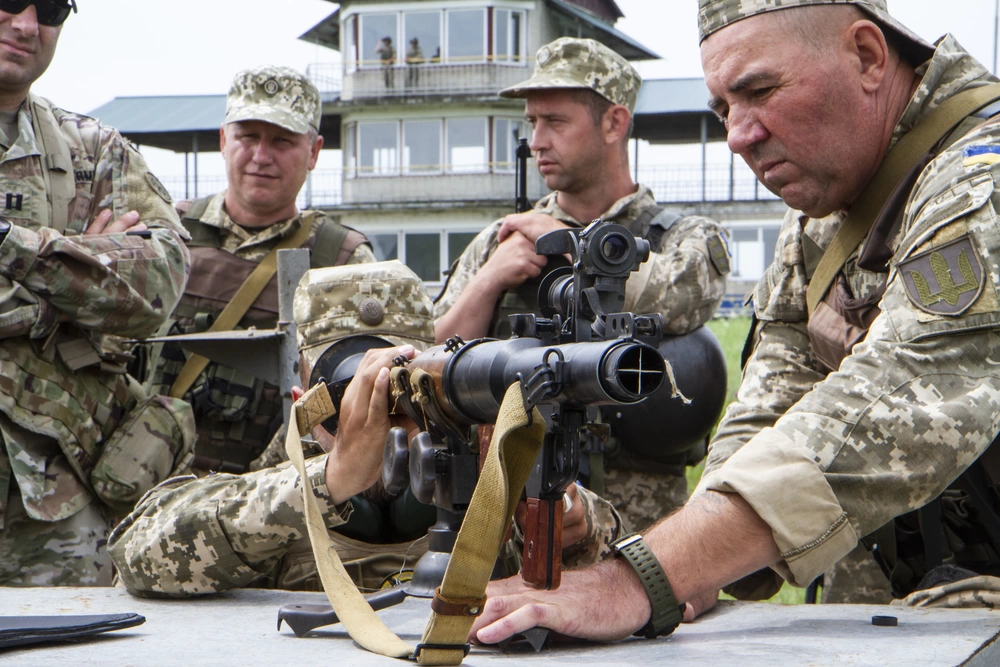
Ukrainian soldiers demonstrate different weapons systems during General Lenguyel’s visit, July 31 at Yavoriv, Ukraine.

As the situation unfolds, Ukraine faces an uncertain future.

The country’s ability to defend itself and pursue offensive operations will be significantly hampered without US support. European nations are stepping up their efforts, with at least 20 countries showing interest in joining a “coalition of the willing” proposed by UK Prime Minister Keir Starmer. However, the question remains whether these efforts will be enough to sustain Ukraine’s defense in the face of continued Russian aggression.

The coming months will be crucial for Ukraine’s survival.

As the country’s leadership grapples with dwindling resources and mounting pressure from the Trump administration to engage in peace negotiations, the international community watches with bated breath to see if Europe can rise to the challenge of supporting Ukraine in its hour of need.


#UkraineAidCrisis #EuropeanSolidarity #DefendUkraine #TrumpAidPause #StandWithUkraine


From Campuses to Companies: Impact of Trump’s Anti-DEI Orders


The Trump administration has characterized DEI as “illegal and immoral discrimination programs” 

New York, N.Y. — The Trump administration has launched a sweeping attack on Diversity, Equity, and Inclusion (DEI) programs across the federal government and educational institutions.

On January 20, 2025, President Trump issued an executive order eliminating all DEI programs in the federal government, followed by another order on January 21 revoking previous administration’s DEI-related policies. This move has sent shockwaves through schools and universities nationwide, with many scrambling to comply or face potential loss of federal funding.

DEI refers to initiatives aimed at promoting fair treatment and participation of individuals from diverse backgrounds, particularly those historically underrepresented. These programs have been recognized for fostering cultural awareness and political engagement among college students.

However, the Trump administration has characterized DEI as “illegal and immoral discrimination programs.” This stance has led to significant changes in various institutions:

  • The University of Iowa discontinued living learning communities focused on Latino, Black, and LGBTQ+ experiences.
  • Universities in Minnesota lost funding for teacher shortage mitigation scholarships.
  • The University of Texas System shut down 24 DEI offices and eliminated over 300 positions.
  • Arizona’s Maricopa County Community College District has banned DEI-related professional development and group activities.

Critics argue that the administration’s actions conflate DEI with long-established civil rights protections. They contend that diverse workplaces tend to perform better and that the anti-DEI stance imperils access to federal jobs that have historically provided a pathway to the Black middle class.

The debate over DEI continues to intensify, with supporters emphasizing its importance in creating inclusive environments and opponents arguing it promotes discrimination. As the situation evolves, educational institutions and businesses are left grappling with how to navigate this new landscape.


#DEIDebate #TrumpVsDiversity #InclusionMatters
#EducationEquity #WorkplaceDiversity

How Monty Python Rewrote the Rules of American Comedy


Analysis: Monty Python’s Lasting Echoes in American Culture

New York, N.Y. –Monty Python, the British comedy troupe formed in 1969 by Graham Chapman, John Cleese, Terry Gilliam, Eric Idle, Terry Jones, and Michael Palin, left an indelible mark on American culture despite its distinctly British origins. Through their television series Monty Python’s Flying Circus (1969–1974), films like Monty Python and the Holy Grail (1975) and Life of Brian (1979), and a legacy of absurdity, the troupe reshaped American humor, media, and even language, influencing generations of comedians, writers, and everyday discourse.

One of Monty Python’s most significant contributions to American culture was introducing a surreal, irreverent comedic style that broke from the punchline-driven norms of U.S. television in the late 20th century. When Flying Circus began airing on PBS stations in the mid-1970s—thanks to grassroots campaigns by American fans—it offered a stark contrast to sitcoms like The Brady Bunch or variety shows like The Carol Burnett Show. Sketches such as “The Dead Parrot” and “The Spanish Inquisition” embraced non-sequiturs and absurdity, paving the way for shows like Saturday Night Live (SNL), which debuted in 1975. Lorne Michaels, SNL’s creator, has acknowledged Python’s influence, with early cast members like Chevy Chase and John Belushi echoing their anarchic energy.

The troupe’s films amplified this impact. Monty Python and the Holy Grail, with its low-budget ingenuity and quotable lines (“It’s just a flesh wound!”), became a cult classic on American college campuses, where midnight screenings fostered a subculture of fans reciting dialogue verbatim. This phenomenon mirrored the Rocky Horror Picture Show’s interactive appeal but leaned harder into intellectual satire. Life of Brian, though initially controversial for its religious themes, found a devoted U.S. audience over time, its sharp critique of dogma resonating with a growing countercultural skepticism in the 1980s.

Monty Python’s linguistic influence is equally profound. Phrases like “And now for something completely different” and “Nobody expects the Spanish Inquisition!” have entered American vernacular, often used ironically in casual conversation or media. The term “Pythonesque” was officially recognized by the Oxford English Dictionary in 2005, reflecting how their brand of humor—blending the absurd with the cerebral—became a shorthand for unconventional creativity. This linguistic legacy is evident in American late-night shows, where hosts like Stephen Colbert or John Oliver deploy Python-esque tangents to skewer politics and culture.

Beyond comedy, Monty Python shaped American pop culture through adaptation and homage. The Simpsons, a cornerstone of U.S. animation, owes a debt to Python’s irreverence, with creator Matt Groening citing their work as a key inspiration. Episodes like “Homer vs. the Eighteenth Amendment” mirror Python’s knack for blending historical satire with silliness. Similarly, films like The Big Lebowski (1998) by the Coen Brothers echo Python’s penchant for quirky characters and narrative detours. Even tech culture bears their imprint: the programming language Python, created by Guido van Rossum in 1989, was named after the troupe, a nod to its whimsical yet functional ethos embraced by American coders.

The troupe’s influence also extends to theater and music. Eric Idle’s Spamalot, a 2005 Broadway musical adapted from Holy Grail, won the Tony Award for Best Musical, proving Python’s humor could thrive in America’s commercial theater scene. Songs like “Always Look on the Bright Side of Life” from Life of Brian have been adopted as anthems of resilience, sung at sporting events and funerals alike, showcasing their cross-cultural adaptability.

Monty Python’s impact wasn’t immediate—early U.S. reception was niche—but it grew through VHS rentals, cable reruns, and eventually streaming platforms like Netflix, where younger generations discovered their work. This slow burn reflects how their humor, often steeped in British idiosyncrasies, required Americans to embrace a broader, more global comedic palette. By challenging cultural norms around religion, authority, and propriety, they emboldened U.S. creators to push boundaries, from South Park’s provocation to The Office’s deadpan absurdity.

In 2025, as comedy continues to evolve in a polarized America, Monty Python’s legacy endures as a reminder of humor’s power to unite through shared absurdity. Their rejection of convention resonates in a digital age where memes—modern equivalents of Python’s non-sequiturs—dominate discourse. From SNL to Silicon Valley, their fingerprints are everywhere, proving that a group of British eccentrics could redefine what makes America laugh.


How Monty Python Rewrote the Rules of American Comedy (March 7, 2025)

#MontyPython, #AmericanComedy, #Pythonesque, #FlyingCircus, #HolyGrail, #LifeOfBrian, #ComedyInfluence, #SNLRoots, #SimpsonsLegacy, #Spamalot, #BritishHumor, #CultureImpact, #AbsurdHumor, #PythonQuotes, #USPopCulture, @MontyPython, @PBS, @SNL, @TheSimpsons,

Focus on Teenage Suicide Bombers in Pakistan and South Asia


New York, N.Y. – The J. Luce Foundation has released its report entitled A Close Look at Teenage Suicide Bombers in Pakistan and the Broader Region. The foundation, focused on raising, supporting and educating young global leaders, studied the issue of adolescent suicide bombers from the perspective of exploitation/victimization and prevention.

The phenomenon of teenage suicide bombing in South Asia represents a profound humanitarian tragedy reflecting the exploitation of vulnerable youth by extremist organizations.

Teenage suicide bombing is a complex and sensitive issue, particularly in regions affected by conflict. Reports from organizations like the Pakistan Institute for Peace Studies (PIPS) suggest a trend of young people, including teenagers, being brainwashed and recruited for such acts.


Over its last 25-year history, the J. Luce Foundation has addressed the issue of child soldiers and youth radicalization in Asia as well as in Africa. Militant groups involved in child recruitment in Pakistan include the Taliban, Tehrik-i-Taliban Pakistan [TTP], ISIS-Khorasan, and Lashkar-e-Jhangvi.

The Pakistan Institute for Peace Studies reports a trend of young people being recruited and being brainwashed in seminaries or extremist madrassas.

Both the J. Luce Foundation and the Pakistan Institute for Peace Studies have sought answers to the following questions:

Recruitment & Radicalization

How do extremist groups recruit teenagers? What factors—economic, political, social, or psychological—contribute to their radicalization?

  • Teenagers are often coerced or radicalized through extremist madrassas, poverty, or familial ties
  • A lack of economic opportunities and education makes youth vulnerable
  • Madrassas, social media, or familial indoctrination can become ‘radicalization channels’

The process through which teenagers become suicide bombers typically involves a complex interplay of indoctrination, coercion, manipulation, and in some cases, exploitation of pre-existing psychological vulnerability. Extremist groups employ sophisticated recruitment strategies, often targeting youth from marginalized communities or conflict-affected regions where educational and economic opportunities are limited.


Cultural & Religious Perspectives

How do different communities, religious leaders, and scholars view suicide bombing?

  • Due to gender dynamics, most bombers are male, although girls have been used in rare cases
  • Recruitment and Radicalization Processes

Children used in suicide attacks may be subjected to intensive ideological conditioning, with recruiters framing martyrdom as honorable and divinely sanctioned. In some documented cases, children from religious schools (madrassas) have been specifically targeted for recruitment, though it’s crucial to avoid over-generalizing this connection, as the vast majority of religious educational institutions do not promote extremism.


Strategic Advantage, Tactical Choice

  • Terrorist organizations specifically exploit children’s perceived innocence to bypass security measures.
  • The ability of young bombers to approach targets without arousing the same level of suspicion as adults makes them valuable tactical assets for terrorist groups, despite the profound moral violations involved in such exploitation.

Suicide terrorism has seen dramatic growth worldwide in recent decades, evolving from relatively rare occurrences to a persistent tactical choice for various extremist organizations. According to comprehensive research, suicide attacks increased from an average of five per year in the 1980s to ten per year during the 1990s, before surging dramatically after 2001.

South Asia has emerged as a particular hotspot for suicide terrorism, with Pakistan and Afghanistan experiencing recurring waves of attacks. What makes this regional context especially troubling is the documented use of children and adolescents as suicide bombers. The devastating effectiveness of suicide terrorismbeing thirteen times deadlier than other forms of terrorist attacks—makes the recruitment of young perpetrators a strategic choice for extremist organizations operating in the region.

Several extremist organizations operating across South Asia have documented histories of recruiting and deploying minors as suicide bombers. The Islamic State group’s regional affiliate, IS Khorasan, has been implicated in utilizing children for suicide operations. The Taliban, various Al-Qaeda affiliates, and separatist groups like the Balochistan Liberation Army also operate in the region, though their specific involvement in recruiting minors for suicide missions varies.


Psychological and Social Dimensions

  • While suicide terrorism differs significantly from conventional suicide, both phenomena affect adolescent populations in South Asia
  • Research challenges the conventional assumption that suicide bombers are exclusively driven by religious extremism or political ideology

A content analysis of newspaper reports from Pakistan identified 289 suicides among children and adolescents during a two-year period (2019-2020), with the highest frequency occurring in late adolescence (ages 15-18 constituted 66% of cases).

This demographic pattern parallels the age range of many recruited for suicide bombing operations, suggesting that terrorist organizations may deliberately target an age group already experiencing heightened vulnerability and identity formation challenges.

Prevention Strategies and Interventions

Preventing the recruitment of teenagers for suicide bombing operations requires multifaceted approaches addressing both security concerns and underlying social factors. Effective counter-terrorism measures include enhanced intelligence gathering, border security, and international cooperation, but these must be complemented by programs addressing the root causes of youth vulnerability to extremist recruitment.

Educational initiatives play a crucial role in prevention, particularly those promoting critical thinking skills that help young people resist extremist propaganda. The high incidence of suicide in older adolescents (ages 15-18) in Pakistan highlights the need for targeted mental health interventions for this age group. Similar interventions could potentially reduce vulnerability to terrorist recruitment, though such programs must be culturally appropriate and accessible to at-risk populations.

Community-based approaches have shown promise in several regions, particularly those engaging religious leaders, educators, and families in preventive efforts. These stakeholders can help identify early warning signs of radicalization and provide alternative narratives to extremist ideologies.

Research indicates this remains an ongoing security challenge in Pakistan and surrounding regions, with multiple documented cases of minors being used in suicide operations. Understanding this complex issue requires looking beyond simplistic explanations to examine the interplay of psychological, social, political, and economic factors that facilitate youth recruitment into terrorist organizations.


Off-Broadway Play Godly Bastard Features Teen Suicide Bomber

The J. Luce Foundation is producing the Off-Broadway Pakistani American play Godly Bastard, a well-researched theater production with nuanced contexts, that looks to foster empathy and critical reflection without oversimplifying a deeply complex issue. “Artistic representations of these issues, such as theatrical productions, can potentially contribute to public understanding and prevention efforts,” states Jim Luce, foundation president.

“But this is provided the subject is approached with appropriate sensitivity, with research and ethical consideration. By illuminating the complex factors leading to youth involvement in suicide terrorism without sensationalizing violence, we believe such a production will stimulate public dialogue necessary to address this troubling phenomenon.”

The play has been written by the internationally-recognized Mumtaz Hussain.

Focus on Teenage Suicide Bombers in Pakistan and South Asia (March 6, 2025)


@Amnesty, @FCOgovuk, @HRW, @ISISKhorasan, @JLuceFoundation, @Lashkar_e_Jhangvi, @MumtazHussainPlay, @PakistanInstituteForPeaceStudies, @PIPSPakistan @StateDept, @TheTaliban, @TTP_Pakistan, @UNHumanRights, @UNICEF, #AdolescentVulnerability, #ArtForChange, #ChildExploitation, #ChildSoldiers, #CommunityPrevention, #CounterTerrorism, #EducationForPrevention, #EndTerrorism, #ExtremistRecruitment, #GenderDynamicsTerror, #GodlyBastardPlay, #HumanitarianTragedy, #ISISKhorasan, #JLuceFoundation, #LashkarEJhangvi, #MadrassaRadicalization, #MentalHealthAwareness, #MentalHealthYouth, #MumtazHussain, #OffBroadway, #PakistaniAmerican, #PakistanInstitutePeaceStudies, #PakistanTerrorism, #PeaceStudies, #PovertyAndTerror, #PreventExtremism, #PreventRadicalization, #PublicDialogue, #ReligiousExtremism, #SouthAsiaConflict, #SouthAsiaConflict, #SouthAsiaSecurity, #StopChildSoldiers, #StrategicTerrorTactics, #SuicideTerrorism, #TalibanPakistan, #TeenageSuicideBombers, #TeenSuicideBombers, #TerrorismPrevention, #TTP, #YouthEmpowerment, #YouthExploitation, #YouthRadicalization, #YouthVulnerability

I’m a H.S. Student who Fled the War in Ukraine. I Still Miss home


This story was originally published by Chalkbeat. Sign up for their newsletters at ckbe.at/newsletters


By Arina Limarieva, Chalkbeat (


New York, N.Y. — Until I was 5, I had lived my whole life in Luhansk, Ukraine. Then, in April 2014, Russia invaded Luhansk and another nearby region, Donetsk. Russia declared these eastern Ukrainian areas independent states and renamed them Donetsk People’s Republic and Luhansk People’s Republic. These name changes are part of how the Russian government tries to erase the Ukrainian identities of people who live there.


After the invasion, my family moved to Ukraine’s capital, Kyiv, and tried to find a better life. My dad listened to political podcasts and interviews, but my parents didn’t talk to me about the political situation much. I knew there was a war, that Russia had claimed our land, and that the two countries hated each other.

It took years for my family to fully adjust to our new lives. School helped: In Kyiv, I went to one school with the same kids from first grade through seventh grade. We didn’t even know how close we’d gotten. In sixth grade, another kid from Luhansk joined our class, and we exchanged sad glances.

Every summer, I’d go to camps for a Japanese martial art called aikido. My favorite camp was outside Kyiv, in a forest by a lake. The last night of camp was prank night. During my last summer in Ukraine, on prank night, my best friend and I put toothpaste on some sleeping kids’ arms and cheeks, then snuck out of the dorm. We laughed and ran to the beach and watched the sunrise.
A few months later, on February 24, 2022, Russia launched an even bigger invasion into Ukrainian territory. It attacked towns and cities all across Ukraine, including Kyiv. Rumors of war had been circling us like snakes. My neighbors often lit fireworks, so when I heard loud bangs at 5 a.m., I went back to sleep. An hour later, my mother woke me up and said, “Wake up, the war started.” Those words were like freezing water over my body.


I heard the sound of bombs from my apartment. Out my
window, I saw people rushing with suitcases to their cars.


I had practiced packing my things a few days before, so I went ahead and packed for real. My dad asked me to help him carry our bags to the car, and the sounds outside became terrifyingly loud. Huge swishes, then deafening blasts when bombs flew into buildings. I was shaken to my core.

My dad drove the two of us to the gas station, about seven minutes away, and waited in the line of cars for 20 minutes. My grandmother, mother, and one-year-old sister were at home finishing packing. I texted my classmates, who I was supposed to see two hours later in English class.

As my dad and I sat in a traffic jam, I got a message from one of the tougher guys in class. “I am going to miss all of you and I hope one day we will see each other again,” he wrote. We were friends, but I didn’t think I’d ever see him so vulnerable. It was the first time that many guys in my class admitted they had feelings. We all texted that we were afraid and were going to miss each other. It didn’t feel real.

After my dad and I picked up the rest of our family, we drove southeast along the Dnipro River for about two hours, arriving at a village near Cherkasy where my great-uncle lived. There, we lived for about two weeks, eight people in very close proximity. Because it was a small village, it felt safer. There were not a lot of alerts and sirens.

My friends who had stayed in Kyiv, meanwhile, constantly awoke to sirens and bombs and had to hurry into bomb shelters. They described their daily lives to me on the phone in voices laced with anxiety.

Early one evening at my great-uncle’s place, as the sun began to set, our phones blared a bomb warning. The serene atmosphere crumbled. We quickly got into the car and drove 30 minutes to my great-uncle’s wife’s parents. They had a basement we could shelter in. I grew up Christian, but that evening was the first time I had prayed in years. I didn’t know who might die that night. That’s when my parents decided to leave the country.

On March 6, 2022, my 13th birthday, we stopped at a hotel for a night on our way to the Hungarian border. The five of us dragged our suitcases. My grandma and I shared one room, while my parents and younger sister shared another.

Everybody was on edge and too exhausted to talk, so we got room service, including my favorite chocolate cake, but my euphoria at being 13 lasted about three minutes. Then the grief and sorrow and fear came back.

We stayed in a hotel in Hungary for three days. My dad could not get the right documents to leave the country, so he returned to Kyiv while the rest of us drove to Slovakia. Next to the road were beautiful fields full of flowers, but stress plagued our minds.

In Slovakia, we stayed with a Slovak friend of my dad’s and two other refugee families, also from Kyiv. We were there long enough for the other two refugee kids and me to start school there. I learned Slovak and even made friends. But I worried about my dad.
Three months into our stay, he joined us in Slovakia. New wrinkles had grown around his eyes, but his hug was still as warm and big as ever. The four of us stayed in my dad’s friend’s apartment for another three days. We then got the word that we could all immigrate to the United States.

I was somewhat ecstatic to see America as I knew it from the movies. I imagined a bright city with lights shining on me as I danced. I did not think that this move would be permanent.

In June 2022, we flew to New York. We lived at first with a family friend on Long Island. I started eighth grade in a middle school there. Because Ukrainian kids start studying English in first grade, I did not require ESL classes.


My accent set me apart though. All the kids in the school had known each other since kindergarten. I didn’t fit in and only made three friends. I might have made more friends if I didn’t focus on school so much, but reading a book during lunch gave me more comfort than kids asking me how to cuss in my native language.

I have gone to three schools in the last two years, a stark contrast to the one school in Kyiv that I attended for seven years. Two of them were middle schools, and now I attend a high school in Queens.

I get tired of talking about Ukraine to Americans. Whenever I mention my nationality, a beloved part of my life, I get the same questions — often about the war and if anyone I know died in it. (Thankfully, nobody close to me has been among the dead.)

The new U.S. president claims that he is capable of finishing the war “within weeks” even as Ukraine mourns the three-year anniversary of the Russian invasion. His words remind me of how Putin said he could control Kyiv in three days. He did not. It hurts to see the new U.S. administration turn its back on a democratic Ukraine and embrace its aggressor, Russia.

I constantly look for media coverage about Ukraine. My Spotify playlist of Ukrainian songs is up to 13 hours and 19 minutes. I text my loved ones there, and I think about them, especially late at night. I hate that my only access to them is through a screen. I yearn to be back in the Kyiv school I attended for seven years, singing makeshift karaoke as our teacher walks in and tells us to quiet down. I yearn to be back at my old dojo doing aikido with my friends.


Arina Limarieva is a proud Ukrainian who writes poetry, takes photographs, and practices aikido and its philosophy.

But I don’t like feeling sad or like a victim. I have friends here, and I found people to do aikido with. My school offers college credit during junior and senior years. I should be halfway through my college credits by the time I graduate high school. This intense academic load helps to distract me from my sorrow, but the sorrow sometimes spills over.

Not long ago, I walked into my guidance counselor’s office, feeling overwhelmed. When I closed the door of his office, I suddenly collapsed on the chair and started sobbing. I was so tired of everything in my life.

My guidance counselor said supportive things and let me cry for five minutes. Then he started using calming techniques. “What is your happy place?” he asked. “Whenever I am stressed I like to think about my happy place. Walking on the beach, or just being out in nature. What’s yours?”

I took a few deep breaths and realized that my happy place was the aikido summer camp where my best friend and I watched that forbidden sunrise.

The tears fell anew, and as they did, I tried to make sense of a happy place I might never return to. I tried thinking instead of people as my happy place, but the people I imagined comforting me were also from Ukraine, like my friend from camp. And anyone still there remains in danger from the ongoing war.


I started to see a therapist four years ago back in Ukraine, and I still “see” her on Skype once a week. She can get me to talk about my feelings, and we have tough conversations about the fact that I can’t control everything about my life.

My parents do not expect to return to Ukraine. All my high school classes seem to be about wars. I’ve been crying a lot. The news about the war looks bad, and it seems likely I won’t be able to go back in the next few years. I’m trying to be realistic and still have faith that, one day, my homeland will be safe.


A version of this piece was originally published by Youth Communication.


Arina Limarieva is a proud Ukrainian who writes poetry, takes photographs, and practices aikido and its philosophy.

Chalkbeat is a nonprofit news site covering educational change in public schools.


#HromadskeStudentRefugee #DisplacedButLearning #UkraineWarDiaries #EducationInExile #YouthResilience
#GlobalSupportForUkraine #MissHomeNotHope #VoicesOfWar #TeenageRefugees #StandWithUkraine
TAGS: Ukraine war refugees, student displacement, educational adaptation, adolescent trauma, homesickness,
youth mental health, refugee education, forced migration, host community integration, cross-cultural adjustment

Reporter Who Scolded Zelenskyy Tied to Trump-Funded Outlet


Raising questions about ethical implications of news organization
receiving payments from political entities they cover.

Washington, D.C. –– In a recent development that has raised eyebrows in media circles, Brian Glenn, the reporter who gained notoriety for questioning Ukrainian President Volodymyr Zelenskyy‘s attire during a White House meeting, has been revealed to have ties to a news outlet that received substantial payments from Trump-affiliated political committees.

Glenn, who currently works for the pro-Trump streaming platform Real America’s Voice, was previously the face of Right Side Broadcasting Network (RSBN) from September 2020 to May 2024. During his tenure as program director, RSBN received $92,000 in “broadcast” fees from Trump’s Save America committee and his campaign.

The total amount received by RSBN from Trump-affiliated political committees stands at $192,000, with nearly half of that sum coming during Glenn‘s time as program director. This financial relationship has raised questions about the ethical implications for a news organization receiving payments from the political entities they cover.

When confronted about these payments, Glenn referred to them as “production” expenses and attempted to deflect by questioning the funding sources of major networks’ White House briefing room cameras. 

However, reputable news organizations typically cover their own costs when reporting on political events to maintain editorial independence.

The revelation comes in the wake of Glenn’s controversial questioning of President Zelenskyy about his choice of attire during a recent Oval Office meeting with President Trump. The incident, which was seen as an attempt to humiliate the Ukrainian leader, set a tense tone for the meeting and was followed by criticism from Vice President JD Vance.

This development highlights the changing landscape of White House press coverage under the Trump administration, with traditional media outlets being sidelined in favor of conservative activists and Trump-friendly journalists. The situation has sparked debate about journalistic ethics and the blurring lines between political activism and news reporting in the current media environment.


#JournalisticIntegrity, #TrumpMediaTies, #WhiteHousePress, #BrianGlenn, #RealAmericasVoice, @HuffPost, @RealAmericasVoice

France: Even Far-Right Marine Le Pen Is Embarrassed by Trump


Le Pen Distances Herself from Trump’s Legacy

Paris, France Marine Le Pen, leader of France’s National Rally party, has long been associated with the same brand of populist rhetoric that propelled Donald Trump to power in the United States.

However, recent developments suggest Le Pen is distancing herself from the former president. Sources close to Le Pen report that she privately expressed dismay over Trump’s latest controversies, signaling that even among Europe’s far-right figures, Trump’s polarizing actions may have gone too far.

Le Pen’s growing unease reportedly centers on Trump’s inflammatory statements, legal battles, and unpredictable policy positions. While she once found his approach a valuable reference point, insiders say she now believes aligning too closely with Trump could harm her image ahead of upcoming French elections.


The shift illustrates how global populist leaders are grappling with
the fallout of Trump’s legacy, raising questions about the
sustainability of his brand of politics on the international stage


Political analysts note that Le Pen’s new stance may be a strategic pivot to appeal to a broader electorate. By rejecting the more extreme facets of Trumpism, she could soften her party’s image and gain moderate votes. Observers emphasize that this move highlights the nuanced balancing act of right-wing leaders who seek to harness populist energy without fully embracing its most polarizing figure.

France: Even Far-Right Marine Le Pen Is Embarrassed by Trump (March 4, 2025)


#MarineLePen, #TrumpControversy, #FrenchPolitics, #GlobalPopulism,
#PoliticalShift, #RightWingPolitics, #ElectionStrategy

America’s New Civil War: Our Democracy vs. Their Trumpism


Not Disagreement But WAR: Confronting Trump’s Assault on Democracy

New York, N.Y. — To dismiss the threat of Donald Trump as a mere “difference of opinion” is to misunderstand the gravity of this moment. This is not a policy debate or a clash of ideologies.


Sedition Isn’t Politics. It’s War—And We’re Losing

This is WAR—a war for the soul of American democracy, waged by a man who incited insurrection, weaponized lies, and pledged loyalty to autocrats over his own nation.

Trump’s actions transcend partisan politics; they are acts of sedition, a betrayal of the U.S. Constitution and the American people he swore to serve.


Roosevelt and Churchill knew how to fight fascism with fire, stressing the need to defending democracy over decorum.

History teaches us how Democracies die

They are not conquered overnight but eroded by those who exploit division, normalize lawlessness, and dismantle institutions from within. In World War II, Winston Churchill and Franklin Delano Roosevelt rallied free nations against existential threats with clarity and resolve.

Today, we face an enemy within: Trump and his enablers, who mirror the tactics of Vladimir Putin—undermining elections, attacking the press, and glorifying violence to cement power. Yet our leaders respond with fundraising emails, platitudes about unity, and performative outrage. Auction paddles and hashtags will not and cannot win this war.


America needs leaders who name Trump what he is: a Domestic Enemy

Leaders who prioritize defending democracy over decorum, who mobilize legal, political, and moral forces to neutralize his movement. This is not hyperbole—it is survival. To hesitate is to surrender. 

America’s New Civil War: Our Democracy vs. Their Trumpism (March 5, 2025)


#TrumpIsTheEnemy | #DefendDemocracyNow | #SeditionNotPolitics | #WartimeLeadership | #CivilWar2024

Jack Daniel’s Pulled from Canadian Shelves: Just Retaliation to Trump


Why Canada and Mexico Must Pull U.S. Products to Fight Trump’s Tariffs

This decisive action, spearheaded by the Liquor Control Board of Ontario (LCBO)—one of the world’s largest alcohol buyers—marks a critical stand against what many see as economic bullying from the south. Ontario Premier Doug Ford declared, “As of today, every single one of these products is off the shelves,” emphasizing the province’s $1 billion annual U.S. alcohol sales now halted.

The LCBO’s role as the exclusive wholesaler in Ontario ensures bars, restaurants, and retailers can no longer restock American spirits, signaling a unified economic pushback.

This move follows Trump’s tariffs, effective since Tuesday, which target Canadian imports amid his broader trade war rhetoric. Canadian Prime Minister Justin Trudeau has accused Trump of orchestrating “a total collapse of the Canadian economy” through these levies, suggesting a sinister motive to weaken Canada for potential annexation—a claim reinforced by Trump’s repeated, provocative remarks about making Canada the 51st state.

Canada’s Foreign Minister has labeled these statements “very serious,” reflecting a national alarm that the U.S. establishment narrative—framing tariffs as mere economic strategy—obscures a deeper geopolitical agenda.


From our perspective, Canada and Mexico’s retaliation is not only justified but necessary.

Trump’s tariffs, initially delayed after border security promises but enacted this week, disrupt decades of tariff-free spirits trade, a cornerstone of North American economic harmony. The LCBO’s action, echoed by provinces like Nova Scotia and British Columbia, which are also removing U.S. products, counters this aggression with a proportional, if not overdue, response.

Brown-Forman CEO Lawson Whiting has called this “worse than a tariff,” lamenting lost sales, but his complaint rings hollow when viewed against the $155 billion in Canadian retaliatory tariffs on U.S. goods. Why should Canada absorb economic hits quietly when the U.S. imposes unilateral penalties?

The establishment narrative—pushed by U.S. business leaders like Whiting—frames this as an overreaction, arguing it harms American jobs, particularly in Kentucky’s $9 billion bourbon industry.

Yet, this overlooks the asymmetry: Canada’s move targets a fraction of U.S. exports, while Trump’s tariffs threaten Canada’s $25.9 million liquor trade and broader sectors like automotive and energy.

Ontario’s Premier Ford, alongside leaders like Nova Scotia’s Tim Houston, has vowed further measures, including electricity export taxes, to match Trump’s 10% energy tariff. This tit-for-tat approach levels the playing field, forcing the U.S. to reconsider its strategy.


Mexico, too, should follow suit.

Though not yet detailed in provincial actions, the precedent set by Canada’s LCBO and others suggests a regional strategy. Trump’s 25% tariffs on Mexican goods, alongside Canada’s, demand a unified response. Pulling American alcohol—brands like Jack Daniel’s and Jim Beam—would signal to the U.S. that North American neighbors won’t bend to economic coercion.

The Distilled Spirits Council of the U.S. warns of 31,000 potential job losses, but this hinges on a flawed assumption: that Canada and Mexico should prioritize U.S. interests over their own sovereignty. Instead, redirecting consumer demand to local distilleries, as Trudeau urges with his “choose Canada” campaign, fosters self-reliance.

Critics might argue this disrupts cross-border supply chains, but the real disruption began with Trump’s tariffs, not Canada’s retaliation. The U.S. auto industry’s brief tariff pause for GM, Ford, and Stellantis highlights selective relief, raising questions about fairness.

Canada’s action, while impacting $965 million in Ontario imports, pales against the broader trade war’s toll—tens of thousands of jobs at risk, as Doug Ford predicts plant shutdowns within 10 days. This isn’t petty vengeance; it’s a strategic defense against a policy that Trudeau warns will raise costs for Americans too.

The establishment might dismiss this as political theater, but the sentiment on the ground—reflected in posts found on X—shows public support for standing firm. Canadians are embracing local alternatives, a move that could reshape trade dynamics long-term.

Mexico, with its tequila industry, has equal stake in resisting. Together, these nations should escalate by targeting U.S. luxury goods and tech, amplifying economic pressure until Trump relents. This isn’t just about liquor; it’s about asserting dignity against a tariff regime that threatens annexation under the guise of trade.

Jack Daniel’s Pulled from Canadian Shelves: Just Retaliation to Trump (March 6, 2025)


#JackDanielsBan, #TrumpTariffs, #CanadaRetaliation, #TradeWar2025, #SupportLocal, #MexicoStandUp, #EconomicSovereignty, #LCBOAction, #JustinTrudeau, #FairTrade

No Other Land: Stirring Documentary of Resistance, Unlikely Friendship


“No Other Land” is a must-see—for both its gripping story and its bold vision

New York, N.Y. — In a world often divided by conflict, No Other Land emerges as a beacon of hope, resilience, and human connection.

This 2024 documentary, directed by a Palestinian-Israeli collectiveBasel AdraHamdan BallalYuval Abraham, and Rachel Szor—marks an extraordinary debut that has captivated audiences and critics alike.

A co-production between Palestine and Norway, the film offers an unflinching yet deeply human look at the Israeli-Palestinian conflict, earning accolades at prestigious festivals, including the Panorama Audience Award for Best Documentary Film and the Berlinale Documentary Film Award at the 74th Berlin International Film Festival.

Its crowning achievement came at the 97th Academy Awards, where it clinched Best Documentary Feature Film—a testament to its universal resonance.

No Other Land centers on Basel Adra, a young Palestinian activist from Masafer Yatta in the occupied West Bank.

Where Israeli soldiers demolish homes and displace families

For years, Adra has documented the systematic destruction of his homeland, where Israeli soldiers demolish homes and displace families under a court order designating the area as a military firing zone.

Armed with a camera, Adra captures the slow erasure of his community, turning his lens into a tool of resistance. What sets this story apart is the unexpected friendship he forms with Yuval Abraham, a Jewish Israeli journalist.

Together, they navigate the stark disparities between their lives—Adra enduring constant oppression and violence, Abraham living with the freedoms of Israeli citizenship.

Their bond, fragile yet profound, becomes the heartbeat of the film, offering a rare glimpse of solidarity amid division.

The film’s origins are as compelling as its narrative

In a Variety interview at BerlinaleAdra and Abraham shared how their collaboration began five years ago.

Abraham, a journalist, and Szor, his Israeli colleague, first came to Masafer Yatta to report on the region. There, they met Audra, a local activist, and a partnership blossomed.

“We became friends but also activists together, working on articles about the area,” Adra explained. The idea for No Other Land soon followed, born from a shared desire to amplify the voices of those facing displacement.

Alongside co-directors Ballal, a Palestinian, and Szor, they crafted a film that transcends traditional documentary storytelling, blending raw footage with an intimate portrayal of their evolving relationships.

Visually and emotionally, No Other Land is a triumph

The cinematography—often handheld and unpolished—immerses viewers in the immediacy of Masafer Yatta’s struggles.

Scenes of bulldozers tearing through homes are juxtaposed with quiet moments of Adra and Abraham strategizing or reflecting, their conversations revealing both the weight of their mission and the strength of their connection.

The film doesn’t shy away from the harsh realities of occupation, yet it avoids despair, instead spotlighting the power of resistance and empathy.

The directors’ decision to let the story unfold organically, without heavy narration, trusts the audience to feel the stakes—and it pays off.

Critics and audiences have lauded No Other Land for its bravery and nuance

Its premiere at Berlinale in February 2024, sparked standing ovations, with attendees praising its ability to humanize a complex conflict.

The Panorama Audience Award and Berlinale Documentary Film Award underscored its impact, while the Oscar win cemented its place as a landmark in documentary filmmaking.

Reviewers have called it “a masterclass in collaborative storytelling” and “a poignant reminder of cinema’s power to bridge divides.”

The film’s success lies not just in its awards but in its ability to provoke thought and inspire action, making it a vital contribution to the global conversation on justice and coexistence.

For the directors, No Other Land is more than a film—it’s an act of defiance. As a Palestinian-Israeli collective, they’ve created a work that challenges narratives of enmity, proving that shared humanity can thrive even in the toughest circumstances.

The film’s message is clear: resistance is not just about survival but about building something better, together.

As Adra put it, “Creating this movie was our way of fighting back.” That fight has now reached screens worldwide, leaving an indelible mark.

No Other Land is a must-see—not only for its gripping story but for its bold vision of what’s possible when people unite across divides.

It’s a documentary that doesn’t just document; it dares to dream. In a year of remarkable cinema, this film stands out as a powerful, positive force—one that lingers long after the credits roll.

No Other Land: Stirring Documentary of Resistance, Unlikely Friendship (March 5, 2025)


#NoOtherLand #Palestine #Israel #Documentary #Activism #Friendship
#Resistance #Justice #OscarWinner #Berlinale #CinemaForChange

Prostate Health Matters: Exploring Causes and Care Strategies

Navigating Prostate Cancer

New York, N.Y. Prostate cancer ranks among the most frequent cancers affecting men globally, with over 1.4 million new cases annually.

Despite its prevalence, myths and confusion persist.

This article offers a clear overview of prostate cancer, exploring its origins, signs, and treatment paths, while dispelling common misconceptions to empower those at risk or their loved ones with essential knowledge.

Prostate cancer originates in the prostate gland, a small organ beneath the bladder that aids sperm production. Key risk factors include advancing age—particularly beyond 50—and a family history of the disease.

As it progresses, symptoms may include urinary difficulties, blood in urine or semen, pelvic discomfort, erectile challenges, and, in advanced stages, weight loss or leg swelling.

Insights into Causes, Symptoms, and Care

Detection often begins with a PSA blood test, measuring prostate-specific antigen levels, though elevated results can stem from non-cancerous conditions like inflammation or benign growths. Imaging, such as MRI, may follow, aiding diagnosis without immediate biopsy.

Prostate cancers vary by cell type.

The most common, adenocarcinoma, makes up about 95% of cases and grows slowly, while small cell carcinoma, less than 5%, is more aggressive. Rarer forms include sarcomas (from connective tissue), neuroendocrine tumors (from hormone cells), and transitional cell carcinomas (from bladder lining spread). Treatment hinges on the type—adenocarcinoma often responds to surgery or radiation, while aggressive forms may need chemotherapy.

Staging, using the TNM system (Tumor, Nodes, Metastasis), ranges from Stage I (confined, small tumor) to Stage IV (spread to bones or organs). Early stages may warrant monitoring, while advanced cases demand prompt intervention.

Symptoms like frequent urination or pain guide diagnosis, with options including active surveillance for low-risk cases, surgical removal, radiation, hormone therapy, chemotherapy, or immunotherapy, tailored to the patient’s health and preferences.

Debunking myths, prostate cancer isn’t always aggressive—many cases progress slowly, allowing for watchful waiting. Regular screening and a healthy lifestyle—exercise, balanced diet, and avoiding smoking or excess alcohol—can lower risks. Consult a healthcare provider for symptoms or concerns to ensure timely, informed care.

Prostate Health Matters: Exploring Causes and Care Strategies (March 5, 2025)


#ProstateCancer, #MensHealth, #CancerAwareness, #ProstateHealth, #CancerPrevention, #HealthyLiving, #MedicalInsights, #UrologyCare, #CancerEducation, #HealthFacts

My Cancer Journal, Entry 1: Prostate Test “4” – ‘High Chance’

Chicago, IL –– I know this silent invader firsthand, and through my family as well. Too many hospital visits, too many funerals. My brother’s pancreatic cancer, snuffing out his light in a matter of months. My aunt’s breast cancer which she beat with a double mastectomy. My mother’s lung cancer from a life of post-World War II smoking.

My own body has fought and won battles with this insidious shadow:

  • Basal Cell Carcinoma, cut our from my face, sewn back together with 24 stitches.
  • Human Papillomavirus (HPV) rectal cancer, removed in three laser procedures, leaving a 2″ x 2″ bleeding wound inside my rectum that took weeks to heal, and then…
  • Kaposi Sarcoma, once known for killing AIDS patients in San Francisco and New York, which was brought into remission through radiation.

Battles won, but not the war.

This month another shadow darkened my MRI scan with a score of “4” on a 1-5 prostate scale from the imaging reporting and data system (PI-RADS). “5” is very likely to be cancer, while “4” is a “high chance.”

The next step is a biopsy to determine my grade or Gleason Score, based on a 1-10 scale. “6” would mean slow-growing. “9” or “10” is aggressive. Of course, my grade could be in the range of 1-5 and my cancer journal could be closed. Or somewhere between 6-10. My understanding is that there is an imprecise correlation between Gleason Scores of 6 / 7 / 8 / 9-10 with Stage 1 / 2 / 3 / 4 Cancer, but I am still learning…

At 65, I am calculating what another 5 years, 10 years, 15 years would mean to my life. My dad passed at 83, his mother at 102. My sleep is now interrupted with thoughts of what has to be done to put my house in order should have a particular expiration date. Not nightmares specifically, but anxious dreams.

To be continued with the next wave of tests…


#CancerAwareness, #PancreaticCancer, #BreastCancer, #LungCancer, #BasalCellCarcinoma, #HPVCancer, #KaposiSarcoma, #ProstateCancer, #CancerSurvivor, #PI-RADS, #GleasonScore, #HealthJourney, #ChicagoIL, #PerlmutterCancerCenter, #NYULangone, #MtSinai, #CancerFighter, #BiopsyWaiting, #LivingWithCancer

@PerlmutterCancer, @NYULangone, @MountSinaiNYC, @CancerResearch, @AmericanCancerSociety, @ProstateCancerFdn, @LungCancerOrg, @BreastCancerNow, @PanCanNetwork, @HPVAwareness, @KaposiSarcomaSupport, @ChicagoHealth, @CancerSurvivorsNetwork


My Cancer Journal, Entry 1: Prostate Test “4” – ‘High Chance’ (March 6, 2025)

Navigating Prostate Cancer Diagnosis: The Role of PI-RADS


From MRI to Biopsy: Understanding PI-RADS and Gleason Scores

New York, NY — If your urologist suspects prostate cancer after a PSA test, they’ll likely recommend imaging to guide the next steps. Among imaging options, an MRI offers the clearest view of the prostate. After the scan, a radiologist assigns a PI-RADS score, a standardized metric that helps determine whether further testing, like a biopsy, is necessary to confirm the presence of cancer.

The PI-RADS system, known as the Prostate Imaging Reporting and Data System, was created to streamline prostate cancer diagnosis and reduce unnecessary procedures. During an MRI, detailed images of the prostate are captured, focusing on areas of concern. Each area is rated on a scale from 1 to 5 based on the likelihood of cancer. These individual ratings are combined into an overall PI-RADS score, which the radiologist uses to assess risk:

  • PI-RADS 1: Very low risk—no signs of cancer.
  • PI-RADS 2: Low risk—cancer is unlikely.
  • PI-RADS 3: Intermediate risk—cancer may or may not be present.
  • PI-RADS 4: High risk—cancer is likely.
  • PI-RADS 5: Very high risk—cancer is almost certainly present.

This score is a crucial tool when PSA levels rise and other conditions, like prostatitis or benign prostate hyperplasia (BPH), are ruled out. While the PI-RADS score doesn’t confirm cancer, it guides the decision to proceed with a biopsy. Before MRIs became standard, many men underwent biopsies that showed no significant cancer. Now, a score of 3 or higher typically prompts further investigation.

If a biopsy is needed, it often involves taking up to 12 tissue samples from the prostate, guided by the MRI to target suspicious areas flagged by the PI-RADS score. A pathologist then examines these samples and assigns a Gleason score, which reflects the cancer’s aggressiveness. The Gleason score combines two numbers (1 to 5) based on the most common and second-most common cell patterns in the samples. A score of 1 indicates normal cells, while 5 indicates highly abnormal ones:

  • Gleason 6: Low-grade cancer; monitoring through regular checkups is often recommended.
  • Gleason 7: Intermediate-grade; a 3+4 score may suggest monitoring, while 4+3 indicates faster growth, possibly requiring treatment.
  • Gleason 8–10: High-grade cancer; immediate treatment is typically advised due to aggressive cell changes.

Understanding these scores empowers patients to make informed decisions with their doctors, balancing the risks of intervention with the need for timely action.


#ProstateCancer, #PIRADSScore, #ProstateMRI, #GleasonScore, #MensHealth, #CancerScreening, #MedicalImaging, #HealthAwareness, #Urology, #CancerDiagnosis

What Would 51 States Really Look Like?


Washington, D.C. — In a thought-provoking exploration of American governance, experts are examining how the addition of a 51st state could reshape the nation’s political, economic, and cultural landscape. The debate centers on longstanding proposals to grant statehood to Washington, D.C., or Puerto Rico—each offering unique challenges and opportunities.

Political analysis

Political analysts note that a new state would alter Senate dynamics and Electoral College calculations, potentially shifting legislative priorities. Proponents argue that statehood would empower residents through enhanced representation and localized governance, while critics warn of resource allocation challenges and regional disparities.

Economics

Economically, Puerto Rico could spur new federal investments and development initiatives, but experts caution that integrating a new state into existing fiscal frameworks would require careful planning.

Culture

Culturally, the addition of a state with its own distinct identity—be it the urban vibrancy of Puerto Rico or the rich heritage of Puerto Rico—could deepen America’s diversity and foster a more inclusive national narrative.

Ultimately, the discussion about a
51st state goes beyond mere numbers.

It challenges citizens to rethink what it means to belong to a unified nation, balancing historical traditions with the evolving aspirations of its people. As policymakers debate the merits and pitfalls of expansion, the conversation continues to reveal the complexities of modern American democracy.


What Would 51 States Really Look Like? (March 5, 2025)

Eagle vs. Goose: A Symbolic Showdown on Burlington Bay


American Eagle 0, Canadian Goose 1


Burlington, Ont. — A bald eagle and a Canada goose clashed in a gripping 20-minute showdown on Burlington Bay, Lake Ontario.

The encounter, pitting the U.S.’s iconic predator against Canada’s tenacious emblem, has captivated viewers—not just for its raw drama but for its uncanny resonance with current U.S.-Canada trade tensions.

Spoiler alert: the eagle lost.

The spectacle was captured by local photographer Mervyn Sequeira immortalized in stunning images shared on his Instagram, @msequeiraphotography.

Sequeira, a seasoned wildlife photographer, called it “unexpected and deeply symbolic.”

The bald eagle swooped down, talons ready, eyeing the goose as prey. Undeterred, the Canada goose flared its wings, hissed fiercely, and met the challenge head-on.

“The eagle had the edge in power,” Sequeira noted, “but the goose’s defiance was relentless. They circled, splashed, and lunged until the eagle finally retreated.”

A Political Parallel?

The timing—amid renewed trade friction between former U.S. President Donald Trump and Canadian Prime Minister Justin Trudeau—adds a layer of intrigue. “It’s hard not to see the symbolism,” said political analyst Daniel Foster.

“The U.S. looms large, but Canada holds its own. Here, the underdog won.”

Ornithologist Dr. Rachel Collins agreed, highlighting the goose’s grit: “Geese are scrappy fighters. Facing down an eagle for that long is extraordinary.”

Canada’s Feathered Victory

As the photos spread online, Canadians seized the moment, dubbing it a symbol of national pride.

Memes erupted with quips like “Canada: Small but mighty” and “Eagle 0, Goose 1.” For Sequeira, it was simply nature at its finest.

“I aimed to capture wildlife’s beauty,” he said. “But sometimes, nature hands you a story that echoes far beyond the frame.”


#BurlingtonBayShowdown, #EagleVsGoose, #CanadaPride, #WildlifeSymbolism, #NatureVsNurture, #GoosePower, #BaldEagle, #CanadaGoose, #PhotographyMagic, #GeopoliticalWildlife

Culture and Hidden Complexities of Running Global Relief Operations


New York, N.Y. — One of the primary challenges of running a global relief operation from New York is assuring local staff are doing their jobs properly without the ability to have full-time, in-person oversight. One measure to counter this has been to place staff from New York in our international projects for coordination, cooperation and supervision.

This leads rise to another challenge: placing and monitoring NYC-based staff to projects across Africa, Asia and the Americas.

Personnel Issues Gone Wrong

Indonesia

The U.S. director of our project there was a Peruvian American from New York. He trained with us in New York for about a year, and did field work with us in Peru, before being sent to Indonesia to coordinate our project after the Tsunami there.

He fell in love with a local woman and almost had our orphanage burned down when, against our rules, he invited her to spend the night on our campus. The young men in the village were so repulsed by this affront to sharia law, they marched on our orphanage with torches in the middle of the night. The mayor of the village interceded and saved our facility.

He then left our project with his girlfriend to move to the capital, at which point we lost track of him. We heard through the grapevine that he had become drug addicted.

An additional problem was that he was the son of one of our then-board members. When this young man resurfaced in Jakarta after six months, he expected us to fly him back to New York. I refused as he had been terminated two weeks after he left the project, and his mother resigned from our board in protest.

Haiti

While exploring project options in French speaking Togo in West Africa, I came across a young man with tremendous potential. I thought he would be ideal to direct our project there, but after corrupt demands from the government-for-life, that project did not come into fruition.

This young man requested placement at our project in French-speaking Haiti. I explained to him that our people on the ground in Haiti spoke Creole more than French, and that the conditions in Haiti were extremely challenging. He assured me that being from West Africa, he could deal with difficult situations.

So I agreed to see and he flew to Paris, and then onto New York, for four weeks of in-house training – then on to Port-au-Prince. He was shocked by the challenges in Haiti, from hygiene to nutrition.

Unhappy with about everything, he survived three months before he crashed. He had a nervous breakdown. We had to send him back to Togo on a special Air France medical flight, which cost us a fortune. We understand that he had a complete recovery upon his return.

Sri Lanka

A wonderful volunteer, a freshly graduated liberal arts major, wanted to see the world and be of service. He signed up to work with us in Sri Lanka. There, we had a house and a ‘housemother,’ a Sri Lankan mother whose children had grown and left home, taking care of our kids there. As housemothers often do in South Asia, more so twenty years ago, she took care of the house. Helping to cook, clean, and care for our children. She did not like Americans, and especially American men, to be in ‘her’ kitchen or laundry room.

Being a good liberal, and unfamiliar with local cultural mores, our volunteer wanted to erase gender roles and help cook in the kitchen and do her own laundry. His intentions were honorable. But she would complain to us in New York that she did not want him to assist her. We spoke to him again and again about this situation, but he decided we were ‘taking advantage of her and wanted no part of it.’

Our housemother finally called us, in tears, and said he was hiding his dirty laundry under his mattress so he could wash his clothes himself. She said if she could not manage our home there without interference, she would resign. We had to balance a senior staff member with years of experience with a young volunteer from Minnesota. So we had to fly him home. And he went on to complain through social media how he was victimized when he ‘stood up for women.’

These experiences highlight the complex challenges faced
by humanitarian organizations operating on a global scale.

Cultural misunderstandings, personal relationships, and differing expectations can lead to significant disruptions in project operations. It’s crucial for organizations to develop comprehensive training programs that address cultural sensitivity, clear communication protocols, and strategies for adapting to diverse environments.

Additionally, implementing robust vetting processes for both local and international staff, along with regular check-ins and support systems, can help mitigate potential issues before they escalate. Ultimately, successful global humanitarian work requires a delicate balance of cultural awareness, flexibility, and adherence to organizational guidelines to ensure the effective delivery of aid and support to those in need.

Hidden Complexities of Running Global Relief Operations (March 3, 2025)


#HumanitarianChallenges, #GlobalAid, #CulturalAwareness,
#NGOManagement, #InternationalDevelopment

A Call to Stewardship—Why We Support the Target Boycott


In an age where every dollar spent is a vote cast, the decision
to boycott Target is not just a protest—it’s an act of stewardship.

New York, N.Y. — At The Stewardship Report, we believe in wielding our resources wisely, honoring our values, and holding corporations accountable when they falter.

Today, as a 40-day “Target Fast” begins with Lent, we stand resolute in support of this movement. Target’s retreat from its diversity, equity, and inclusion (DEI) commitments is a breach of trust that demands a response—one rooted in principle and power.

Target once staked its brand on inclusivity.

In the wake of George Floyd’s murder in Minneapolis, where the company is headquartered, it pledged to amplify Black and minority voices, pouring resources into DEI initiatives.

Shoppers responded, entrusting Target with their hard-earned money—millions daily from Black consumers alone, a figure Rev. Jamal Bryant has pegged at over $12 million per day. That trust wasn’t charity; it was an investment in a vision of equity. Now, under pressure from a shrill faction of right-wing detractors, Target has scaled back those efforts. This isn’t pragmatism—it’s cowardice.

The evidence of consumer backlash is already clear.

On February 28, a 24-hour “economic blackout” saw Target’s store traffic plummet 11% and its website visits drop 9%, per industry reports. Yesterday’s fourth-quarter earnings for 2024 confirmed a 3% decline in net sales, with February flagged as a weak spot.

These aren’t abstract figures—they’re the sound of stewardship in action, of wallets closing to a company that’s lost its way. Black shoppers, alongside allies, are redirecting their economic might elsewhere, and rightly so.

Some might argue this boycott risks harming minority-owned brands still stocked at Target—brands like The Lip Bar, whose founder Melissa Butler has voiced such concerns. It’s a fair point, but stewardship demands a broader lens.

Target’s DEI rollback isn’t an isolated misstep; it’s a signal of corporate capitulation spreading from Walmart to Amazon. If we don’t act now, the erosion of inclusion will only deepen. Those brands deserve our support—directly, not through a retailer that’s abandoned its moral compass.

This 40-day boycott, championed by Black faith leaders and grassroots organizers, is a powerful echo of history. It recalls the Montgomery Bus Boycott, when disciplined stewardship turned economic pressure into social change. Target may bank on this fading quietly, but past boycotts—like Bud Light’s 2023 sales hit or Target’s own Pride Month stumble last year—prove otherwise.

Consumers hold the reins; stewardship means using them.

We acknowledge the challenges Target faces—looming tariffs under President Trump’s policies, a shaky retail climate—but hardship doesn’t justify betrayal. Contrast this with Costco, which leaned into DEI and saw web traffic soar 22% on February 28. The market rewards conviction. Target’s wavering has cost it ours.

So, we urge you: Embrace this boycott as an act of stewardship. Shop local, support small businesses, or choose retailers that still honor inclusion. Target thrived on our faith; now it must reckon with our resolve. Forty days is just the beginning. Let’s steward our resources—and our future—well.

A Call to Stewardship—Why We Support the Target Boycott (March 5, 2025)


#TargetBoycott, #TargetFast, #DEIRollback, #Stewardship, #BlackConsumerPower, #CorporateAccountability, #EconomicBlackout, #RevJamalBryant, #InclusionMatters, #SupportLocal