xxx
New York, N.Y. xxx
[draft]
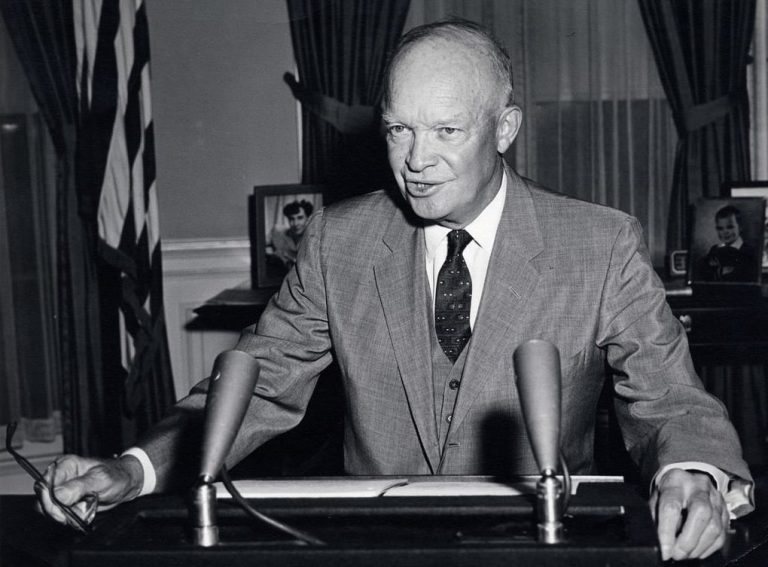
New York, N.Y. We remember Dwight D. Eisenhower as a towering figure who shaped the 20th century through his military leadership and presidential vision. As we reflect on his legacy, we’re struck by Eisenhower’s unwavering commitment to peace, prosperity, and the strength of the American spirit.
Eisenhower’s journey from a modest upbringing in Kansas, to the pinnacle of global leadership is a testament to the American dream. His ascent through the military ranks culminated in his role as Supreme Commander of Allied Forces in Europe during World War II, where he demonstrated exceptional strategic acumen and diplomatic skill.
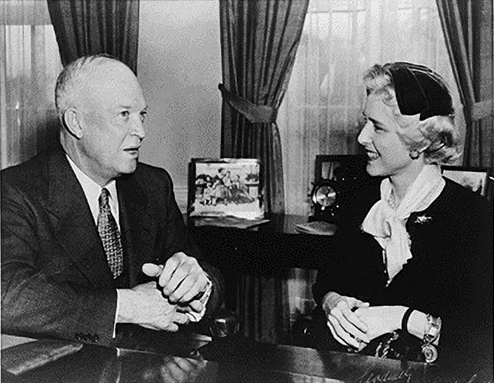
We admire how Eisenhower seamlessly transitioned from military commander to political leader. As the 34th President of the United States, he brought a steady hand to the helm of our nation during the tumultuous 1950s. His “New Look” national security policy aimed to balance military strength with economic vitality, a approach that resonates with us today.
Eisenhower’s presidency was marked by a commitment to peace and prosperity. We appreciate his efforts to end the Korean War and his refusal to escalate conflicts in Indochina, showing restraint in the use of military force. His creation of the Interstate Highway System and support for scientific education in response to the Space Race demonstrate his forward-thinking approach to domestic policy.
We’re particularly inspired by Eisenhower’s foresight in warning against the “military-industrial complex” in his farewell address. This cautionary message about the potential dangers of unchecked defense spending and its influence on American democracy continues to be relevant in our current political discourse.
Eisenhower’s legacy extends beyond his presidency. We’re impressed by his dedication to fostering international understanding through initiatives like the Eisenhower Fellowships. This program, which continues today, embodies his belief in the power of people-to-people diplomacy and cross-cultural exchange.
As we face complex global challenges, we find ourselves returning to Eisenhower’s wisdom. His belief that “whatever America hopes to bring to pass in the world must first come to pass in the heart of America” reminds us of the importance of nurturing our democratic values at home.
We’re struck by Eisenhower’s ability to balance strength with diplomacy. His efforts to ease Cold War tensions, such as the “Open Skies” proposal, demonstrate a nuanced approach to international relations that prioritized dialogue and transparency.
Eisenhower’s commitment to Civil Rights, though sometimes criticized for its pace, laid important groundwork for future progress. His assertion that “there must be no second class citizens in this country” reflects a vision of equality that we continue to strive for.
As we navigate the complexities of our modern world, we find Eisenhower’s leadership style increasingly relevant. His emphasis on collaboration, strategic thinking, and long-term planning offers valuable lessons for addressing today’s global challenges.
We’re inspired by Eisenhower’s multifaceted legacy as a military strategist, political leader, and advocate for peace. His life reminds us of the impact one individual can have on the course of history and the enduring power of American ideals.
In reflecting on Eisenhower’s life and career, we’re reminded of the importance of principled leadership, strategic vision, and unwavering commitment to democratic values. As we face the challenges of our time, we would do well to heed Eisenhower’s example of balancing strength with wisdom, and national interest with global responsibility.
From World War to Cold War: Eisenhower’s Quest for Peace (July 15, 2014)
TAGS: World War II, Cold War, Presidency, Military Strategy, Diplomacy, Civil Rights, Interstate Highway System, Military-Industrial Complex
[draft]
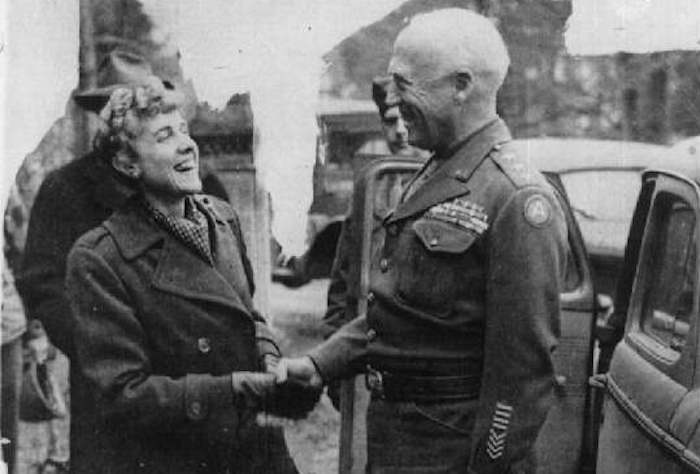
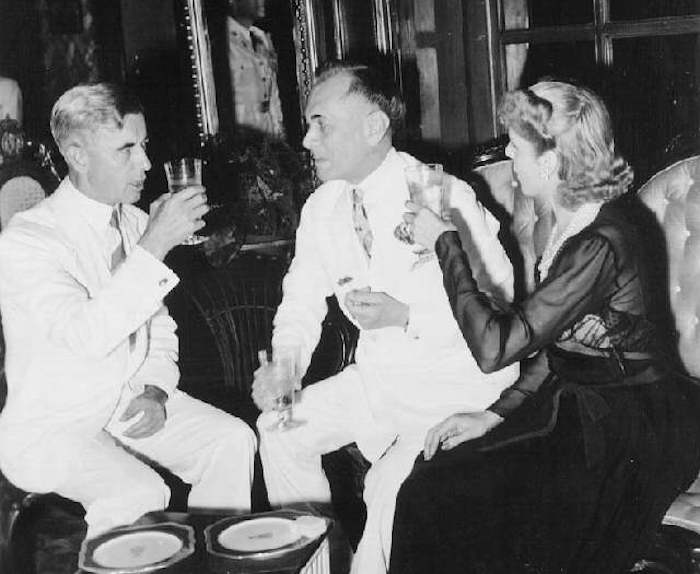
[Luce with Manuel Quezon and Admiral Thomas Hart], October 1941. Clare Boothe Luce Collection, Prints and Photographs Division, Library of Congress (111) LC-USZ62-133410
//www.loc.gov/exhibits/wcf/images/wcf111.jpg
[draft]
“My insides had not stopped quivering. …”
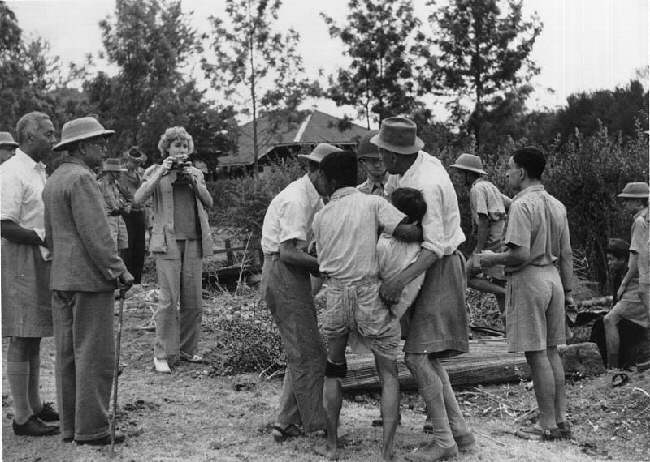
George Rodger, [Clare Boothe Luce photographing casualties in Maymyo, Burma], April 8, 1942, Clare Boothe Luce Collection, Prints and Photographs Division, Library of Congress (106) LC-USZ62-133414
//www.loc.gov/exhibits/wcf/images/wcf106.jpg
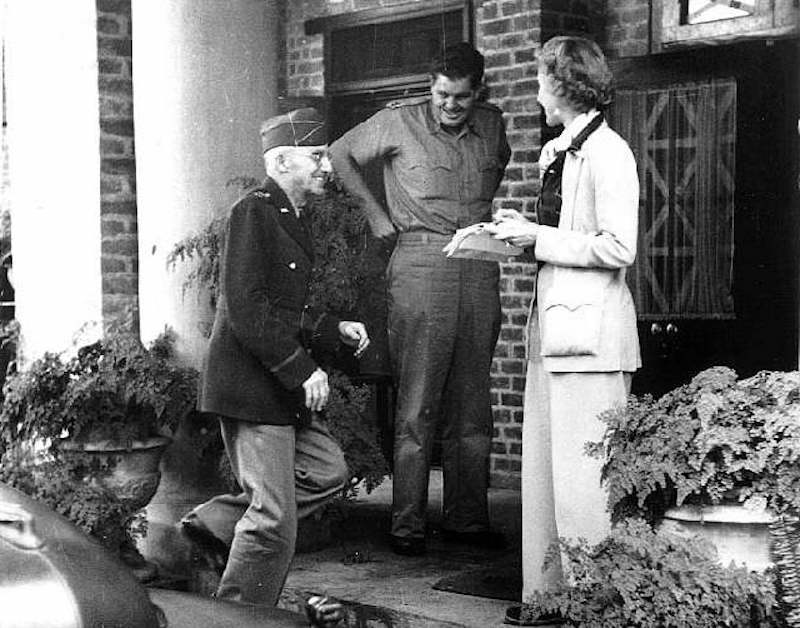
George Rodger, [General “Vinegar Joe” Stilwell arrives at his Maymyo headquarters and speaks with Clare Boothe Luce and Captain Fred Eldridge], April 7, 1942
[draft]
Talented, wealthy, beautiful, and controversial, Clare Boothe Luce (1903-1987) is best remembered as a congresswoman (1942-1946), ambassador, playwright, socialite, and spouse of magazine magnate Henry R. Luce of Time–Life–Fortune. Less familiar is Luce’s wartime journalism, which included a book, Europe in the Spring (1940) and many on-location articles for Life.
Though she covered a wide range of World War II battlefronts, Luce considered her war reportage merely “time off” from her true vocation as playwright. Nonetheless, Luce endured the discomforts, frustrations, and dangers encountered by even the most seasoned war correspondent. Besides experiencing bombing raids in Europe and the Far East, she faced house arrest in Trinidad by British Customs when a draft Life article about poor military preparedness in Libya proved too accurate for Allied comfort. Luce’s unsettling observations led longtime friend Winston Churchill to revamp Middle Eastern military policy.
Luce’s initial encounter with the war in 1940 produced Europe in the Spring, her first non- fiction book. Anxious to convince fellow Americans of the dangers of isolationism, Luce wrote a vivid, anecdotal account of her four-month visit to “a world where men have decided to die together because they are unable to find a way to live together.”
– Billie Holiday, from poem by Abel Meeropol
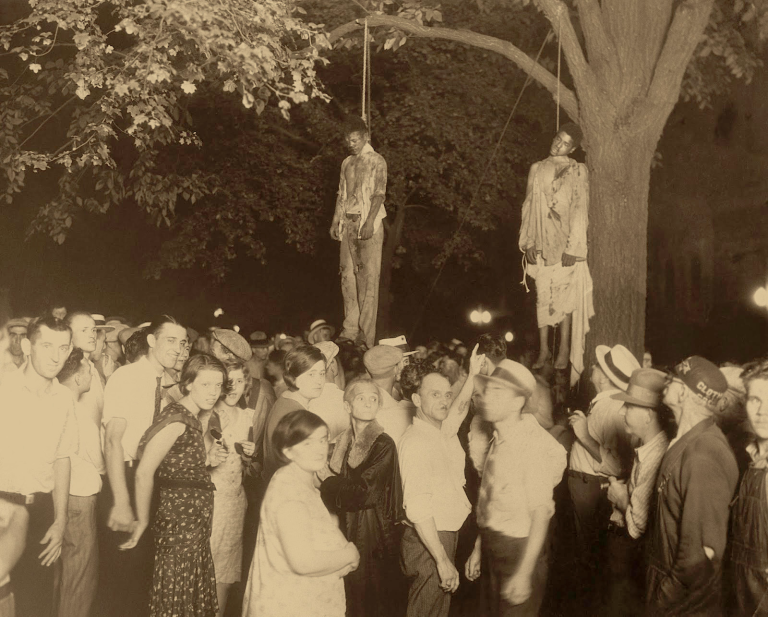
New York, N.Y. On August 7, 1930, in Marion, Indiana, Thomas Shipp and Abram Smith, two young African-American men, were brutally lynched by a mob of thousands. The incident began when they, along with 16-year-old James Cameron, were arrested and charged with robbing and murdering a white factory worker named Claude Deeter and raping his girlfriend, Mary Ball.
As news of the alleged crime spread, a large crowd gathered outside the jail, demanding that the suspects be handed over. The mob broke into the jail using sledgehammers and abducted Shipp, Smith, and Cameron. Shipp and Smith were savagely beaten and then hanged from a tree in the courthouse square. Cameron narrowly escaped the same fate when an unidentified woman and a local sports hero intervened, claiming his innocence.
The lynching was photographed by local studio photographer Lawrence Beitler, and the image became an iconic representation of racial violence in America. Thousands of copies of the photograph were sold as souvenirs, highlighting the disturbing spectacle nature of such events.
This tragic incident exemplifies the history of racial violence and lynchings outside the South, demonstrating that such atrocities were not confined to one region. It inspired Abel Meeropol to write the poem “Strange Fruit,” which was later famously recorded as a song by Billie Holiday, bringing national attention to the horrors of lynching.
Billie Holiday immortalized this gruesome hate crime with her song “Strange Fruit” – Trees bear a strange fruit/Blood on the leaves and blood at the root/Black bodies swingin’ in the…. breeze/Strange fruit hangin’ from the poplar trees.
Indiana in 1930, Thomas Shipp, Abram Smith Hung from Tree (July 9, 2014)
ABOUT Addiction Advice Africa Africa – South Africa – West Americas & Caribbean Analysis Animals & Animal Rights Anthropology Architecture Asia – East Asia-Pacific Asia – South Asia – Southeast Authoritarianism Available Content Calendar Celebrity Children Childrens' Literature China (PRC) Cities & Urban Development Corporations Cuisine & Culinary Arts CULTURE Dance Disaster & Development Economics Education Europe Events EXPRESSION Extremism Eyewitness Faith, Religion & Theology Family & Relationships Fashion Film & TV Global Warming Goodness Gun Control Health & Hygiene Heros of Democracy History Human Rights Humor Immigration & Migration In Depth International Relations Jim Luce Writes Law & Judicial System Leadership Liberation Movements Media Mental Health Mideast Monthly Feature Museums & Galleries Music Nature News Obituary Older Adults Open Orphans International Outer Space Pacific Islands Peace & Conflict Resolution Philanthropy Philosophy Philosophy Photography Poetry & Fiction Politics Pop Culture Poverty Press Pulse Profiles Racisim & Black Lives Matter Review Royalty Science & Technology Service Organizations Sexuality & Gender Social Media Sports & Olympics The Arts Theater & Comedy Travel U.N. U.S. Video Viewpoint War, Conflict & Terrorism Women WORLD World War II World War III Youth
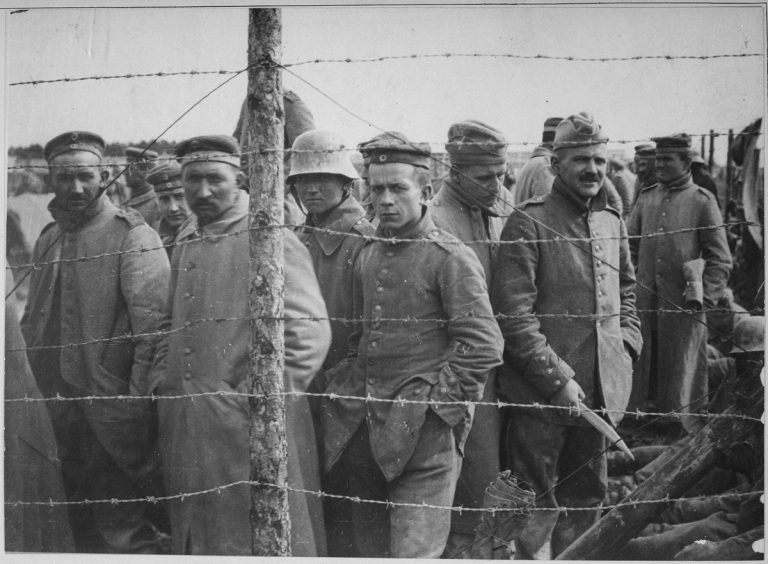
Photo: German prisoners in a French prison camp. Credit: French Pictorial Service., 1917-19.
xxx
New York, N.Y.
During World War I, the battlefields of Europe were sites of unimaginable carnage and suffering. Amidst the chaos, tens of thousands of soldiers found themselves captured and taken prisoner, far from home. Among them were German soldiers who became prisoners of war (POWs) in France. Their stories, often overlooked in the broader narrative of the Great War, reveal a complex and harrowing experience of survival, humanity, and resilience.
Captured on the Western Front
As the war raged on the Western Front, German soldiers were captured in significant numbers by Allied forces. Battles such as Verdun, the Somme, and the Marne saw countless troops taken prisoner. Once captured, these soldiers faced an uncertain fate. Transported across war-torn France, they were housed in makeshift camps, far removed from the front lines and their homeland.
Life in the Camps
Life in the POW camps was arduous and fraught with challenges. The conditions varied significantly from camp to camp, but overcrowding, inadequate food, and harsh weather were common issues. Many camps were hastily constructed, with prisoners often housed in barracks or tents that provided little protection from the elements.
Despite the hardships, the camps were not merely places of confinement. The Geneva Convention of 1907 stipulated certain standards for the treatment of POWs, including adequate food, shelter, and medical care. However, the reality often fell short of these ideals. Supplies were scarce, and the captors’ ability to provide for the POWs was hampered by the strain of the ongoing war.
Work and Survival
To manage the growing number of POWs and address labor shortages, the French authorities employed many German prisoners in various forms of labor. They worked on farms, in factories, and on infrastructure projects, such as road and railway construction. While the work was physically demanding and sometimes dangerous, it provided the prisoners with a sense of purpose and, in some cases, better living conditions than those in the camps.
The labor performed by German POWs was vital to the French war effort and the country’s economy. On the farms, prisoners helped to maintain food production, crucial for both the military and civilian populations. In industrial settings, they contributed to the production of war materials and essential goods.
The Human Side of Captivity
Despite the adversity, moments of humanity and solidarity emerged. POWs formed close bonds with their fellow captives, providing emotional support and camaraderie. They organized themselves into groups, elected leaders, and even held educational and cultural activities to maintain morale. Language barriers and initial animosities gradually gave way to mutual respect and understanding between some prisoners and their captors.
Instances of kindness were not uncommon. Some French civilians, despite the wartime propaganda, showed compassion toward the German prisoners. There were reports of locals sharing food, clothing, and small comforts with the POWs. These acts of humanity provided a glimmer of hope and reminded the prisoners that even in the darkest times, empathy and kindness could still prevail.
Letters and Longing
Communication with families back home was a lifeline for many POWs. Letters were meticulously censored, but they allowed prisoners to maintain a connection with their loved ones. The contents of these letters often focused on personal news, expressions of longing, and hopes for a swift end to the conflict. Receiving letters and parcels from home was a major event in the camps, lifting spirits and providing a temporary escape from the grim reality of captivity.
The End of the War and Repatriation
With the Armistice in November 1918, the war came to an end, but the ordeal for many German POWs was not yet over. The process of repatriation was slow and complicated by logistical challenges and political considerations. It took months, and in some cases years, for all the prisoners to return home.
For the returning soldiers, reintegration into civilian life was fraught with difficulties. They carried the physical and psychological scars of their captivity, and many faced economic hardship and social stigma. Despite these challenges, the experience of being a POW had also instilled in them a sense of resilience and a deeper appreciation for peace.
Legacy and Memory
The stories of German POWs in France during World War I are a poignant reminder of the human cost of conflict. These men, like so many others caught up in the tides of war, endured immense suffering and hardship. Yet, their experiences also highlight the capacity for resilience, solidarity, and humanity even in the most trying circumstances.
Today, their stories are an essential part of the broader narrative of World War I, offering valuable insights into the complexities of war and the enduring spirit of those who lived through it. By remembering the experiences of German POWs in France, we honor their sacrifices and reaffirm our commitment to the principles of compassion and understanding that are so crucial in our world.
In commemorating these forgotten lives, we acknowledge the shared humanity that transcends national boundaries and the enduring hope for a world where such suffering is never repeated.
Forgotten Lives: German POW’s in France During World War I (July 4, 2014)
[draft]
The Museum of Modern Art, Ibaraki (茨城県近代美術館) opened on the shore of Lake Senba in Ibaraki Prefecture, 75 miles above Tokyo on the coast, October 1988 [website in English].
The collection, numbering some 3,700 pieces, includes works by Manet, Monet, and Renoir, Gustave Courbet, Eugène Carrière, Camille Pissarro und Alfred Sisley.
In addition, Yōga (“Western-style painting”) and Nihonga (“Japanese-style painting) by artists including Tsuguharu Foujita, Heihachirō Fukuda, Taikan Yokoyama, Yukihiko Yasuda, Tetsugoro Yorozu, Kanzan Shimomura, Kenzo Okada, Yasuo Kuniyoshi, Kiyokata Kaburagi, Kokei Kobayashi, Gyoshū Hayami, Hishida Shunsō, and Shikō Imamura.
Museum of Modern Art in Ibaraki, Just North of Tokyo (June 26, 2014)
[draft]
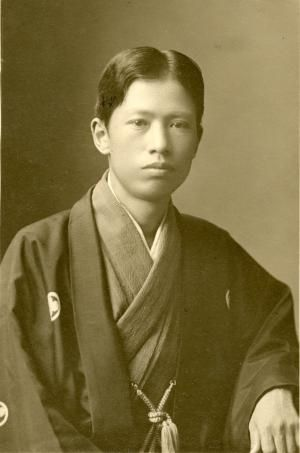
Shunsō Hishida (菱田 春草) was the pseudonym of a Japanese painter from the Meiji period. One of Okakura Tenshin’s pupils along with Yokoyama Taikan and Shimomura Kanzan, he played a role in the Meiji era innovation of Nihonga (Japanese-style painting). He was known, among other things, for his numerous paintings of cats.
Hishida was born in Nagano in 1874, just after the Meiji Restoration, and died at only 36 in 1911. He lived in Shibuya, Tokyo.

Created: 1909
Medium: two-panel screen; ink and color on silk
Dimensions: 128 cm x 55 cm
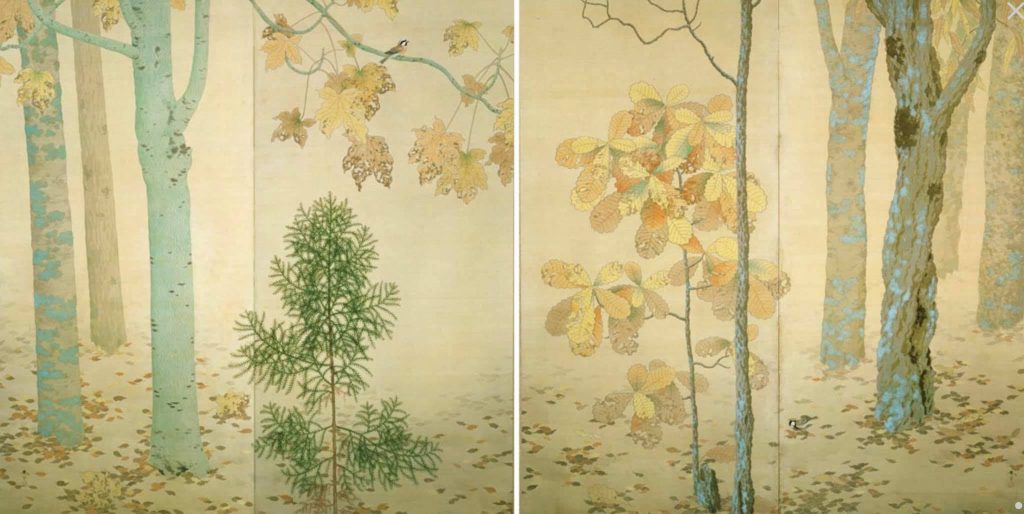
Fallen Leaves by Shunso Hishida, 1909, Museum of Modern Art, Ibaraki.
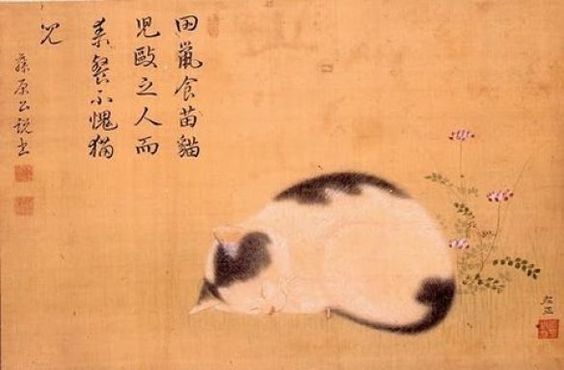
Shunso Hishida at Museum of Modern Art, Ibaraki (June 26, 2014)

Cloud Study, William Bradford, c. 1870-1880.
Harvard Art Museums/Fogg Museum, Bequest of Isabella Grandin.
Size: 30.5 x 45.7 cm (12 x 18 in.)
Medium: Oil on buff wove paper
[draft]

[draft]
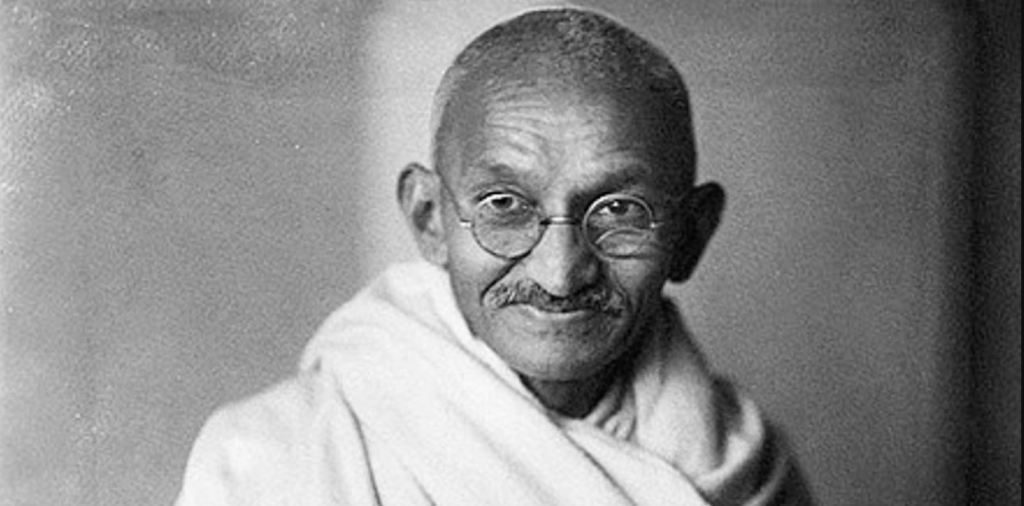
New York, N.Y. Mahatma Gandhi [Luce Index™ Score: 95]…
Gandhi Jayanti is an event celebrated in India to mark the birthday of Mahatma Gandhi. It is celebrated annually on October second, and is one of the three national holidays in India. The United Nations celebrates the day as International Day of Non-Violence. Called the “Father of The Nation” by Subhas Chandra Bose, Gandhi espoused one of the most well known philosophies of nonviolent resistance.
Gandhi Jayanti is celebrated yearly on October second and is observed in all of India’s states and territories. It is marked by prayer services and tributes across India, including at Gandhi’s memorial, Raj Ghat, in New Delhi where he was cremated. Popular activities include prayer meetings, commemorative ceremonies in different cities by colleges, local government institutions and socio-political institutions.
On this day awards are granted for projects in schools and the community encouraging a nonviolent way of life as well as celebrating Gandhi’s effort in the Indian independence movement. Gandhi’s favorite bhajan (Hindu devotional song), Raghupati Raghava Raja Ram, is usually sung in his memory. Statues of Mahatma Gandhi throughout the country are decorated with flowers and garlands, and some people avoid drinking alcohol or eating meat on the day. Public buildings, banks and post offices are closed.
http://stewardshipreport.com/gandhis-dedication-to-non-violence-remains-example-for-all/
Gandhi’s Dedication to Non-Violence Remains Example for All (June 20, 2014)
TAGS: Mahatma Gandhi, India, Non-Violence
With Harry Belafonte [Luce Index™ Score: 99] at the United Nations in New York.
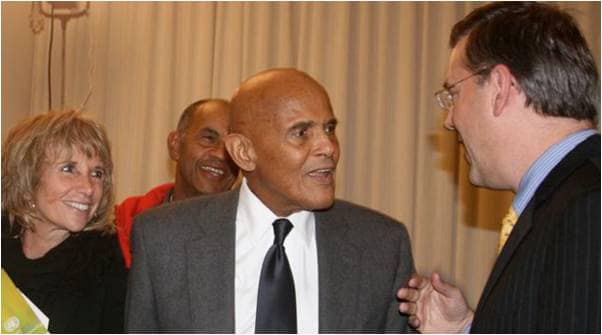
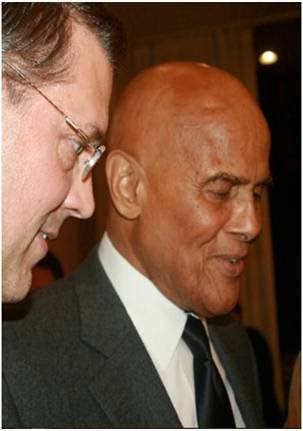
See: Harry Belafonte (June 20, 2014)
[draft]
Orphans International Worldwide Fundraiser & Birthday Bash Next Wednesday evening, 7/24/13 – Asymmetrik Gallery’s first event – a benefit for Orphans International Worldwide and my birthday – JOIN US!

Asymmetrik Gallery Hosts 2013 Summer Soirée for Orphans International
[draft]

[draft]

[draft]


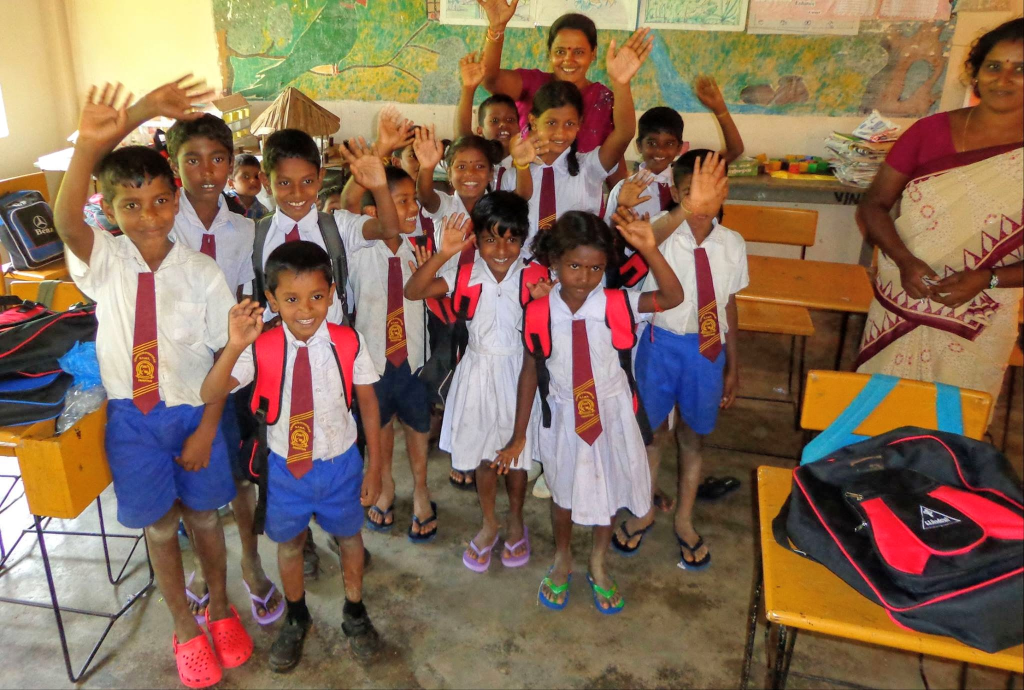
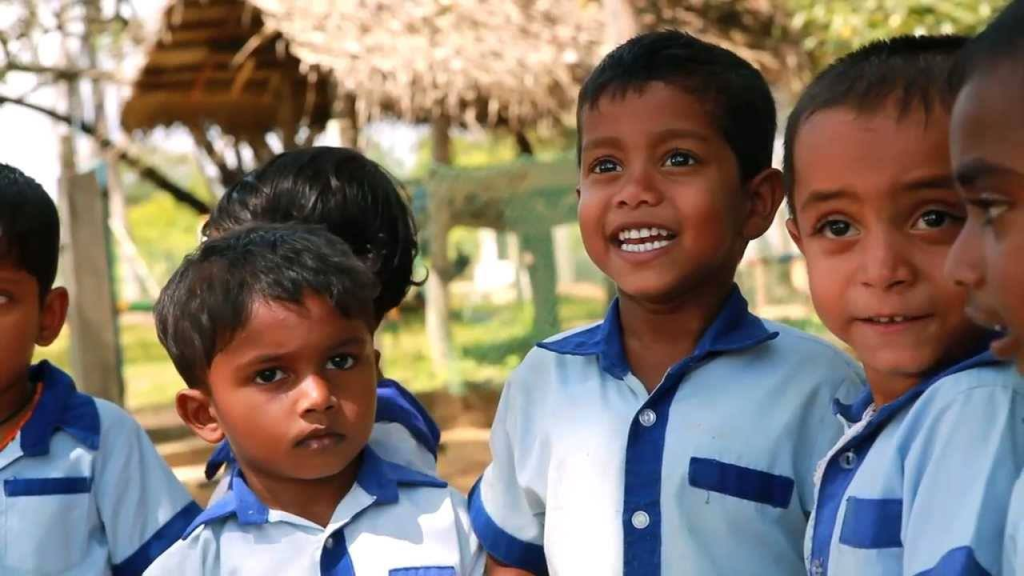
Photo: Jim Luce avec des orphelins du tsunami de 2004. Crédit : Orphans International.
Par Jim Luce
12 novembre 2007
Les États-Unis regorgent de bienfaiteurs aisés convaincus que leur expérience et leur créativité peuvent mobiliser expertise et argent pour améliorer la vie des populations des pays en développement. Sept ans après avoir fondé ma propre organisation caritative mondiale, je sais maintenant que c’est possible, bien que souvent problématique. Il faut beaucoup de passion, d’énergie et d’intelligence, mais il en faut tout autant pour les personnes à l’étranger qui vous aident.
Travaillant à Wall Street il y a des années, j’ai rencontré une mosaïque de personnes de diverses ethnies et personnalités, toutes poursuivant joyeusement le dieu tout-puissant dollar. J’ai réalisé qu’avec une cause commune, toutes les différences peuvent être surmontées.
À l’époque, je passais mes week-ends à sauver des chiens et des chats des rues de New York. Mais je voulais faire quelque chose pour aider le monde. Invité par un ami indonésien à voyager avec lui dans sa ville natale des îles Célèbes, j’ai sauté sur l’occasion et nous sommes partis. Ma vie était sur le point de changer radicalement.
Par hasard, nous sommes passés devant un orphelinat, et j’ai ressenti le besoin de le visiter. J’étais intrigué. Au fil des ans, les orphelinats ont été progressivement éliminés aux États-Unis, remplacés par le système de placement familial. En entrant dans l’établissement faiblement éclairé, j’ai été submergé par les conditions extrêmement pauvres. Il y avait beaucoup d’amour, mais l’établissement lui-même était délabré. Si ces enfants avaient juste plus d’argent pour la nourriture et le logement — environ 600 dollars par an, selon moi — ils pourraient s’épanouir. Que pouvais-je faire personnellement pour que cela se produise ?
Un bébé se distinguait littéralement des autres, et ses yeux suppliants mais déterminés semblaient exiger que je l’emmène avec moi. Son nom était Mathew. Il avait 10 mois.
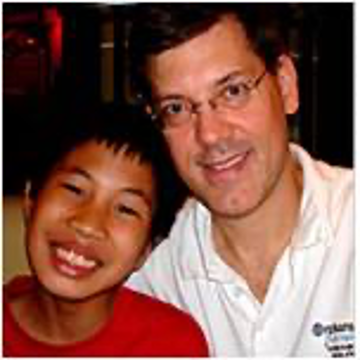
La connexion entre nous fut immédiate, et après avoir parlé avec ma fiancée, j’ai accepté de l’adopter. Le personnel a demandé que son maillot de corps, plein de trous, soit laissé pour le prochain enfant.
Moins d’un an plus tard, Mathew avait franchi les bureaucraties indonésiennes et américaines et était dans mes bras à l’aéroport Kennedy.
Avant l’arrivée de Matt, j’avais discuté de ce que j’avais vu avec une psychologue pour enfants perspicace à Boston — Frances Dudley Alleman-Luce, ma mère et amie. Je ne pouvais pas arrêter de penser aux autres bébés de l’orphelinat, vivant dans des conditions dickensiennes, pires que les refuges pour animaux de New York. Ils ne pouvaient pas tous être adoptés, mais ils pouvaient être aidés. Ma mère et moi avons discuté des moyens de le faire.
Puis vint le dénouement : “Maman, devine quoi ? ” ai-je dit. “J’ai adopté ce petit garçon — tu es maintenant sa grand-mère ! ” Il ne lui fallut que quelques secondes pour réaliser que la théorie était maintenant profondément personnelle — et une nouvelle page de l’histoire de notre famille venait de se tourner. La matriarche de notre famille, avec de profondes racines dans la Nouvelle-Angleterre puritaine et anglicane, venait de recevoir un petit-fils chinois-indonésien.
Lorsque Matt est arrivé, elle l’a immédiatement adopté comme le sien et lui a fait le même tour de la cour de Harvard qu’elle m’avait fait enfant, montrant les racines de notre famille là-bas. Aujourd’hui, il est un adolescent moyen de New York.
Des solutions aux problèmes globaux auxquels j’avais été confronté dans les îles Célèbes devaient exister. Ma mère a étudié mon inclination à donner de l’amour et de l’affection aux nécessiteux et m’a défié de conceptualiser mon objectif d’améliorer la vie des orphelins.
C’est ainsi qu’est née l’idée d’un système de familles d’accueil de substitution dans les pays en développement. Mon concept reposait sur de petites maisons avec seulement quatre enfants et un parent dans chaque logement. Mon objectif était d’élever des enfants orphelins de la petite enfance à l’âge adulte de la manière dont j’élèverais mon fils. Cette simple notion est désormais codifiée sous le nom de “Règle de Mathew”. Mathew pourrait-il s’épanouir ici ? C’est notre critère strict et principal.
Ma mère est décédée en 2001, et dans son testament, elle a désigné de l’argent avec l’espoir que je commencerais Orphans International. Compte tenu de mon héritage — d’un co-fondateur de Harvard (Thomas Dudley) au fondateur du Naval War College (Stephen Bleecker Luce) — peut-être croyait-elle que la construction d’institutions était dans mes gènes.
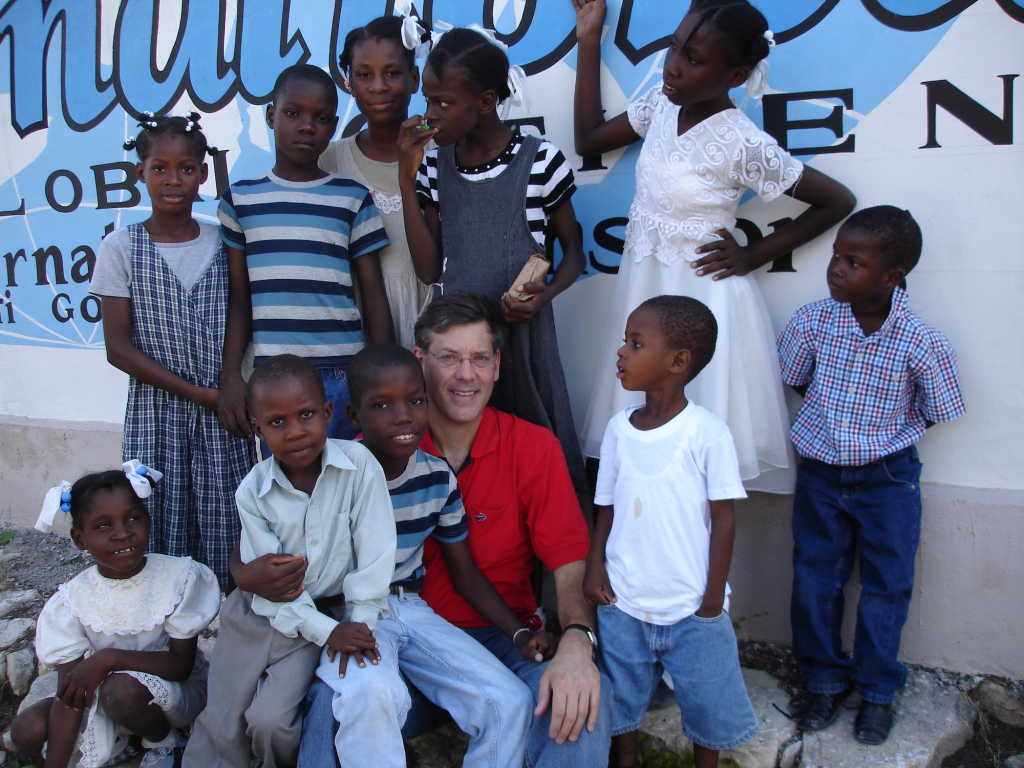
Nous avons incorporé Orphans International en Indonésie plus tard cette année-là, et avons ouvert notre première maison à Sulawesi. En 2002, nous nous sommes incorporés à New York et avons commencé à lever des fonds ici. Nous avons commencé à travailler en Haïti en 2003, ouvrant finalement une maison à Gonaïves.
Ensuite, le tsunami a frappé l’océan Indien d’Indonésie au Sri Lanka. Les contributions ont afflué, de ma propre communauté de Roosevelt Island et des familles éminentes du monde entier qui avaient entendu parler de nous par le bouche à oreille. Nous avons placé du personnel sur le terrain — en fait dans la boue — en quelques jours à Aceh, en Indonésie, avons rapidement mis en place une maison et avons accueilli nos premiers orphelins du tsunami avec amour et compassion. J’ai pensé à ma mère.
Lorsque la vague a frappé le Sri Lanka, un jeune couple sri-lankais-américain a été pris dans son étreinte mortelle sur une plage près de Galle. Le mari a été emporté. Sa femme américaine a survécu. En sa mémoire, son père a promis de construire un village d’orphelins au Sri Lanka.
Avec le soutien de notre conseil d’administration, nous avons construit une organisation non gouvernementale associée aux Nations Unies. Notre organisation faîtière est Orphans International Worldwide, avec notre bureau administratif géré par des bénévoles à Lima, au Pérou, et notre programme de stages bénévoles à New York. Cette structure nous permet de maintenir des frais généraux faibles ; notre dernier audit montre moins de 8 % dépensés en administration.
Pour financer ces efforts, nous avons créé le Cercle des Fondateurs, le Cercle des Présidents et le Conseil Consultatif — chaque groupe avec des engagements financiers spécifiques. Depuis que nous sommes associés au Département de l’information publique des Nations Unies, la Règle de Matt a été élaborée et est devenue une norme pour les orphelinats des pays en développement.
Après le tsunami, j’ai démissionné de mon travail à Wall Street pour me consacrer à l’augmentation des financements, à la construction de programmes et à l’assurance de la conformité à nos normes mondiales. Des progrès considérables ont été réalisés avec des professionnels locaux honnêtes, solidaires et bienveillants. Nous espérions qu’ils nous aideraient à éviter les revers — y compris d’innombrables cas de népotisme et de corruption — auxquels nous avons été confrontés. Ils l’ont fait dans une certaine mesure, mais les défis sont toujours survenus.
Par exemple, un membre du conseil d’administration de l’un de nos programmes nous a fait pression pour embaucher sa maîtresse en tant que directrice et louer le manoir de son frère comme orphelinat. Non. Un employé a vu des signes de dollar après le tsunami et les millions d’aides qui ont suivi, et a annoncé qu’il prenait le contrôle de l’organisation. Non. Un autre officier, avec moi pendant deux ans, ne pouvait pas rendre compte des fonds. Encore une fois, non. Comment quelqu’un peut-il trahir ses propres enfants ?
Malgré ces batailles en coulisses, nous sommes sur le terrain dans 12 pays et avons un budget annuel de 500 000 dollars, avec des projets en Haïti, en Indonésie et au Pérou, et bientôt au Sri Lanka. Curieusement, le Sri Lanka est le seul pays dans lequel nous n’avons jamais été trahis. Là-bas, nous n’avons pas été confrontés à la corruption, mais plutôt à la lente torture de la bureaucratie. Je crois que notre projet là-bas, qui est sur le point d’accueillir ses premiers enfants, pourrait devenir le modèle de nos efforts mondiaux.
Orphans International est devenu ma vocation, et cela peut être dangereux. L’été dernier en Haïti, lors d’une baignade avec notre directeur local et deux de nos enfants, nous avons été attaqués par une foule de personnes qui pensaient que nous enlevions leurs enfants. La police haïtienne a vu le danger et nous a sauvés, mais elle a elle-même été débordée par la foule violente. En fin de compte, nous avons été sauvés par des soldats de la paix des Nations Unies.
Finalement, je crois que la patience, la confiance, la bonne volonté et Internet rendent nos efforts possibles. Nous communiquons avec nos 218 bénévoles à travers les fuseaux horaires par e-mail, messagerie instantanée et Skype. Plaxo, Facebook et LinkedIn jouent également un rôle dans notre sensibilisation. Nous prévoyons que nos parrains puissent saluer directement leurs enfants via Skype.
Comme à Wall Street, les semaines de 100 heures continuent, sauf que maintenant je ne reçois plus de salaire ni de bonus annuel. En 2006, j’ai encaissé mes économies de retraite pour maintenir nos efforts à flot. Mon objectif continue d’être la recherche du dollar tout-puissant — mais désormais pour les autres.
Jim Luce est le fondateur et président de Orphans International Worldwide.
ESSAI | D’abord un orphelin, puis beaucoup d’autres : Orphans International