Ranked in fifth place nationally, Jeremy is perhaps the only broker who can handle both elite and average buyers.
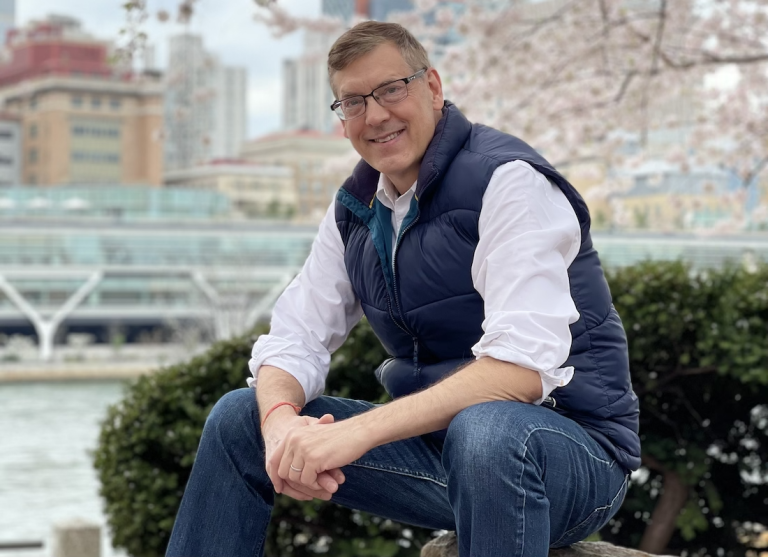
New York, N.Y. Nobody knows Manhattan real estate, luxury needs, and everyday budgets better than Jeremy Hu, a partner of New York Casas. Jeremy and his team speak over twelve languages.
Ranked in fifth place nationally, Jeremy is perhaps the only broker who can handle both elite and average buyers. “I think what is important to my clients is their need to build a home for themselves and their family. It does not matter if this is a one-floor suite over Central Park or a studio in Williamsburg,” he tells us.
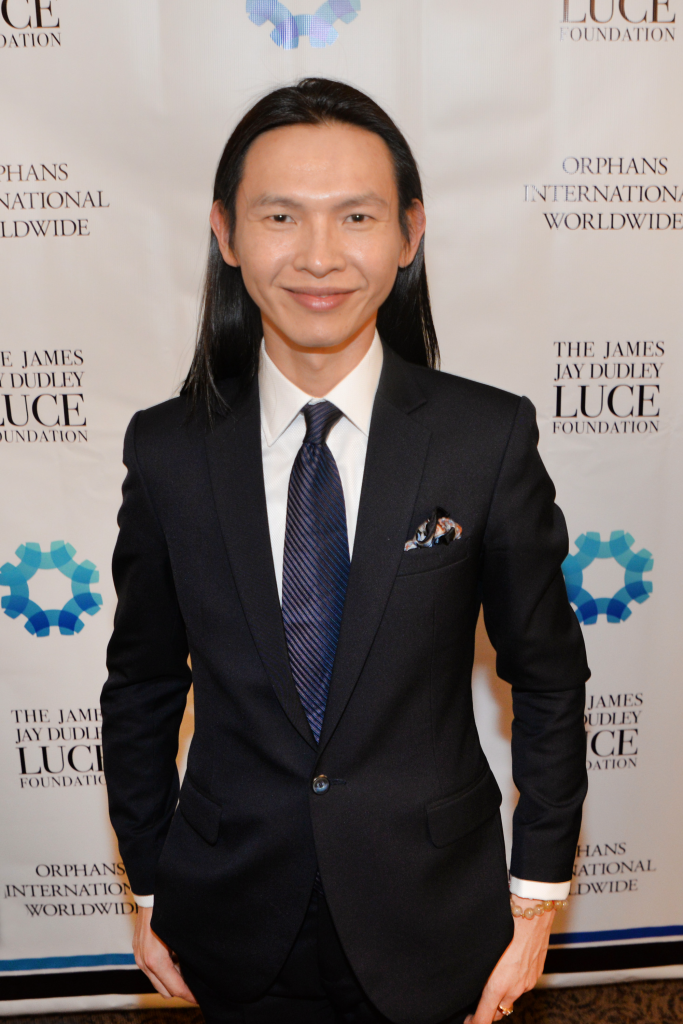
Jeremy Hu has been ranked #5 in the nation and is #1 with Jim Luce.
Born in Taiwan and raised in Singapore and the U.K., Jeremy can handle transactions in English, Mandarin, even Portuguese, and his clients are both global and local. He is best known for selling a $23.5 million penthouse at One57 on Billionaires’ Row which landed him in The Wall Street Journal, likewise ranked as #5 for individual sales (2017).
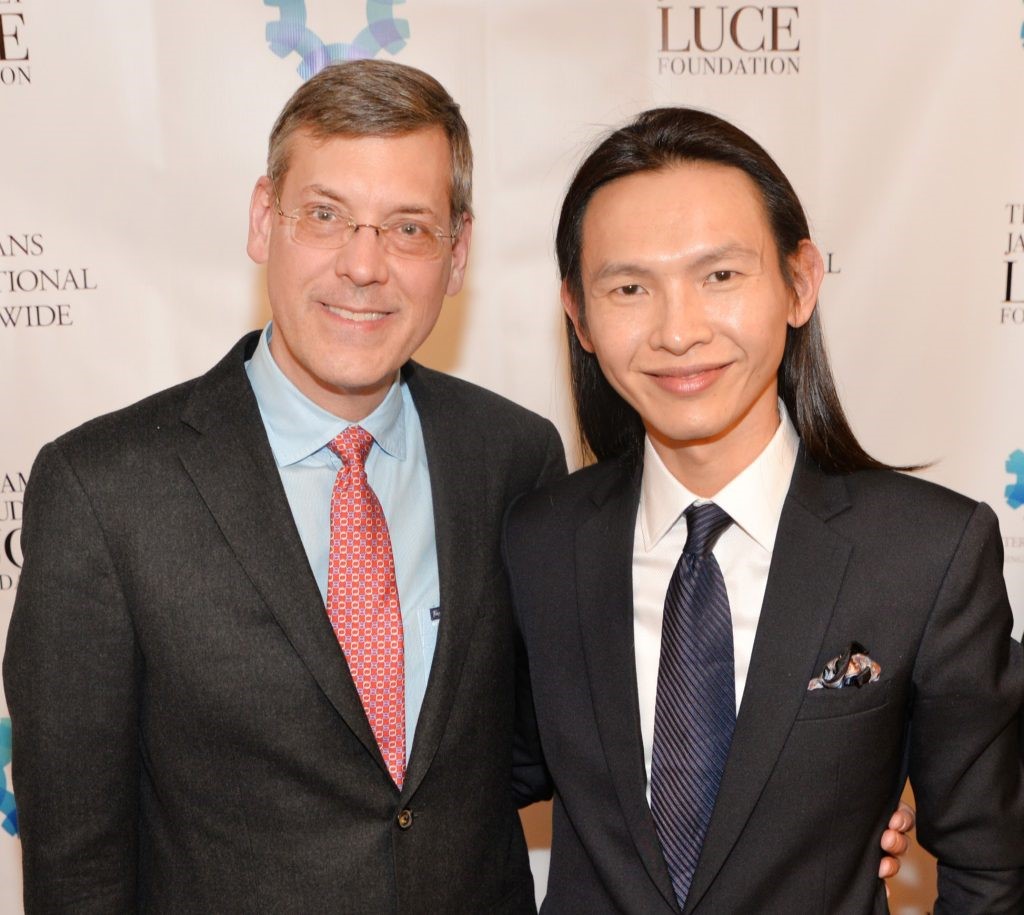
Jeremy seems to give back more than he gets, here with Mitzi Perdue.
Jeremy is actively involved with philanthropy, sitting on the Board of Directors of both Orphans International Worldwide and the James Jay Dudley Luce Foundation. “When we do well, we need to share with those who are disadvantaged. The most among us are orphaned children. I dream of doing all I can to protect them.”
Deeply spiritual, Jeremy believes in the intrinsic worth of all humanity.
No stranger to TV interviews, Jeremy has been featured on shows around the world. Perhaps my favorite is his piece on Chinese TV entitled “Billionaires’ Row 纽约亿万富豪大道上的四大顶级楼盘.”
“There is no other Agent in New York I would trust to handle my real estate transactions better than Jeremy Hu. He is a man of deep integrity, knows the market and is a fair advocate for both buyer and seller,” states philanthropist Jim Luce.
Jeremy Hu may be best reached via SMS, 微信 (WeChat), or WhatsApp at 1.646.251.0179.
He is located at New York Casas, 745 Fifth Avenue, Suite 500, New York, N.Y. 10151 USA.
To see Jeremy’s exclusive listings, please see here.
To see his company’s YouTube guides on how to purchase real estate in New York City in seven languages, see here.
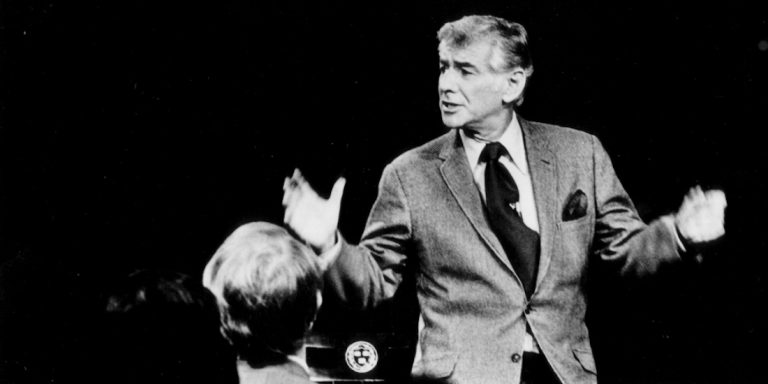
Bernstein’s lectures were revolutionary in their interdisciplinary scope
New York, N.Y. — In the fall of 1973, Leonard Bernstein, the renowned composer and conductor, delivered a series of six groundbreaking lectures at Harvard University, his alma mater. Titled “The Unanswered Question,” these lectures were part of Bernstein’s appointment as the Charles Eliot Norton Professor of Poetry, a prestigious position he assumed in 1972.
The Norton Professorship, established in 1925, required Bernstein to reside on campus, mentor students, and present six public lectures. This tradition had previously been upheld by luminaries such as T.S. Eliot, Aaron Copland, and Jorge Luis Borges.
Bernstein’s lectures were a tour de force, exploring the intricate relationships between music and various disciplines:
The Lecture Series
Musical Phonology
Musical Syntax
Musical Semantics
The Delights and Dangers of Ambiguity
The Twentieth Century Crisis
The Poetry of Earth
In these talks, Bernstein delved into the fundamental aspects of music, drawing parallels with linguistics, aesthetics, and even physics. He based much of his analysis on Noam Chomsky‘s linguistic theories, applying them to musical structures.
A Multidisciplinary Approach
Bernstein’s lectures were revolutionary in their interdisciplinary scope. He examined classical music through the lens of linguistic concepts such as phonology, syntax, and semantics. The fourth lecture explored the ambiguities in Romantic period music, while the fifth addressed the crisis of atonality in 20th-century compositions.
The Unanswered Question
The overarching title of the series, borrowed from Charles Ives‘ composition, became a metaphor for Bernstein’s exploration of music’s fundamental nature and future. The final lecture focused on Igor Stravinsky‘s work, which Bernstein believed offered a solution to the “unanswered question” by maintaining tonality at its core.
Legacy and Impact
Despite some criticism for their broad scope, the Norton Lectures were widely acclaimed as an impressive achievement. They provided a fresh perspective on musical analysis and interpretation, making complex concepts accessible to a general audience.
The lectures’ impact extended beyond the halls of Harvard. They were broadcast on PBS in the United States and later on BBC in Great Britain. In 1976, they were published as a book, further cementing their place in musical scholarship.
Bernstein’s Norton Lectures stand as a testament to his brilliance as both a musician and an educator. They continue to inspire and challenge our understanding of music, serving as a bridge between academic discourse and public appreciation of the art form.
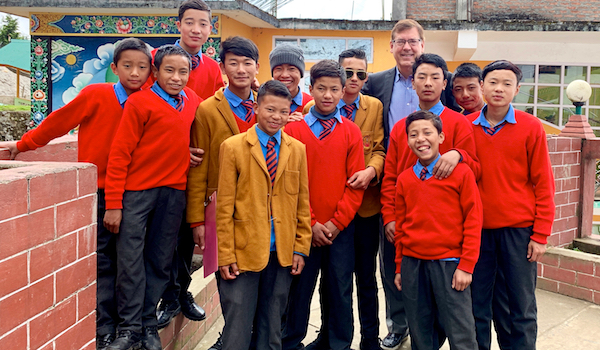
Author with incredible Tibetan orphans, high up in the Himalayas on the Bhutan/China border at Manjushree. Photo: Stewardship Report.
Tawang, India. Twenty-five years ago, I stumbled upon a ten-month-old infant in Indonesia who would change the direction of my life: my son, Mathew James Tendean Luce. That chance encounter ignited a passion for orphan care, a journey that has taken me to some of the world’s most remote and needy places, including this high-altitude village in the Himalayas near the Bhutan/China border, home to the Manjushree Orphanage.
Mathew James Tendean Luce, the impetus of my passion, the day after he left his orphanage in Indonesia. Photo: Stewardship Report.
Reflecting on the genesis of this journey
Reflecting on the genesis of this journey, I am reminded of my mother, a child psychologist in Boston, who always emphasized the importance of making a difference in the world. When she passed in 2001, she left funds to establish Orphans International Worldwide (OIW), a testament to her enduring belief in caring for the vulnerable.
Our work began in Sulawesi, Indonesia, supporting Protestant children in 2001. This was quickly followed by efforts in Haiti after Hurricane Jeanne in 2003, and in Guyana, South America, in collaboration with then-president Bharrat Jagdeo, addressing the needs of both Indo- and Afro-Guyanese children.
The catastrophic Indian Ocean Tsunami in 2004 significantly expanded our mission
We were called to aid new orphans – Muslim children in Sumatra, Indonesia, and Buddhist children in Sri Lanka. Their harrowing stories of climbing palm trees to escape the waves while watching their parents be swept away are forever etched in my memory. Concurrently, we began supporting Hindu orphans in Bali, demonstrating our commitment to children of all faiths and backgrounds.
With the children of Orphans International Sri Lanka after the 2004 Tsunami. Photo: Stewardship Report.
The 2000s were a period of intense activity and expansion for OIW. We extended our reach to Togo, Ghana, Tanzania, Madagascar, and the Dominican Republic. The devastating earthquake in Haiti in 2010 saw us redoubling our efforts there, continuing to support the most vulnerable in times of crisis.
Pivotal partnership with Dr. Kazuko Tatsumura
A pivotal partnership during this period was with Dr. Kazuko Tatsumura, daughter of a Japanese Living Treasure. Through her, we began supporting the Tibetan orphanage in Tawang, India. In 2014, we launched the Manjushree Fund to build an endowment for Tibetan orphans and destitute children.
By 2015, we had provided funds to help construct a four-story academic building on the orphanage’s campus, a significant milestone in our efforts to support education and empowerment.
Dubbed “Tsunami Saint” by the New York press, the author began work in both Indonesia and Sri Lanka after the 2004 Tsunami. Photo: Stewardship Report.
One poignant moment that underscores the impact of our work occurred last year. On my way to JFK airport for a trip to Jamaica, the taxi driver asked if I was going on holiday. When I explained my work with children and university students, he became very interested. As he helped me with my bags, he said, “You must be Jim Luce.”
I was taken aback. “I want to thank you for your work around the world,” he continued. “For, you see, I am a graduate of Manjushree Orphanage and was educated in the building you helped build.” This encounter was a powerful reminder of the far-reaching effects of our work.
Ground breaking for a new campus at Orphans International Sumatra in Indonesia after the 2004 Tsunami. Photo: Stewardship Report.
Luce Leadership Experience
The Luce Leadership Experience is another initiative close to my heart. It exposes Young Global Leaders in New York to diverse cultures and challenges, fostering a new generation of compassionate and informed leaders.
Last summer, our leaders visited Matt Luce’s Presbyterian orphanage in North Sulawesi, Indonesia. They witnessed firsthand the place where Matt was raised and met the elderly women who cared for him as an infant. It was a deeply moving experience, full of love and tears.
Two weeks ago, we faced a crisis when the Indonesian orphanage where Matt was once placed caught fire. The night was filled with frantic text messages as flames engulfed the home.
Miraculously, all sixty children and the staff were pulled out unharmed. In the morning, only a wall with the Angel Gabriel remained, seemingly untouched by the fire. This incident underscored the fragility and resilience of our mission, and the unwavering commitment required to support these children.
Visiting “Untouchables” in rural India, 2012. I wrote “Touching the Untouchables in a Rural Indian Village” for The Huffington Post. Photo: Stewardship Report.
Here at Manjushree, the Cycle of Life is a prominent concept.
Children graduate, attend university, and some return to teach the next generation. My son Mathew has pledged to return to Indonesia to spearhead the reconstruction of the orphanage, bringing our journey full circle.
The ten-month-old infant I adopted 24 years ago, who inspired the creation of Orphans International, is now taking the lead in our mission. Surrounded by Tibetan orphans here in Tawang, I reflect on which of them will play a key role in our future.
In this journey of compassion and commitment, the impact of our work is evident. From supporting Protestant, Catholic, Muslim, Buddhist, and Hindu orphans to empowering young leaders, we have touched countless lives. The story of the taxi driver and the resilience of the Indonesian orphanage are testaments to the enduring legacy of our efforts. As we continue to support and advocate for orphaned children worldwide, we honor their dignity and potential.
Comforting an orphaned child in Togo, West Africa, 2007. Photo: Stewardship Report.
The journey that began with a chance encounter in Indonesia has led me to Tawang, where I find myself surrounded by incredible Tibetan orphans. Reflecting on how far we have come, I am reminded of the importance of compassion, dedication, and the belief that every child deserves a chance. And as I look forward, I am grateful for the opportunity to make a difference, one child at a time.
Tags: orphan care, humanitarian work, Tibetan orphans, global leadership, Luce Foundation, compassion in action, Mathew’s Rule, child advocacy, Indonesia, Haiti, Guyana, Sri Lanka, Togo, Ghana, Tanzania, Madagascar, Dominican Republic, Manjushree Orphanage
The children of Orphans International Sulawesi in Indonesia loved their house cat. Photo: Stewardship Report
Dr. Kazuko Tatsumura with the building she built for Tibetan children at Manjushree Orphanage in India behind her. Photo: Stewardship Report.
With orphans of Hurricane Jeanne at Orphans International Haiti in Gonaïves, 2008. Photo: Stewardship Report.
The author, with a new child – and terrible food poisoning – North Sulawesi, Indonesia, 1996. Photo: Stewardship Report.
Lama Thupten is either the first or certainly among the first to leave the Tibetan monastery and engage in, as charged by the Dalai Lama, serving the community. This is very much in the footsteps of the Vietnamese Buddhist monk Thich Nhat Than, who walked with Martin Luther King, espousing social engagement not detachment. Like Gandhi, serving good by serving the poor.
Tawang, India. Born in Tawang, the middle of three sons, Lama Thupten Phuntsok was by tradition placed by his parents in a Tibetan monastery here. By this tradition here, the first son inherits the family’s wealth, the second son becomes a Buddhist monk, and the third son marries and devotes his life to his wife and her family.
With staff and supporters at Manjushree Orphanage for Tibetan Children in Twang, India. Photo: Stewardship Report.
In 1959, His Holiness the 14th Dalai Lama fled occupied Tibet into exile across the Himalayan Mountains into India; 85,000 of his adherents followed him. They settled largely into Dharamshala, the capital of the Government-in-Exile, but many were scattered across Tibetan settlements in South India. Hundreds landed in Tawang, a part of Historic Tibet that after a border war with China came under India jurisdiction. 20,000 Indian troops on the border in Tawang to keep it India.
Photo: Courtesy of Lama Thupten.
This socially-engaged monk, Lama Thupten, told me:
“After I graduated, I was asked by His Holiness the Dalai Lama to return to my community in Tawang and engage in supporting the children. I began with 18 who were either orphaned or disadvantaged, and soon opened a home for them. At first, we were in a shack with a tin roof, but we kept going – through TB and lice – as we raised funds to build new facilities and improve the orphanage.
Lama Thupten was asked by His Holiness to return to Tawang and help destitute children.Photo: Courtesy of Lama Thupten.
Lama Thupten gave me a personal tour of the Shrine of the Fifth Dalai Lama, the leader who united Historic (Greater) Tibet. The monastery there is where Lama Thupten had grown up. The Fifth Dalai Lama had received Genghis Khan from Mongolia at the end of his life. The Mongolian was repentant for all of the bloodshed he had caused and the Dalai Lama welcomed him. In fact, the temple here has a large painting of Genghis Khan on its wall.
Photo: Courtesy of Lama Thupten.
On the two-day ride from Guwahati over the 14,000-foot Se La Pass to Tawang, Lama Thupten had told me about his own amazing life. He expounded on how the overarching theme of all faiths was Kindness and Compassion. We chatted about how in my own life, working with orphaned children from Buddhist, Christian, Hindu and Muslim backgrounds, the central theme for all was Kindness and Compassion.
Photo: Courtesy of Lama Thupten.
Manjushree Vidyapith Orphanage for Tibetan Children is one of the major projects in Arunachal Pradesh, Eastern part of Himalayan region. Their purpose is to promote love, kindness. It was founded by Lama Thupten in 1998, from nothing. Today, a looming Japanese castle-like academic building looms over the dormitories, prayer hall, dining hall and soccer field – with the magnificent mountains stretching off into the horizon.
A rare image of Lama Thupten relaxing. Photo: Courtesy of Lama Thupten.
Friends of Manjushree Vidyapith School and Orphanage (Link) is a registered charity in the U.K. providing support for Manjushree’s orphans, handicapped and destitute children “in the high Himalayas of N.E. India.” The Manjushree Fund of Orphans International Worldwide in the U.S. likewise accepts contributions for this charitable institution.
Lama Thupten with benefactor Dr. Kazuko Hillyer Tatsumura of New York, 2012. Photo: Stewardship Report.
It is my understanding that Lama Thupten is either the first or certainly among the first to leave the Tibetan monastery and engage in, as charged by the Dalai Lama, serving the community. This is very much in the footsteps of the Vietnamese Buddhist monk Thich Nhat Than, who walked with Martin Luther King, espousing social engagement not detachment. Like Gandhi, serving good by serving the poor.
Photo: Courtesy of Lama Thupten.
In Protestant tradition, this would be considered engaging in the Social Gospel. In Catholicism, it could be likened to Liberation Theology, such as preached by Bishop Oscar Romero of El Salvador. In Christianity, there are those who preach about Christ, and those who walk barefoot down the dirt road with Jesus.
The author with Lama Thupten. Photo: Stewardship Report.
Lama Thupten, Tibetan monk, is clearly walking in the path of Buddha. Not devoting his life to worshiping Buddha as God, but following the Buddha’s own words to become Buddha-like himself. Through his selfless service to humanity.
Twenty Years ago today, Matthew Shepard was beaten and left for dead – tied to a fence in Wyoming. The only part of his face not covered in blood was two white lines running down his cheeks from where his tears ran dry.
On October 7, 1998, Matthew Shepard, a 21-year-old student at the University of Wyoming, was brutally attacked and tied to a fence in a field outside of Laramie, Wyoming and left to die. On October 12, Matt succumbed to his wounds in a hospital in Fort Collins, Colorado.
In the aftermath of Matt’s death, his parents, Judy and Dennis Shepard, started the Matthew Shepard Foundation to honor his life and aspirations. Inspired by the tragedy they endured, the initial purpose of the Foundation was to teach parents with children who may be questioning their sexuality to love and accept them for who they are, and to not throw them away.
Through their personal appearances across the country and around the world, Judy and Dennis Shepard are changing hearts and minds by sharing Matt’s story and highlighting the importance of standing up for the LGBT community.
Since their formation, the Foundation has helped pioneer the country’s first federal hate crimes legislation with the passing of the Matthew Shepard and James Byrd, Jr. Hate Crimes Prevention Act in 2009; provided hate crimes training to 1,060 law enforcement officers and 76 prosecutors since May 2017; created dialogue about hate and acceptance within communities around the world; and built a robust collection of resources to support the Laramie Project and other legacy works inspired by Matt’s story.
It is their sincerest hope that, one day, the Foundation may be able to close its doors. But the same hate and violence that sparked the Foundation’s formation still exists today, both at home and abroad. We will continue to work tirelessly to ensure safety, visibility, and inclusiveness for the entire LGBT community until that ideal becomes reality.
The 26th Annual Interfaith Peace Ceremony to Commemorate the Hiroshima and Nagasaki atomic bombings was held this week at the Japan Society in New York City.
Ringing of the Peace Bell. Video: Stewardship Report.
New York, N.Y. Organized by the Rev. Dr. T.K. Nakagaki, founder of the Heiwa Peace & Reconciliation Foundation, this is the 26th year the bombings have been commemorated in New York. The event drew attention to rising authoritarianism around the world coupled with an upswing of White Nationalism and general racism and xenophobia in the United States. It offered thoughts, prayers – and a call for action.
“T.K.” is a Japanese Buddhist priest, Hiroshima Peace Ambassador,Peace Correspondent of Nagasaki, President/Founder of the Heiwa Peace and Reconciliation Foundation of New York; Former President of the Buddhist Council of New York has organized this Annual Interfaith Peace Gathering since 1994.
Video: Stewardship Report.
At 7:15pm, the exact moment of the Hiroshima bombing (8:15 Aug. 6th Japan time), a bell for peace was rung on stage by the interfaith leaders gathered.
Video: Stewardship Report.
Muslim prayer for peace. Video: Stewardship Report.
Interfaith representatives across the East Coast attended, including Rev. Dr. T. Kenjitsu Nakagaki, Rev. Susana Bastarrica, Bidita Rahman Bhuiyan, Rev. Chloe Breyer, Guru Dileepji Maharaj, Pastor Haye Frank, Rev. Jiro Mihama, Ven. Rifa Shi, and Dr. Kazuko Tatsumura, along with musicians and choirs from Japan and the United States.
Dr. Kazuko Tatsumura performed a Shinto ritual in honor of the dead.Video: Stewardship Report.
The Circle Wind Boys & Girls Choir performed at the Interfaith Peace Ceremony. Video: Stewardship Report.
Dr. Kazuko Hillyer Tatsumura, a Shinto priest, is founder of Gaia Holistic Foundation of New York and vice president of bothOrphans International Worldwide and the J. Luce Foundation. Rabbi Michael Feinberg was unable to attend.
The keynote address was presented by Jonathan Granoff, President of the Global Security Institute. Video: Stewardship Report.
Messages from the Mayors of Hiroshima and Nagasaki were read by representatives from associations of local Japanese residents who originally hail from Hiroshima and Nagasaki.
We believe that dismantling stereotypes is not about erasing differences, but about celebrating the rich tapestry of human diversity. It’s about recognizing that each individual is unique, with their own complex set of experiences, beliefs, and aspirations that can’t be reduced to a simple label.
New York, N.Y. We’ve always been fascinated by the power of human perception and the way it shapes our interactions with the world around us. As thought leaders and global citizens, we’ve dedicated our lives to understanding and dismantling stereotypes, those oversimplified and often harmful generalizations that can limit human potential and divide communities.
Our journey began with a simple realization: stereotypes are everywhere, influencing our thoughts and actions in ways we often don’t even recognize. We saw how these preconceived notions could create barriers, foster discrimination, and perpetuate cycles of misunderstanding. It was then that we knew we had to take action, to challenge these ingrained beliefs and work towards a more inclusive and empathetic society.
As we delved deeper into the study of stereotypes, we discovered their insidious nature.
They’re not just harmless shortcuts our brains use to process information; they’re powerful forces that can shape destinies. We’ve seen how stereotypes can limit career choices, influence educational opportunities, and even affect healthcare outcomes. This realization only strengthened our resolve to combat these harmful generalizations.
Our work has taken us across the globe, from bustling urban centers to remote villages. We’ve engaged with diverse communities, listening to their stories and experiences with stereotypes. These encounters have been both heartbreaking and inspiring. We’ve heard from individuals who’ve felt trapped by societal expectations based on their gender, race, or socioeconomic background. But we’ve also met incredible people who’ve defied these stereotypes, blazing new trails and redefining what’s possible.
One of our most powerful tools in this fight has been education.
We believe that knowledge is the antidote to ignorance, and we’ve made it our mission to spread awareness about the impact of stereotypes. Through workshops, seminars, and public speaking engagements, we’ve reached out to schools, corporations, and community organizations. Our goal is to help people recognize their own biases and provide them with strategies to overcome them.
Technology has been a double-edged sword in our work. On one hand, social media and the internet have given a platform to diverse voices, allowing people to share their unique experiences and challenge stereotypes. On the other hand, these same platforms can sometimes reinforce harmful generalizations through echo chambers and algorithmic biases. We’ve embraced the positive aspects of technology, using it to amplify our message and connect with like-minded individuals around the world.
Our research has shown that stereotypes are often rooted in fear and lack of exposure to different cultures and ways of life. To address this, we’ve initiated cultural exchange programs, bringing people from different backgrounds together to share their stories and experiences. These interactions have been transformative, breaking down barriers and fostering genuine understanding and empathy.
One of the most rewarding aspects of our work has been witnessing the ripple effect of our efforts. We’ve seen individuals we’ve worked with go on to become advocates in their own communities, challenging stereotypes and promoting inclusivity. It’s a reminder that change often starts small but can grow into a powerful movement.
However, our journey hasn’t been without challenges. We’ve faced resistance from those who benefit from maintaining the status quo. We’ve been accused of being too idealistic or of trying to erase cultural differences. But we’ve learned to see these challenges as opportunities to engage in dialogue and to refine our approach.
As global citizens, we’ve come to understand that stereotypes are a universal issue. While they may manifest differently across cultures, their impact is felt worldwide. This global perspective has reinforced our belief in the importance of cross-cultural dialogue and collaboration in addressing this challenge.
Looking to the future, we’re optimistic about the progress we’ve seen, but we also recognize that there’s still much work to be done. We’re excited about emerging research in cognitive science and psychology that’s shedding new light on how stereotypes form and how they can be overcome. We’re also encouraged by the growing awareness of these issues among younger generations, who seem more willing to question and challenge societal norms.
Our vision is of a world where people are judged not by preconceived notions, but by their individual character and actions. A world where diversity is truly celebrated, and where everyone has the opportunity to reach their full potential, unencumbered by the weight of stereotypes.
As we continue our work, we’re inspired by the countless individuals we’ve met who are fighting their own battles against stereotypes every day. Their courage and resilience remind us of the importance of our mission and fuel our determination to create lasting change.
We invite everyone to join us in this ongoing journey. By challenging our own assumptions, actively seeking out diverse perspectives, and standing up against stereotypes when we encounter them, we can all contribute to building a more inclusive and understanding world. Together, we can break down the barriers that divide us and embrace the beautiful complexity of human experience.
“Ask not what your country can do for you—ask what you can do for your country.”
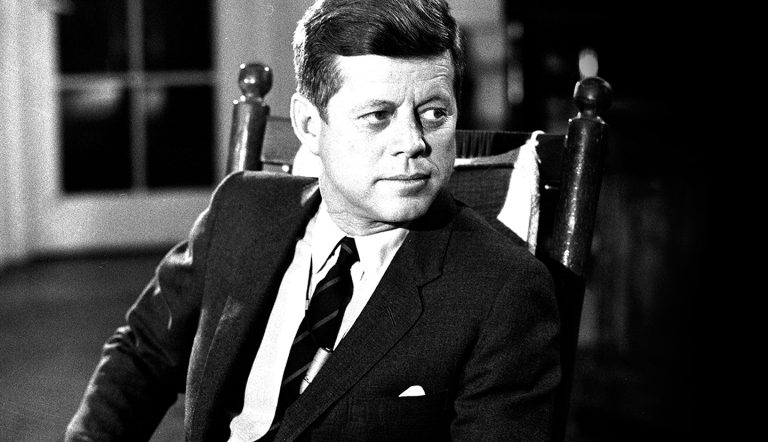
At 43, he was the youngest elected president and the first Roman Catholic to hold the office. His inauguration speech, with its famous call to action, “Ask not what your country can do for you—ask what you can do for your country,” resonated deeply with the American people and set the tone for his administration.
New York, N.Y. Reflecting on the leaders who have profoundly shaped the course of American and global history, John F. Kennedy stands out as a beacon of innovation and unwavering commitment to progress. His tenure as the 35th President of the United States, though tragically cut short, left an indelible mark on the world. JFK’s legacy as a thought leader and global citizen is a testament to his visionary thinking, inspirational leadership, and dedication to the common good.
Born on May 29, 1917, in Brookline, Massachusetts, John Fitzgerald Kennedy grew up in a family deeply involved in politics and public service. His father, Joseph P. Kennedy Sr., was a prominent political figure and diplomat, and his mother, Rose Kennedy, instilled in him a strong sense of duty and compassion. These early influences shaped JFK’s worldview and fueled his passion for serving his country.
Kennedy’s academic journey took him to Harvard University, where he developed a keen interest in political science and international affairs.
His senior thesis, which later became the bestselling book “Why England Slept,” demonstrated his deep understanding of global politics and his ability to articulate complex issues. This early foray into writing and analysis showcased JFK’s intellectual prowess and set the stage for his future as a thought leader.
JFK’s political career began in earnest with his election to the U.S. House of Representatives in 1946, representing Massachusetts‘ 11th district. His charm, charisma, and eloquence quickly earned him a reputation as a rising star in American politics. In 1952, he was elected to the U.S. Senate, where he continued to champion progressive causes and advocate for the needs of his constituents. Kennedy’s ascent to the presidency in 1960 marked the beginning of a new era in American politics.
One of JFK’s most significant contributions as president was his commitment to advancing civil rights.
He recognized the deep injustices faced by African Americans and took decisive action to address them. Kennedy’s administration proposed comprehensive civil rights legislation, which eventually led to the Civil Rights Act of 1964. His support for the movement and his efforts to promote equality and justice were pivotal in shaping the trajectory of civil rightsin the United States.
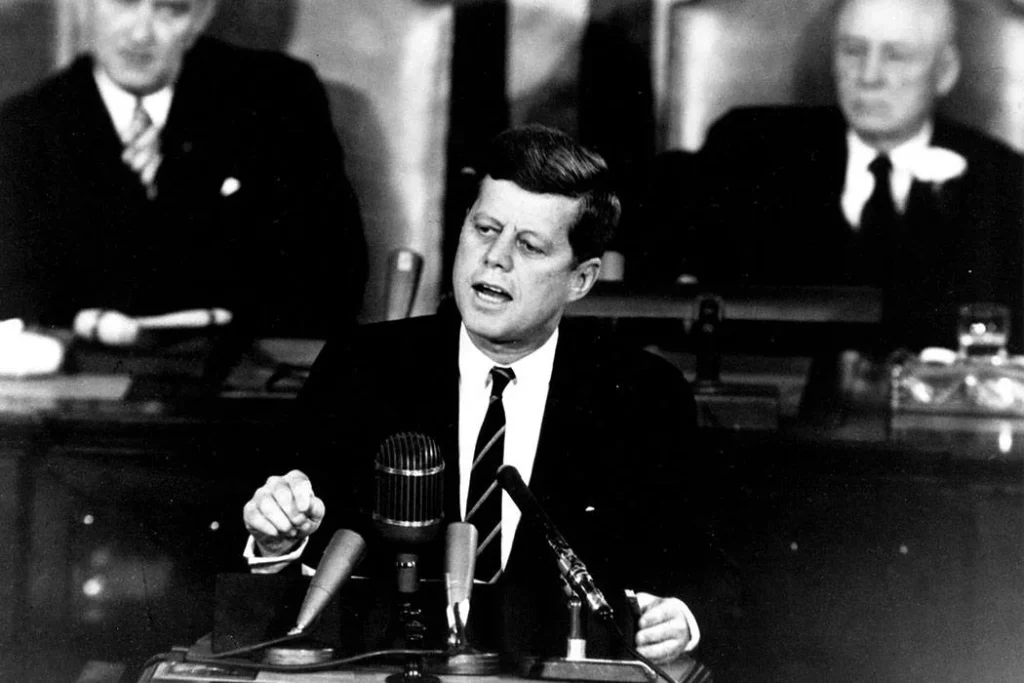
Photo: President John F. Kennedy addressing Congress in 1961 at the age of forty-four. Credit: Wikimedia Commons.
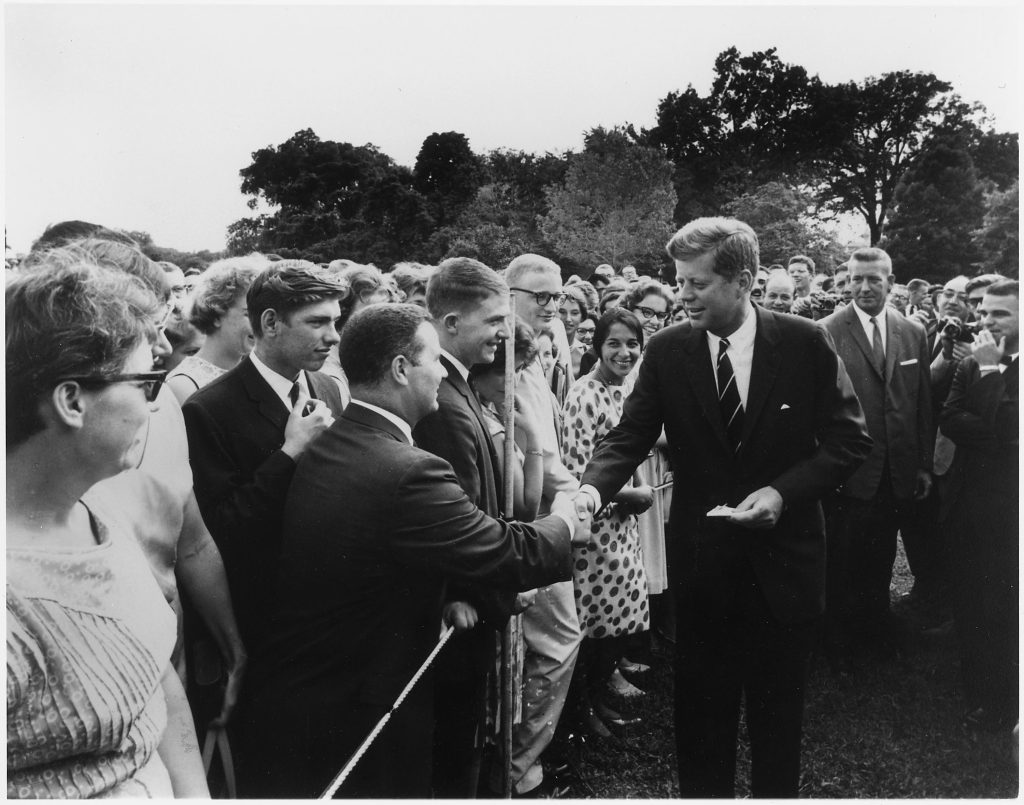
JFK’s vision extended beyond domestic issues. As a global citizen, he was deeply committed to promoting peace and cooperation on the international stage. One of his most notable achievements in this realm was the establishment of the Peace Corps in 1961. This program encouraged Americans to serve in developing countries, fostering goodwill and mutual understanding. The Peace Corps remains a testament to Kennedy’s belief in the power of people-to-people diplomacy and his dedication to global development.
Kennedy’s leadership during the Cuban Missile Crisis in 1962 demonstrated his ability to navigate complex and dangerous situations with poise and strategic thinking. Faced with the threat of nuclear war, JFK’s careful diplomacy and measured responses helped to avert a global catastrophe. His commitment to peace and his ability to negotiate under immense pressure showcased his exceptional leadership and his dedication to safeguarding humanity.
In addition to his efforts in civil rights and international diplomacy, JFK was a passionate advocate for science and technology. His bold vision for space exploration culminated in his famous pledge to land an American on the moon before the end of the decade. This commitment galvanized the nation and led to the successful Apollo 11 mission in 1969, a monumental achievement that forever changed the course of human history. Kennedy’s vision for space exploration not only advanced scientific knowledge but also inspired generations to dream big and pursue seemingly impossible goals.
President Kennedy Greets Peace Corps Volunteers on the White House South Lawn. Original public domain image from Flickr
JFK’s impact on education and the arts was also profound.
He believed in the power of education to transform lives and foster a more informed and engaged citizenry. His administration supported initiatives to improve educational opportunities and resources, particularly in underserved communities. Additionally, Kennedy’s appreciation for the arts led to the establishment of the National Endowment for the Arts and the National Endowment for the Humanities, institutions that continue to enrich American cultural life.
One of the most enduring aspects of JFK’s legacy is his ability to inspire.
His eloquent speeches and visionary ideas resonated with people from all walks of life. Kennedy’s charisma and optimism instilled a sense of hope and possibility, encouraging individuals to engage in public service and work towards a better future. His ability to connect with and motivate people remains a powerful testament to his leadership.
As I reflect on John F. Kennedy’s impact on the world, I am struck by his unwavering commitment to progress, justice, and peace. His leadership during a pivotal period in history helped to shape the modern world and set a standard for future leaders. JFK’s legacy as a thought leader and global citizen continues to inspire and guide us as we navigate the challenges of the present and the future.
Kennedy’s life and career exemplify the principles of visionary leadership, courage, and service. His contributions to civil rights, international diplomacy, science, and the arts have left an indelible mark on history, demonstrating the profound impact that dedicated and principled leadership can have on the world.
In a time when the global community faces complex and multifaceted challenges, JFK’s example offers a blueprint for effective and compassionate leadership. His legacy reminds us that through determination, innovation, and a steadfast commitment to the common good, we can overcome adversity and build a brighter future for all. John F. Kennedy’s vision and leadership continue to inspire us to dream big, act boldly, and strive for a more just and peaceful world.
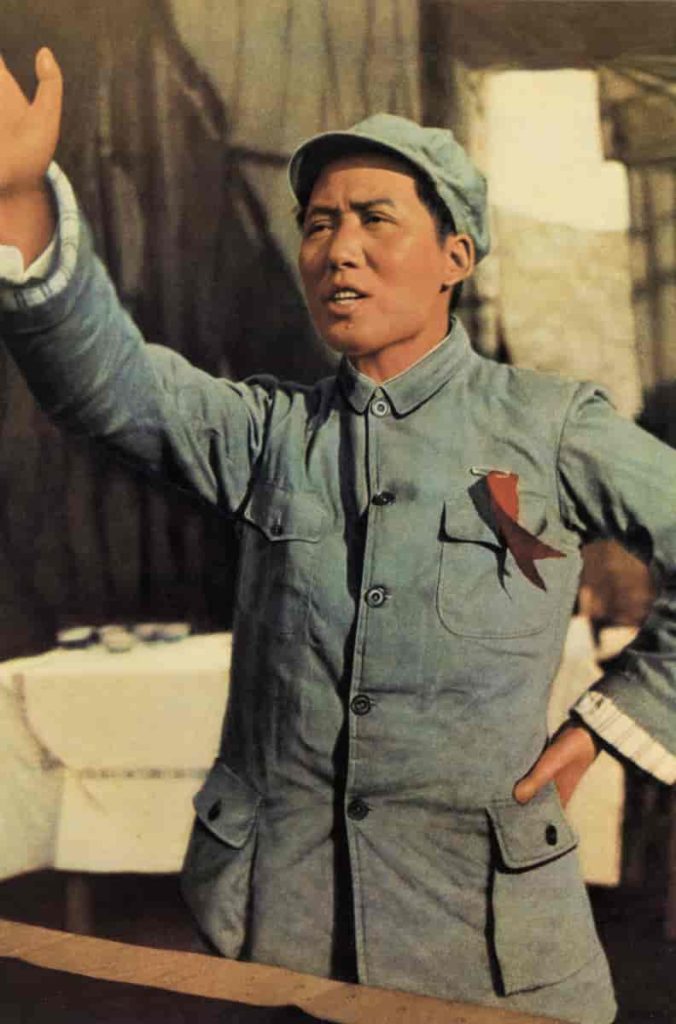
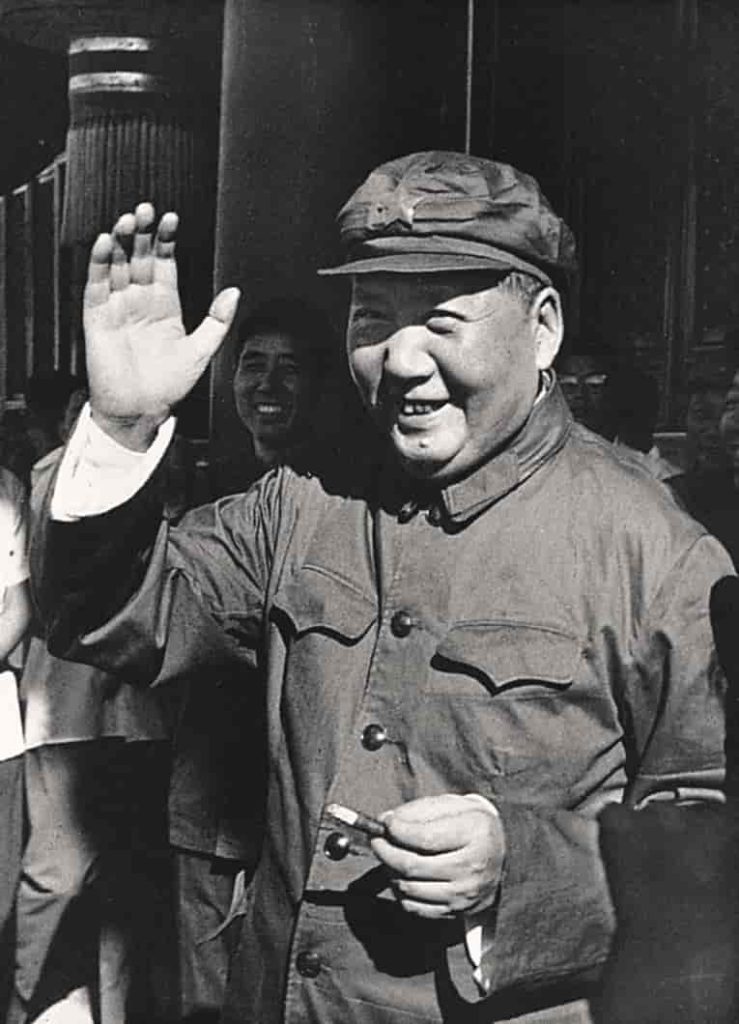
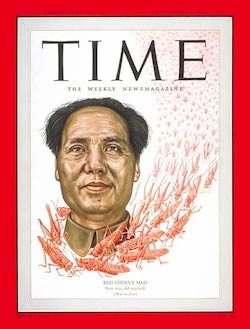
Mao Zedong, Chinese Communist revolutionary and leader, c1920s-c1940s(?). The son of a peasant farmer, Mao Zedong (Mao Tse Tung) (1893-1976) led the Red Army which undertook the epic Long March and overthrew the Nationalist Chinese dictator Chiang Kai-Shek in 1949. As Chairman of the People’s Republic of China and of the Chinese Communist Party he set about transforming China, but his attempt to modernize the country’s industrial base (the Great Leap Forward) and the disastrous Cultural Revolution caused dramatic upheavals in Chinese society. After his death in 1976, his successors introduced social and economic initiatives that reversed many of Mao’s policies.Mao Tse Tung
Chairman of the Central Committee of the Chinese Communist Party.
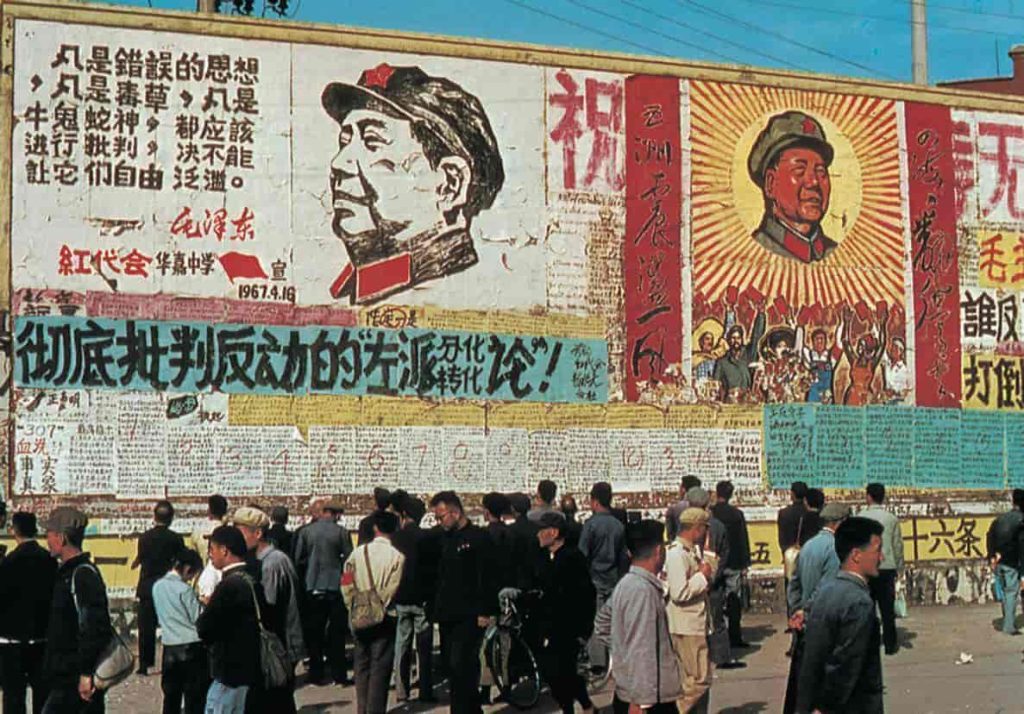
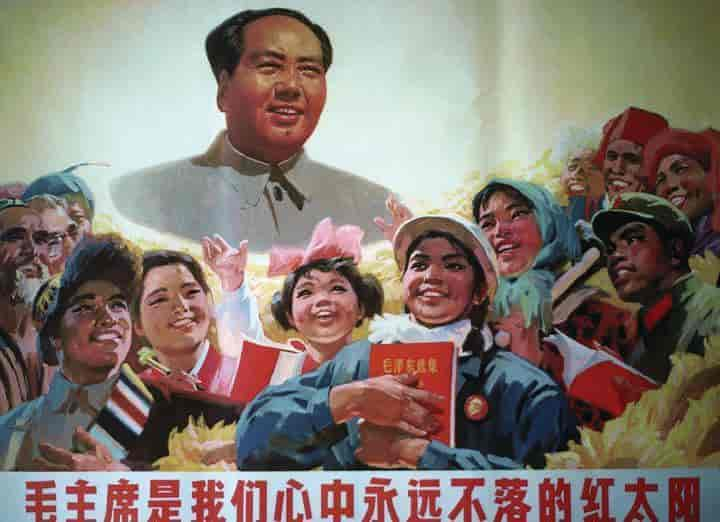
6th November 196511 Jul 1978, Dalian, China — A propaganda poster, with smiling people of different ethnic groups in China, declares “Chairman Mao is the everlasting red sun in our hearts”. — Image by � Ric Ergenbright/CORBIS
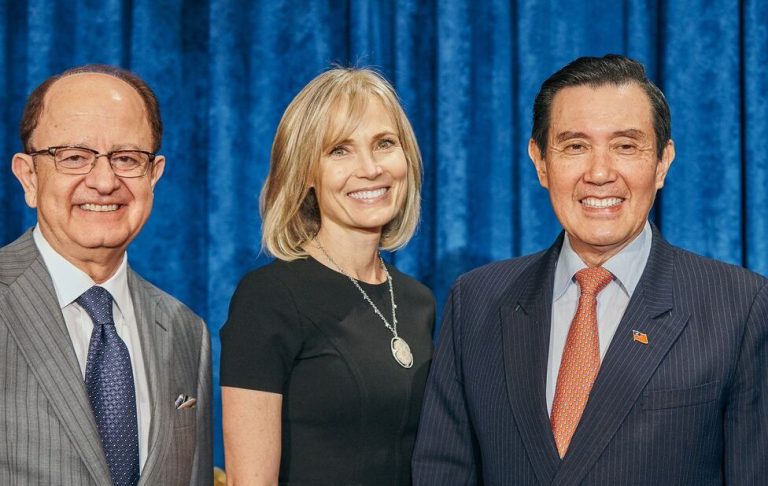
Photo: University of Southern California President C. L. Max Nikias, USC Annenberg Dean Willow Bay, and Former President of Taiwan Dr. Ma Ying-jeou, November 2017. Credit: USC Center for Public Diplomacy.
New York, N.Y. Willow Bay, a visionary leader and global citizen, has dedicated her life to fostering understanding, promoting collaboration, and empowering individuals to make a positive impact on the world.
As a renowned thought leader, Willow has inspired countless people through her groundbreaking work on global citizenship education. Her passion for bridging divides and fostering inclusive societies has led her to create innovative programs and initiatives that empower youth and adults alike to become active citizens.
One of Willow’s most significant contributions is the Global Citizens Academy, a transformational online learning platform that connects students from diverse backgrounds to explore global issues and develop their leadership skills. Through interactive learning experiences and mentorship opportunities, the Academy has nurtured a generation of young change-makers who are committed to making the world a better place.
Willow’s unwavering belief in the power of collaboration has driven her to forge partnerships with leading organizations worldwide. She is a member of the World Economic Forum’s Global Agenda Council on Education and a founding member of the Global Citizenship Education Network. Through these collaborations, she has amplified her voice and reached a broader audience, advocating for the importance of global education and the empowerment of citizens.
Photo: Willow Bay and Walt Disney Company CEO Bob Iger arrive at Disneyland May 2011. Credit: Alberto E. Rodriguez/WireImage.
Beyond her work in education, Willow is also a leading advocate for refugees and displaced people.
She has traveled extensively to refugee camps and conflict zones, where she has witnessed firsthand the challenges and resilience of those who have been forced to flee their homes. Her powerful storytelling and advocacy have raised awareness and mobilized support for those in need.
Willow’s unwavering commitment to global citizenship and thought leadership has earned her numerous accolades and recognition. She is a recipient of the prestigious Martin Luther King Jr. Award for Global Citizenship and has been featured in several international publications, including The New York Times and The Guardian.
Her work continues to inspire and motivate countless individuals around the world. Willow Bay is a true role model for global citizens, demonstrating the power of one person to make a real difference in the world.
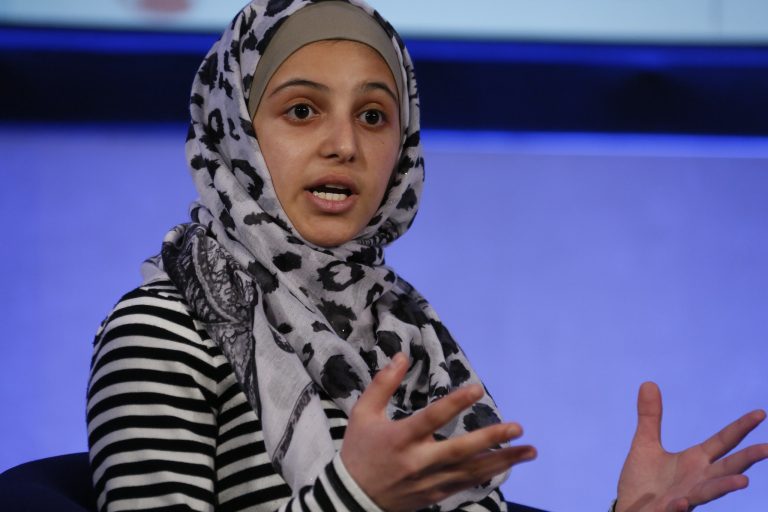
Photo: Syrian activist Muzoon Almellehan at the Girls’ Education Forum in London, 2016. Credit: Russell Watkins/U.K. Department for International Development.
New York, N.Y. From the first moment I learned about Muzoon Almellehan’s story, I was inspired by her unwavering dedication to education and her incredible journey from a Syrian refugee to a global advocate.
Born on April 12, 1999, Muzoon’s life was turned upside down by the Syrian conflict, but instead of succumbing to despair, she turned her experiences into a powerful force for change. As a UNICEF Goodwill Ambassador, Muzoon has been a relentless advocate for education, particularly for girls and refugee children.
Muzoon’s advocacy began in refugee camps, where she realized that education was the key to a better future for herself and her peers. Despite the challenging circumstances, she campaigned tirelessly for children to stay in school. Her passion and commitment caught the attention of global leaders and organizations, eventually leading to her role as a UNICEF Goodwill Ambassador, making her the youngest and the first refugee to hold this position.
Muzoon’s story is a testament to the resilience and potential of young refugees.
Her advocacy work has taken her around the world, where she continues to promote the importance of education for all children. She is a beacon of hope and an inspiration to many, proving that with determination and support, anyone can overcome adversity and make a significant impact.
In a powerful statement, Ban urged global leaders and good citizens alike to stand against discrimination and to foster an inclusive world where equality prevails.
His leadership on this issue reflects a broader dedication to human rights that has defined his tenure at the United Nations, reinforcing the principle that dignity and respect should be afforded to all individuals.
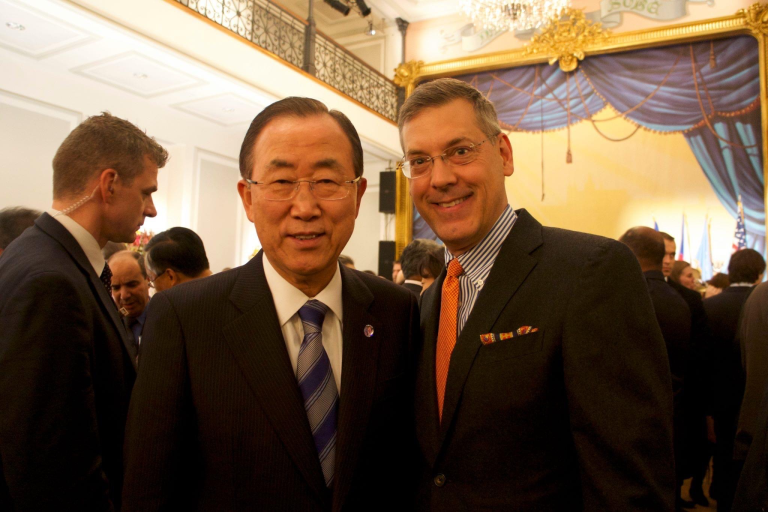
Photo: Human rights are for everyone says Secretary-General Ban Ki-moon marking International Day Against Homophobia and Transphobia. Credit: United Nations.
This annual event underscores the foundation’s commitment to recognizing global leadership and humanitarian efforts. The gathering was a testament to the diverse and impactful work being done by leaders from around the world.
J. Luce Foundation’s 19th Annual Leadership Awards Gala
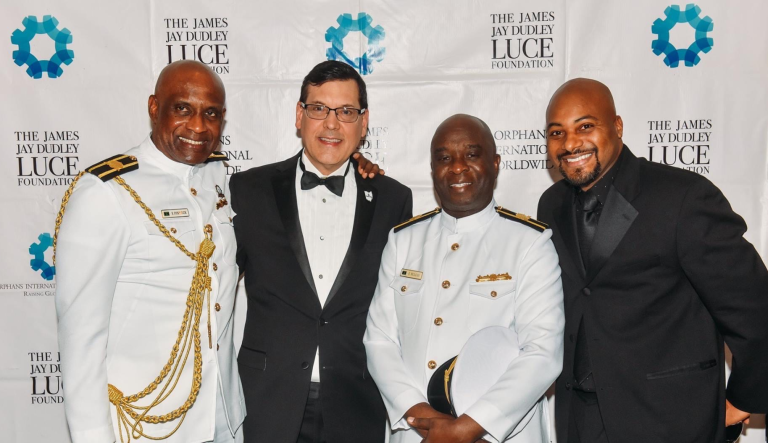
New York, N.Y. Two hundred guests from fifty different countries gathered at The Princeton Club of NYC to celebrate the 19th anniversary of the J. Luce Foundation and Orphans International Worldwide. Among the honored guests were N.Y.S. Assemblymember Hon. Rebecca Seawright, Marietta College President William Ruud, Ph.D., and Caribbean Maritime University President Fritz Pinnock, Ph.D., who each received the foundation’s Humanitarian Award.
The prestigious Clare Boothe Luce Award for International Service and the Adm. Stephen Bleecker Luce Award for Maritime Excellence were also presented. Additionally, College of Wooster President Sarah Bolton, Ph.D., and SUNY Maritime College President RADM Michael Alfultis, USMS, Ph.D., are slated to receive awards in 2020.
This annual event underscores the foundation’s commitment to recognizing global leadership and humanitarian efforts. The gathering was a testament to the diverse and impactful work being done by leaders from around the world.
Venue: Princeton Club YouTube:Watch the Gala File Name: Gala Award Video.mp4
TAGS: J. Luce Foundation, Orphans International Worldwide, Princeton Club, NYC, Rebecca Seawright, William Ruud, Fritz Pinnock, Clare Boothe Luce Award, Stephen Bleecker Luce Award, Sarah Bolton, Michael Alfultis, Leadership Awards Gala, 2020 Awards, Humanitarian Award, Maritime Excellence
Wikipedia provides a platform for organizations to reach a wider audience, engage with supporters, promote our cause, and raise awareness about their work. Social media also offers an opportunity for nonprofits to build relationships with their stakeholders, share their impact, and develop a greater sense of community.
New York, N.Y. Being featured on Wikipedia can be important for a number of reasons, including:
Credibility.Wikipedia is considered a reliable source of information, so being featured on the platform can help establish trust with an audience. It can also signal that a business or individual is notable and an expert in their field.
Exposure. A Wikipedia page can help a business reach a wider audience, potentially leading to increased brand recognition and customer engagement. It can also help attract new clients and build trust with existing ones.
Historical preservation. A Wikipedia page can showcase a business’s history and achievements, which are an important part of its identity. For individuals, a Wikipedia page can list their achievements, personal background, awards, and honors.
Orphans International is based on “Mathew’s Rule.” Is the facility clean enough for your own child? Is the food nutritious enough for your own child? Is the education robust enough for your own child? Would you let your kid use that bathroom or sleep in that bed?
New York, N.Y. Mathew James Tendean Luce was found at the age of ten months in a Presbyterian orphanage on an island in the village of Tondano, region of Minahasa, province of North Sulawesi, Island of Sulawesi once called ‘The Celebes Islands of the Dutch East Indies,’’ nation of Indonesia in the Pacific Ocean, between the Philippines and Singapore.
He inspired my mother Frances Dudley Alleman-Luce and I to conceptualize “Orphans International Worldwide,” which came to fruition after the death of my mother in 2001.
Our goal was to raise global citizens, indeed, raise global leaders.
Matt came to live with us in Queens before we moved to Roosevelt Island in 1999. In Elmhurst, he attended his first school in Chinese, went on to a Catholic Kindergarten where the nuns were concerned he only colored in black. I could not comprehend why having a unique style was a problem.
In first grade, Matt would Indonesian-style point with his middle finger, creating a discussion with his father in the first parent-teacher conference.
I saw this as a great opportunity for the teacher to explain cultural differences to the young students. The teacher viewed things differently: Mathew would need to gesture appropriately or be expelled. So much for ‘global citizenship.’
Matt attended P.S. 214 on Roosevelt Island, then Baruch Middle School in Manhattan before settling down with The Child School-Legacy High School from which he graduated.
In junior high school Matt traveled back and forth frequently to Indonesia where I coordinated orphan projects in Sulawesi, Sumatra and Bali. They maintained a home in West Jakarta near the popular Mall Taman Anggrek.
Today, Matt resides between Roosevelt Island and Queens while finishing the Borough of Manhattan Community College where he studies Liberal Arts including Chinese. He is a member of the Board of Directors of both Orphans International Worldwideand the J. Luce Foundation.