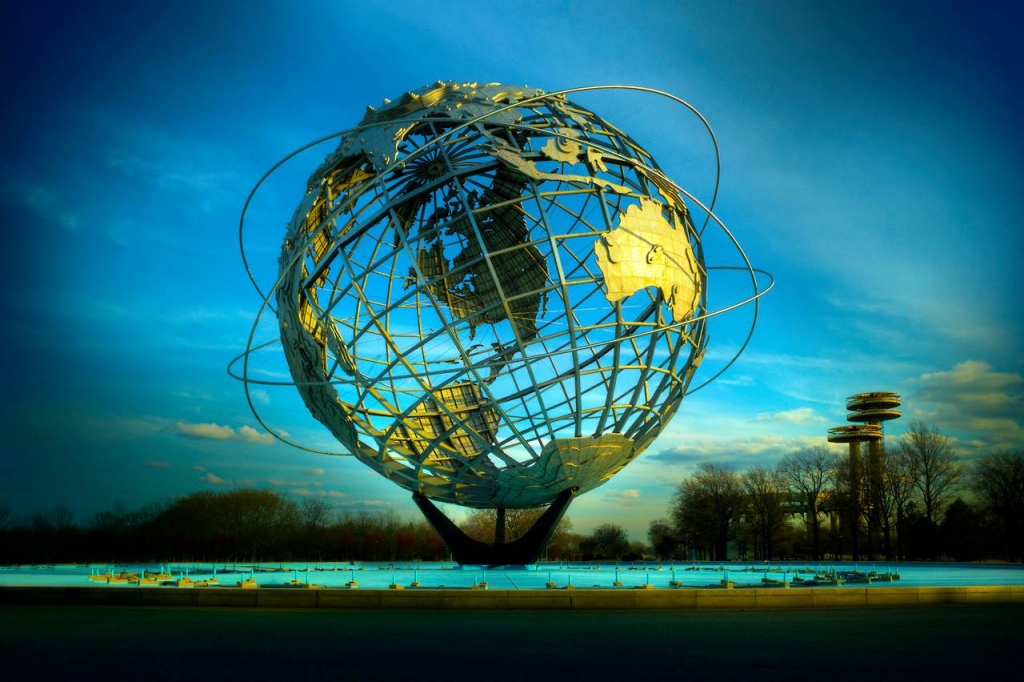
“Traditional Institutions, Customs, Values”

[draft]

New York, N.Y. We know Tina Turner as the powerhouse vocalist who redefined the meaning of rock ‘n’ roll with her electrifying stage presence and soaring vocals. But beyond the glitter and glamor, we see a story of resilience, courage, and a deep-seated belief in the power of self-determination.
We’ve witnessed Tina Turner defy expectations and shatter glass ceilings throughout her remarkable career. From the early days as a backup singer to her iconic solo career, she emerged as a trailblazer, paving the way for countless female artists to follow. Her music, a potent mix of blues, rock, and soul, became a soundtrack for generations, resonating with those who dared to break free from societal norms and forge their own path.
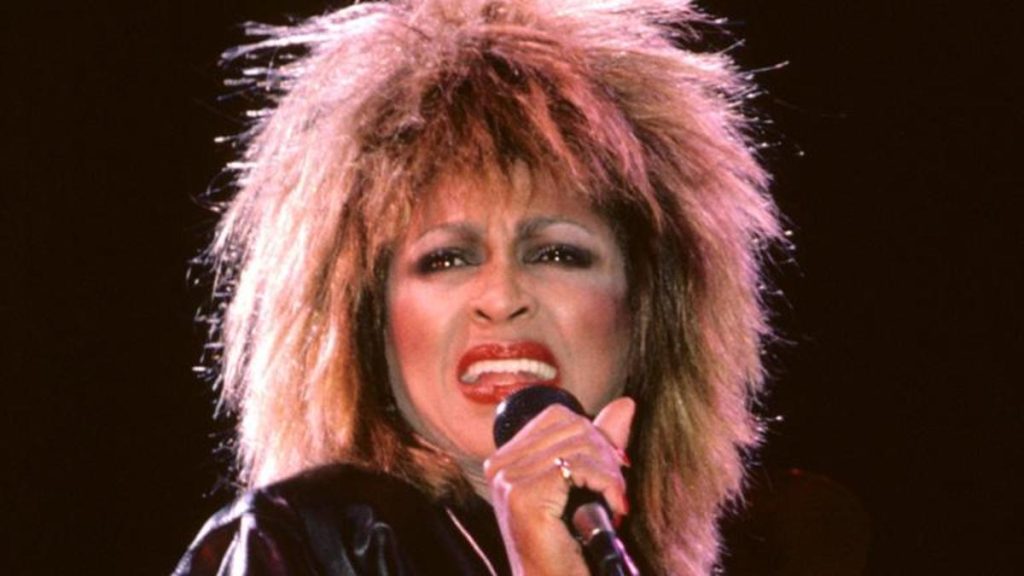
It’s not just her music that inspires us; it’s her personal journey. We’ve watched her rise from the ashes of a tumultuous marriage, a testament to her strength and unwavering spirit. Her journey is a beacon of hope, reminding us that even in the face of adversity, we can rise above and claim our own power.
Beyond the stage, living in Switzerland, we’ve seen Tina Turner embody the values of a true global citizen. She has actively used her platform to raise awareness about crucial social issues, championing equality and advocating for the rights of women and children. We’ve witnessed her generosity, her philanthropic efforts reaching beyond borders, making a tangible difference in the lives of others.
As we reflect on her legacy, we find ourselves inspired by her unwavering belief in self-expression and the pursuit of dreams. We see in her a relentless spirit, a force of nature that refused to be silenced. Tina Turner’s journey teaches us that true power lies not in conforming but in embracing our individuality, in refusing to be defined by societal expectations, and in using our voices to advocate for change.
Her music, her life story, her activism – all converge to create a legacy that transcends generations. We are eternally grateful for the gift of Tina Turner, the Queen of Rock ‘n’ Roll, whose music and spirit continue to empower us to be our authentic selves, to fight for what we believe in, and to live life to the fullest.
The Queen of Rock ‘n’ Roll: Legacy of Empowerment and Resilience (July 15, 2021)

New York, N.Y. We’ve always believed that the power to change the world lies in our ability to challenge the status quo – and confront the uncomfortable truths that plague our society. As thought leaders and global citizens, we’ve dedicated our lives to addressing one of the most pervasive and damaging forces in our communities: social stigma. This invisible barrier has long been a source of pain, isolation, and inequality for countless individuals, and we’ve made it our mission to break it down, one conversation at a time.

Our journey began when we first recognized the insidious nature of social stigma in our own lives and the lives of those around us. We saw how it silently shaped perceptions, limited opportunities, and eroded self-worth. Whether it was mental health issues, physical disabilities, racial differences, or socioeconomic status, we realized that stigma was the common thread that bound these diverse experiences together.
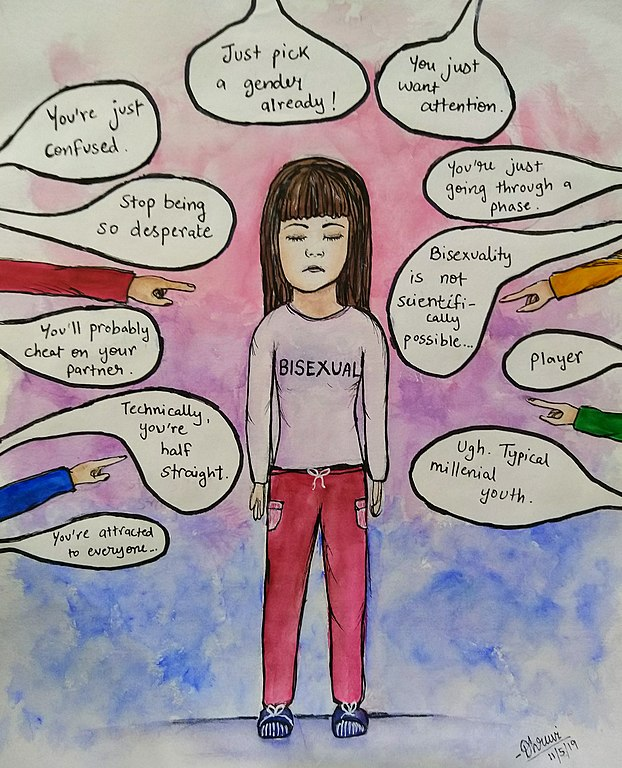
As we delved deeper into understanding the mechanisms of social stigma, we discovered its far-reaching consequences. We learned how it not only affects individuals but also perpetuates systemic inequalities and hinders social progress. This realization fueled our determination to create a movement that would challenge these deeply ingrained prejudices and foster a more inclusive, empathetic society.
Our approach has always been multifaceted, recognizing that dismantling social stigma requires action on multiple fronts. We’ve engaged in grassroots activism, working closely with marginalized communities to amplify their voices and experiences. By creating safe spaces for dialogue and sharing, we’ve helped individuals reclaim their narratives and challenge the stereotypes that have long defined them.
We’ve leveraged social media platforms to create virtual communities where individuals can find support, share their experiences, and mobilize for change. Our hashtag campaigns have gone viral, sparking global conversations about social stigma and inspiring people worldwide to take action in their own communities.

Throughout our journey, we’ve been continually inspired by the resilience and courage of those who live with stigma every day. Their stories of triumph over adversity have been a constant reminder of why our work is so crucial. We’ve seen firsthand how breaking down stigma can transform lives, opening up new opportunities and fostering a sense of belonging that many had never experienced before.
As global citizens, we understand that social stigma is not confined by borders. We’ve taken our message to international forums, collaborating with organizations worldwide to create a global movement against stigma. Our experiences have shown us that while the manifestations of stigma may vary across cultures, the underlying mechanisms and impacts are universal.
Looking to the future, we remain optimistic about the potential for change. We’ve witnessed a growing awareness of social stigma and an increasing willingness to confront it head-on. Young people, in particular, have been at the forefront of this shift, embracing diversity and challenging outdated norms with a passion that gives us hope for the future.
As we continue our work, we invite everyone to join us in this crucial fight against social stigma. Every conversation, every act of kindness, and every challenge to prejudice brings us one step closer to a more inclusive world. Together, we can create a society where stigma is a relic of the past, and where every individual can thrive, unburdened by the weight of societal judgment.
Empathy in Action: Our Collective Fight Against Social Stigma (July 8, 2021)
TAGS: Social Justice, Inclusivity, Mental Health Awareness, Diversity, Equality, Human Rights, Global Citizenship

New York, N.Y. We’ve always known that belonging is a fundamental human need. From the earliest days of our species, we’ve sought connection, community, and acceptance. Yet, for countless individuals around the world, this basic desire remains frustratingly out of reach. As thought leaders and global citizens, we’ve dedicated our lives to understanding and combating social exclusion, a pervasive issue that affects millions and undermines the very fabric of our societies.
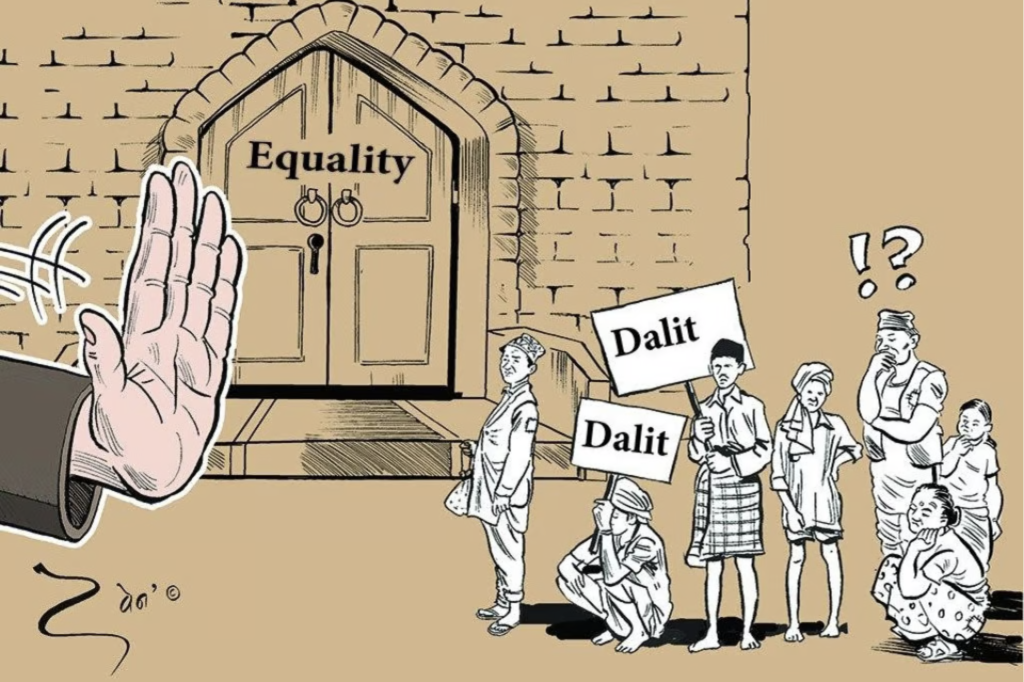
Our journey into this field began with a simple observation: in every community, there were always those who seemed to exist on the periphery, never quite fitting in or accessing the same opportunities as others. As we delved deeper, we uncovered a web of interconnected factors that contribute to social exclusion. Economic policies, cultural norms, institutional biases – all play a role in creating and maintaining barriers that keep certain groups isolated and disadvantaged.
We’ve traveled the globe, from bustling metropolises to remote villages, documenting stories of exclusion and resilience. In the favelas of Rio de Janeiro, we met young people shut out of the formal economy, their talents and potential going to waste. In rural India, we witnessed the ongoing struggle of the Dalit community against centuries-old caste discrimination. In the suburbs of Paris, we saw how spatial segregation and lack of social mobility trap immigrant communities in a cycle of marginalization.
We’ve encountered countless individuals and organizations working tirelessly to break down barriers and create more inclusive societies. From grassroots movements to policy reforms, there’s a growing recognition that social exclusion is not just a moral issue, but an economic and social imperative that affects us all.
Our research has shown that inclusive societies are more stable, prosperous, and innovative. When we tap into the full potential of all our citizens, everyone benefits. This isn’t just idealism – it’s backed by hard data. Countries with higher levels of social inclusion consistently outperform their more exclusionary counterparts on measures of economic growth, social cohesion, and overall well-being.
As thought leaders, we’ve made it our mission to bring these insights to the forefront of public discourse. We’ve spoken at international conferences, advised governments, and collaborated with NGOs to develop strategies for promoting social inclusion. Our work spans multiple disciplines – sociology, economics, psychology, and public policy – because we understand that tackling social exclusion requires a holistic approach.
We believe that inclusive education systems are crucial for breaking the cycle of exclusion. By ensuring that all children, regardless of their background or abilities, have access to quality education, we can level the playing field and open up opportunities for future generations. We’ve worked with schools and education ministries around the world to implement inclusive practices and curricula that celebrate diversity and promote understanding.
Another critical aspect of our work involves challenging the narratives and stereotypes that perpetuate social exclusion. We’ve written extensively to shed light on the experiences of marginalized groups and challenge societal prejudices. By amplifying diverse voices and stories, we aim to foster empathy and understanding, breaking down the invisible barriers that keep people apart.
On one hand, the digital divide threatens to create new forms of exclusion, leaving behind those without access to the internet or digital skills. On the other hand, technology offers powerful tools for connection, education, and empowerment. We’ve been at the forefront of initiatives to bridge the digital divide and harness technology as a force for inclusion.
As global citizens, we understand that social exclusion is not confined by national borders. In an increasingly interconnected world, the marginalization of any group affects us all. That’s why we’ve been advocates for international cooperation and global policies that promote inclusion. From the United Nations’ Sustainable Development Goals to regional integration efforts, we’ve pushed for social inclusion to be at the heart of the global agenda.
We’ve faced skepticism, resistance, and at times, outright hostility. Changing deeply ingrained societal structures and attitudes is no easy task. But with each small victory – a policy changed, a mind opened, a life transformed – we’re reminded of why this work is so vital.
As we look to the future, we’re filled with a sense of cautious optimism. The conversation around social inclusion has gained momentum, and we’re seeing more and more people join the cause. From corporate boardrooms to community centers, there’s a growing recognition that building inclusive societies is not just the right thing to do – it’s the smart thing to do.
But we’re committed to continuing this fight, armed with research, compassion, and an unwavering belief in the power of inclusion. We envision a world where everyone has the opportunity to participate fully in society, where diversity is celebrated, and where no one is left behind. It’s an ambitious goal, but one we believe is within our reach if we work together.
As thought leaders and global citizens, we’ll continue to push boundaries, challenge assumptions, and inspire action. Because in the end, we’re all part of the same human family. And when we embrace inclusion, we don’t just lift up the marginalized – we elevate our entire society.
TAGS: Social Exclusion, Equality, Human Rights, Global Citizenship, Diversity, Inclusion, Social Justice, Education, Poverty Alleviation, Sustainable Development
United in Isolation: Our Collective Voice Against Social Exclusion (July 8, 2021)
ABOUT Addiction Advice Africa Africa – South Africa – West Americas & Caribbean Analysis Animals & Animal Rights Anthropology Architecture Asia – East Asia-Pacific Asia – South Asia – Southeast Authoritarianism Available Content Calendar Celebrity Children Childrens' Literature China (PRC) Cities & Urban Development Corporations Cuisine & Culinary Arts CULTURE Dance Disaster & Development Economics Education Europe Events Extremism Eyewitness Faith, Religion & Theology Family & Relationships Fashion Film & TV Global Warming Goodness Gun Control Health & Hygiene Heros of Democracy History Human Rights Humor Immigration & Migration In Depth International Relations Jim Luce Writes Law & Judicial System Leadership Liberation Movements Media Mental Health Mideast Monthly Feature Museums & Galleries Music Nature News Obituary Older Adults Open Orphans International Outer Space Pacific Islands Peace & Conflict Resolution Philanthropy Philosophy Philosophy Photography Poetry & Fiction Politics Pop Culture Poverty Press Pulse Profiles Racisim & Black Lives Matter Review Royalty Science & Technology Service Organizations Sexuality & Gender Social Media Sports & Olympics The Arts Theater & Comedy Travel U.N. U.S. Video Viewpoint War, Conflict & Terrorism Women WORLD World War II World War III Youth
New York, N.Y. Roosevelt’s idea of social justice in 1932 focused on dealing with poverty, but he later expanded this to include areas such as civil rights and job security. Nowadays, social justice relates to much more than this, touching every aspect of society.
[draft]
Understanding FDR’s Concept: “Social Justice Through Social Action” (July 6, 2021)
[draft]

Photo: The excitement of Tokyo at night. Credit: Jezael Melgoza / Unsplash.
[draft]

Exploring Tokyo by Night (July 2, 2021

Photo: Aerial view of Roosevelt Island in New York CIty. Credit: FEMA/Kenneth Wilsey/Wikimedia Commons.
[draft]

Photo: Great Wall of China. Credit: Max van den Oetelaar / Unsplash.
[draft]

Photo by William Olivieri/Unsplash.
Bucket List: The Great Wall of China (June 26, 2021)
[draft]
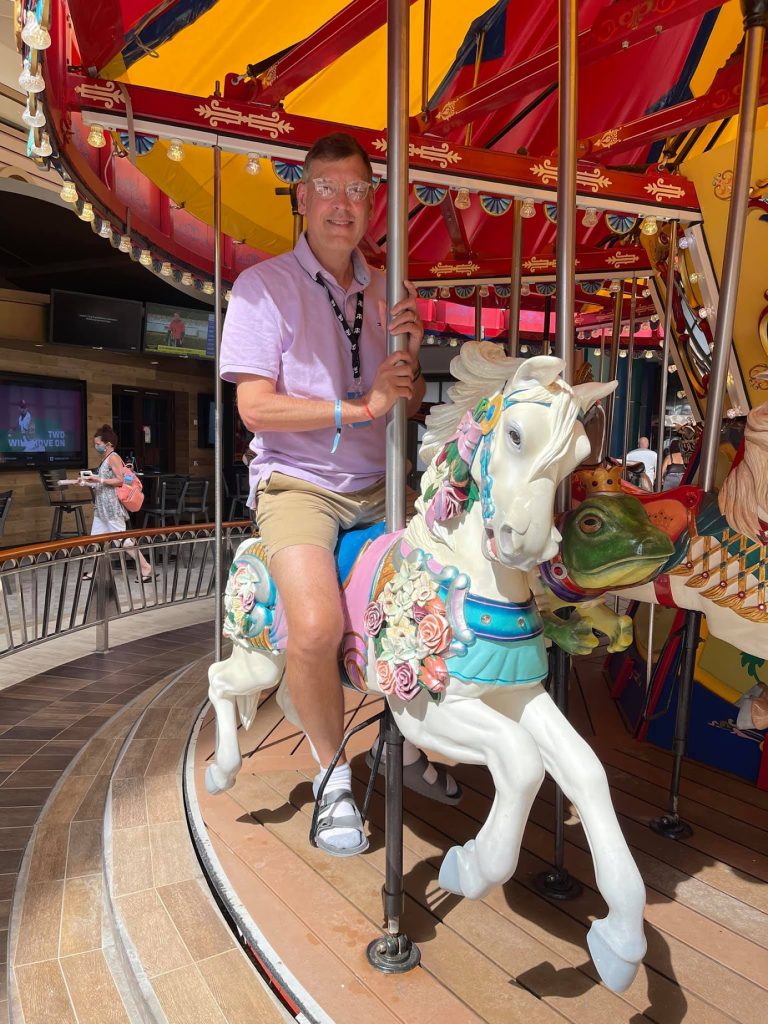
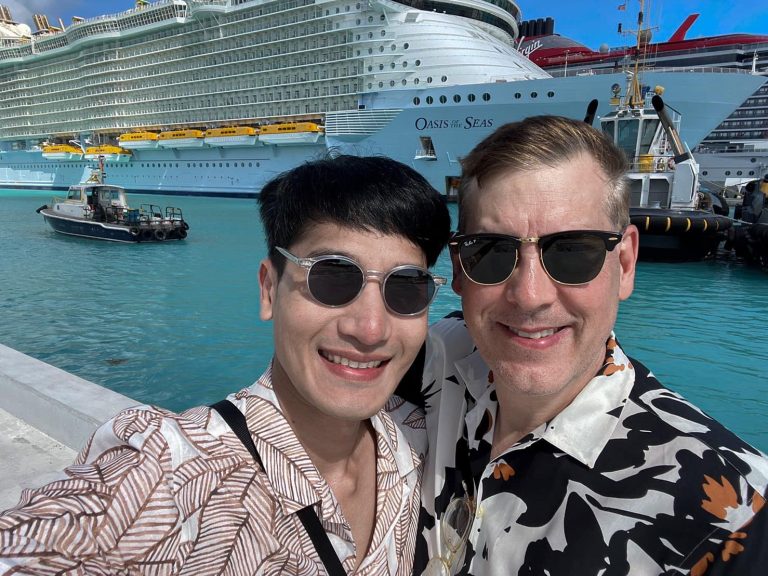
The international crew was absolutely fantastic. The ship itself incredible. The food delicious. Our state room was bigger than on the QM2, including the shower (a doorbell would be helpful).
From zip lining to ice-skating to surfboarding, activities were a blast. I personally don’t like the Broadway show “Cats,” but their production was Broadway-quality (I think I have seen it three times in New York)… Wi-fi was weak, but so was the QM2.
Appreciated the nightly LGBTQ get-together. COVID protocols were very strong with segregation of Vaccinated and Unvaccinated. However, in the future, we will choose to sail only with Vaccinated.
Aboard Royal Caribbean’s Oasis of the Seas (June 26, 2021)

New World order: Bill Gates, Dr. Fauci, population control, agenda 21. Wake up people. Do not get vaccinated.
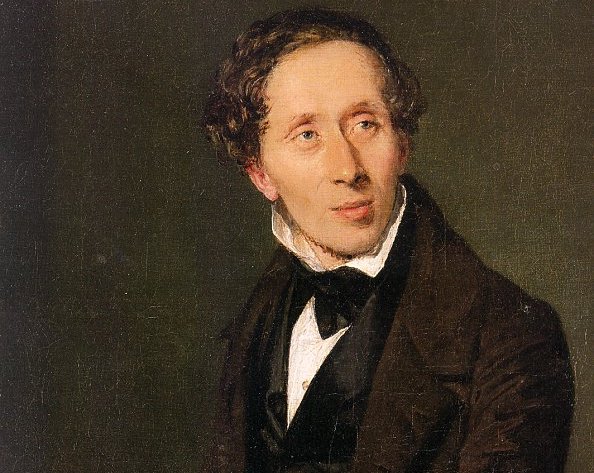
Image: Hans Christian Andersen (Portrait by Christian Albrecht Jensen, 1836). Credit: Wikipedia.
New York, N.Y. Growing up, my father would read to me at night and I always felt a deep connection to the whimsical and often poignant stories of Hans Christian Andersen. Anderson’s tales transported me to worlds where the simplest of characters could embody the deepest of human emotions. As I delved deeper into his life and works, my admiration for Andersen as a thought leader and global citizen only grew.
Born on April 2, 1805, in Denmark, Andersen came from humble beginnings. His father, a shoemaker, and his mother, a washerwoman, were not affluent, but they instilled in him a love for stories and the arts. This early exposure to storytelling laid the foundation for his future career.

Andersen’s journey to becoming one of the world’s most beloved storytellers was not easy. He moved to Copenhagen at the age of fourteen, hoping to make a name for himself as an actor, singer, or dancer. However, it was his unique talent for writing that eventually shone through.
His breakthrough came in 1835 with the publication of “Fairy Tales, Told for Children,” a collection that included now-classic stories such as “The Princess and the Pea” and “Thumbelina.”
What sets Andersen apart as a thought leader is his ability to infuse simple fairy tales with profound life lessons and universal truths. His stories often reflect his own experiences and struggles, making them relatable to readers of all ages.
For instance, The Ugly Duckling mirrors Andersen’s own feelings of being an outsider and his eventual recognition and success. This tale, among others, encourages readers to embrace their uniqueness and persevere through adversity. It is speculated that Anderson was gay, perhaps a reason he resonated with me as a child. The Ugly Duckling makes a strong metaphor for queer life in the Danish Golden Age of the 1800’s.
His stories have been translated into more than 125 languages and have inspired countless adaptations in various forms of media, including theater, film, and ballet. His influence extends beyond literature; his ability to evoke empathy and understanding through his characters has left a lasting impact on global culture. Andersen’s stories often feature themes of kindness, compassion, and the triumph of the human spirit, values that resonate universally.
At a time when children’s literature was often didactic and moralistic, Andersen wrote with a sensitivity to the inner lives of his young readers. He respected their intelligence and emotional complexity, which is why his stories continue to be cherished by children and adults alike. His ability to blend fantasy with reality, creating richly imaginative worlds while addressing real-life issues, marks him as a pioneer in the literary world.
His journeys across Europe, Asia Minor, and North Africa enriched his writing and broadened his perspectives. He documented his travels in numerous travelogues, which provide valuable insights into the cultures and societies he encountered. Andersen’s openness to different cultures and his appreciation for diversity are evident in his works, which often feature characters from various backgrounds and settings.
His stories have become an integral part of our collective consciousness, shaping the way we understand and relate to the world. Andersen’s ability to convey deep emotional truths through simple yet powerful narratives makes him a timeless storyteller. His works continue to inspire new generations of readers and writers, proving that the power of a good story is truly boundless.
His journey from a poor shoemaker’s son to an internationally acclaimed author is a testament to the transformative power of education and the arts. By sharing his stories, Andersen not only entertained but also enlightened his readers, encouraging them to look beyond appearances and embrace the richness of the human experience.
As I continue to explore and celebrate the works of Hans Christian Andersen, I am reminded of the enduring relevance of his stories. In a world that often feels divided, Andersen’s tales of love, kindness, and perseverance offer a source of comfort and inspiration. His legacy as a thought leader and global citizen is not only a testament to his literary genius but also to his unwavering belief in the power of storytelling to change the world.
In celebrating Andersen’s contributions, I am inspired to carry forward his spirit of creativity and empathy in my own life. His stories have taught me that even the smallest of voices can have a profound impact, and that through storytelling, we can connect with others and create a more compassionate world. Hans Christian Andersen’s legacy will undoubtedly continue to shine brightly for generations to come.
By reflecting on Hans Christian Andersen’s life and works, we gain a deeper appreciation for his role as a thought leader and global citizen. His ability to weave profound truths into simple tales has left an indelible mark on literature and culture. Andersen’s legacy is a testament to the enduring power of storytelling to inspire, enlighten, and connect us all.
Fairy Tale Weaver: Hans Christian Andersen’s Impact on Culture (June 19, 2012)
[draft]

[draft]


New York, N.Y. The J. Luce Foundation and Orphans International Worldwide have committed to Raising, Supporting and Educating Young Global Leaders since 1999. The development of effective global leaders is crucial for organizations operating in today’s interconnected world. Here are some key reasons why raising, supporting, and educating young global leaders is important:
To effectively raise, support, and educate young global leaders, organizations should provide opportunities for international assignments, cross-cultural training, mentorship programs, and exposure to global business challenges. Additionally, educational institutions can play a vital role by offering specialized programs and curricula focused on developing global leadership competencies
Importance of Raising, Supporting, Educating Young Global Leaders (June 18, 2021)
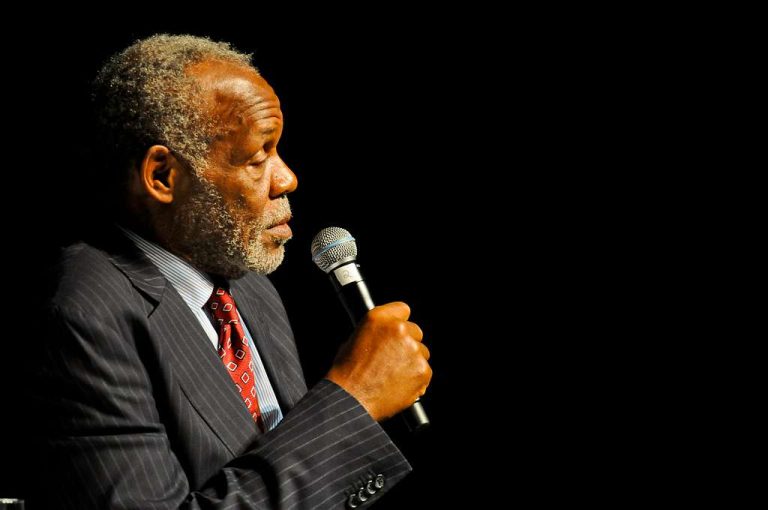
Photo: Actor, producer and humanitarian Danny Glover answers questions about his thoughts and views in Tacoma, Washington, 2015.
New York, N.Y. Danny Glover, born on July 22, 1946, is not only a renowned actor but also a dedicated activist and advocate for human rights and social justice. Throughout his illustrious career, Danny has used his platform to address critical issues such as racial inequality, workers’ rights, and global human rights.
He has been a vocal supporter of civil rights movements and has worked alongside organizations to promote equality and justice for marginalized communities. His involvement with organizations like UNICEF and Amnesty International underscores his dedication to global humanitarian efforts.
One of Danny Glover’s most admirable qualities is his unwavering commitment to advocacy. He has consistently spoken out against injustice and has actively participated in campaigns to bring about meaningful change. Danny Glover’s work as an actor and activist exemplifies the role of
[draft]
Actor Danny Glover: Advocate for Social Justice and Human Rights (June 17, 2012)
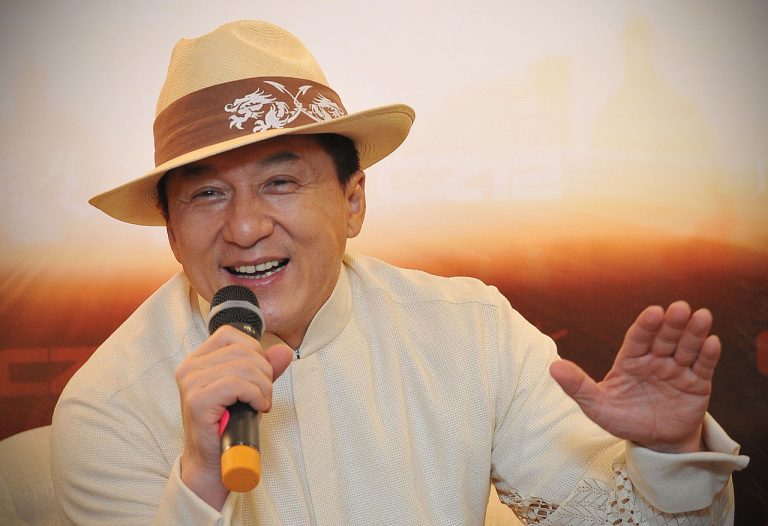
Photo: Jackie Chan in Kuala Lumpur, Malaysia for press conference in 2012. Credit: Firdaus Latif/Wikimedia Commons.
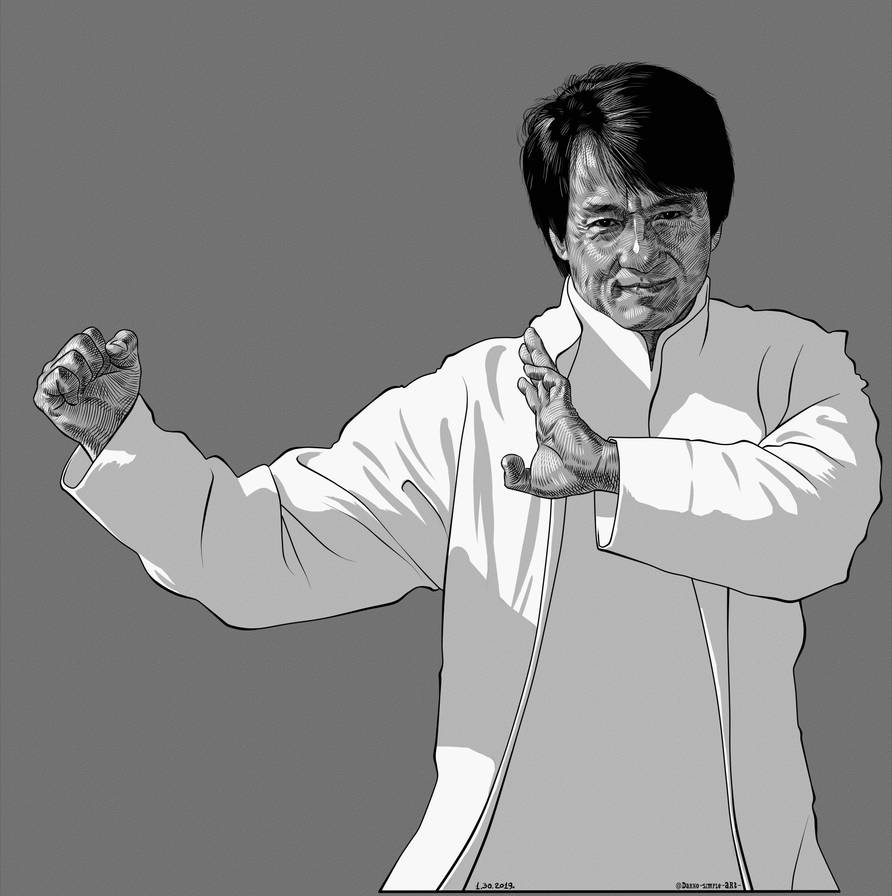
New York, N.Y. Jackie Chan is known worldwide for his incredible martial arts skills and his prolific career in the film industry. However, beyond his on-screen persona, Jackie has made significant contributions as a philanthropist and humanitarian, using his influence to support a wide range of charitable causes.
Through the Jackie Chan Charitable Foundation, he has provided scholarships, supported disaster relief efforts, and contributed to medical services for those in need. His dedication to improving education, especially for underprivileged children, highlights his commitment to empowering future generations.
One of the most admirable aspects of Jackie Chan’s philanthropy is his hands-on approach. He is not just a figurehead; he actively participates in fundraising events, awareness campaigns, and humanitarian missions.
Jackie’s humility and genuine concern for others make him a true global citizen and a beacon of hope for many.
Hong Kong’s Jackie Chan: Martial Arts Legend and Philanthropist (June 17, 2021)



Born on June 16, 1998, in Manchester, England, Eugenie’s life has been a testament to the power of intellect, perseverance, and an unyielding drive to break barriers.
Holding dual citizenship in the U.K. and the U.S., she has seamlessly woven her diverse cultural and educational experiences into a tapestry of global influence.
Eugenie’s academic prowess became evident early on. Raised by her father, a Sri Lankan-born Physics and Chemistry Professor, she displayed an insatiable curiosity and a remarkable aptitude for learning.
By age nine, she had already started high school, and by eleven, she had graduated from the University of Missouri High School. Her thirst for knowledge propelled her into higher education at an age when most children are still navigating middle school.
At just eleven years old, Eugenie graduated summa cum laude with a bachelor’s degree in Intelligence Analysis from the American Military University. This achievement was merely a prelude to her next milestone: earning a Master’s degree in Intelligence Studies from Harvard University at the age of thirteen, making her the youngest person to graduate from this prestigious institution.
At fifteen, she earned a Ph.D. in Politics from the University of Leicester, again the youngest to do so. Eugenie’s educational odyssey culminated with an M.Phil. in Education, Globalization, and International Development from the University of Cambridge, where she was also an active member of Churchill College.
Throughout her academic and professional career, Eugenie has consistently pushed the boundaries of what is possible. Her impressive list of accomplishments includes serving as adjunct faculty at Walters State Community College and later as a senior consultant at Booz Allen Hamilton. Her roles in these institutions have showcased her ability to translate theoretical knowledge into practical applications, impacting various sectors.
Eugenie’s journey has been punctuated by numerous accolades and recognitions. At the tender age of seven, she won the Virginia State Award from Johns Hopkins University.
In 2014, she was featured as one of the 30 Thinkers Under 30 by the Pacific Standard Magazine, a recognition of her profound impact on intellectual discourse. The following year, she received the prestigious Luce Leader Award, the youngest recipient in its history, highlighting her influence as a thought leader.
Eugenie’s website, www.eugeniedesilva.com, serves as a portal into her world, offering insights into her academic pursuits, professional engagements, and thought leadership. It is a testament to her commitment to education, innovation, and global development.
Her work reflects a deep commitment to global citizenship, leveraging her knowledge to address complex global issues. She embodies the spirit of a true thought leader, using her platform to inspire and mentor the next generation of scholars and leaders.
Eugenie’s story is also a powerful reminder of the importance of support systems. Her father’s unwavering belief in her abilities and his dedication to fostering her education played a crucial role in her success. It underscores the significant impact that mentorship and support can have on young minds.
Her dual citizenship and diverse educational background have equipped her with a unique perspective on global issues. She navigates the complexities of international relations, education, and development with a nuanced understanding that is rare even among seasoned professionals.
Her journey serves as an inspiration to young people everywhere, particularly girls and young women who aspire to break into fields traditionally dominated by men. Eugenie’s achievements demonstrate that with passion, dedication, and the right support, no goal is too ambitious.
In reflecting on Eugenie’s impact, it is clear that she is much more than an academic prodigy. She is a beacon of hope, a catalyst for change, and a role model for aspiring leaders worldwide. Her story is a testament to the power of education and the profound impact that one individual can have on the world.
As we look to the future, there is no doubt that Dr. Eugenie Carys de Silva will continue to be a leading voice in global discourse. Her journey is far from over, and her potential to effect change on a global scale is limitless. She exemplifies the qualities of a true global citizen, committed to making the world a better place through knowledge, innovation, and leadership.
TAGS: Dr. Eugenie Carys de Silva, Harvard University, youngest graduate, Intelligence Studies, American Military University, University of Leicester, University of Cambridge, Luce Leader Award, Booz Allen Hamilton, global citizenship, education, thought leadership
Luce Leader, Sri Lankan-American Dr. Eugenie Carys de Silva (June 16, 2021)
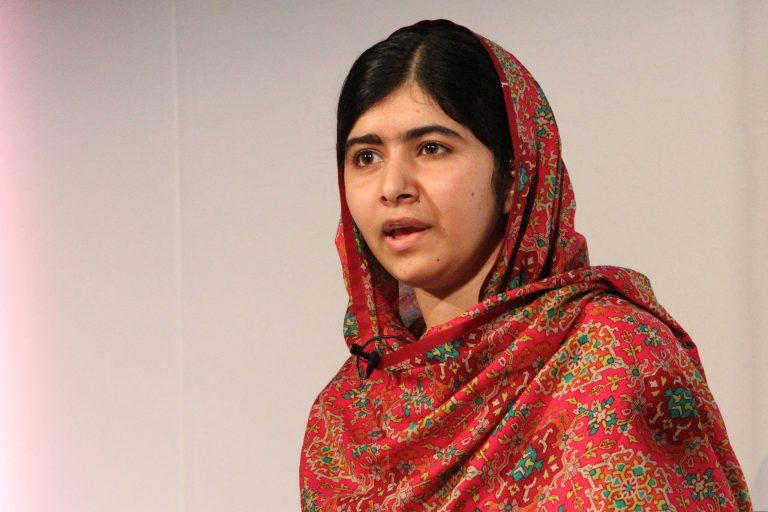
Photo: Nobel Peace Prize winner Malala Yousafzai at Girl Summit, 2014. Credit: U.K. Department for International Development
New York, N.Y. We have all been profoundly inspired by the work and impact of Malala Yousafzai. A true thought leader and global citizen, Malala embodies the values of courage, resilience, and unwavering commitment to justice. We wholeheartedly support her tireless efforts to champion girls’ education and advocate for human rights worldwide.
Malala Yousafzai was born on July 12, 1997, in Mingora, Pakistan. From an early age, she was acutely aware of the challenges faced by girls in her community when it came to accessing education. Inspired by her father, Ziauddin Yousafzai, an educator and activist himself, Malala developed a passion for learning and an unshakeable belief in the transformative power of education.
In 2009, at just 11 years old, Malala began writing a blog for the BBC under a pseudonym, detailing her life under Taliban rule and their attempts to ban girls from attending school. Her courage and eloquence in describing the situation drew international attention, but also made her a target. Despite the threats, Malala continued to speak out for the right to education.
On October 9, 2012, Malala’s advocacy nearly cost her her life. She was shot in the head by a Taliban gunman while riding a bus home from school. The attack was intended to silence her, but it had the opposite effect. Malala’s survival and recovery galvanized global support for her cause and brought unprecedented attention to the plight of girls denied education.
Instead, she emerged stronger and more determined than ever. She and her family relocated to the United Kingdom, where she continued her education and advocacy work. In 2013, Malala co-authored the memoir “I Am Malala,” which detailed her life and activism and became an international bestseller.

I heard Malala speak on September 26, 2013 when she was honored at the Clinton Global Citizen Awards. She was only 16 and had just been shot the year before. In her speech, she spoke about the need for education for girls and asked the governments of the world to work for peace.
“I hope that governments and all responsible people will realize that we cannot end war with a war,” she said. “We can fight war. We can fight war through dialogue, peace, and education.”
In this speech she noted that “in America, people are waiting for a woman president.” Hillary Clinton, who went on to run for president in 2016, smiled broadly.
This honor recognized her unwavering fight for the right of every child to receive an education. In her acceptance speech, Malala emphasized the importance of education in fostering peace and progress, stating, “One child, one teacher, one book, and one pen can change the world.”
Malala’s advocacy extends far beyond her personal story. In 2013, she co-founded the Malala Fund with her father, aiming to ensure that girls around the world have access to 12 years of free, safe, quality education. The Malala Fund invests in education advocates and activists who are challenging the barriers that prevent girls from going to school in their communities. Through this work, Malala has had a profound impact on education policy and funding worldwide.
She has used her platform to amplify the voices of young activists and to promote youth leadership in the fight for education and equality. Her speeches at the United Nations and other global forums have rallied millions to the cause of universal education.
In addition to her work with the Malala Fund, Malala’s story has been shared through various media, including the documentary “He Named Me Malala,” which further spread her message of hope and resilience. Her influence is not confined to speeches and books; Malala has met with world leaders, policymakers, and grassroots activists to advocate for policy changes and increased investment in education.
She graduated from the University of Oxford in 2020 with a degree in Philosophy, Politics, and Economics. Her educational journey, from a small town in Pakistan to one of the world’s most prestigious universities, is a testament to her belief in the power of education to transform lives.
Supporting Malala Yousafzai means endorsing a vision of a world where every girl can learn and lead without fear of violence or discrimination. Her leadership, courage, and relentless advocacy inspire hope and action in the fight for a more just and equitable world. Malala’s work reminds us that education is not just a fundamental human right but a key to unlocking potential and fostering global peace and prosperity.
As a thought leader, Malala exemplifies the power of one voice to create change. Her journey from a young girl in Pakistan to a global advocate for education serves as a beacon of hope for millions. She embodies the kind of leadership that prioritizes empathy, equity, and action, and it is why we are honored to support her.
Brave Voice that Defied Taliban: Malala’s Unwavering Fight for Girls’ Education (June 14, 2021)
TAGS: Education, Human Rights, Nobel Prize, Taliban, Pakistan, Activism, Women’s Rights

Photo: Bernie Sanders speaking at a rally. Credit: Vidar Nordli-Mathisen / Unsplash.
New York, N.Y. As a lifelong advocate for social justice, economic equality, and environmental sustainability, Bernie Sanders [Luce Index™ Score: pending] stands as a thought leader and global citizen whose vision resonates deeply with me. Throughout his career, Bernie has consistently championed the rights of working people, the marginalized, and the vulnerable, tirelessly fighting for policies that promote fairness and equity.
From his early days as the Mayor of Burlington to his groundbreaking campaigns for the Democratic presidential nomination, Bernie has been a steadfast voice for progressive values. His proposals, such as Medicare for All, the Green New Deal, and tuition-free college, have transformed the political landscape, pushing the conversation towards bold, transformative change.
One of Bernie’s most remarkable qualities is his ability to connect local issues with global challenges. His advocacy for climate action underscores the urgent need for international cooperation to combat climate change. His emphasis on universal healthcare aligns with the global movement towards ensuring health as a fundamental human right. Bernie’s focus on economic justice, including his critique of corporate power and advocacy for workers’ rights, echoes the struggles faced by people worldwide.
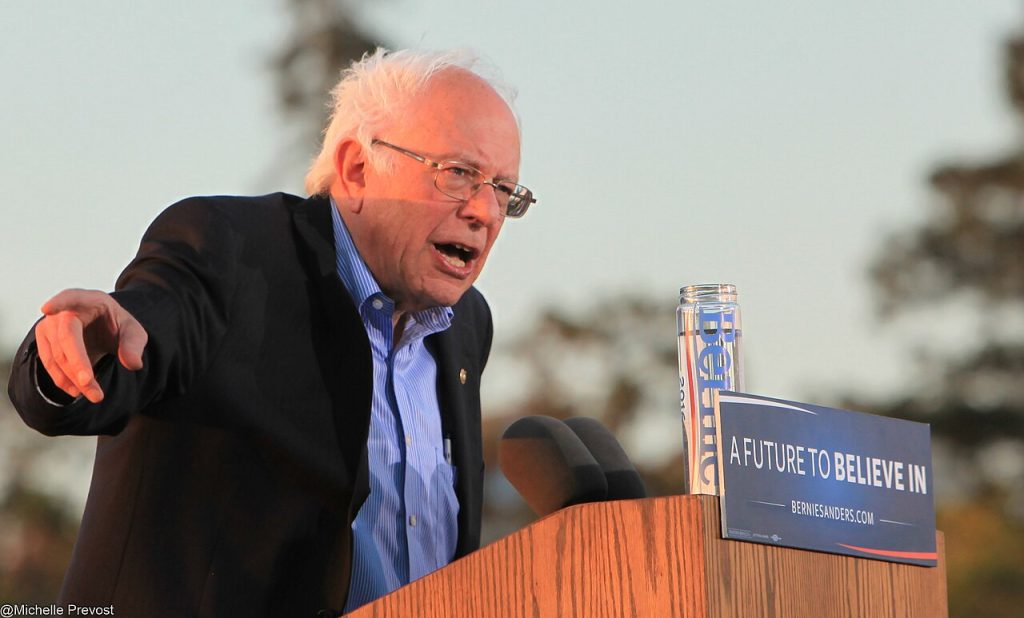
In a political era often marked by compromise and opportunism, Bernie’s consistency and integrity have inspired millions, including myself. His vision for a just and sustainable future is not confined by national borders but embraces a global perspective, recognizing that the fight for justice must be international.
Supporting Bernie Sanders means advocating for a world where everyone, regardless of their background or circumstances, has the opportunity to live with dignity and security. His leadership continues to inspire and mobilize a diverse coalition of supporters dedicated to building a better future for all.
Supporting Bernie Sanders: Principled Leader for a Better World (June 12, 2021)
New York, N.Y. At the end of December 2004, a gigantic wave roiled the Indian Ocean, causing havoc in Indonesia, Thailand, India – and Sri Lanka. Orphans International Worldwide responded withing a week, and working with the Giorgio Armani Foundation in Italy, we beagn to manage a large community center, making it the center for our work with Tsunami Recovery.
.
We acknowledge and thank all the many supporters, donors and volunteers that made this project spearheaded by John Lee on the ground and Jim Luce in New York such a tremendous success!
Slide Show: Tsunami Children of Armani Centre, Orphans International Sri Lanka (June 9, 2021)