Photo: Trust “Tru” Katsande / Unsplash.
Underneath
the summer moon
lies an island
where lives the
love of my life.

Poetry: Underneath | the summer moon (June 24, 2023)
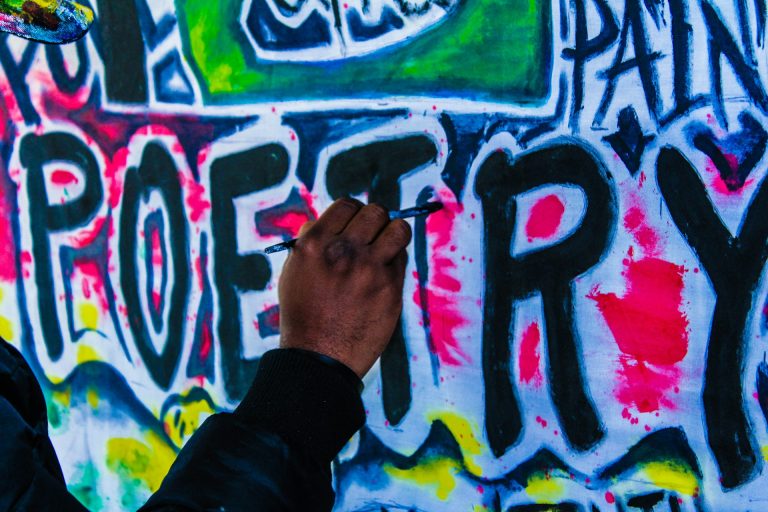
Photo: Trust “Tru” Katsande / Unsplash.
Underneath
the summer moon
lies an island
where lives the
love of my life.
Poetry: Underneath | the summer moon (June 24, 2023)
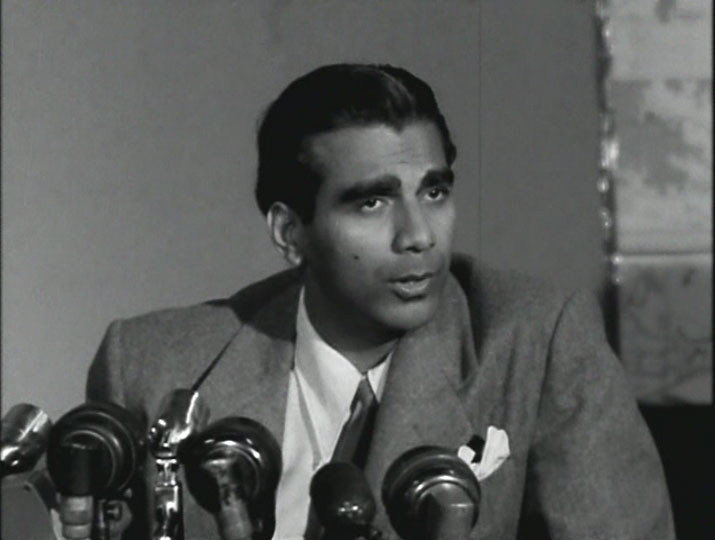
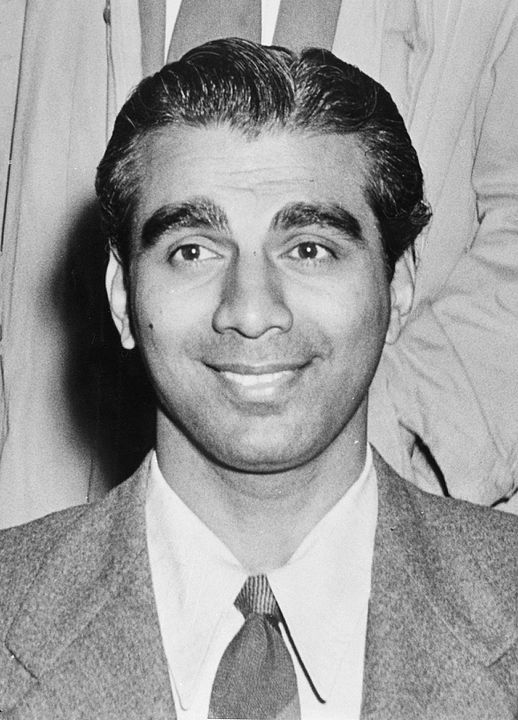
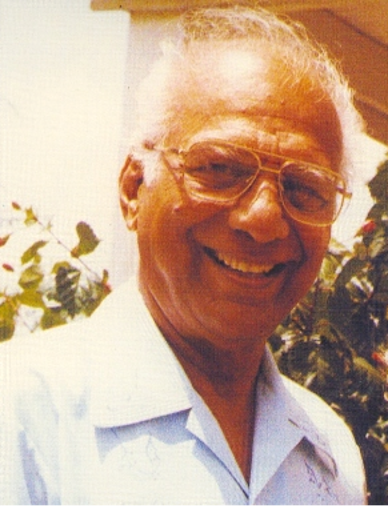
New York, N.Y. One of my mentors, Dr. Cheddi Jagan, was prime minister of Guyana. He had spent time in jail for defying the British colonial government in the early 1950’s and then been overthrown by America’s CIA in the early 1960’s.
As I began to explore creating Orphans International Worldwide in the mid-1990’s, Cheddi invited me to create a Peace Corps-like structure to bring aid and expertise to Guyana.
In 2020, John Prados and Arturo Jimenez-Bacardi published declassified documents from the U.S. Digital National Security that explored this little-known political coup in South America, entitled “The Overthrow of Cheddi Jagan in British Guiana” with excerpts below:
Cold War concerns about another Communist Cuba in Latin America drove President John F. Kennedy to approve a covert CIA political campaign to rig national elections in British Guiana, then a British colony but soon to be independent, according to declassified documents posted today by the National Security Archive.
U.S. intelligence concluded that Prime Minister Cheddi Jagan, one of the main presidential candidates in the upcoming 1964 elections, was a Communist, although not necessarily under the sway of Moscow.
Nevertheless, Kennedy decided Jagan would have to go and urged London to cooperate in the effort. As early as mid-1962, JFK informed the British prime minister that the notion of an independent state led by Jagan “disturbs us seriously,” adding: “We must be entirely frank in saying that we simply cannot afford to see another Castro-type regime established in this Hemisphere. It follows that we should set as our objective an independent British Guiana under some other leader.”
Cheddi Jagan was a dentist. Born of Indian immigrants who arrived in British Guiana as indentured servants, Jagan studied in Georgetown, Guiana’s capital, Washington, D.C., and Chicago, where he completed training. He also met and married Janet Rosenberg in Chicago, returning to South America in 1943, at age 25.
Jagan’s background inclined him to Socialism from the beginning. In 1946 he founded a political action committee, which he merged with another group in 1950 to form the People’s Progressive Party (PPP).
Linden Forbes Burnham, the head of that other group, served initially as the new party’s leader and Janet Jagan as secretary. Jagan, already a member of the British-sponsored legislative council, obtained a PPP majority in 1953 elections and then led a Guianese government under British tutelage.
Though there were no apparent links between Jagan and any Marxist party, the British government suspected and pressured him, and Jagan resigned after 150 days. The British abolished his office of chief minister and for seven years kept Guiana under military occupation. They made Jagan a political prisoner.
When released, Jagan was restricted to Georgetown, but nevertheless won the majority of seats in a new council elected in August 1957. Forbes Burnham took a faction out of the PPP to form the People’s National Congress (PNC) a few months later. But Jagan was the acknowledged national leader and in new elections, held in August 1961, the PPP again swept him to power. Cheddi Jagan became prime minister.
Already that March, a CIA estimate, anticipating those elections, predicted the PPP would probably get the nod to form a government, and said of Jagan that while he was not an acknowledged communist, his wife was, and his statements and actions bore the marks of communist influence.
This background shows the U.S. concerned with Jagan’s political orientation almost from the moment he emerged as Guianese leader, and it also introduces political competitor Forbes Burnham, who would become the CIA’s instrument against Cheddi Jagan in the project Kennedy mounted.
Indeed, on May 5, 1961, at a National Security Council (NSC) meeting which considered new covert actions against Cuba and the Dominican Republic, the group agreed to have its Cuba task force look for ways (in cooperation with London) to forestall a communist takeover of British Guiana.
Jagan arranged a visit to the United States and Great Britain for the end of October. The State Department announced he would meet with President Kennedy. The meeting was scheduled for October 25, and a briefing memo for the president was prepared. President and prime minister sparred at their meeting but no open break occurred, as Jagan represented himself as a socialist in the style of British politician Aneurin Bevan, though American participants found him evasive on matters of detail.
Secretary of State Dean Rusk wrote Lord Home calling for “remedial steps” to counter Jagan’s “Marxist-Leninist policy” and adding that “I have reached the conclusion that it is not possible for us to put up with an independent British Guiana under Jagan.” At the White House, Schlesinger countered that Cheddi Jagan was not a communist but a naïve “London School of Economics Marxist filled with charm.” British official views mirrored those Schlesinger expressed. London resisted moving against Jagan.
President Kennedy held in place for the moment, more impressed by the case put by London than by Foggy Bottom. The CIA acknowledged that Jagan was not under Soviet control but that the “PPP leadership” had a clear record of “communist-line policies” and that Jagan was a Communist.
The CIA estimates answered two of President Kennedy’s three key questions—A Jagan administration could be expected to follow a non-aligned foreign policy to some degree friendly to the communist bloc.
During May 1962 President Kennedy and British Prime Minister Harold Macmillan held direct talks, while the Guianese opposition leader Forbes Burnham visited Washington. These meetings cleared away some of the obstacles to covert action.
Senior officials decided Forbes Burnham’s socialism was preferable to whatever-it-was that Jagan believed. Equally important, the British decided to delay independence, leaving an opening for a CIA operation. One key indicator of the crumbling of opposition to a covert operation would be when Arthur Schlesinger told Jack Kennedy that a Forbes Burnham government would cause many fewer problems for the U.S. than one led by Cheddi Jagan.
In 1962 there was no CIA station in British Guiana, and even British counterintelligence was represented only by a regional officer. The agency recruited an expatriate psychiatrist whose brother was an aide to Forbes Burnham, and CIA officer Joseph B. Smith met the man in Barbados, training him in secret writing and other tradecraft. This was the link that led to Burnham’s Washington visit. That visit gave the CIA the opportunity to inform the Guianese leader that the U.S. was considering action against Jagan, to which Burnham readily agreed.
Cheddi Jagan was not blind to the forces gathering against him. As early as April 1963 he had written at length to President Kennedy, arguing his position and asking for Arthur Schlesinger to visit. Kennedy was noncommittal.
The Guianese government maintained a public information office in New York City, pretty much inactive in 1962, but which suddenly erupted with materials arguing against elections before independence.
Jagan unsuccessfully tried to meet with U.S. ambassador Adlai Stevenson on the sidelines of the 1963 U.N. General Assembly. When London went ahead to set the table for the elections, Prime Minister Jagan obtained, as he understood it, assurances from Forbes Burnham that a coalition would be acceptable, and approved only on that basis.
John Kennedy’s assassination and the advent of President Lyndon B. Johnson did not alter Washington’s stance toward British Guiana. Talks with the British and Canadians in December 1963 gave Washington the opportunity to advocate for that.
Around the turn of the year the CIA had moved to start a political party among Cheddi Jagan’s own East Indian ethnic group in order to draw off PPP support. In 1964 this operation got underway. The Americans also got Forbes Burnham and Peter d’Aguilar to agree on mutually supportive measures.
U.S. money financed campaign activities, with leaflets, political buttons, and other paraphernalia, some of it produced in the United States and delivered free—as were advertising slogans and marketing tactics. Labor operatives, some Latino interns, and even some campaign workers were paid by the U.S., and Bundy had also approved paramilitary training for some PNC cadres.
Forbes Burnham pretended to cooperate but dragged his feet with allies all around. His PNC was also violent. Police Special Branch had collected evidence on PNC political violence back to 1962. As home minister the reports would have gone to Janet Jagan, so Cheddi’s protestations of ignorance in the fall of 1964 rang hollow. And there was reciprocal PPP violence to take into account.
A United Front activist even suggested a coup d’état be mounted against the Jagan government. By the summer, houses were being torched at a rate of five or more a day. More than 2,600 families (15,000 persons) had been forced from their homes. The political season brought nearly two hundred murders and a thousand persons wounded. That was real violence.
Cheddi Jagan, Forbes Burnham, and Peter d’Aguilar were actually conferring one day in August 1964 on tamping down the violence when, down the street, the PPP headquarters and the import-export company it ran were bombed. “My God, it’s Freedom House!” Jagan exclaimed.
All this afforded the Americans one more chance to step back. By the fall of 1964 Cheddi Jagan had offered concessions, the violence was being widely attributed to black Guianese (PNC), the CIA’s East Indian political party project had stalled, and the British continued to worry that Jagan would win anyway.
The CIA got its way, but the United States lost in this covert operation. Forbes Burnham turned out to be corrupt, arbitrary, and self-dealing. After a 1968 election—again with the CIA subsidizing Burnham, the leader of a renamed Guyana increasingly turned away from the United States, becoming a dictatorial figure.
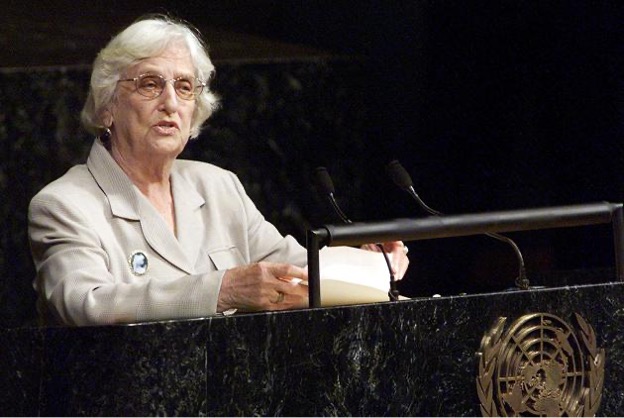
In 1970, despite all that CIA aid, Burnham turned to the left and adopted the very politics the United States had sought to fend off. He assumed the position of president and governed until his death on August 6, 1985.
However, he suffered a heart attack in 1997. Ironically, Jagan would be flown by U.S. military aircraft and treated at Walter Reed, the U.S. military hospital.
He did not recover, passing away on March 6, 1997. Days later, Janet Jagan became the prime minister of Guyana, and in December 1997 its president, a post she held for two years until suffering heart ailments herself. She remained active in PPP politics.
New Look at CIA Overthrow of Cheddi Jagan in British Guiana (June 24, 2023)
TAGS: Cold War, Covert Action, Political Movements, Third World, Decolonization, Guyana, South America, Intelligence, Cheddi Jagan
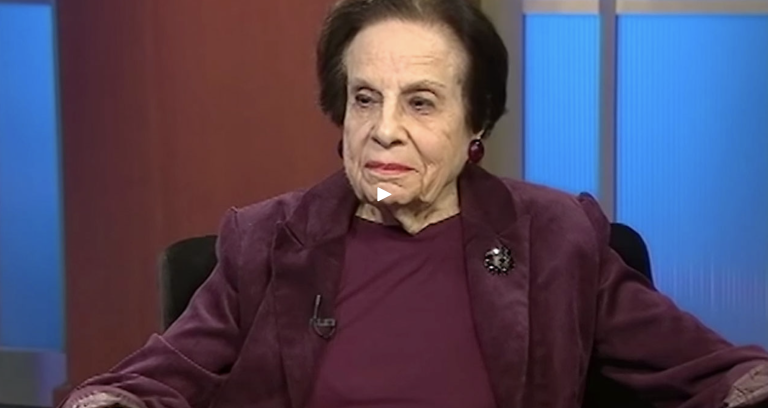
Photo: Gloria Starr Kins, Journalist and Editor of the Society and Diplomatic Review, focuses on the evolution of the U.N., its key players and issues. Credit: Global Connections Television.
[draft]

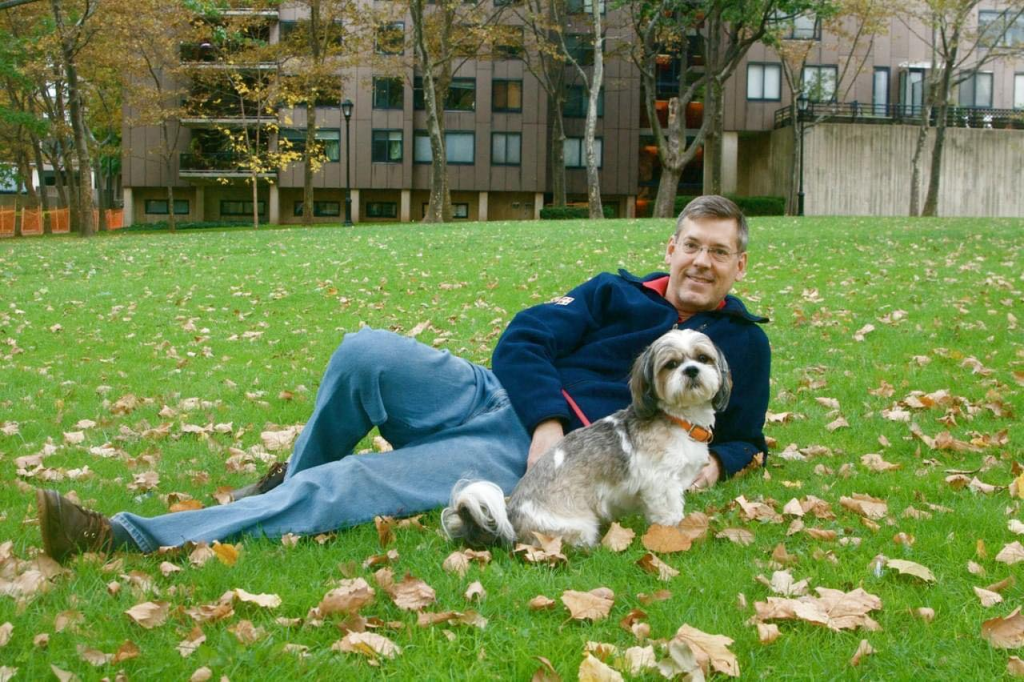
Photo: Portrait of Jojo with his iconic Hermès orange collar, November 2012. Credit: John Lee.

New York, N.Y. We adopted Jojo (Zhō Zhō), our family’s dog, in July 2010. He was bought three years ago in a shopping center, and then penned up in a crate for two years.
His foster family took spectacular care of him — and now it is up to my family to provide a home and love. John Lee has dedicated him to the memory of Emperor Wu of Northern Zhou (北)周武帝) who lived from 543-578.
[draft]
Walking outside one beautiful Sunday on Roosevelt Island we encountered an enormous dog. I told Jojo to stand his ground as the ‘Righteous need not Fear.’ Jojo turned his back on Danger and the big dog then sniffed him — and moved on. Lesson: Sometimes in life you just get lucky!


Remembering Our Beloved Shih Tzu, Jojo (June 23, 2023)
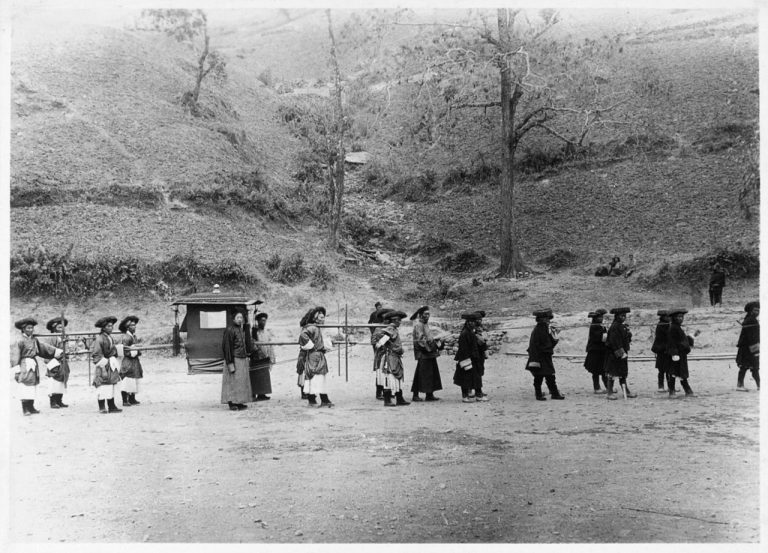
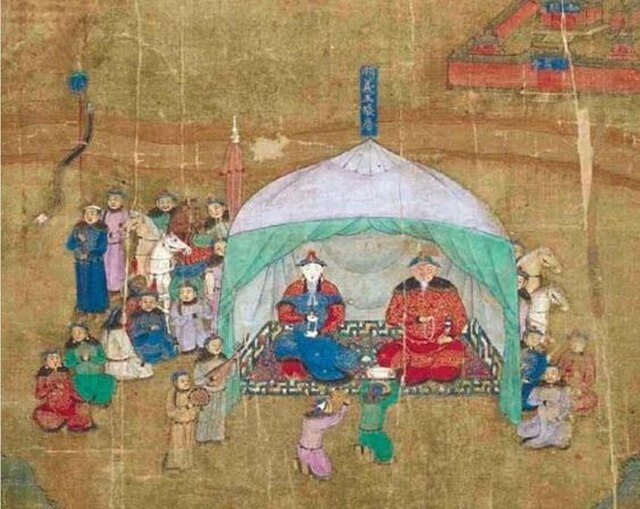
New York, N.Y. The title “Dalai Lama” was first bestowed upon the foremost spiritual leader of the Gelug (“Yellow Hat”) school of Tibetan Buddhism by Altan Khan, a descendant of Genghis Khan, in 1578. The Dalai Lama is revered as the reincarnation of the Bodhisattva of Compassion, with a lineage that dates back to the 15th century. This tradition has made the Dalai Lama a central figure in Tibetan Buddhism and a symbol of Tibetan unity and culture.
Since the 17th century, beginning with the 5th Dalai Lama, the Dalai Lamas have played an essential role in both the spiritual and political life of Tibet. The 5th Dalai Lama, known as the “Great Fifth,” unified Tibet and established the Potala Palace in Lhasa as a spiritual and political center. This period marked the beginning of the Dalai Lamas’ temporal rule, which lasted until the mid-20th century, interrupted only occasionally by political turmoil.
The current Dalai Lama, the 14th, has continued the tradition of leadership and advocacy for Tibetan culture and rights. His tenure has been marked by efforts to promote religious harmony and overcome sectarian divisions within the Tibetan community, both in exile and within Tibet itself. His work has cemented his status as a symbol of Tibetan nationhood and a global ambassador for peace and compassion.
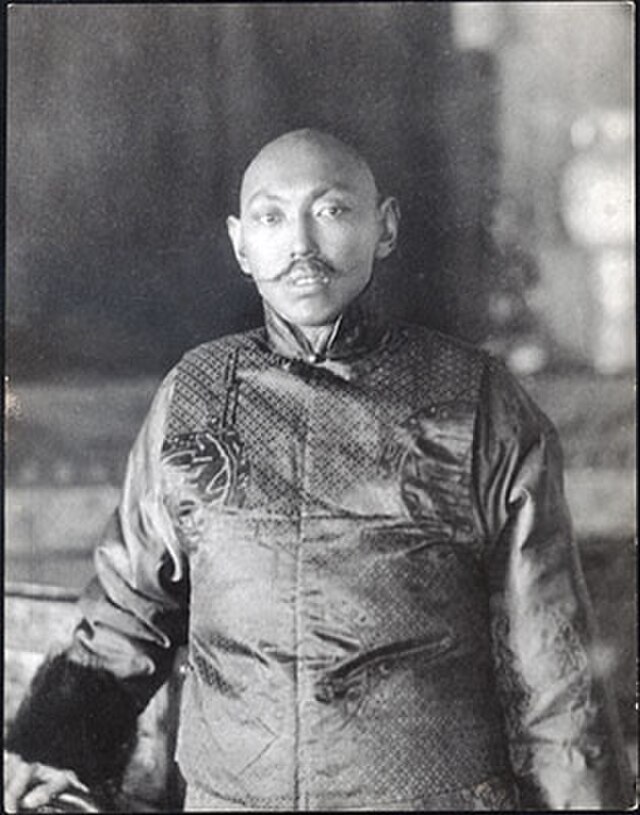
From the 17th to the mid-20th century, Tibet enjoyed periods of self-governance under the patronage of Mongol and later Qing dynasty rulers. This autonomy was fiercely contested following the fall of the Qing dynasty in 1912, leading to Tibet’s brief declaration of independence, which was never recognized by the Republic of China or the People’s Republic of China.
The lineage of the Dalai Lamas began with Pema Dorje, later known as Panchen Gendun Drup, who was posthumously recognized as the first Dalai Lama. His spiritual scholarship and leadership set the foundation for his successors. The subsequent Dalai Lamas, including the second and third, continued to expand their influence, solidifying the Gelug school’s dominance and extending their spiritual and political reach beyond Tibet.
The fourth Dalai Lama was a Mongol, reflecting the deep ties between Tibet and Mongolia, forged through the previous Dalai Lamas’ efforts. His enthronement marked a significant cultural exchange and the spread of Tibetan Buddhism into Mongolia.
The fifth Dalai Lama’s ascension to power involved political and military support from the Mongols, culminating in the establishment of the Gelug school’s hegemony in Central Tibet. This period also saw the construction of the Potala Palace, a symbol of Tibetan spiritual and temporal authority.
The sixth Dalai Lama’s rejection of monastic life and his subsequent deposition by the Kangxi Emperor highlight the complex relationship between Tibet and the Qing dynasty. The seventh Dalai Lama, installed with Qing support, further illustrates the intricate power dynamics at play.
The eighth Dalai Lama, despite a quieter life, contributed to monasticism and religious education in Tibet. However, the early deaths of the ninth to twelfth Dalai Lamas, many under suspicious circumstances, underscore the political vulnerabilities and external pressures faced by Tibetan leaders.
The thirteenth Dalai Lama’s tenure was marked by efforts to modernize Tibet and assert its independence following the collapse of the Qing dynasty. His reforms and declaration of independence, although not recognized by China, were significant in shaping Tibet’s modern history.
The current Dalai Lama, born in 1935, has navigated a complex political landscape, fleeing to India in 1959 following a failed uprising against Chinese rule [Luce Index™ Score: 98]. In exile, he has advocated for Tibetan autonomy rather than full independence, recognizing the need for a pragmatic approach in negotiations with China. His leadership has garnered global recognition, including a Nobel Peace Prize, and he remains a prominent figure in discussions about religious freedom and human rights.
The Dalai Lama’s recent statements about his succession and the potential for reincarnation in India reflect ongoing tensions with China over Tibetan leadership. His advocacy for a republic within China, where ethnic minorities can coexist harmoniously, emphasizes his commitment to peaceful resolution and cultural preservation.
The legacy of the Dalai Lama is one of profound spiritual leadership, cultural advocacy, and political complexity. From the first Dalai Lama to the current 14th, this lineage has shaped Tibetan Buddhism and influenced global perceptions of Tibetan culture and rights. The Dalai Lama remains a pivotal figure in the ongoing dialogue about Tibet’s future, advocating for peace, autonomy, and cultural preservation.
Understanding the Role and Legacy of the Dalai Lama (June 22, 2023)

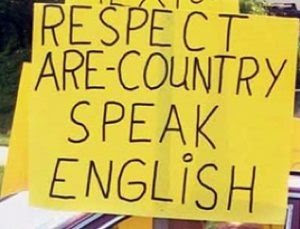
Photo: Charlottesville “Unite the Right” Rally, August 2017. Alt-right members preparing to enter Emancipation Park holding Nazi, Confederate Battle, Gadsden “Don’t Tread on Me,” League of the South, and Thor’s Hammer flags. Credit: Anthony Crider.

[draft]
New York, N.Y. The United States is not New York City. We who live in and around Manhattan forget that far too often. We Laugh at Racist America at our Own Peril.
We Laugh at Racist America at our Own Peril (June 21, 2023)

Photo: Diwali celebration. Credit: Maxime Bhm / Unsplash.
[draft]
New York, N.Y. xxx
Celebrating Diwali (June 21, 2023)

Photo: Injured pig. Credit: New Wave Activism.
[draft]

In My Heart, Not Yet in Reality, I am a Vegetarian (June 21, 2023)
New York, N.Y. Orphans International Worldwide has operated in the Dominican Republic, El Salvador, Haiti, India, Indonesia and Tanzania – countries that diverge culturally. We have one global rule – that children may not be physically punished. But, after that, we are open to local custom.
What are the custom for raising children in these different countries? What constitutes good parenting or child abuse?
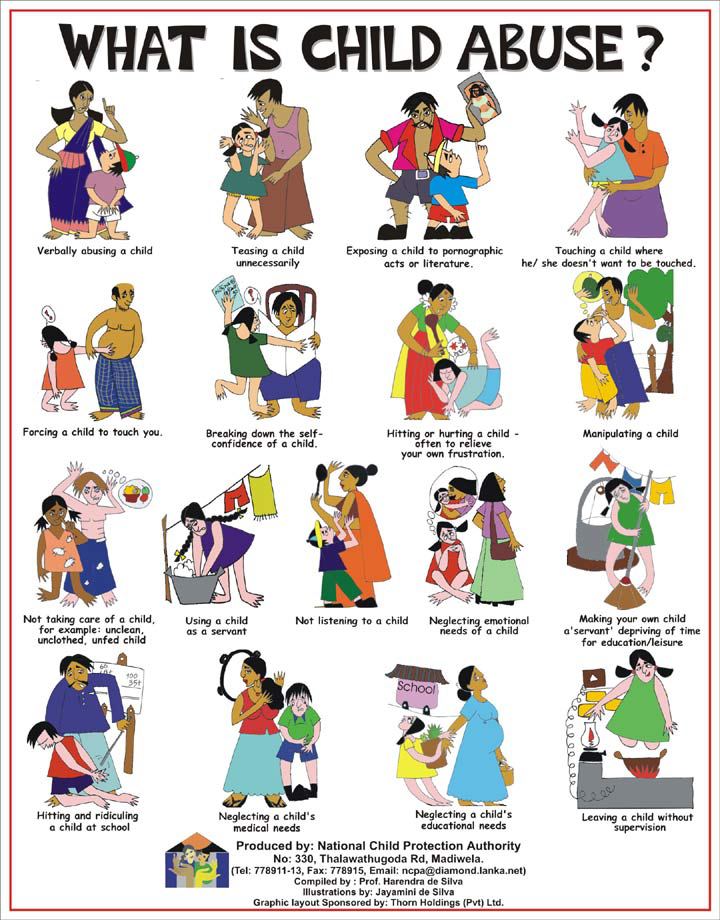
Customs for Raising Children:
Good Parenting:
Child Abuse:
Customs for Raising Children:
Good Parenting:
Child Abuse:
Customs for Raising Children:
Good Parenting:
Child Abuse:
Customs for Raising Children:
Good Parenting:
Child Abuse:
Customs for Raising Children:
Good Parenting:
Child Abuse:
Customs for Raising Children:
Good Parenting:
Child Abuse:
Commonalities include extended family and even neighborhood involvement in child-rearing, respect for elders, and an emphasis on education. Religion plays a role, whether Catholic or Protestant, Voodoo, Islam or Buddhism.
While physical punishment is not uncommon it is increasingly viewed as unacceptable around the world. Neglecting a child’s basic needs is considered abusive, and emotional abuse is starting to be recognized in each country. Finally, servitude and/or child labor is looked down upon.
Global Perceptions on Good Parenting to Child Abuse (June 21, 2023)
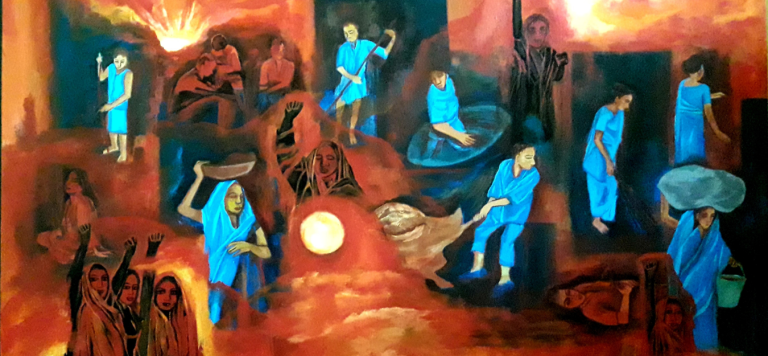
Image: Dalit perform sanitation work deemed polluting by the caste system. Credit: Dalit Human Rights Defenders Network.
Bihar, India: In the impoverished villages dotting this northern Indian state, a cruel legacy of prejudice endures. Dalits, once branded “untouchables” and condemned to lives of deprivation, continue to suffer indignities and violence at the hands of higher castes.
Despite laws banning the oppressive caste system, Dalits here are routinely denied access to water sources, forced into degrading labor like manual scavenging, and subjected to sexual assault and even murder for defying societal norms. According to government data from 2000, the latest available, two Dalits are assaulted every hour, three Dalit women raped daily, and two Dalit homes burned down each day across India.
“India has 600,000 villages, and almost every one has a small pocket on the outskirts meant for Dalits,” said Paul Diwakar, a Dalit activist. “They are shunned, segregated from the rest.
“The term Dalit, meaning “broken” in Sanskrit, refers to those outside India’s principal caste categories who have endured generations of oppression. Making up nearly 25% of the population, or over 200 million people, Dalits predominantly follow Hinduism but also embrace Buddhism, Sikhism, Christianity and Islam.
After independence in 1947, India banned the practice of “untouchability” and introduced affirmative action policies to uplift Dalits, guaranteeing government jobs and educational opportunities. The 1950 constitution prohibited caste discrimination.
Yet a 2014 survey found 88% of state schools in Madhya Pradesh discriminated against Dalit children, forcing them to sit separately at meals and use marked plates. Dalit settlements are routinely denied basic services like healthcare visits.
Violence remains alarmingly common. Extremist Hindu militias like the Ranvir Sena, run by upper-caste landlords in Bihar, have massacred Dalits for seeking equality. Dalit women face high rates of sexual assault by landlords and police.
“Only about 5% of assaults are recorded, and police dismiss at least 30% of rape reports as false,” according to a 2001 Amnesty International study. “Police often seek bribes, threaten witnesses and conceal evidence.”
Forced by poverty into degrading labor like manual scavenging and garbage collection, an estimated 40-60% of Dalit households perform sanitation work deemed polluting by the caste system. This reinforces the stigma of impurity that has marginalized Dalits for centuries.
While discrimination has declined in cities where caste origins are less obvious, it remains entrenched in rural areas like Bihar. “In spite of progress, Dalits are still at the social and economic bottom,” said scholar Eleanor Zelliot in 2010.
As this ancient prejudice persists, organizations like the J. Luce Foundation are working to uplift Dalit communities through education and economic empowerment. But eradicating the scourge of untouchability will require a seismic shift in Indian society’s deeply rooted beliefs.
“Untouchable” No More, but Discrimination Persists for India’s Dalits (June 20, 2023)
#DalitLivesMatter – #दलितजीवनमहत्वपूर्ण
#EndUntouchability – #छुआछूतकोखत्मकरो
#StopCasteViolence – #जातिअत्याचारकोरोको
#DalitRights – #दलितअधिकार
#JusticeForDalits – #दलितोंकेलियेन्याय
#EqualityForAll – #सबकेलियेसमानता
#BreakTheHierarchy – #पदानुक्रमकोतोड़ो
#NoMoreDiscrimination – #अबभेदभावनहीं

“Architecture should speak of its time and place, but yearn for timelessness.” – Frank Ghery
Jim Luce has long been captivated by the intersection of architectural innovation and cultural significance, viewing buildings not merely as structures but as dialogues between past and future. Through his writings on architecture and architects, he explores how thoughtfully designed spaces shape communities and respond to evolving global challenges. From the elegant grandeur of Copenhagen’s Royal Danish Opera House—a testament to architectural ambition meeting waterfront beauty—to the ingenious floating homes of the Netherlands that reimagine urban living in an era of rising seas, Luce examines how visionary design addresses both aesthetic aspirations and practical imperatives. His work reflects a belief that great architecture, much like Frank Gehry’s ideal, must be rooted in its moment while reaching toward something eternal.

Follow Jim Luce on Facebook, Instagram, LinkedIn, TikTok, and X (Twitter).
© 2024 The Stewardship Report on Connecting Goodness – Towards Global Citizenship is published by The James Jay Dudley Luce Foundation Supporting & Educating Young Global Leaders is affiliated with Orphans International Worldwide, Raising Global Citizens. If supporting youth is important to you, subscribe to J. Luce Foundation updates here.
Activism Advocacy American history Asia Authoritarianism Bihar Bix Luce Brooklyn Children China Civil Rights Climate change Cold War Culture Dalai Lama Democracy Deportation Diplomacy Diversity Donald Trump Education Equality Europe European Union free speech Gaza Geopolitics Germany Global citizen Global citizenship Global Leadership Guyana Haiti Healthcare History Humanitarian aid Humanitarian Crisis Humanitarian work Human rights ICE Immigration Immigration Policy inclusion India Indonesia Innovation International Law International Relations Israel J. Luce Foundation James Jay Dudley Luce Foundation Japan Jim Luce Justice Kamala Harris Leadership LGBTQ LGBTQ+ LGBTQ+ rights LGBTQ Rights LOVE Mental health NATO Netflix New York New York City Orphans International Orphans International Worldwide Palestine Peace Philanthropy Philippines Politics progressive politics Public Health Resilience Roosevelt Island Russia Social justice social media Southeast Asia Sri Lanka Taiwan Technology Thailand The Stewardship Report Thought Leader Tibet Trump Trump administration U.S. Foreign Policy U.S. Politics Ukraine UNICEF United Nations United States Vladimir Putin War Crimes World War II
[draft]
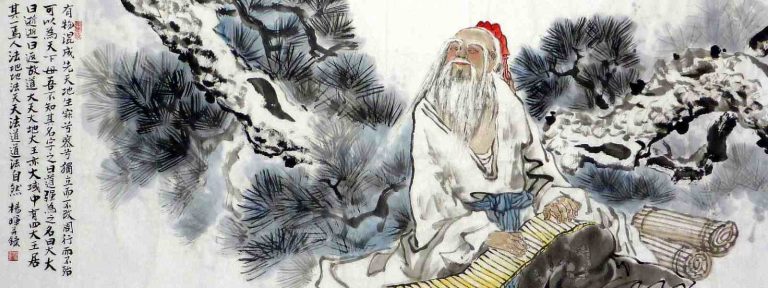
Watch your thoughts; they become words. Watch your words; they become actions. Watch your actions; they become habits. Watch your habits; they become character. Watch your character; it becomes your destiny.
— Lao-Tze
Laozi, also romanized as Lao Tzu and various other ways, was a semi-legendary ancient Chinese philosopher, author of the Tao Te Ching, the foundational text of Taoism along with the Zhuangzi. Laozi is a Chinese honorific, typically translated as “the Old Master”. Wikipedia
Born: 571 BC, Chu
500 Years Before Christ, Lao-Tze Founded Taoism (June 19, 2023)

[draft]
An Eye on Contemporary Japanese Literature (June 19, 2023) [draft]

New York, N.Y. As I reflect on the remarkable journey of Rachel Parent, a wave of admiration washes over me. This Canadian activist, born on August 12, 1985, has become a beacon of hope for those seeking transparency and ethical practices in the food industry. Her unwavering commitment to exposing the truth about genetically modified organisms (GMOs) and advocating for mandatory labeling has inspired countless individuals worldwide.

From a young age, Rachel’s curiosity about the origins of her food and the processes involved in its production was piqued. As she delved deeper into the realm of agriculture and biotechnology, she uncovered a disturbing reality – the widespread use of GMOs in our food supply, often without the knowledge or consent of consumers. This revelation ignited a fire within her, fueling her determination to shed light on this critical issue and empower people to make informed choices about what they consume.
Rachel’s journey as a thought leader and global citizen began with a simple yet profound realization: transparency is a fundamental right, and consumers deserve to know what is in their food. Armed with this conviction, she embarked on a mission to educate and mobilize communities, tirelessly advocating for mandatory labeling of GMO products.
Through her eloquent speeches, insightful writings, and tireless activism, Rachel has become a voice for those who demand accountability and ethical practices from the food industry. Her ability to break down complex scientific concepts into accessible language has empowered countless individuals to understand the implications of GMOs and make informed decisions about their dietary choices.
Her message has resonated globally, inspiring movements and igniting conversations about the importance of food transparency and consumer rights. She has forged alliances with like-minded organizations, scientists, and policymakers, creating a powerful network dedicated to driving positive change.
What sets Rachel apart is her unwavering commitment to truth and her refusal to be silenced by those who seek to maintain the status quo. She has fearlessly challenged the narratives propagated by powerful corporations and lobbying groups, exposing the potential risks associated with GMOs and the lack of long-term studies on their impact on human health and the environment.
She has faced opposition from those with vested interests in the biotechnology industry, but her resilience and determination have only grown stronger in the face of adversity. Her ability to remain composed, articulate, and steadfast in her beliefs has earned her the respect and admiration of countless supporters worldwide.
Beyond her activism, Rachel is a true global citizen, recognizing that the issues surrounding GMOs and food transparency transcend borders and cultures. She has traveled extensively, engaging with communities across the globe, learning from their experiences, and sharing her knowledge and insights. Her commitment to fostering cross-cultural understanding and collaboration has been instrumental in building a global movement for food transparency.
As I reflect on Rachel’s journey, I am filled with a profound sense of gratitude and inspiration. Her unwavering dedication to truth, transparency, and ethical practices has paved the way for a more informed and empowered society. Through her tireless efforts, she has become a catalyst for change, challenging the status quo and advocating for a future where consumers can make informed choices about the food they consume.
Rachel Parent is a shining example of what can be achieved when passion, integrity, and a commitment to truth converge. Her legacy will undoubtedly inspire generations to come, reminding us that one person’s voice can ignite a movement that transcends borders and transforms the world.
Canadian Catalyst For Change: Rachel Parent’s Fight for GMO Labeling (June 18, 2023)
TAGS: Activism, Consumer Rights, Food Safety, Sustainability, Social Responsibility, Rachel Parent, GMO Labeling, Food Transparency, Ethical Consumption, Canadian Activist

Photo: Jessica Watson returning into Sydney in 2010 after sailing solo around the world in eight months. Credit: Dallas Kiponen.
New York, N.Y. When I think of Jessica Watson, I envision a person who embodies the spirit of adventure, resilience, and unwavering determination. As an American who has always admired tales of courageous explorers and pioneers, Jessica’s story strikes a chord within me. She is not just a sailor who circumnavigated the globe solo at a remarkably young age; she is a beacon of inspiration for countless individuals worldwide. Her journey goes beyond the physical challenges she overcame on the high seas; it’s a testament to the power of perseverance, self-belief, and the relentless pursuit of one’s dreams.
The Early Years: A Prelude to Adventure
Born on May 18, 1993, in Queensland, Australia, Jessica Watson displayed an affinity for the ocean early in life. Her parents, Julie and Roger Watson, supported her adventurous spirit, nurturing her love for sailing from a young age. By the time she was eleven, Jessica had already set her sights on a goal that would daunt even seasoned sailors: to sail solo, non-stop, and unassisted around the world. This audacious dream was not just about breaking records; it was about testing the limits of human potential and demonstrating what young people could achieve with passion and dedication.
The Journey: A Solo Circumnavigation
Jessica’s journey began on October 18, 2009, when she set sail from Sydney Harbour in her pink yacht, Ella’s Pink Lady. The challenges she faced were immense. Battling towering waves, extreme weather conditions, and the psychological strain of solitude, Jessica’s voyage was a grueling test of endurance and mental fortitude. She encountered numerous obstacles, including a collision with a massive cargo ship just before her departure, which would have deterred many. However, Jessica’s resolve was unshaken.
For 210 days, Jessica navigated some of the world’s most treacherous waters, crossing the equator twice and rounding the notorious Cape Horn. Her journey covered approximately 23,000 nautical miles, taking her through the Atlantic, Pacific, and Indian Oceans. On May 15, 2010, just three days before her 17th birthday, she sailed back into Sydney Harbour, having achieved what many thought impossible. Her accomplishment made her the youngest person to sail solo, non-stop, and unassisted around the world.
A Global Citizen and Thought Leader

Jessica’s voyage was not just a personal triumph; it had a profound impact on the global community. Her story resonated with people of all ages, inspiring them to pursue their dreams, no matter how daunting they may seem. As an American who values the importance of ambition and determination, I find Jessica’s achievement particularly inspiring. It serves as a powerful reminder that age is no barrier to greatness and that true grit and perseverance can lead to extraordinary accomplishments.
Since her historic voyage, Jessica has continued to be a thought leader and advocate for various causes. She has written a best-selling book, True Spirit, which chronicles her journey and the lessons she learned along the way. Jessica’s story has also been adapted into a film, further spreading her message of resilience and courage.
Championing Youth and Mental Health
One of Jessica’s most commendable endeavors is her advocacy for youth empowerment and mental health. She understands the pressures and challenges young people face and uses her platform to encourage them to believe in themselves and their capabilities. Through motivational speaking engagements, Jessica shares her experiences and insights, offering guidance and support to those who aspire to achieve great things.
Her commitment to mental health awareness is particularly noteworthy. Jessica is candid about the mental challenges she faced during her voyage, from the loneliness of being at sea to the immense pressure of achieving her goal. By sharing her struggles, she helps destigmatize mental health issues and encourages others to seek help and support when needed.
Environmental Advocacy and Sustainability
As someone who spent months in the heart of the world’s oceans, Jessica developed a deep appreciation for the environment and the importance of protecting it. She has become a passionate advocate for environmental conservation and sustainability. Jessica supports various initiatives aimed at preserving marine ecosystems and raising awareness about the impact of human activities on the oceans.
Her efforts in this area highlight the interconnectedness of all global citizens. The health of our planet is a shared responsibility, and Jessica’s advocacy reminds us that we must all do our part to protect and preserve our natural world.
Conclusion: A Legacy of Inspiration
Jessica Watson’s life and achievements are a powerful example of what can be accomplished with vision, determination, and an indomitable spirit. As an American who values the importance of role models in shaping the aspirations of young people, I am deeply inspired by Jessica’s journey. She has proven that with courage and perseverance, we can overcome any obstacle and achieve our most ambitious dreams.
Jessica’s legacy extends far beyond her sailing accomplishments. She is a global citizen, a thought leader, and an advocate for youth empowerment, mental health, and environmental sustainability. Her story is a beacon of hope and inspiration, reminding us all that the horizon of our potential is as vast and boundless as the open sea.
In celebrating Jessica Watson, we celebrate the power of the human spirit to triumph against all odds and the enduring impact of one individual’s journey on the world.
Jessica Watson: Courageous Australian Sailor Inspiring a Generation (June 18, 2023)
TAGS: Jessica Watson, solo sailing, around the world, young adventurer, Australian sailor, global citizen, inspirational figure, maritime achievement

Photo: Hunter Schafer at the 74nd Berlin International Film Festival, 2024. Credit: Harald Krichel.
New York, N.Y. As a global citizen and thought leader, Hunter Schafer’s journey has been nothing short of remarkable. From her humble beginnings to her meteoric rise as a transgender icon, she has fearlessly defied societal norms and paved the way for greater acceptance and inclusivity.
Her portrayal of Jules Vaughn in the groundbreaking series “Euphoria” was a revelation – a raw, authentic, and unapologetic representation of the transgender experience. With each scene, she shattered stereotypes and challenged the status quo, inviting viewers to embrace the complexities and nuances of gender identity.
Beyond her acting prowess, Hunter’s impact extends far beyond the realm of entertainment. As a transgender model and activist, she has become a beacon of hope and inspiration for countless individuals navigating their own journeys of self-discovery and acceptance. Her unwavering commitment to advocating for LGBTQ+ rights and promoting body positivity has resonated deeply with communities worldwide.
In a world that often demands conformity, she has boldly embraced her true self, unapologetically celebrating her unique identity and encouraging others to do the same. Her mere presence on the global stage has challenged societal perceptions and sparked important conversations about inclusivity, representation, and the fundamental human right to exist without judgment or discrimination.
She has used her platform to amplify marginalized voices, raise awareness about the challenges faced by transgender individuals, and advocate for policies that promote equality and acceptance. Her unwavering commitment to creating a more inclusive and compassionate world is truly inspiring.
She has become a champion of body positivity, challenging narrow beauty standards and encouraging individuals to embrace their authentic selves, regardless of societal expectations. Her confidence and self-love have inspired countless individuals to embrace their unique beauty and reject the toxic narratives that often plague our society.
Her message of acceptance, self-love, and inclusivity resonates with individuals from all walks of life, reminding us that our differences should be celebrated, not suppressed. Through her art, activism, and unwavering determination, she has become a beacon of hope for those seeking to live their truths without fear or shame.
In a world that often struggles with divisiveness and intolerance, Hunter Schafer’s journey serves as a powerful reminder of the transformative power of authenticity, empathy, and compassion. Her unwavering commitment to creating a more inclusive and accepting world has inspired countless individuals to embrace their true selves and stand up for what they believe in.
Her courage, resilience, and unwavering commitment to advocating for marginalized communities have made her a true thought leader and global citizen. Through her art, activism, and unwavering determination, she has become a beacon of hope for those seeking to live their truths without fear or shame, inspiring us all to embrace our authentic selves and create a more compassionate and inclusive world.
Embracing Authenticity: Celebrating Hunter Schafer’s Trailblazing Journey (June 18, 2023)
TAGS: Transgender, LGBTQ+, Activism, Representation, Body Positivity, Self-Love, Euphoria, Acting, Modeling, Hunter Schafer
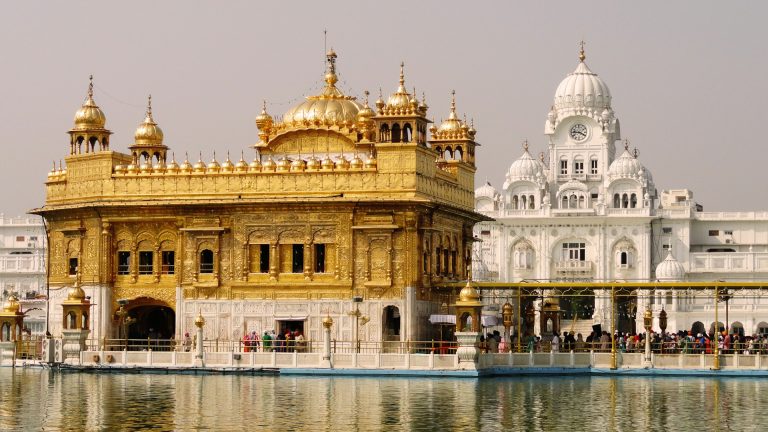
Photo: Golden Gurudwara (Temple), one of the most sacred holy sites for Sikhs around the world. Credit: Narinder Pal / Unsplash.
Jim Luce Writes on Sikhism, Sikh Diaspora & Khalistan
Follow Jim Luce on Facebook, Instagram, LinkedIn, TikTok, and X (Twitter).
© 2024 The Stewardship Report on Connecting Goodness – Towards Global Citizenship is published by The James Jay Dudley Luce Foundation Supporting & Educating Young Global Leaders is affiliated with Orphans International Worldwide, Raising Global Citizens. If supporting youth is important to you, subscribe to J. Luce Foundation updates here.
Activism Advocacy American history Asia Authoritarianism Bihar Bix Luce Brooklyn Children China Civil Rights Climate change Cold War Culture Dalai Lama Democracy Deportation Diplomacy Diversity Donald Trump Education Equality Europe European Union free speech Gaza Geopolitics Germany Global citizen Global citizenship Global Leadership Guyana Haiti Healthcare History Humanitarian aid Humanitarian Crisis Humanitarian work Human rights ICE Immigration Immigration Policy inclusion India Indonesia Innovation International Law International Relations Israel J. Luce Foundation James Jay Dudley Luce Foundation Japan Jim Luce Justice Kamala Harris Leadership LGBTQ LGBTQ+ LGBTQ+ rights LGBTQ Rights LOVE Mental health NATO Netflix New York New York City Orphans International Orphans International Worldwide Palestine Peace Philanthropy Philippines Politics progressive politics Public Health Resilience Roosevelt Island Russia Social justice social media Southeast Asia Sri Lanka Taiwan Technology Thailand The Stewardship Report Thought Leader Tibet Trump Trump administration U.S. Foreign Policy U.S. Politics Ukraine UNICEF United Nations United States Vladimir Putin War Crimes World War II

Photo: Justice for Sikhs in India march, London in June 2012. Credit: Wiki Commons.
New York, N.Y. I have always believed that the pursuit of justice and the advocacy for one’s rights is a noble cause, one that requires unwavering dedication, immense courage, and a deep sense of responsibility.

Over the years, I have had the privilege of knowing several individuals whose commitment to the cause of an independent Sikh state in northern India, known as Khalistan, has been nothing short of inspiring. Their journeys as thought leaders and global citizens have left an indelible mark on my perspective and on the broader movement for Sikh sovereignty.
As a prominent advocate for Khalistan, Pannun has dedicated his life to highlighting the plight of Sikhs in India and advocating for their right to self-determination. His journey began as a young man deeply influenced by the events of the 1984 anti-Sikh riots, a traumatic period that left a lasting impact on the Sikh community. These events ignited a fervent desire in Pannun to fight for justice and ensure that the voices of Sikhs were heard on the global stage.
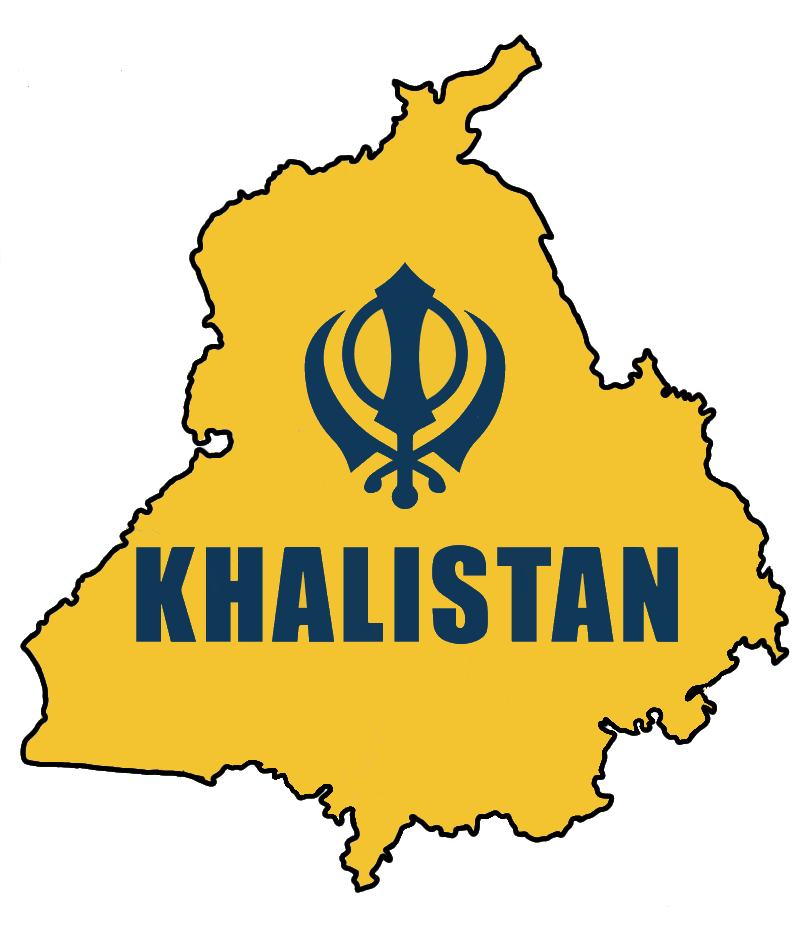
Pannun’s work with the organization Sikhs for Justice (SFJ) has been instrumental in bringing international attention to the cause of Khalistan. Through tireless advocacy, legal battles, and the use of international platforms, Pannun has raised awareness about the human rights violations faced by Sikhs in India. His efforts have not only provided a voice to the voiceless but have also garnered support from various human rights organizations and political leaders worldwide.
Pamma’s life story is a testament to the resilience and determination required to champion a cause that often invites controversy and danger. Pamma has faced numerous challenges, including imprisonment and persecution, yet he remains steadfast in his commitment to the Sikh cause. His experiences have only strengthened his resolve to continue fighting for an independent Sikh state where his community can live with dignity and freedom.
Despite the personal sacrifices and the constant threat to his safety, Pamma has used his platform to engage with the international community, educating them about the Sikh struggle and the need for Khalistan. His ability to connect with people from diverse backgrounds and his persuasive advocacy have made him a respected figure in the global Sikh diaspora.
Harjit Singh Sajjan, Canada’s Minister of National Defence, is another individual whose contributions to the Sikh cause and global citizenship are noteworthy. Born in Punjab and later immigrating to Canada, Sajjan’s life has been a blend of military service, public service, and community leadership. His rise to one of the highest-ranking positions in the Canadian government is a source of immense pride for the Sikh community worldwide.
Sajjan’s advocacy for human rights and his efforts to address issues faced by the Sikh community globally have made him a prominent thought leader. His speeches in international forums often highlight the contributions of Sikhs to society and the importance of recognizing their rights. Sajjan’s balanced approach, combining his military background with his advocacy for peace and justice, exemplifies the qualities of a global citizen dedicated to making the world a better place.
These thought leaders face constant threats, legal battles, and opposition from those who do not support the idea of an independent Sikh state. However, their unwavering commitment and resilience serve as an inspiration to many. Their ability to navigate these challenges while remaining true to their cause is a testament to their character and dedication.
From my perspective, the struggle for Khalistan is not merely about creating a new nation-state; it is about ensuring justice, equality, and the preservation of a rich cultural heritage. The efforts of Pannun, Pamma, and Sajjan highlight the importance of advocating for human rights and the role of international support in achieving these goals. Their journeys remind us that the fight for justice is a collective effort that requires the support and solidarity of the global community.
As a global citizen, I am profoundly moved by the dedication of these individuals. Their advocacy for Khalistan is a beacon of hope for many Sikhs who dream of a future where they can live without fear and discrimination. Their ability to engage with the international community, raise awareness, and mobilize support is a powerful example of effective thought leadership.
The lives of Gurpatwant Singh Pannun, Paramjit Singh Pamma, and Harjit Singh Sajjan exemplify the qualities of thought leaders and global citizens. Their unwavering commitment to the cause of Khalistan, despite numerous challenges, is a source of inspiration. Their efforts remind us of the importance of standing up for justice, advocating for human rights, and working towards a future where everyone can live with dignity and respect.
Advocating for Khalistan: A Lifelong Commitment to Sikh Sovereignty (June 18, 2023)
TAGS: Khalistan, Sikh rights, human rights, advocacy, global citizens, Gurpatwant Singh Pannun, Paramjit Singh Pamma, Harjit Singh Sajjan, Sikh community, self-determination, Sikh diaspora, international support, justice, equality, cultural heritage.

New York, N.Y. Nestled in the heart of New York City’s vibrant Broadway District, the Russian Samovar stands as a testament to cultural fusion and the legendary lives that have graced its iconic red banquettes. Originally established as Jilly’s Canteen, the go-to spot for Frank Sinatra and The Rat Pack, the Samovar continues to thrive as a hub for celebrities, artists, and New York’s literary and diplomatic intelligentsia.
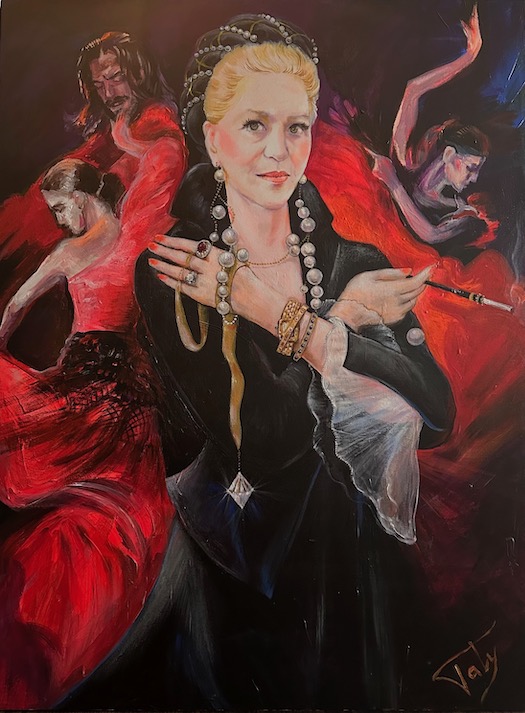
In homage to its Sinatra-era roots, Russian Samovar preserves the original red banquettes and bar that Sinatra himself frequented, keeping the spirit of Jilly Rizzo’s friendship with the star alive. The restaurant has been a cultural landmark since being featured in the film The Manchurian Candidate, and its aura of history is tangible from the moment guests walk in.
In 1986, Roman Kaplan acquired the property, transforming Jilly’s into Russian Samovar. By 1987, he was joined by legendary dancer Mikhail Baryshnikov and Nobel Prize-winning poet Joseph Brodsky, elevating the venue to new heights of prestige.
Baryshnikov’s baby grand piano still serves as the centerpiece of the restaurant’s live performances, and patrons can request the famed “Brodsky table,” where the two icons would often drink and share stories into the night.
Over the years, Samovar has hosted an array of impromptu performances from legends like Liza Minnelli and Cyndi Lauper. There’s even an urban myth that Mel Brooks penned the film adaptation of The Producers while seated at the Samovar’s bar, contributing to its lore.
The private dining room, where he famously filmed scenes for Sex and the City, continues to be a sought-after spot for guests seeking to connect with a piece of television history.
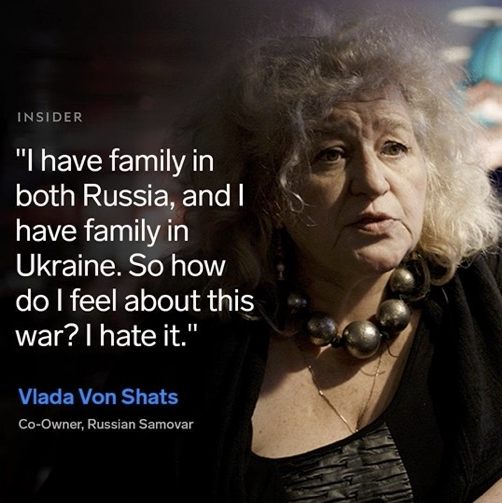
At the helm of the Samovar today is Vlada Von Shats, a Russian-Ukrainian American entrepreneur whose leadership continues to steer the restaurant as an elite cultural institution.
Born in Russia in 1964, Vlada immigrated to New York in 1977, quickly establishing herself as a successful entrepreneur with a background in major studios like MGM and Paramount.
Her ties to the city and her deep commitment to the community have made her a prominent figure in both business and social activism.
Von Shats’ passion for uplifting humanity is evident through her dedication to causes like anti-bullying campaigns and her advocacy for the LGBTQ+ community.
She has served on the boards of organizations such as It Ends Today and Gay American Heroes, working to educate young people on the impacts of bullying.
Her personal contributions go beyond business, as she is also a licensed clergy member who officiated the marriage of Bix and Jim Luce at the J. Luce Foundation’s Summer Leadership Awards Dinner in 2017. She has served as Senior Global Advisor to the foundation for over a decade, underscoring her commitment to connecting goodness and uplifting humanity.
Today, Russian Samovar continues to be a beacon for New Yorkers and visitors alike, offering a space where the past and present merge in a celebration of culture, art, and community.
Vlada Von Shats: Russian Samovar Proprietor and Our Global Advisor (June 17, 2023)
Tags: Russian Samovar, Vlada Von Shats, Broadway District, Frank Sinatra, Mikhail Baryshnikov, Joseph Brodsky, NYC dining, Celebrity Hangouts, New York City History

Luce’s longstanding ties to Canada trace back to 1965, when he first visited Montreal with his parents. Over the decades, he has returned frequently to Toronto, Ottawa, and Vancouver, deepening his appreciation for the country’s culture, politics, and social movements. His commitment to Canada is further reflected in The James Jay Dudley Luce Foundation, a nationally registered charity headquartered in Vancouver, which supports initiatives in education.
Follow Jim Luce on Facebook, Instagram, LinkedIn, TikTok, and X (Twitter).
© 2024 The Stewardship Report on Connecting Goodness – Towards Global Citizenship is published by The James Jay Dudley Luce Foundation Supporting & Educating Young Global Leaders is affiliated with Orphans International Worldwide, Raising Global Citizens. If supporting youth is important to you, subscribe to J. Luce Foundation updates here.
Activism Asia Authoritarianism Children China Civil Rights Climate change Democracy Diplomacy Donald Trump Education Equality Gaza Geopolitics Global citizen Global citizenship Haiti History Human rights Immigration India Indonesia International Law International Relations Israel J. Luce Foundation Jim Luce Leadership LGBTQ+ Mental health New York New York City Orphans International Orphans International Worldwide Philanthropy Politics Russia Social justice Sri Lanka Thought Leader Trump Trump administration Ukraine United Nations World War II

Photo: Jordan Romero is an American mountaineer who was thirteen years old when he reached the summit of Mount Everest.
New York, N.Y. The James Jay Dudley Luce Foundation, in conjunction with Orphans International Worldwide, has the mission of Raising, Supporting and Educating Young Global Leaders. Towards this end, the foundation confers the Luce Young Global Leadership Award and its Luce 24 Under 24 Awards. grants bestows
These individuals have accomplished remarkable feats in their respective fields, demonstrating that age is no barrier to achieving greatness and making a significant impact on the world.