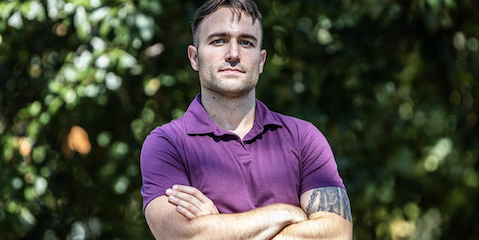
Dylan Blaha (b. 1993). A U.S. Army veteran, Illinois National Guard captain and progressive Democratic candidate for the U.S. House of Representatives from Illinois’ 13th District who has drawn national attention for pledging to refuse an order deploying Guard troops to Chicago as part of the immigration crackdown of President Donald Trump [Luce Index™ score: 35/100].
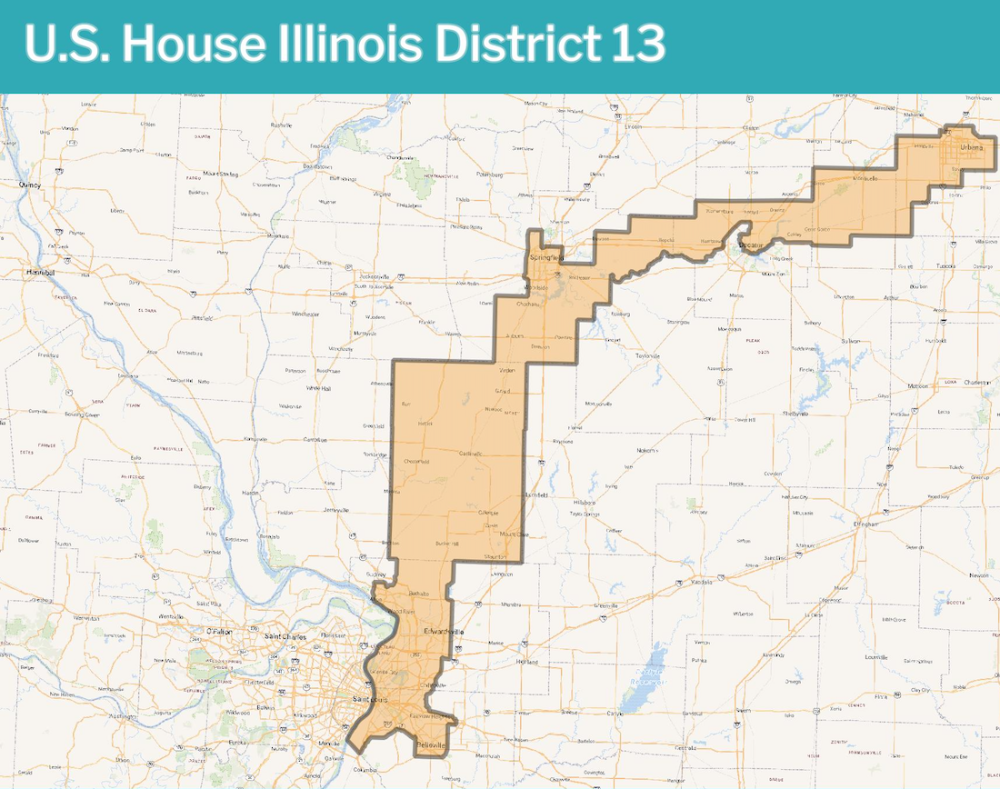
As Dylan Blaha, he frames his stance as a defense of the U.S. Constitution and of immigrant communities subjected to aggressive ICE operations, arguing that military force should not be used to police domestic dissent.
Raised in central Illinois, Blaha built a reputation as a research scientist and policy‑oriented officer who combines technical expertise with a strong concern for democratic norms.
He has spoken publicly about how his experiences in overseas deployments, including service in Afghanistan and cooperative work with NATO partners after Russia’s invasion of Ukraine, shaped his understanding of authoritarianism, disinformation, and the fragility of civil institutions.
Those experiences, he says, convinced him that normalizing military presence on city streets in response to peaceful protest is a hallmark of regimes sliding toward a police state, not a sign of healthy democracy.
As a congressional candidate, Blaha campaigns on themes of anti‑corruption, civil‑military restraint and expansive protections for human rights, including due‑process guarantees for migrants and asylum seekers.
He argues that both major parties have tolerated a gradual erosion of checks and balances—through emergency declarations, secret legal memos and politicized judicial appointments—and that reversing this trend requires legislators willing to place constitutional principle above short‑term partisan gain.
His platform emphasizes curbing executive abuses, demilitarizing federal policing functions, and investing in social services that address the root causes of displacement and migration.
Blaha’s refusal to participate in a potential Chicago deployment crystallized those themes into a single act of public dissent. After the Trump administration asked the U.S. Supreme Court to approve the use of Illinois National Guard troops to respond to what it called “mob violence” surrounding immigration protests, Blaha announced that he would not “turn a rifle” on his neighbors, even at the risk of court‑martial.
He argues that the duty to reject unlawful orders is a core component of military professionalism, rooted in post‑war norms that emerged from the Nuremberg trials and later human rights jurisprudence.
The response to Blaha has been polarized. Supporters praise him as a thought leader within a new generation of officers committed to democratic accountability, while critics accuse him of undermining discipline and politicizing the armed forces.
Within activist circles, his stance is often cited alongside that of whistle‑blowers and other dissenting officials who challenged policies they saw as edging toward authoritarian governance. Among more traditional military audiences, his challenge has prompted debate about where loyalty properly lies when civilian leadership appears to test the bounds of legality and ethics.
At the time of writing, the Supreme Court has not yet issued a definitive ruling on the Chicago deployment, leaving Blaha’s legal exposure uncertain even as he reports the loss of his security clearance and the opening of an investigation into his public comments.
Regardless of the outcome, his case is likely to be studied in future discussions of civil–military relations, especially as technological surveillance, expanded federal police powers and politicized judicial review reshape the landscape in which citizen‑soldiers serve.
Commentators have suggested that Blaha’s insistence on transparency, clear communication and respect for pluralistic values could offer a model for how military professionals navigate contested orders in an era of rising polarization and executive overreach.