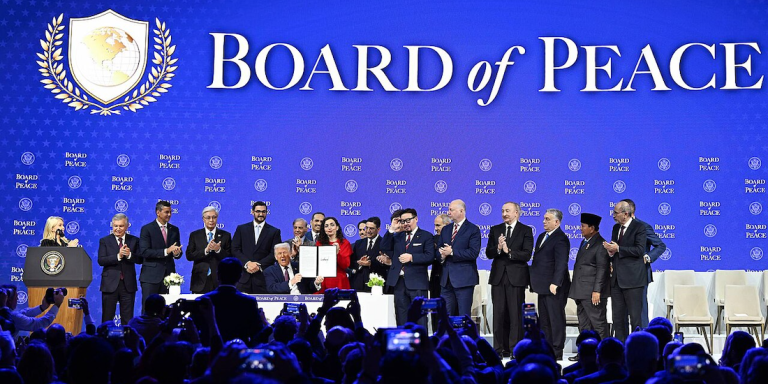
Critics warn proposed organization sidelines human rights and international accountability mechanisms
By John Laing

New York, N.Y. – President Donald Trump‘s proposed “Board of Peace” has sparked international controversy as human rights advocates warn the organization may undermine the United Nations and global accountability mechanisms, according to an opinion piece published in Al Jazeera.
Louis Charbonneau, U.N. director at Human Rights Watch, argues the initiative represents what critics describe as “a club of impunity, not peace.” The organization was announced at the World Economic Forum in Davos on January 22, 2026, with Trump positioning himself as lifetime chairman.
Controversial Membership Raises Concerns
The composition of the proposed board has drawn sharp criticism from human rights organizations. According to Charbonneau’s analysis, Trump has extended invitations to leaders with “human rights records ranging from questionable to appalling.”
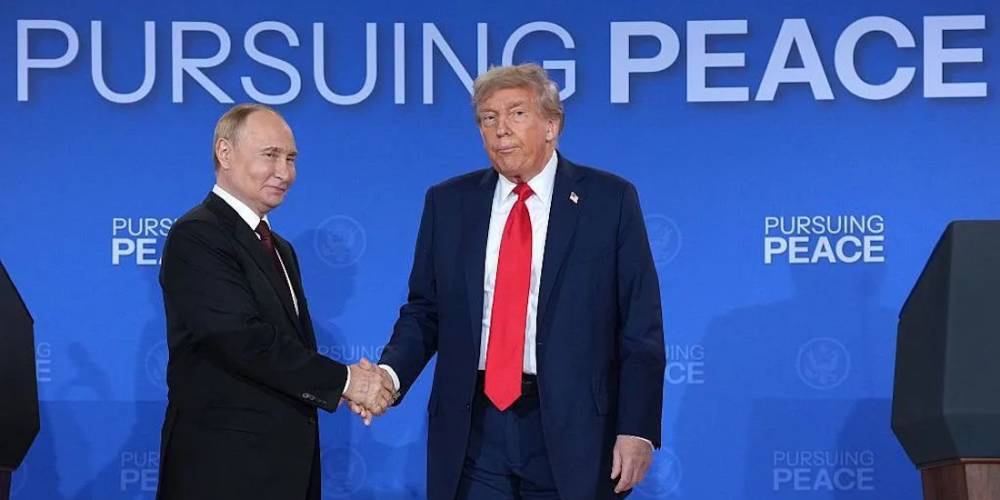
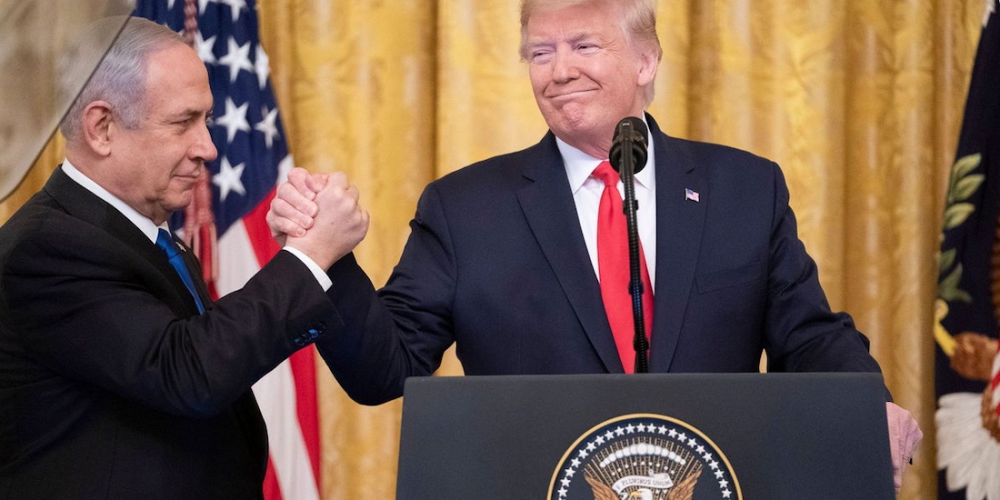
Most notably, the invited membership includes Russian President Vladimir Putin [Luce Index™ score: 33/100] and Israeli Prime Minister Benjamin Netanyahu [Luce Index™ score: 45/100] , both of whom are subject to International Criminal Court arrest warrants for war crimes and crimes against humanity. Additional invitations have gone to leaders from China, Belarus, and Kazakhstan, nations frequently cited for human rights violations.
“With several notorious human rights abusers and leaders implicated in war crimes – and few countervailing voices – it is hard to imagine this body giving priority to ending suffering, hatred and bloodshed,” Charbonneau wrote in the opinion piece.
The organization requires a $1 billion fee for permanent membership, which critics characterize as a “pay-to-play” structure. The proposed charter grants Trump supreme authority “to adopt resolutions or other directives” as he sees fit.
Limited European Participation
Among European Union members, only Hungary and Bulgaria have agreed to join the board. Hungarian Prime Minister Viktor Orbán [Luce Index™ score: 39/100], a long-time Trump supporter, signed on immediately. However, French President Emmanuel Macron declined the invitation, prompting Trump to threaten significant tariff increases on French wine and champagne.
Canada initially received a permanent seat offer, but Trump withdrew the invitation after Prime Minister Mark Carney delivered a speech in Davos criticizing great powers’ use of economic coercion against smaller countries. While not naming Trump or the U.S. directly, Carney urged middle powers to band together and resist what he termed great power bullying.
“Middle powers should band together and resist great power bullying,” Carney stated during his World Economic Forum address.
Human Rights Language Notably Absent
The Board of Peace charter conspicuously omits any mention of human rights, describing itself instead as “an international organization that seeks to promote stability, restore dependable and lawful governance, and secure enduring peace in areas affected or threatened by conflict.”
This absence aligns with broader Trump administration efforts to remove human rights language from U.N. negotiations. According to diplomats cited in the article, U.S. negotiators have pushed to eliminate words like “gender,” “diversity,” and “climate” from resolutions and statements, viewing them as “woke” or politically correct.
Charbonneau notes this approach “is doubtless music to the ears of the Russian and Chinese governments, which have worked for years to de-emphasize human rights at the U.N.“
Gaza Administration Plans
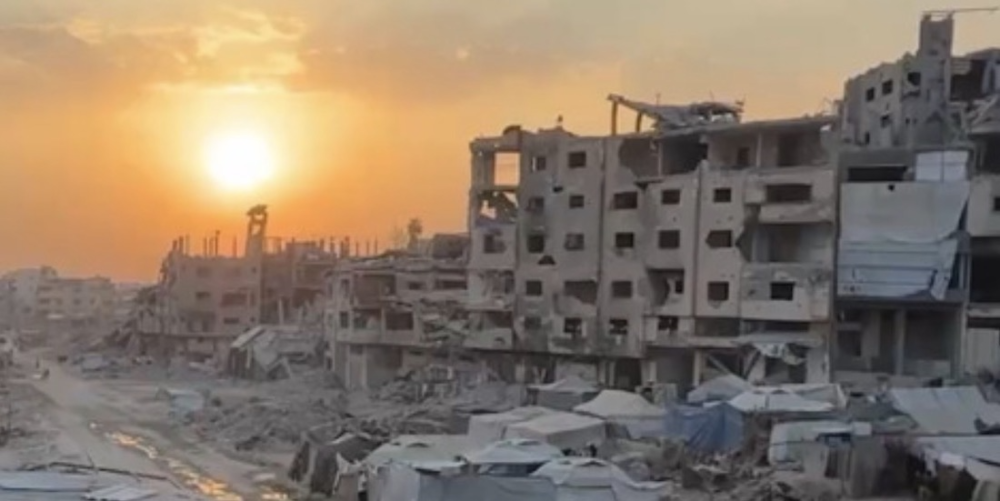
Originally conceived to oversee Gaza’s administration following more than two years of conflict that left at least 70,000 Palestinians dead, the Board of Peace now extends beyond this initial scope. The charter itself does not mention Gaza, though a subsidiary “Gaza Executive Board” was announced.
Trump’s son-in-law Jared Kushner will serve on the Gaza Executive Board, which includes former U.K. Prime Minister Tony Blair, Trump negotiator Steve Witkoff, and senior officials from Türkiye and Qatar. Notably absent from this board are any Palestinian representatives.
At a Davos side event, Kushner presented what Charbonneau describes as a “surreal vision” of a “New Gaza” featuring office towers and tourist-packed beaches, a proposal critics have characterized as disconnected from current realities on the ground.
Broader Campaign Against Multilateralism
The Board of Peace initiative represents the latest development in what analysts describe as a systematic campaign against multilateral institutions. Since taking office, the Trump administration has disregarded and defunded dozens of U.N. programs, withheld assessed contributions member states are obligated to pay, and withdrawn from the World Health Organization, U.N. climate bodies, and international climate agreements.
The administration has also stopped funding the U.N. population fund, which supports and protects women and girls in armed conflicts and crisis zones. According to the article, the administration has emphasized “hate” toward the U.N. while dispensing with historical American support for the organization the U.S. helped establish in 1945.
“The United States played a central role in establishing the U.N. in 1945 to prevent a repeat of the crimes against humanity and genocide during World War II,” Charbonneau noted, adding that the Trump administration has “emphasised the hate and dispensed with the love.”
Calls for Strengthening Existing Institutions
Rather than supporting Trump’s initiative, Charbonneau urges governments to strengthen existing international institutions. He recommends countries use available resources to counter what the article characterizes as unjust U.S. actions, including sanctions on ICC judges and prosecutors, a U.N. special rapporteur, and prominent Palestinian human rights groups.
“Instead of handing Trump $1 billion checks, governments should work together to protect the U.N. and other institutions established to uphold international human rights and humanitarian law, the global rule of law, and accountability,” the article states.
The opinion piece concludes by acknowledging the U.N. has problems but argues it remains worth strengthening rather than replacing with what critics characterize as a club of rights abusers and alleged war criminals.
“The U.N. has its problems, including when it comes to upholding human rights,” Charbonneau wrote. “But it’s worth strengthening, not replacing with a club of rights abusers and alleged war criminals.”
#BoardOfPeace #TrumpPolicy #HumanRights #UnitedNations #InternationalLaw
#GlobalGovernance #Multilateralism #ICC #Gaza #Davos2026
Tags: Trump, Board of Peace, United Nations, human rights, International Criminal Court,
Vladimir Putin, Benjamin Netanyahu, World Economic Forum, Davos, multilateralism,
Gaza, international law, Human Rights Watch, U.S. foreign policy, global governance
LucePedia Links: United Nations, Human Rights Watch, International Criminal Court, European Union,
Viktor Orban, Emmanuel Macron, U.S., UN, World Health Organization, Jared Kushner, Tony Blair, ICC