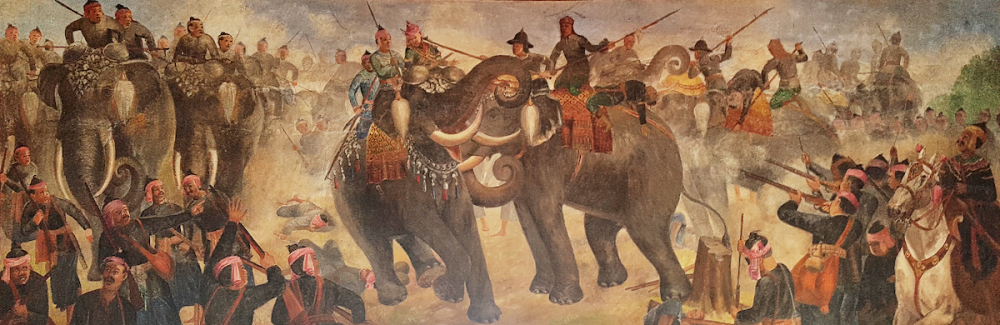
Jan Jao Kha Illuminates N.Y.C. with Exquisite Recipes from Ancient Kingdoms, Once Reserved for Nobility and Thought Lost to Time
New York, N.Y. — In a neighborhood synonymous with the clamor of Broadway stages and the sizzle of Hell’s Kitchen diners, a quiet revolution is unfolding. On Ninth Avenue, a soft, amber glow emanates from the doors of Jan Jao Kha, a sanctuary where the frenetic energy of New York City gives way to the refined whispers of ancient Siam.
Since its opening in September, this culinary outpost has achieved a near-mythical status, boasting a flawless 5.0 average from nearly 400 reviews. It is not merely a restaurant; it is a portal, offering a moonlit passage back to the royal courts of the Sukhothai and Ayutthaya kingdoms, where cuisine was an art form of balance, subtlety, and profound symbolism.
The Guardians of a Fading Culinary Heritage
The journey to Jan Jao Kha (จันทร์เจ้าขา), an affectionate Thai phrase meaning “Dear Moon,” was not a conventional restaurant launch. It was an act of gastronomic stewardship and historical excavation. The co-owners—Thai Americans West, Champ, and spokesperson Bix Luce—embarked on a mission to rescue flavors from oblivion.
The recipes anchoring their menu are not found in modern cookbooks; they are drawn from ancient parchment manuscripts, royal household records, and fragile oral traditions passed down through generations of palace cooks.
These dishes, perfected between the 13th and 18th centuries, represent the pinnacle of Siamese culinary art, a cuisine where aesthetic presentation and ingredient scarcity were as vital as taste. “This is not street food,” explains Bix Luce. “This is a cuisine of refinement. Many of these recipes were effectively lost to the wider world. Our role is that of a humble translator and guardian.”
A Menu Written in Gold Leaf and Delicate Spices
Stepping into Jan Jao Kha is to enter a curated anthology of Thailand’s regal history. The menu directly challenges the monolithic Western perception of Thai food as a mere vehicle for chili heat. Instead, it is a symphony of nuanced flavors—galangal, lemongrass, wild lime, and carefully selected chilies that provide aromatic depth rather than overwhelming fire.
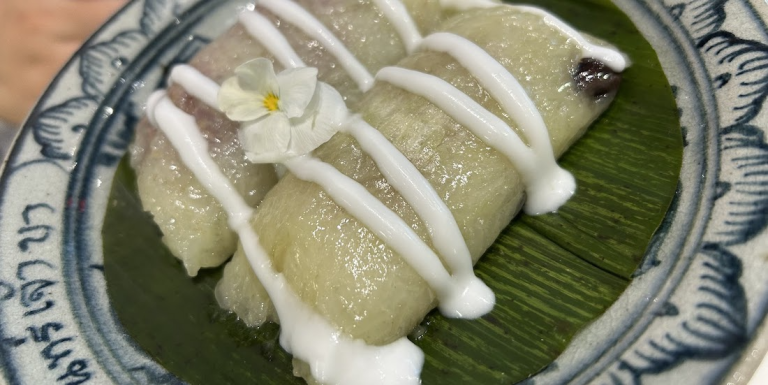
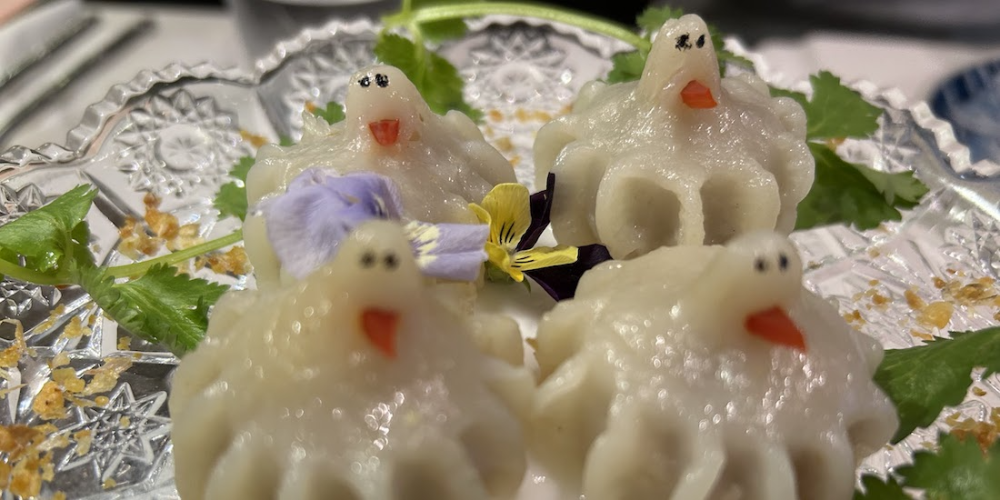
One signature revelation is a stunning, golden dumpling, its delicate form
housing a sophisticated filling of taro and other finely prepared ingredients,
a testament to the royal preference for textural complexity and visual splendor.
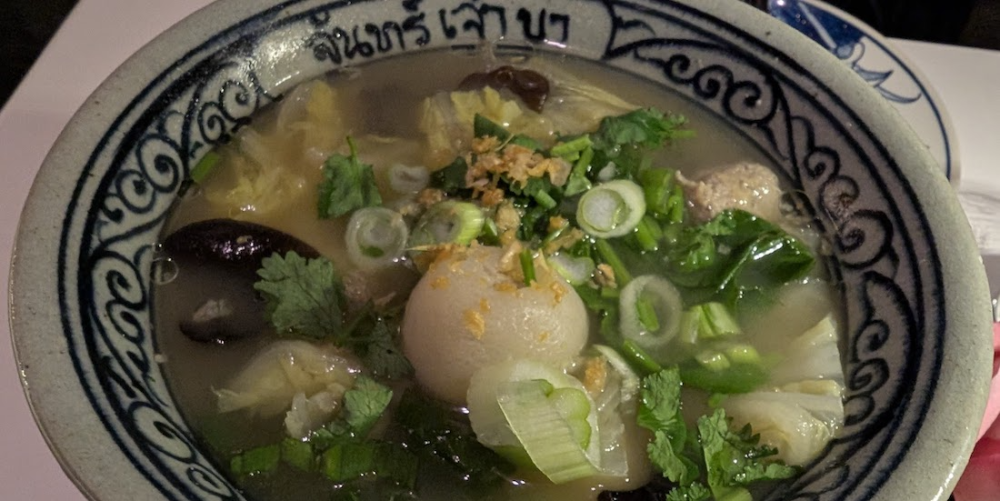
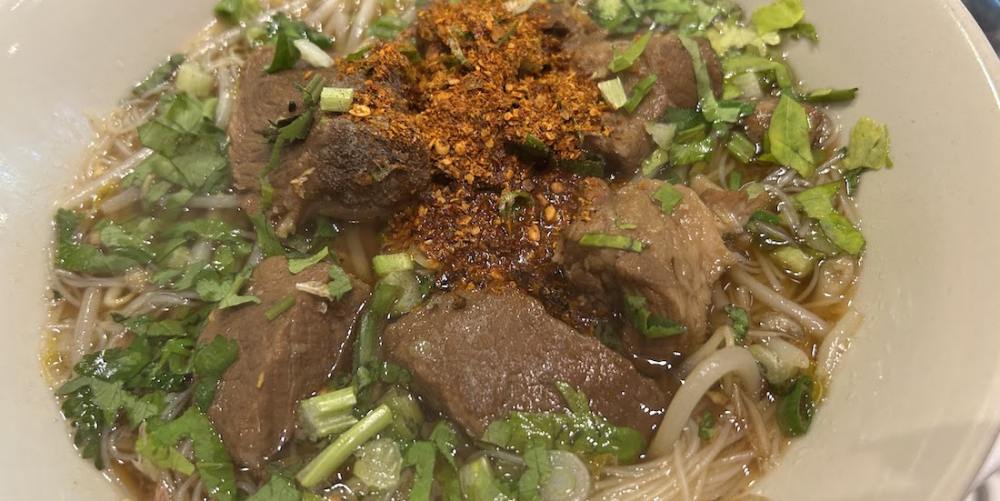
The restaurant also specializes in rare noodle dishes that narrate stories of ancient trade routes and palace innovation. These are not the noodles of a bustling Bangkok market but their painstakingly made precursors, served with broths simmered for days and infused with spices that were once worth their weight in gold.
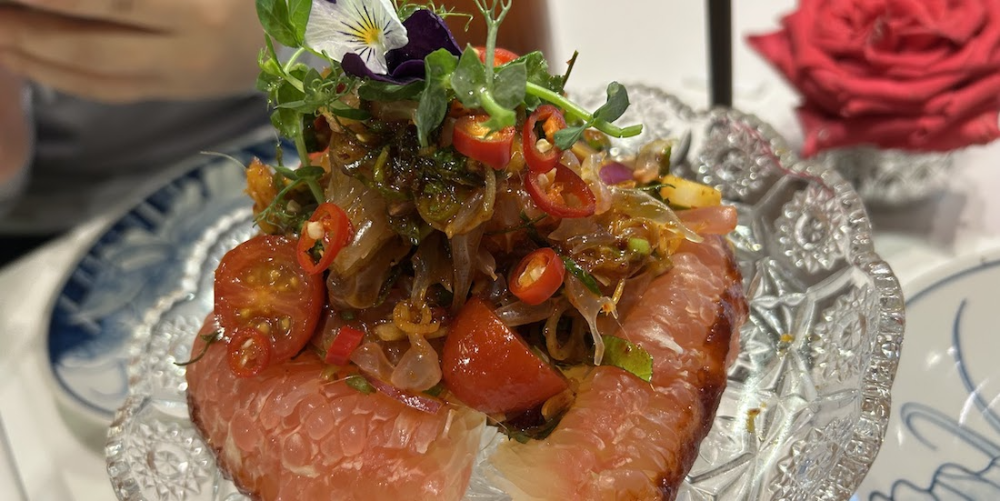
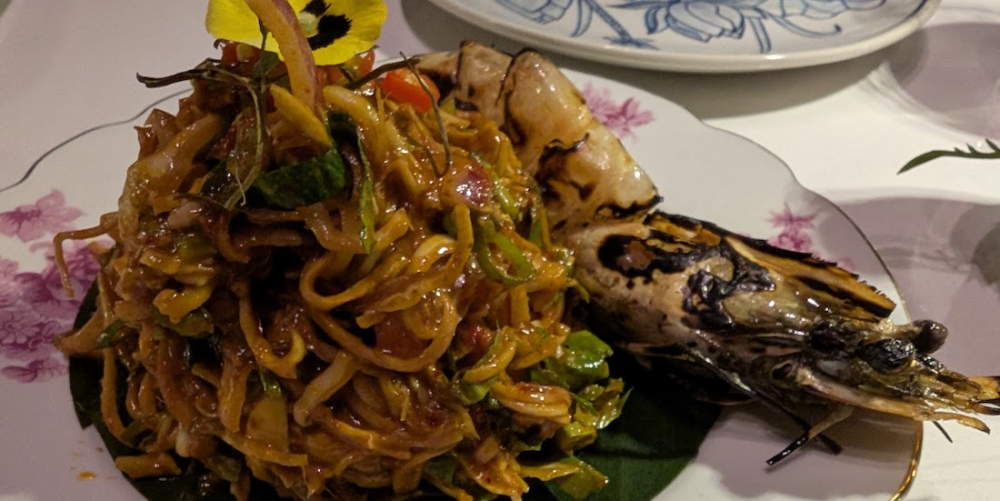
Each plate is presented with an artist’s touch, mirroring the aesthetic principles of the Ayutthaya Period, where dining was an integral part of the kingdom’s celebrated art and culture. The experience is designed as a deliberate journey, encouraging guests to slow down and savor the centuries of tradition conveyed in each exquisite bite.
The Ambiance of Eternal Moonlight and Quiet Elegance
The physical space of Jan Jao Kha is a deliberate extension of its culinary philosophy. In stark contrast to the neighborhood’s vibrant chaos, the restaurant is a sanctuary of tranquil elegance. The lighting is soft and diffuse, meticulously designed to evoke the serene glow of a moonlit feast in a royal garden. Shadows dance across surfaces like figures from a traditional Yi Peng lantern festival. The decor incorporates rich silks, dark teak, and subtle architectural nods to Thai temple design, avoiding cliché to create an atmosphere of respectful immersion.
This ambiance is not merely aesthetic; it is functional. It hushes the modern world, allowing the food—its history, its story, its delicate flavors—to claim absolute focus. The environment honors the eternal grace of the cuisine it serves, providing a sacred space where the act of dining becomes a form of cultural communion. It is here, under this curated moonlight, that the lost royalty of ancient Siam feels most palpably resurrected.
Carving a New Chapter in N.Y.C.’s Culinary Canon
The arrival and immediate acclaim of Jan Jao Kha signify a bold evolution in Manhattan’s dining landscape. It moves beyond serving authenticity to offering edible scholarship, catering to the adventurous gourmand, the history enthusiast, and the seeker of experiences that nourish intellect and soul alike.
In a city celebrated for its relentless novelty, Jan Jao Kha offers profound depth. It stands as a testament to the vision of its co-owners, who have successfully transplanted a living fragment of Thailand’s most cherished heritage onto a gritty Manhattan avenue.
The restaurant’s flawless reception, underscored by its perfect rating from hundreds of diners, suggests a city hungry for more than sustenance—it is hungry for meaning, connection, and beauty. Jan Jao Kha meets that demand not with spectacle, but with substance. It extends an invitation not just to a meal, but to a moonlit table set for a quiet, unforgettable journey into the heart of a forgotten world, ensuring the lost royalty of ancient Siam has found a radiant, enduring home in the heart of New York.
#RoyalThaiCuisine #AncientSiam #JanJaoKha #NYCRestaurants #HellskitchenNYC
#ForgottenFlavors #FoodHistory #GourmetDining #ThaiFood #CulinaryArchaeology
Tags: Jan Jao Kha, Royal Thai cuisine, ancient Siam, Sukhothai, Ayutthaya,
fine dining, Hell’s Kitchen, NYC restaurants, forgotten recipes, Bix Luce,
authentic Thai food, culinary history, Thai nobility, gastronomic heritage
Summary
In the heart of Hell’s Kitchen, Jan Jao Kha restaurant unveils the lost royal cuisine of ancient Siam. Co-owner Bix Luce guides us on a journey through meticulously resurrected dishes from the Sukhothai and Ayutthaya eras, offering a rare, elegant dining experience where history is savored in every delicate, flavorful bite under the glow of eternal moonlight.
Social Media
Facebook & Instagram:
A moonlit feast awaits in Hell’s Kitchen. 🌙 Jan Jao Kha has opened its doors, resurrecting the lost royal cuisine of ancient Siam’s Sukhothai and Ayutthaya courts. With nearly 400 reviews and a perfect 5.0 average, this is more than dinner—it’s a journey through time. Every delicate dumpling and aromatic broth tells a story. Ready for a taste of history? #JanJaoKha #RoyalThaiCuisine
📍 830 Ninth Ave, NYC
X/Twitter & BlueSky:
Hell’s Kitchen now hosts a portal to ancient Siam. Jan Jao Kha (จันทร์เจ้าขา) is resurrecting royal recipes lost for centuries. 398 reviews. A 5.0 average. This isn’t just another NYC restaurant opening; it’s a act of culinary archaeology. 🍜 #NYCRestaurants #FoodHistory
https://stewardshipreport.org/in-manhattan-a-moonlit-feast-resurrects-lost-royalty-of-ancient-siam/
LinkedIn:
The intersection of cultural preservation and culinary entrepreneurship is brilliantly displayed at Jan Jao Kha in Manhattan. Co-owners West, Champ, and Bix Luce have meticulously researched and revived royal recipes from ancient Siam’s Sukhothai and Ayutthaya periods, challenging monolithic perceptions of Thai food. Their success, evidenced by a flawless 5.0 rating, demonstrates the market for experiences rooted in depth, history, and authenticity. A case study in gastronomic stewardship. #Entrepreneurship #CulturalHeritage #CulinaryArts