By John Laing, Editor
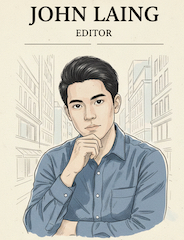
New York, N.Y. – Iran’s streets are convulsed by a brutal state crackdown that eyewitnesses describe as a campaign of fear, mass arrests, and deadly force aimed at crushing a new protest wave. Human rights advocates warn that without swift international pressure, the number of protesters killed or condemned to death could climb sharply in the coming days.
A city under siege and a voice from the blackout
The New York Post published the account of a young person in Tehran who managed to send messages during a brief break in Iran’s near-total media blackout.
The witness, whose identity is concealed for safety, portrays a city where armored vehicles patrol neighborhoods, internet service vanishes without warning, and residents “count the gunshots” at night to guess the size of the crackdown.
According to this account, security forces sweep through apartment blocks searching for suspected demonstrators, dragging people away while families watch helplessly from doorways and stairwells. The witness reports that residents stash phones and SIM cards in flour bins or under floor tiles, fearing surprise inspections that can lead to arrest simply for having protest footage or foreign news on a device.
Protest movement faces deadly new phase
The latest unrest erupted over Iran’s deepening economic crisis, but quickly expanded into broader demands for political change, echoing previous protest waves against the Islamic Republic. Rights groups say more than 500 people have been killed nationwide in just two weeks, with over 10,000 detained as security forces label demonstrators “rioters” and use live ammunition to clear streets.
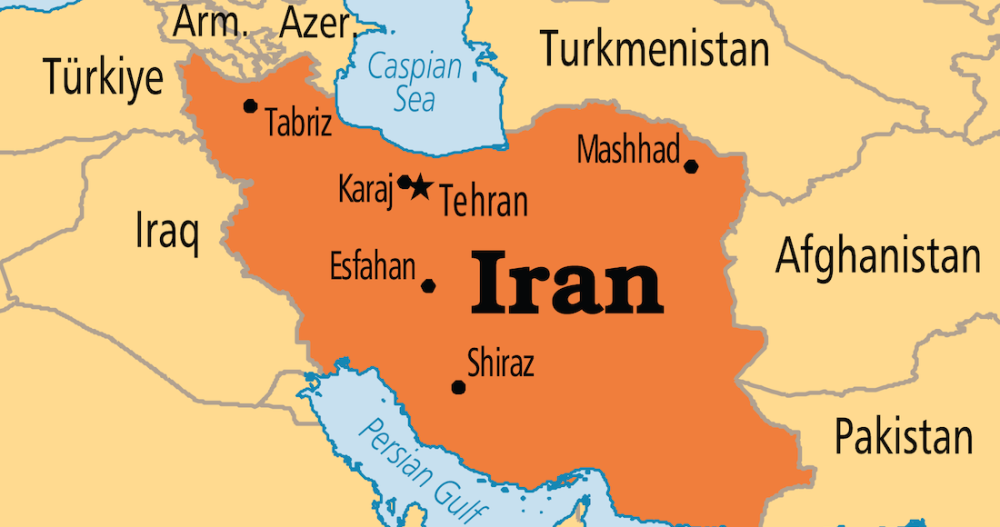
One of the most chilling cases involves Erfan Soltani, a 26‑year‑old reportedly facing imminent execution after being arrested during protests in the city of Karaj. Iran Human Rights and the National Union for Democracy in Iran say Soltani’s family learned that he was sentenced to death on charges of “waging war against God,” a capital offense often used against political opponents.
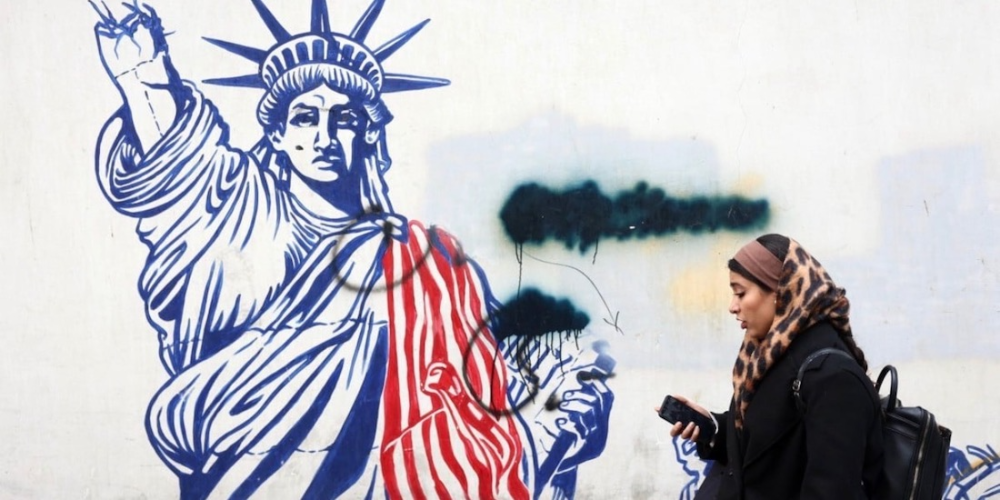
Inside Iran’s machinery of fear
In the Tehran account, the witness says plainclothes agents and Revolutionary Guard units use motorcycles to swarm protest hotspots, boxing in crowds before firing tear gas and live rounds. Hospitals are allegedly pressured to falsify cause‑of‑death records, while some wounded protesters avoid clinics altogether for fear of being arrested from their beds.
Detainees are reportedly crammed into overcrowded facilities where interrogators use beatings, electric shocks, and threats of execution, demanding that prisoners confess to foreign plots or name fellow demonstrators. Families line up outside prisons, clutching identification papers and photographs, begging for news of relatives who vanished after a march or a late‑night raid.
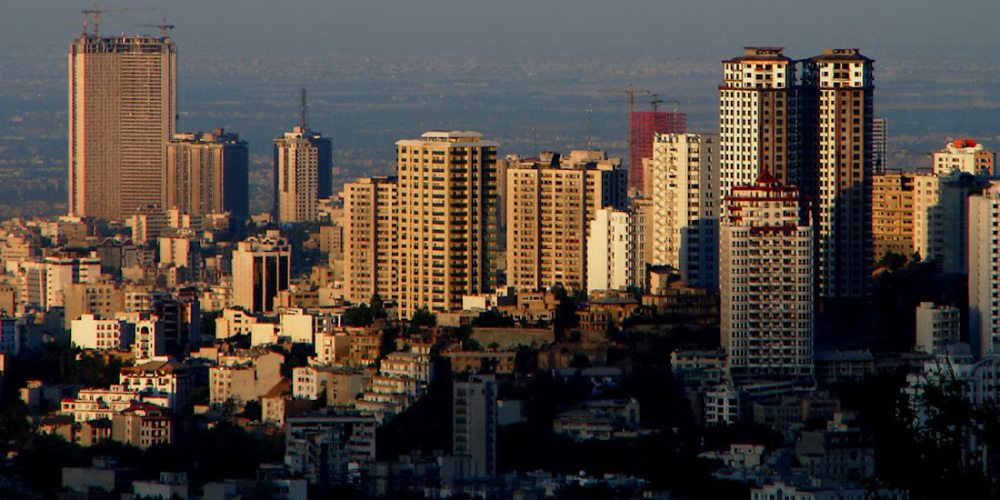
International alarm grows over looming executions
Mahmood Amiry‑Moghaddam, director of Iran Human Rights, warns that authorities may carry out multiple executions to send a message that street dissent will be punished with death. He argues that under the Responsibility to Protect doctrine, the global community has an obligation to act to prevent mass killings of civilians by Iran’s security forces.
In Washington, President Donald Trump has publicly warned Tehran that any mass violence against protesters will trigger a military response from the United States. The White House says options under review range from expanded sanctions and diplomatic isolation to targeted strikes, though officials emphasize that diplomacy remains the preferred path.
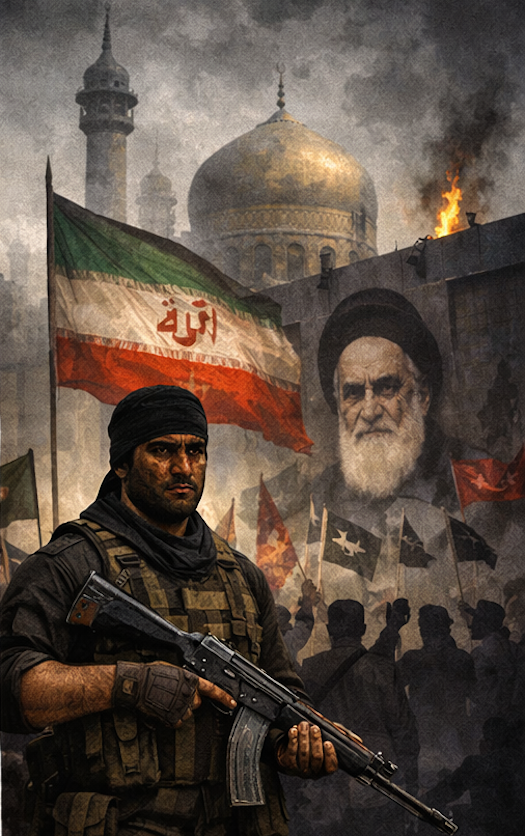
Tehran vows defiance as pressure mounts
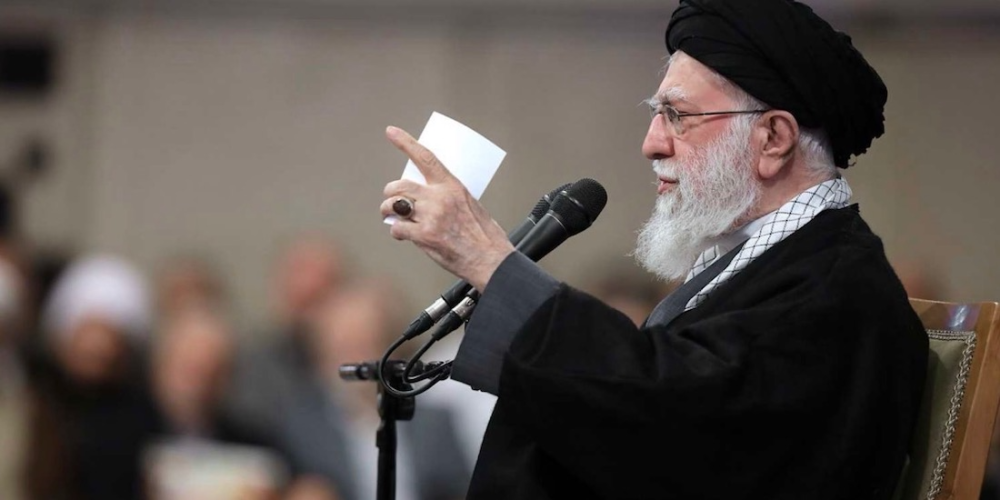
Iran’s leaders insist they are confronting foreign‑backed unrest and vow to retaliate against any U.S. attack, saying the country is “fully prepared for war.”
Foreign Minister Abbas Araghchi has threatened that U.S. forces across the region would be targeted if Washington carries out military action, portraying the protests as part of a broader confrontation with Western powers
Yet the Tehran eyewitness suggests that such rhetoric rings hollow on the streets, where many residents blame ruling authorities, not outside powers, for economic collapse and political repression.
Despite the risk, the witness says people still chant from windows at night and share protest videos whenever internet access briefly returns, insisting that “fear cannot last forever.
Why this crackdown matters beyond Iran
Analysts warn that a violent showdown in Iran could destabilize an already volatile region, threatening energy markets and drawing in global powers with competing interests.
A large‑scale U.S.–Iran conflict could endanger shipping in the Persian Gulf, disrupt oil exports, and spark proxy clashes from Iraq to Lebanon.
Human rights advocates argue that the crisis also tests whether international institutions can meaningfully respond when an entrenched regime uses lethal force and capital punishment to silence a domestic protest movement.
They urge governments, multilateral bodies, and civil society networks to amplify Iranian voices, support documentation of abuses, and press for access by independent investigators.
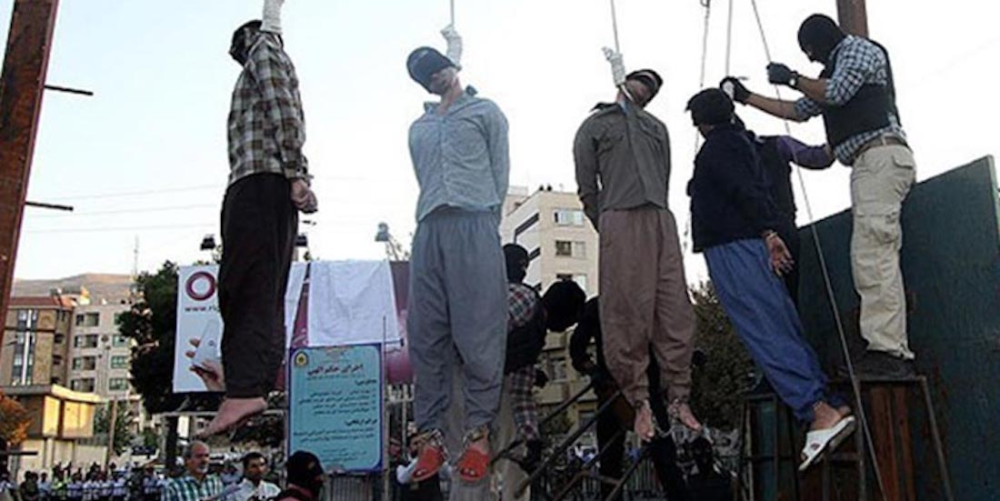
A plea from inside a shuttered nation
In the Post account, the Tehran witness closes with a message aimed at audiences abroad, saying the greatest fear is not death, but being forgotten behind the blackout. The witness asks readers to keep sharing reports about the crackdown, arguing that international attention is one of the few protections protesters still believe they have.
For now, the fate of detainees like Soltani and thousands of unnamed protesters hangs in the balance as Iran’s rulers weigh whether to dial back or double down on repression. The witness’s words suggest that even if executions proceed, the demand for freedom will survive in whispered conversations, secret networks, and the determination of people who refuse to accept that this crackdown is the final word.