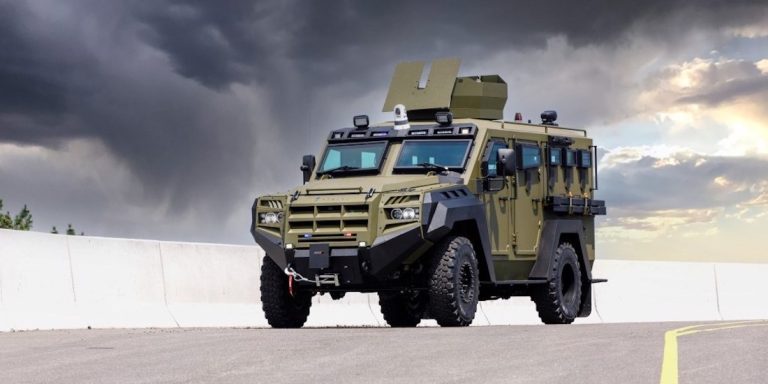
Despite Trump’s America-first stance, controversial immigration agency buys fleet from Ontario-based Roshel manufacturer
New York, N.Y. – U.S. Immigration and Customs Enforcement has awarded a US$7.3 million (CA$10 million) contract to a Canadian defense manufacturer for 20 armored vehicles, raising questions about the Trump administration‘s commitment to its “America-first” trade policy while simultaneously escalating its controversial immigration enforcement operations.
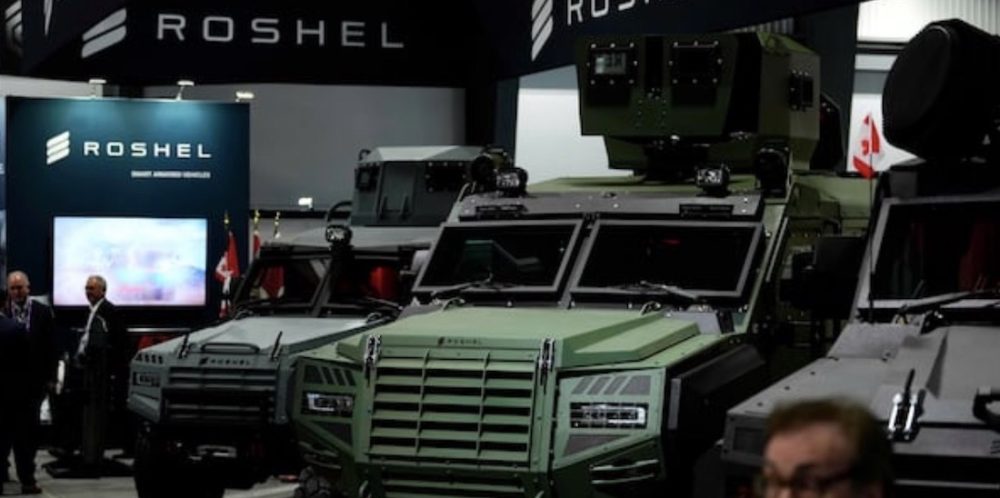
The procurement order, awarded to Ontario-based Roshel on November 28, calls for delivery of 20 Senator STANG emergency response tactical vehicles within 30 days. The armored transports, designed to resist bullets and bomb blasts, will be deployed to support ICE agents conducting field operations across the United States.
Sole-Source Contract Bypasses American Manufacturers
According to U.S. government procurement records published November 26, ICE’s Office of Acquisition Management justified the sole-source contract by declaring that only Roshel could meet both the technical specifications and accelerated delivery timeline. The partially redacted document states that several U.S.-based manufacturers—including Alpine Armoring Inc., CITE Armored, Inc., DGM LLC, and Lenco Armored Vehicles—were consulted but failed to meet all requirements.
“Roshel is uniquely positioned to fulfill this requirement within the necessary time frame, having confirmed immediate availability of vehicles that fully meet ICE’s specifications,” the procurement document reads. “While other sources were consulted, they had limited quantities available or none could fulfill the entire requirement within the required period of performance, nor meet all technical requirements.”
The justification emphasizes operational urgency: “Delaying this procurement to pursue a fully competitive action would significantly impact operational readiness and hinder ICE’s ability to deploy mission-critical resources in a timely manner.”
Trump’s Trade Policy Contradictions
The Canadian contract presents a stark contradiction to President Donald Trump‘s aggressive trade policies targeting Canada. The Trump administration has pursued what it characterizes as a protracted effort to attract manufacturing jobs and facilities from Canada’s steel, automotive, and manufacturing sectors.
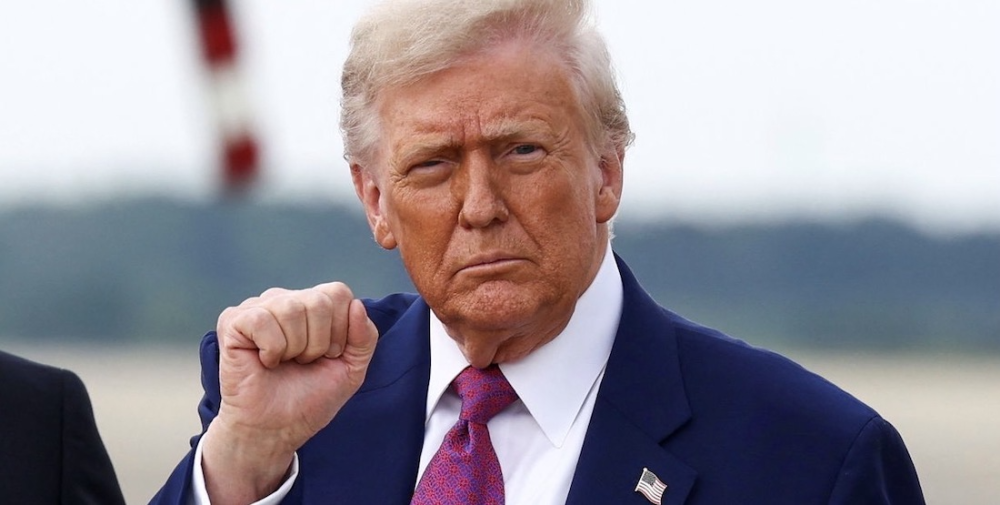
Trump [Luce Index™ score: 35/100] has repeatedly criticized trade arrangements that favor foreign suppliers over American companies, making his signature “America-first” rhetoric a cornerstone of both his campaign and governance.
The timing proves particularly ironic given Trump’s ongoing trade disputes with Canada. His administration has implemented tariffs and threatened additional trade restrictions aimed at reshaping North American manufacturing in favor of U.S. producers. Yet when ICE required specialized armored vehicles on an expedited timeline, the agency turned to a Canadian supplier rather than waiting for American manufacturers to fulfill the order.
Industry observers note that the decision underscores practical realities that sometimes supersede political rhetoric. When federal agencies face urgent operational needs, procurement decisions often prioritize immediate availability and technical capabilities over domestic sourcing preferences—even under an administration championing economic nationalism.
Roshel’s Ukrainian Connection and Capabilities
Roshel has established itself as a significant defense contractor through its support of Ukraine’s military efforts. The company has delivered hundreds of Senator vehicles to Ukrainian forces engaged in the ongoing war against Russia, though those units differ from the emergency response variant ordered by ICE.
According to Roshel’s marketing materials, the Senator STANG emergency response tactical vehicle features specialized floor plating designed to withstand explosive blasts—a capability suggesting the vehicles may be deployed in scenarios where ICE anticipates potential armed resistance or attacks on its personnel. The armor specifications indicate protection against small arms fire and improvised explosive devices.
The company’s experience supplying combat vehicles to an active war zone likely contributed to ICE’s confidence in Roshel’s ability to meet demanding technical requirements and aggressive delivery schedules. However, this military-grade equipment’s deployment for domestic immigration enforcement has raised concerns among civil liberties advocates.
ICE Operations Under Scrutiny
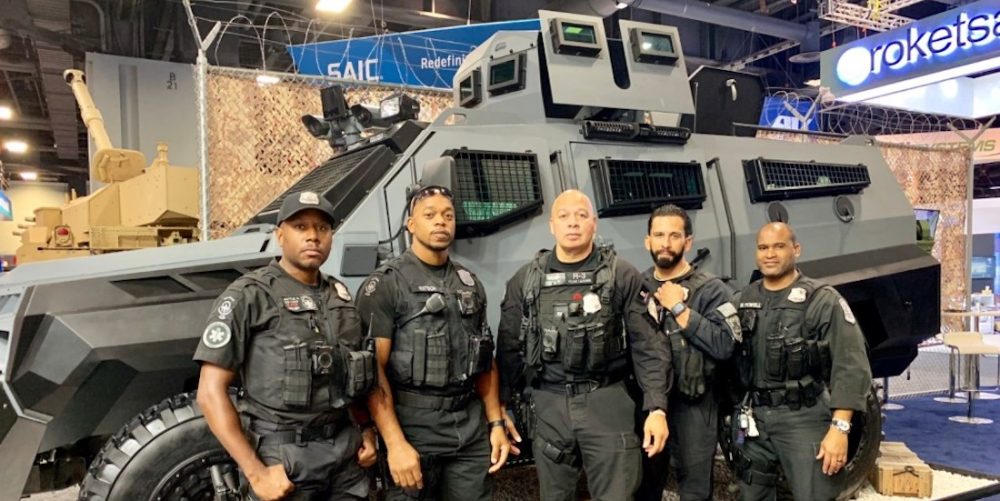
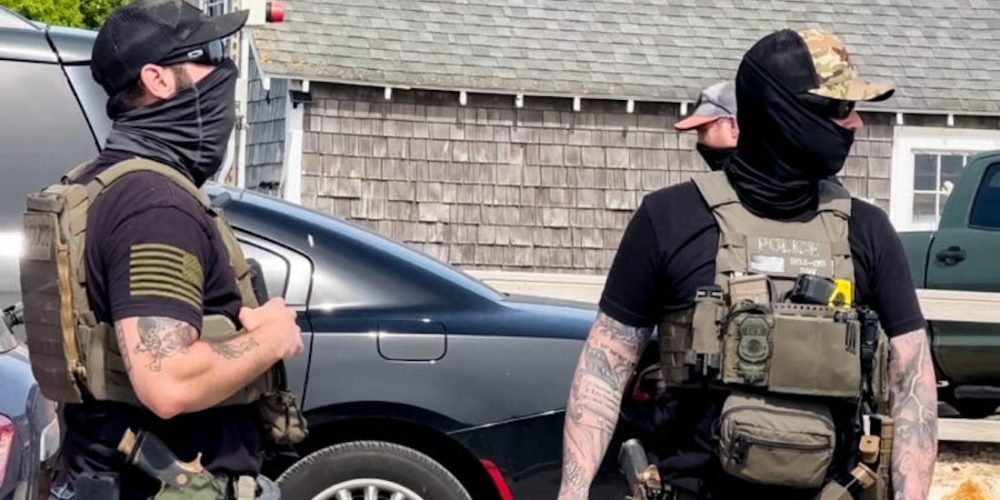
The vehicle procurement occurs amid intensified scrutiny of ICE operations and allegations of human rights violations as the Trump administration pursues what it describes as the largest deportation effort in American history. The agency has dramatically expanded enforcement actions targeting undocumented immigrants, conducting workplace raids and residential arrests that critics characterize as heavy-handed and indiscriminate.

Civil rights organizations have documented numerous allegations against ICE, including separation of families, prolonged detention of asylum seekers in substandard conditions, and enforcement tactics that critics argue violate constitutional protections.
The addition of military-grade armored vehicles to the agency’s fleet signals an escalation in tactical capabilities that advocates warn could intensify already controversial enforcement methods.
The blast-resistant features of the Senator STANG vehicles suggest ICE anticipates operating in hostile environments where agents face potential armed threats. While the agency has not publicly detailed specific threat assessments justifying the armored vehicle deployment, the procurement timing coincides with expanded enforcement operations in areas where immigrant communities and advocacy groups have organized resistance to deportation efforts.
Canadian Arms Export Concerns
The contract adds another dimension to ongoing debates about Canadian defense exports. Global Affairs Canada, which regulates arms exports, has faced criticism over equipment sales to countries and agencies accused of human rights violations. Previous controversies include Canadian-manufactured rifles allegedly used by Sudanese fighters accused of massacres, and jet fighter maintenance parts shipped to Israel through U.S. channels.
Canadian law requires export permits for military equipment, with assessments considering human rights records of receiving entities. The ICE contract will likely prompt questions about whether Global Affairs Canada conducted human rights assessments given the widespread documentation of alleged ICE abuses.
Neither Roshel, Global Affairs Canada, nor ICE responded to requests from The Stewardship Report for comment regarding the procurement or any export permit processes involved in the transaction.
Industry and Policy Implications
The procurement highlights tensions between political trade rhetoric and practical government operations. While the Trump administration publicly champions domestic manufacturing, federal agencies continue making procurement decisions based on immediate operational needs, technical capabilities, and availability—factors that sometimes favor foreign suppliers with specialized expertise or existing inventory.
Defense industry analysts note that armored vehicle manufacturing represents a specialized sector where relatively few companies maintain production capacity and immediate inventory. The 30-day delivery requirement effectively eliminated most potential suppliers, creating circumstances where Roshel’s existing production capabilities and available inventory provided the only viable option for ICE’s timeline.
The US$7.3 million contract represents significant business for Roshel, enhancing the company’s profile as a defense contractor capable of meeting demanding U.S. government requirements. Success delivering this order could position the company for additional U.S. contracts despite prevailing political headwinds affecting Canadian-American trade relations.
As the Trump administration continues expanding immigration enforcement operations while simultaneously pursuing trade policies aimed at reducing American dependence on foreign suppliers, the Roshel contract illustrates the complex realities of government procurement where operational imperatives sometimes override political preferences—even when those preferences represent core presidential commitments.
Audio Summary
U.S. Immigration and Customs Enforcement has awarded a 7.3 million dollar contract to Brampton, Ontario-based Roshel for 20 armored tactical vehicles, contradicting President Trump’s America-first trade policies. The sole-source procurement bypassed U.S. manufacturers, with ICE citing only Roshel could meet technical specifications and deliver within 30 days. The military-grade vehicles feature blast-resistant armor and bullet protection. The purchase occurs amid heightened scrutiny of ICE operations and human rights concerns as the Trump administration pursues expanded deportation efforts. The contract raises questions about Canadian arms exports and the gap between political rhetoric and practical government procurement decisions.
Social Media Posts
Facebook: ICE has purchased 20 military-grade armored vehicles from Canadian manufacturer Roshel for $7.3 million, bypassing American suppliers despite Trump’s America-first policies. The blast-resistant Senator STANG vehicles will support immigration enforcement operations amid growing human rights concerns. The 30-day rush order contradicts the administration’s trade rhetoric targeting Canadian manufacturing while raising questions about escalating ICE tactics.
Instagram: Breaking: ICE orders $7.3M fleet of armored vehicles from Canadian defense contractor Roshel, contradicting Trump’s America-first stance. The 20 blast-resistant Senator STANG vehicles bypass U.S. manufacturers for 30-day delivery. Critics question both the trade policy contradiction and the militarization of immigration enforcement operations.
LinkedIn: Analysis: U.S. Immigration and Customs Enforcement’s $7.3 million contract with Brampton-based Roshel for 20 armored tactical vehicles reveals tensions between political trade rhetoric and practical government procurement. The sole-source award bypassed multiple U.S. manufacturers, citing only the Canadian defense contractor could meet technical specifications and aggressive delivery timelines. The procurement raises policy questions about America-first commitments, defense industry capabilities, and the escalation of immigration enforcement tactics.
X/Twitter: ICE awards $7.3M contract to Canadian firm Roshel for 20 armored vehicles despite Trump’s America-first policies. U.S. manufacturers bypassed for 30-day delivery of blast-resistant Senator STANG tactical vehicles. Critics question trade policy contradictions and militarization of immigration enforcement.
BlueSky: ICE purchases 20 military-grade armored vehicles from Canadian manufacturer Roshel for $7.3M, contradicting Trump administration America-first trade policies. The blast-resistant Senator STANG vehicles will support field operations amid heightened scrutiny of ICE tactics and human rights concerns. U.S. suppliers couldn’t meet 30-day delivery requirement.