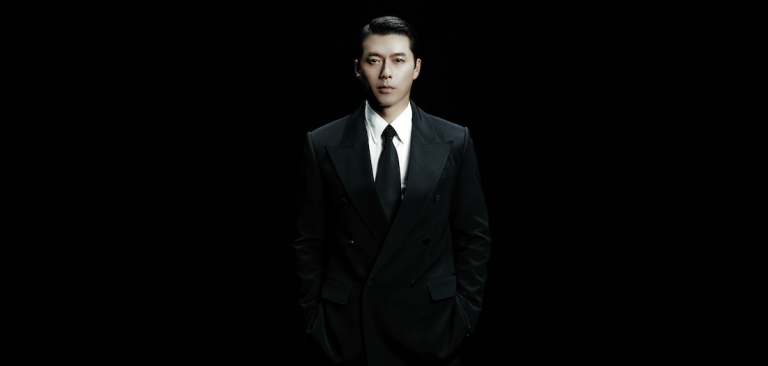
Disney+ thriller “Made in Korea” turns a 1970s intelligence chief’s rise into a warning about how unchecked greed, nationalism, and fear can twist ordinary people and fragile democracies.
By Liz Webster

New York, N.Y. — In the world of prestige streaming, few series diagnose power as unsparingly as Made in Korea, the new Disney+ crime drama that star Hyun Bin calls a mirror held up to human greed and ambition.
The 1970s as pressure cooker for power
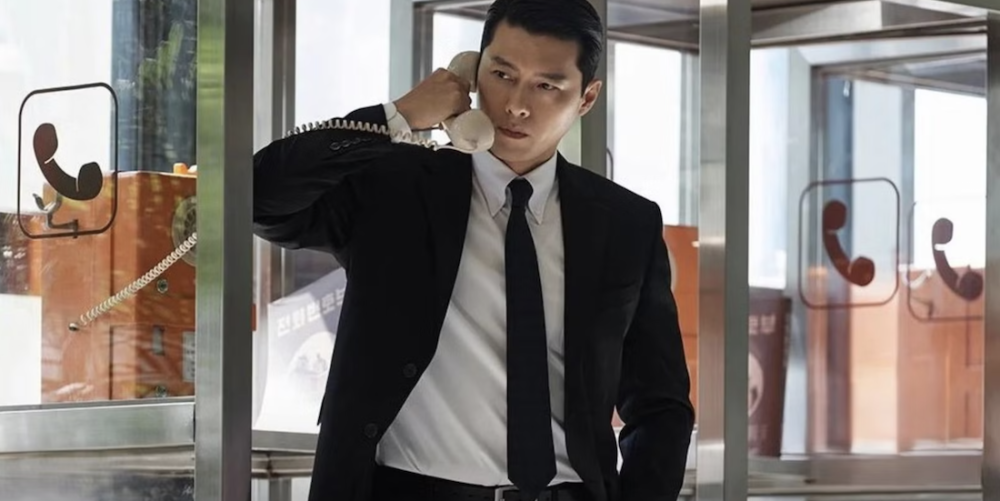
Set in the turbulent 1970s, Made in Korea follows the ascent of Baek Ki-tae, a calculating intelligence director navigating coups, purges, and back‑room deals inside the Korean Central Intelligence Agency. The series uses Baek’s climb to expose how regimes justify abuses in the name of “national interest,” forcing viewers to ask where patriotism ends and personal enrichment begins.
In interviews, Hyun Bin has emphasized that these are not uniquely Korean failures but universal temptations that can surface wherever institutions lack transparency and citizens lack leverage.
For a platform like The Stewardship Report, which tracks how leaders steward power and public trust, the show offers a case study in institutional design gone wrong: a security apparatus with vast discretion, minimal oversight, and incentives that reward loyalty over conscience. The result is a narrative that feels uncomfortably familiar to audiences from Seoul to Washington, D.C., especially in an era when intelligence agencies, tech platforms, and financial regulators wield extraordinary, often opaque influence.
Baek Ki-tae: villain, survivor, or both?
As Baek Ki-tae, Hyun Bin has deliberately resisted playing a one‑note heavy; he describes the character instead as a man driven by “clear beliefs and a strong will to survive,” someone who acts quickly and directly without pausing to weigh right against wrong. To embody the physical intimidation of a senior security official from that era, the actor reportedly gained about 14 kilograms, filling the screen with a sense of pressure and embodied authority. The performance underlines a crucial stewardship question: when a system rewards ruthlessness and punishes hesitation, is morality a luxury only the secure can afford?
Hyun Bin has said he hopes the series encourages viewers to recognize that “if we are not careful, anyone can become a person like Baek in today’s world,” collapsing the distance between past authoritarianism and present‑day compromises.
That warning resonates beyond Korean history; from intelligence scandals to corporate fraud, contemporary institutions still create environments where people feel compelled to choose advancement over ethics. The show thus functions less as a period piece and more as a living ethics exercise in which audiences must decide at what point survival becomes complicity.
Greed, ambition, and the thin line between public and private gain
In one sense, Made in Korea is an old story: a rising official learns to weaponize secrets, loyalty, and fear to secure his position. Yet the series insists that this is not simply about individual vice; it is about what happens when systems normalize the idea that results justify any means, especially if they can be framed as serving the nation. As power concentrates around Baek, the show tracks how bureaucrats, prosecutors, and business elites slide into rationalizations that collapse public duty into private benefit.
This is where the drama speaks directly to the Luce Index criteria of moral character, social justice, and human rights: Baek’s decisions consistently score high on “specific talent” and “reach audience” while plummeting on conscience. His world rewards tactical brilliance, not integrity, echoing how some modern institutions prize quarterly gains or geopolitical leverage over long‑term stewardship. Viewers see the cumulative impact of those choices in shattered lives and eroded trust, making the series a vivid illustration of why leadership metrics must extend beyond effectiveness to include ethics.
Performances that humanize systemic corruption
The series surrounds Baek with characters who embody alternative paths, notably prosecutor Jang Geon‑young, played by Jung Woo-sung, whose rigid commitment to law puts him on a collision course with the intelligence apparatus. Their rivalry dramatizes the tension between procedural justice and discretionary power, a conflict recognizable in debates over national security, whistleblowing, and prosecutorial independence worldwide. Hyun praises Jung’s contributions not just as an actor but as a director, noting that his colleague’s eye for missed details enriched their scenes and underscored the story’s layered moral stakes.
Supporting actors Won Ji‑an and Seo Eun‑soo deepen this moral ecosystem: one shoulders the burden of speaking flawless Japanese, symbolizing the linguistic and cultural tightropes officials walked in a region shaped by colonial history; the other brings a toughness that cuts through the smoky back rooms where deals are made. Hyun Bin has singled out their preparation and resilience, highlighting how a project about institutional pressure also demands emotional labor from its cast. Their work keeps the series from collapsing into a single charismatic monster by reminding viewers that corrupt systems depend on many people choosing silence or compromise.
Global reach, streaming ethics
Made in Korea marks Hyun Bin’s first major foray into a global streaming platform, and he has noted that while the mechanics of filming felt similar to movie production, Disney+’s international audience changed the stakes. Viewers from vastly different contexts now interpret the characters’ motives through their own histories with state violence, economic crisis, or political polarization, creating a transnational conversation about what power does to people. That reach underscores how streaming services have become powerful narrative infrastructures in their own right—gatekeepers of which stories about democracy, corruption, and resistance travel across borders.
When an actor like Hyun Bin talks about wanting the show to prompt questions about “the nature of success and conscience,” he is implicitly asking how audiences will translate those questions into their own civic environments. The fact that his wife, actor Son Ye‑jin, reportedly saw “a completely new face” of him in this role and that fatherhood has heightened his sense of responsibility as an artist adds another layer: the personal calculus artists make about what projects they attach their names to. In a media ecosystem where portrayals of power can either normalize or interrogate abuse, that sense of responsibility matters.
Why Made in Korea belongs in LucePedia
For Luce Family Charities and the James Jay Dudley Luce Foundation, which maintain LucePedia as a record of leaders, institutions, and cultural works shaping global stewardship, Made in Korea deserves a dedicated entry. The series offers a textured depiction of how structures of surveillance, prosecution, and political patronage intersect, making it a useful teaching tool for students of governance and ethics from New York to Nairobi. It also exemplifies how popular culture can surface questions about accountability that policy reports alone struggle to make visceral.
As debates over intelligence oversight, data privacy, and executive power intensify in democracies and authoritarian systems alike, stories like Made in Korea can help audiences recognize early warning signs of institutional capture. By showing how ordinary ambitions—wanting security, recognition, or advancement—can be weaponized inside opaque systems, the series underscores why transparency, independent media, and robust civil society remain non‑negotiable. In that sense, its mirror does not just reflect human greed; it reflects the choices societies face when building or reforming the institutions meant to keep such greed in check.