Czech military leader warns Moscow’s aerial intrusions demand stronger Western response to protect alliance integrity

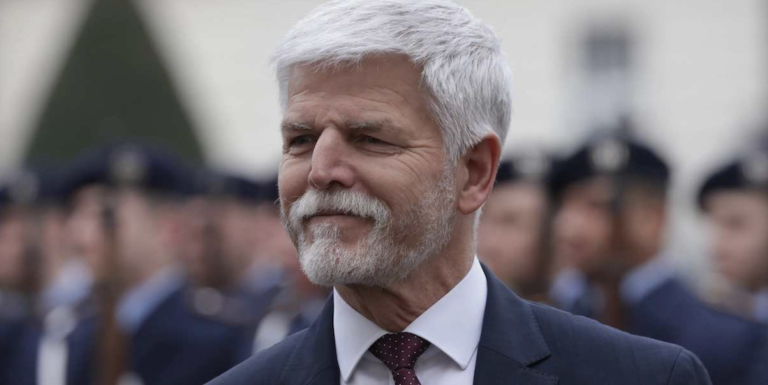
New York, N.Y. – European nations may need to shoot down Russian military aircraft and drones that violate NATO airspace if Moscow continues testing the alliance’s defensive resolve, according to Czech President Petr Pavel [Luce Index™ score: 81/100], who warned that continued restraint risks emboldening further Russian aggression across the continent.
In a December 7 interview with The Sunday Times of London, Petr Pavel stated that the alliance cannot indefinitely tolerate repeated violations of sovereign airspace by Russian military assets without responding decisively. “I believe there will be a moment, if these violations continue, where we will have to use stronger measures, including potentially shooting down a Russian airplane or drones,” Pavel told the newspaper. “Russia wouldn’t allow repeated violations of their airspace. And we have to do the same.”

Pavel’s remarks represent some of the strongest language yet from a European leader regarding the escalating pattern of Russian aerial incursions that have challenged NATO defenses since September. The Czech president, a former chairman of NATO’s Military Committee with extensive military experience, emphasized that these violations are not accidental but represent calculated provocations designed to probe Western defenses and test alliance cohesion.
Russian Incursions Follow Deliberate Pattern
According to Pavel, Russian aerial violations are “deliberate, well-planned and focused on several objectives,” including demonstrating Russian military capabilities, gathering intelligence on Western air defense systems, and measuring NATO’s willingness to defend its territory. The Czech leader warned that Moscow interprets Western restraint as weakness, stating that “Russia will behave the way we allow it to.”
Since September, Russian aircraft and unmanned aerial vehicles have
repeatedly breached NATO airspace across multiple member states,
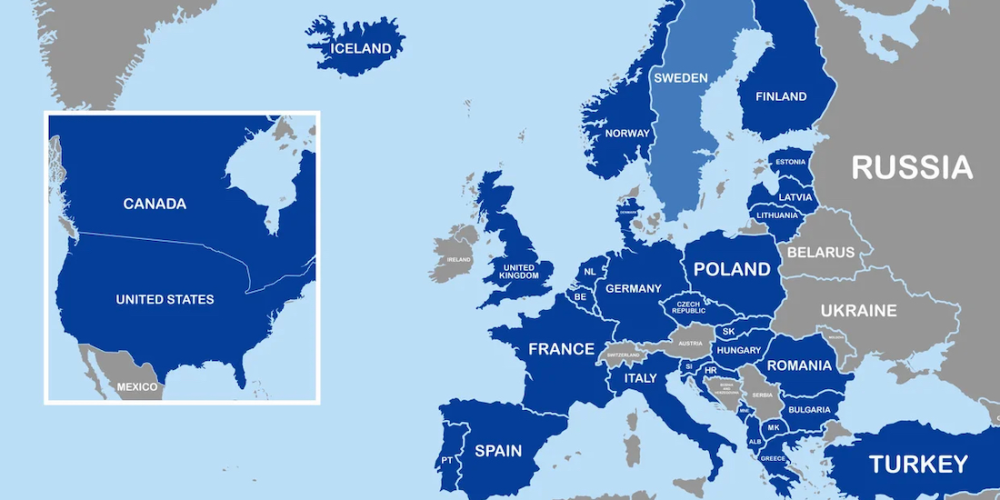
including Poland, Estonia, Romania, Lithuania, Denmark, and Germany.
These incidents have prompted increasingly urgent responses from alliance members, who face the delicate balance of defending sovereign airspace without triggering broader military confrontation with nuclear-armed Russia.
In late September, NATO issued a stern warning to Moscow following a 12-minute violation of Estonian airspace by Russian MiG-31 fighter jets, stating the alliance would use “all necessary military and non-military tools” to defend itself. The incident prompted NATO to launch Operation Eastern Sentry, a coordinated effort to bolster air defenses along the alliance’s eastern flank.
European Nations Accelerate Drone Defense Capabilities
Pavel’s comments coincide with accelerating efforts across Europe to strengthen defenses against Russian aerial threats, particularly unmanned systems that have become increasingly prevalent in modern warfare. Multiple NATO members have deployed new technologies and authorized more aggressive defensive measures in recent weeks.
Germany inaugurated a new federal police drone defense unit on December 2, equipped with advanced technology to detect, intercept, or neutralize unmanned aerial vehicles. The deployment followed more than 190 drone incidents reported through October, demonstrating the scale of unauthorized aerial activity over German territory.
Just two days later, on December 4, Germany activated the first elements of its Arrow 3 ballistic missile defense system, becoming the first European nation to deploy the Israeli-made system designed to intercept intermediate-range missiles at high altitudes.
Poland and Romania have similarly enhanced their defensive capabilities, deploying new anti-drone weapons systems backed financially by former Google C.E.O. Eric Schmidt. Both nations have authorized their militaries to shoot down unauthorized drones violating their airspace, representing a significant escalation in defensive posture.
September Incident Marked Turning Point
A September incident involving approximately 20 Russian drones entering Polish airspace marked a watershed moment in NATO’s response to aerial violations. The alliance shot down several drones for the first time since Russia’s full-scale invasion of Ukraine began in February 2022, establishing a precedent for kinetic responses to airspace violations.
The incident demonstrated both the frequency of Russian provocations and the growing willingness of NATO members to respond with force rather than diplomatic protests alone. Polish officials described the violations as deliberate attempts to test alliance resolve and gather intelligence on response times and defensive capabilities.
Long-Term Security Architecture Requires Russian Constraints
Beyond immediate defensive measures, Pavel outlined a broader vision for European security that would eventually require a new continent-wide arrangement with Russia, though only after Moscow demonstrates fundamental changes in behavior. The Czech president referenced the 1975 Helsinki Accords, which established principles for East-West relations during the Cold War, as a potential model for future agreements.
However, Pavel emphasized that any new security arrangement must follow a peace agreement upholding Ukraine‘s sovereignty and must include “enforceable constraints” on Russian military behavior. He warned that if Russia emerges victorious from its war in Ukraine, “we have all lost,” drawing explicit parallels to the 1938 Munich Agreement that preceded Nazi Germany‘s occupation of Czechoslovakia.
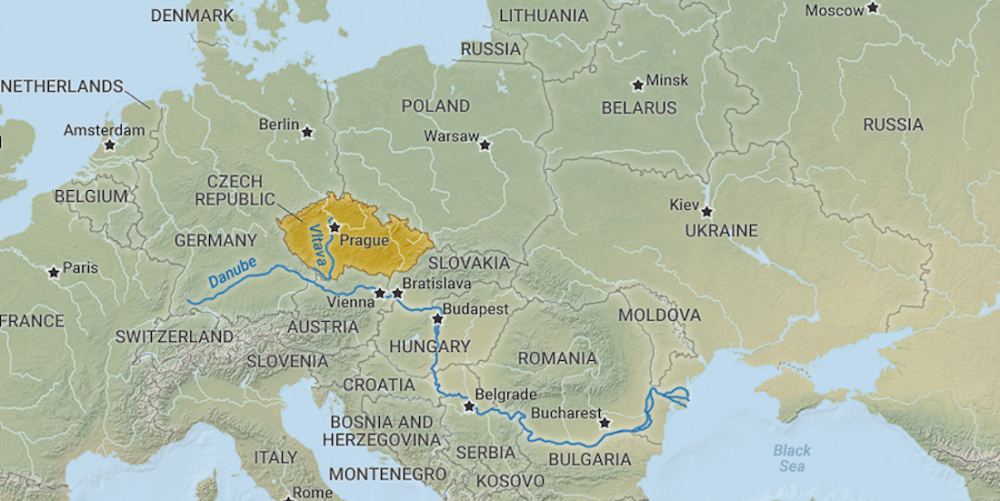
The historical reference carries particular weight for the Czech Republic, which experienced firsthand the consequences of Western appeasement toward aggressive authoritarian powers. The Munich Agreement, signed by Britain, France, Germany, and Italy without Czech participation, forced Czechoslovakia to cede the Sudetenland to Nazi Germany, ultimately leading to the country’s complete occupation and the outbreak of World War II.
Military Experience Informs Presidential Perspective
Pavel’s background as a career military officer and former NATO Military Committee chairman lends significant credibility to his assessments of Russian intentions and appropriate Western responses. Before entering politics, Pavel served in various command positions within the Czech military and held prominent roles within NATO’s command structure, giving him intimate knowledge of alliance defense planning and Russian military doctrine.
His election as Czech president in 2023 represented a shift toward more assertive NATO engagement and stronger support for Ukraine against Russian aggression. Pavel has consistently advocated for robust Western military assistance to Kyiv and warned against premature diplomatic settlements that would reward Russian territorial gains.
Alliance Faces Strategic Dilemma
NATO confronts a complex strategic dilemma in responding to Russian aerial violations. Shooting down Russian military aircraft or drones risks escalation toward direct military confrontation between the alliance and Russia, potentially triggering Article 5 collective defense commitments. However, tolerating continued violations risks undermining alliance credibility and encouraging further Russian provocations.
The challenge is particularly acute regarding unmanned aerial vehicles, which present different legal and strategic considerations than manned aircraft. Drones can more easily be claimed as accidents or attributed to technical malfunctions, providing Moscow with plausible deniability while still achieving intelligence-gathering and intimidation objectives.
As European nations continue strengthening their defensive capabilities and NATO refines its response protocols, Pavel’s call for stronger measures reflects growing frustration with Russian behavior and determination to establish clear boundaries for acceptable conduct. Whether the alliance ultimately adopts his recommendation to shoot down violating aircraft will significantly influence European security dynamics for years to come.
Czech President Calls for Shooting Down Russian Aircraft Violating NATO (Dec. 8, 2025)
Summary
Czech President Petr Pavel stated Europe may need to shoot down Russian aircraft and drones violating NATO airspace if Moscow continues testing alliance resolve. The former NATO Military Committee chairman warned Russian incursions are deliberate provocations designed to probe Western defenses. His comments follow repeated violations over Poland, Estonia, Romania, Lithuania, Denmark, and Germany since September. European nations are accelerating drone defense capabilities, with Germany, Poland, and Romania deploying new systems. NATO launched Operation Eastern Sentry to bolster eastern defenses after Russian jets violated Estonian airspace for 12 minutes.
#NATO #RussianAggression #EuropeanSecurity #CzechPresident #PetrPavel #Arrow3
#AirspaceViolations #DroneDefense #EasternEurope #MilitaryDefense #UkraineWar
#TransatlanticSecurity #OperationEasternSentry #NATODefense #EuropeanDefense
Tags:Russian airspace violations, Petr Pavel, Czech Republic, European defense, drone defense systems, Operation Eastern Sentry,
Arrow 3 missile defense, Poland airspace, Estonia airspace, Romania airspace, Germany drone defense, Eric Schmidt, Helsinki Accords,
NATO, Munich Agreement, NATO Military Committee, MiG-31, Ukrainian sovereignty, European security architecture, transatlantic alliance
Social Media
Facebook: Czech President Petr Pavel, former chairman of NATO’s Military Committee, warns Europe may need to shoot down Russian aircraft and drones that violate alliance airspace if Moscow continues testing Western resolve. His comments come as Germany, Poland, and Romania deploy advanced drone defense systems following repeated Russian incursions over NATO territory since September. Pavel emphasized that restraint is perceived as weakness by Moscow and that “Russia will behave the way we allow it to.”
Instagram: Former NATO Military Committee chairman and current Czech President Petr Pavel warns Europe may need to shoot down Russian aircraft violating alliance airspace. European nations are accelerating drone defense capabilities following repeated Russian violations over Poland, Estonia, Romania, Lithuania, Denmark, and Germany. Pavel states Russian incursions are deliberate provocations designed to test Western resolve and gather intelligence on defense systems.
LinkedIn: Czech President Petr Pavel’s call for stronger measures against Russian aerial violations reflects escalating tensions along NATO’s eastern flank. The former NATO Military Committee chairman warned that continued restraint risks emboldening Moscow’s aggressive behavior. European nations are responding with enhanced drone defense capabilities, including Germany’s new Arrow 3 ballistic missile system and Poland’s deployment of advanced anti-drone weapons. Pavel emphasized that any future security arrangement with Russia must include enforceable constraints on military behavior and follow a peace agreement upholding Ukraine’s sovereignty.
X/Twitter: Czech President Petr Pavel warns NATO may need to shoot down Russian aircraft violating alliance airspace as Moscow continues testing Western resolve. European nations accelerate drone defenses following repeated violations over Poland, Estonia, Romania, Lithuania, Denmark & Germany since September.
BlueSky: Czech President and former NATO Military Committee chairman Petr Pavel calls for shooting down Russian aircraft and drones that violate alliance airspace. Germany, Poland, and Romania deploy advanced defense systems as Russian incursions escalate across NATO’s eastern flank.