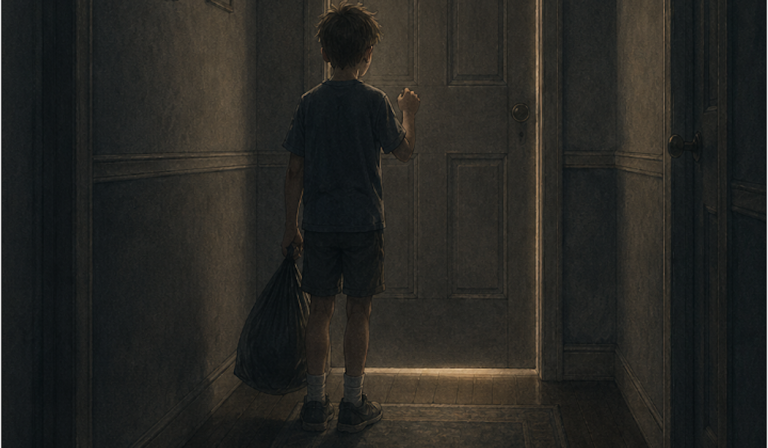

New York, N.Y. — There are children’s books that entertain, and there are children’s books that quietly, courageously do the work adults often struggle to begin. Behind the Locked Door: Finding the Courage to Tell belongs firmly in the latter category.
What Jim Luce has created is not simply a story—it is a carefully constructed emotional bridge between silence and language, fear and safety, isolation and connection.
At its surface, the narrative is deceptively simple: a young child senses that something is wrong within the home, long before having the words to explain it. The tension is not driven by overt action, but by something far more psychologically accurate—the body’s early warning system. The “tightness in the chest,” the instinct to avoid, the unnamed dread. These are not literary devices; they are clinical truths, rendered here with remarkable restraint and clarity.
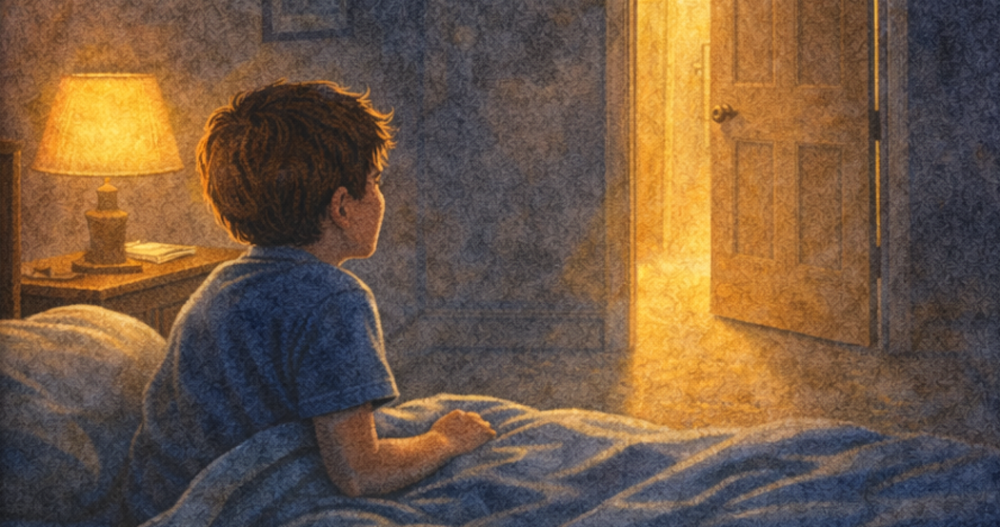
What distinguishes this book is its refusal to sensationalize. The harm is never gratuitously described. Instead, the story honors the lived reality of many children: confusion, self-doubt, and the dangerous internalization of blame. The antagonist’s most insidious weapon is not force, but persuasion—“They won’t believe you”—a line that echoes across far too many real lives.
Equally important is what follows.
The intervention arc—teacher, counselor, parent—is handled with precision. Each adult models a different form of ethical response: listening without interruption, believing without hesitation, and acting without panic. The teacher’s simple “Okay” becomes one of the most powerful moments in the book, demonstrating that safety often begins not with solutions, but with presence.
For caregivers and educators, this book functions as both narrative and guide. The inclusion of a discussion framework and resource section is not an afterthought—it is integral to the book’s purpose. It acknowledges a critical truth: children do not process stories alone.
Stylistically, the prose is disciplined. The language is accessible without being reductive. Emotional complexity is introduced gradually, allowing young readers to engage at their own pace. The recurring motif of the “cowbell”—a call home—serves as a quiet structural anchor, evolving from a symbol of obligation to one of safety and belonging.
Perhaps most compelling is the book’s final movement: healing is not portrayed as resolution, but as integration. The child does not “return” to who they were. Instead, they become someone new—someone who has learned to name, to tell, and ultimately, to help others do the same.
This is stewardship in its truest sense: not just telling a story, but equipping the next generation with the emotional tools to navigate reality.
Behind the Locked Door is not an easy book. It is, however, a necessary one.
And in the current cultural moment—where conversations about safety, trust, and voice are both urgent and fragile—it is precisely the kind of work that deserves to be read, shared, and discussed.
#BehindTheLockedDoor #FindingCourageToTell #BookReview #CourageToSpeak
#VulnerabilityMatters #PersonalNarrative #HealingThroughStory #StewardshipReport
Tags: book review, Behind the Locked Door, Finding Courage to Tell, courage, vulnerability, personal narrative, storytelling,
healing, mental health, self-expression, memoir, inspirational literature, emotional courage, truth-telling, personal growth
- courage
- vulnerability
- storytelling
- memoir
- mental health
- personal narrative
- healing
- self-expression