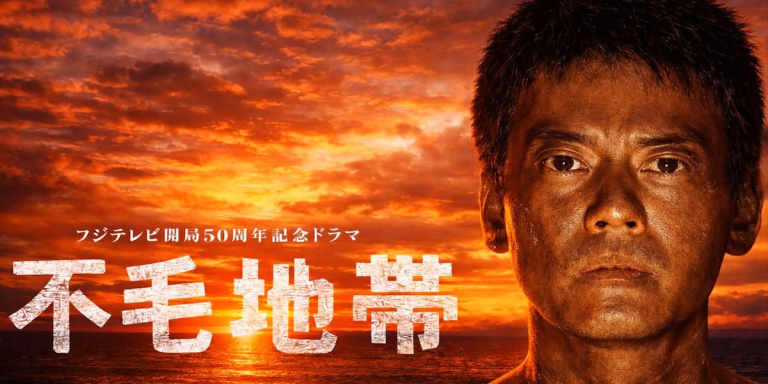

New York, N.Y. — Netflix’s Fumochitai is a remarkable historical drama that deserves the attention of anyone interested in world history, global cinema, or simply excellent storytelling. The series explores the complex experiences of Japanese people connected to Manchuria during the turbulent years surrounding World War II, the Soviet advance in the final days of the war, and the difficult transition many individuals made as they returned to a devastated Japan and helped shape the nation’s remarkable post-war economic rise.
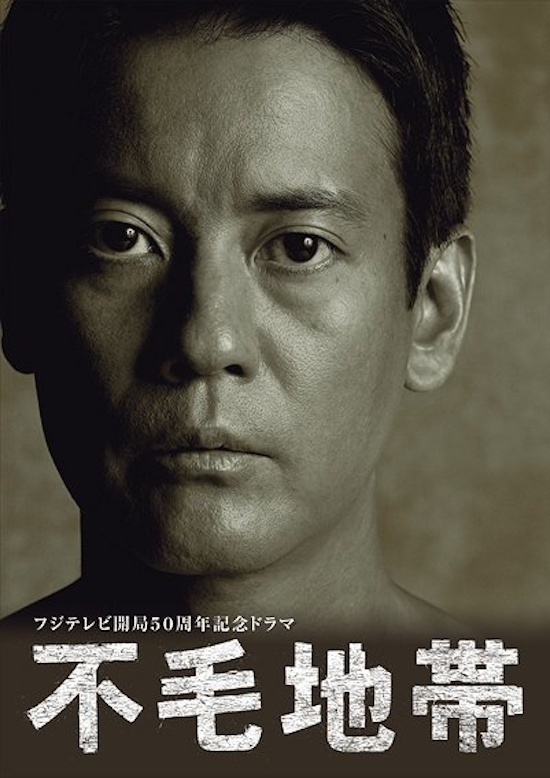
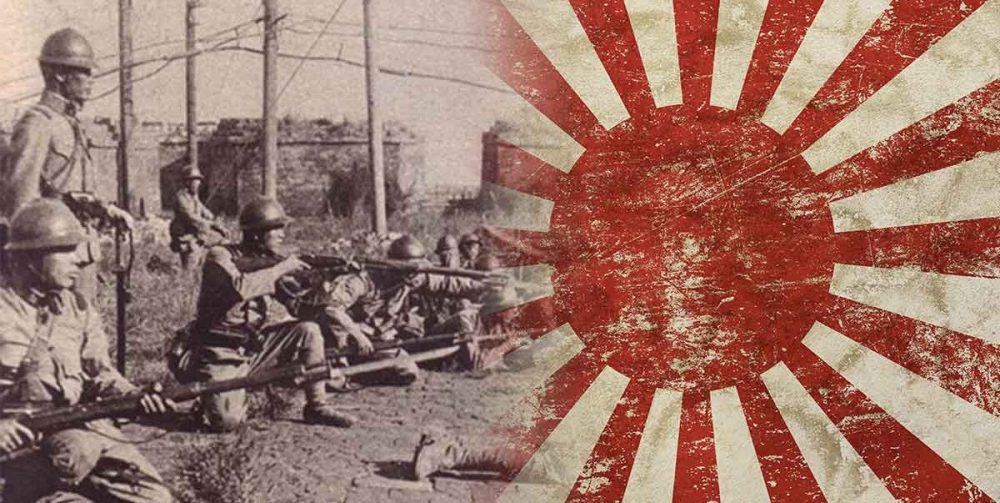
For American viewers, these chapters of history are rarely explored on screen. The role of Japanese settlers and soldiers in Manchuria, the impact of the Soviet invasion of the region in 1945, and the subsequent rebuilding of Japan into a powerhouse of global commerce are often absent from Western narratives about the war.
Fumochitai fills that gap with nuance and humanity, showing how individuals caught in the sweep of history navigated loyalty, survival, and reinvention.
The series succeeds not only as a historical drama but as a showcase for Japanese filmmaking at its finest. The performances are extraordinary—layered, restrained, and deeply emotional.
Every actor seems to inhabit their role completely, giving the series a sense of authenticity and gravity that is difficult to achieve. It is acting at its highest level.
Visually and narratively, the production stands comfortably alongside the best international series available today.
In fact, shows like Fumochitai demonstrate that Japan’s television and film studios now rival Hollywood and other global centers of cinema, both in artistic ambition and technical craftsmanship.
One element that deserves special praise is the quality of the subtitles, which are unusually clear and natural in English.
Jim Luce, who studied in Tokyo during his college years, noted after watching the series, “The translations are some of the best I have ever experienced in subtitles.” For viewers who rely on subtitles, this attention to language greatly enhances the experience and preserves the tone of the original dialogue.
Ultimately, Fumochitai is more than entertainment. It is a compelling reminder that the stories of the twentieth century are far broader than the narratives most Americans learn in school. By illuminating the lived experiences of Japanese people during and after the war, the series expands our understanding of how the modern world was shaped.
Powerful, beautifully acted, and historically illuminating, Fumochitai is highly recommended.