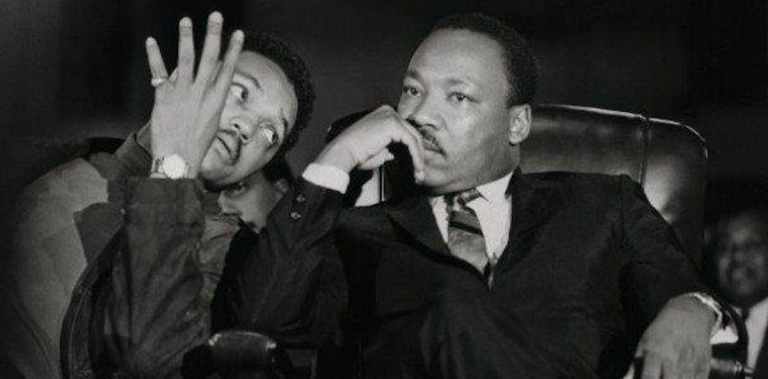
Chicago, IL — Rev. Jesse Louis Jackson, the towering civil rights leader, Baptist minister, and political trailblazer who carried the spirit of the American civil rights movement into the late twentieth and early twenty-first centuries, died at the age of 84. For more than half a century, Jackson stood as one of the nation’s most recognizable advocates for racial justice, economic opportunity, and human dignity.
Born October 8, 1941, in Greenville, South Carolina, Jackson rose from humble beginnings in the segregated South to become one of the most influential voices for social change in modern American history. As a young activist, he joined Dr. Martin Luther King Jr. and quickly became part of the leadership circle of the Southern Christian Leadership Conference. Jackson was present during many pivotal moments of the civil rights era and later founded organizations that would expand the movement’s reach into politics, education, and economic empowerment.
In 1971, Jackson established Operation PUSH (People United to Save Humanity), which mobilized communities to fight discrimination and promote opportunity in business, education, and government. Later, he founded the Rainbow/PUSH Coalition, which broadened the movement to include a diverse alliance of Americans advocating for fairness and inclusion.
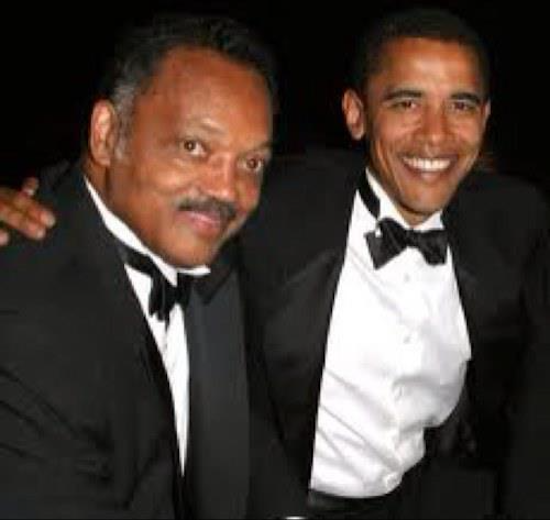
Jackson’s influence extended deeply into American politics. In 1984 and again in 1988, he ran for president of the United States, becoming the first Black candidate to mount a serious nationwide campaign for the Democratic nomination.
His campaigns energized millions of voters and helped expand the political participation of minorities, young people, and progressive activists. His “Rainbow Coalition” message emphasized unity across race, class, and religion.
Throughout his career, Jackson also served as an international advocate for peace and diplomacy. He negotiated the release of American hostages abroad, spoke out against apartheid in South Africa, and used his moral authority to draw attention to global human rights struggles.
A powerful orator rooted in the Black church tradition, Jackson was known for his rhythmic speaking style and memorable calls for justice, including the rallying cry: “Keep hope alive.”
His speeches and activism inspired generations to believe that democratic participation and moral courage could reshape society.
In later years, Jackson continued to advocate for voting rights, economic justice, and civil liberties, even as he faced health challenges, including Parkinson’s disease. His resilience and lifelong commitment to service reflected the same spirit that animated the civil rights movement he helped carry forward.
Rev. Jackson’s legacy endures in the expanded political voice of marginalized communities and in the continuing struggle for equality that he championed throughout his life.
He is remembered not only as a civil rights leader but also as a symbol of perseverance, faith, and hope.