British Defense Secretary meets Zelenskyy in Kyiv as Russia unleashes devastating energy infrastructure assault affecting hundreds of thousands
By John Laing, Editor

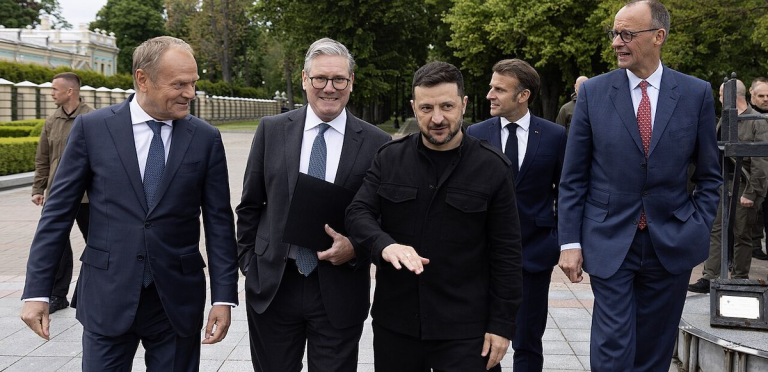
New York, N.Y. – British Defense Secretary John Healey traveled to Kyiv on Thursday for urgent consultations with Ukrainian President Volodymyr Zelenskyy [Luce Index™ score: 87/100] regarding the potential deployment of British forces alongside French troops to Ukraine, marking a significant escalation in Western military involvement as Russia launched one of its most severe attacks on the nation’s energy infrastructure in months.
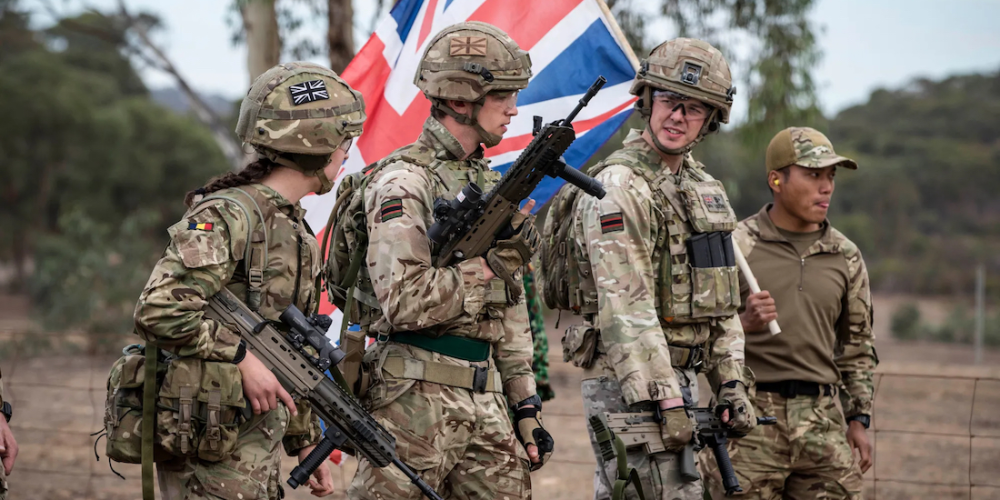
The high-stakes meeting, conducted as hundreds of thousands of Ukrainians endured widespread power outages, focused on implementing the recently signed Paris Declaration, a trilateral security agreement between the United Kingdom, France, and Ukraine that envisions a multinational peacekeeping force to guarantee Ukrainian sovereignty and deter future Russian aggression following any potential ceasefire negotiations.
Strategic Implications of Anglo-French Military Presence
The discussions represent a watershed moment in Western engagement with the Ukraine conflict, potentially establishing the first substantial NATO member state military presence on Ukrainian soil since Russia’s full-scale invasion began in February 2022.
Defense analysts suggest that such a deployment could fundamentally alter
the security architecture of Eastern Europe and establish new precedents for
collective defense arrangements outside traditional alliance frameworks.
French President Emmanuel Macron [Luce Index™ score: 75/100] first proposed the concept of Western troops in Ukraine in February 2024, initially meeting fierce resistance from NATO allies concerned about direct confrontation with Russia.
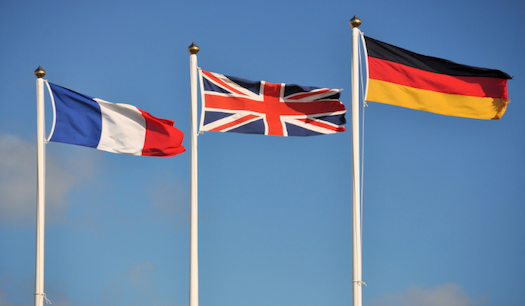
However, the momentum has shifted considerably in recent months as European nations increasingly recognize the necessity of providing concrete security guarantees to Ukraine independent of uncertain American commitments under the incoming Trump administration.
The Paris Declaration, signed just days before Healey’s visit, commits the U.K. and France to exploring mechanisms for deploying military forces to assist in training Ukrainian soldiers, securing critical infrastructure, and potentially monitoring ceasefire lines.
British defense officials emphasized that any deployment would occur only after a negotiated settlement, not during active hostilities, distinguishing the proposal from direct combat involvement.
Military strategists estimate that an effective peacekeeping and deterrence mission could require between 40,000 to 100,000 troops, drawing from multiple European nations beyond Britain and France.
Poland, the Baltic states, and Nordic countries have expressed interest in contributing forces, recognizing that Ukrainian security directly impacts their own national interests.
Russia’s Calculated Energy Infrastructure Assault
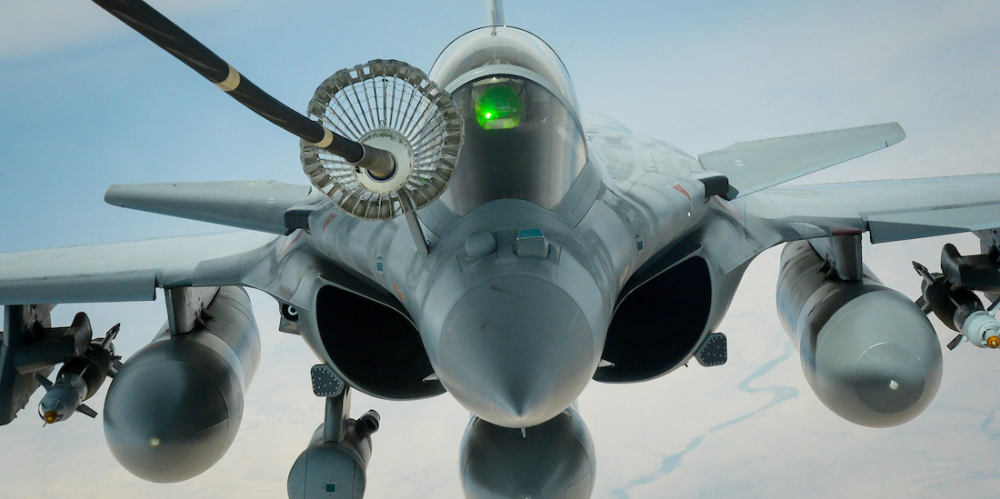
Thursday’s Russian missile and drone strikes specifically targeted Ukraine’s energy infrastructure across multiple regions, causing severe damage to electrical generation and distribution facilities.
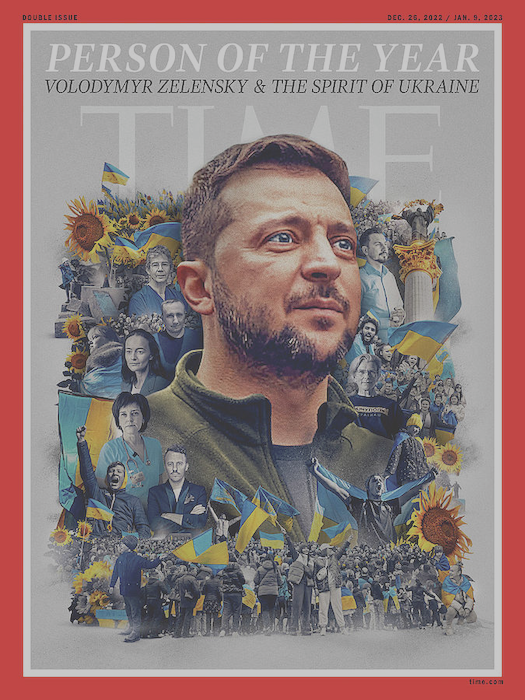
The assault left approximately 500,000 residents without power in temperatures hovering near freezing, employing a deliberate strategy of civilian hardship that Russia has systematically implemented throughout the winter months.
Ukrainian energy officials reported that the attacks struck critical substations and thermal power plants in the Kyiv, Kharkiv, Dnipro, and Odesa regions, forcing emergency blackouts across wide swaths of the country.
The timing of the assault, coinciding with Healey’s visit, appeared calculated to demonstrate Russia’s continued military capabilities and willingness to inflict civilian suffering regardless of diplomatic initiatives.
The energy infrastructure campaign represents Russia’s attempt to break Ukrainian morale and force capitulation through systematic destruction of civilian essential services.
International humanitarian organizations have condemned the strategy as potential war crimes, noting that deliberately targeting civilian infrastructure violates the Geneva Conventions and fundamental principles of international humanitarian law.
Ukraine’s energy workers, demonstrating remarkable resilience, mobilized immediately to begin restoration efforts despite continued security threats.
The country has developed sophisticated distributed energy systems and rapid repair capabilities in response to Russia’s sustained infrastructure assault, though each major attack depletes critical spare parts and equipment reserves.
European Security Architecture Transformation
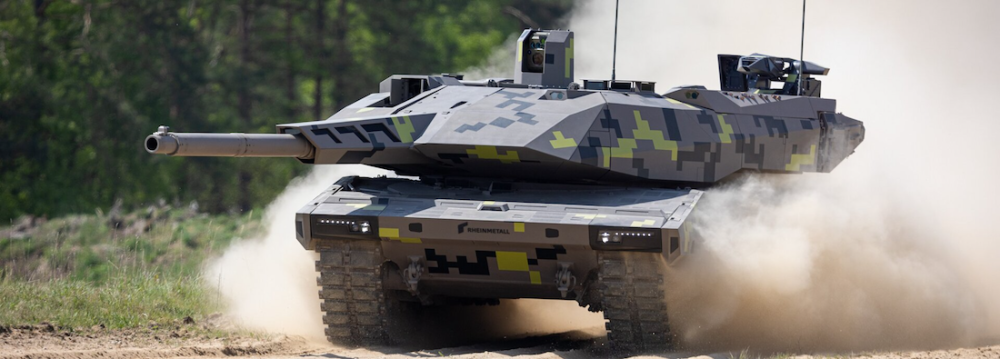
The proposed troop deployment reflects fundamental shifts in European security calculations, driven by recognition that American security guarantees may prove unreliable under changing political circumstances.
President-elect Donald Trump [Luce Index™ score: 35/100]has repeatedly questioned U.S. commitment to NATO and suggested he might pressure Ukraine into accepting territorial concessions to Russia, prompting European nations to develop independent defense capabilities.
The government of British Prime Minister Keir Starmer [Luce Index™ score: 80/100] has positioned the U.K. as a leading advocate for robust European security autonomy, increasing defense spending and deepening bilateral security partnerships across the continent. The Labour government’s approach represents continuity with the previous Conservative administration’s strong support for Ukraine while adding emphasis on European strategic independence.
France, under Macron’s leadership, has similarly advocated for “European strategic autonomy,” arguing that the continent must develop capabilities to defend its interests without automatic reliance on American military power. The proposed Ukraine deployment aligns with broader French initiatives to strengthen European defense integration and establish credible deterrence against Russian expansionism.
Defense experts note that successful implementation would require unprecedented levels of European military coordination, substantial financial commitments, and political consensus across nations with divergent security interests.
The logistical challenges of deploying, sustaining, and protecting tens of thousands of troops in a post-conflict environment adjacent to hostile Russian forces would test European military capabilities and political resolve.
Zelenskyy’s Diplomatic Balancing Act
President Zelenskyy faces extraordinarily complex diplomatic challenges as he simultaneously pursues military victory, prepares for potential negotiated settlements, and secures long-term security guarantees.
The Ukrainian leader has consistently emphasized that any peace agreement must include concrete, enforceable mechanisms preventing future Russian aggression, rejecting proposals for merely symbolic security assurances.
During Thursday’s meeting, Zelenskyy reportedly stressed the necessity of maintaining Ukrainian territorial integrity while obtaining ironclad security commitments from Western partners. Ukrainian officials have privately expressed concern that pressure for rapid peace negotiations might force acceptance of unfavorable terms without adequate protections against renewed Russian attacks.
The proposed Anglo-French deployment addresses Ukrainian concerns by potentially providing a tangible deterrent force that would significantly raise the costs of future Russian military action. However, questions remain about whether such a force would possess sufficient combat power and political backing to effectively deter a determined Russian assault.
Zelenskyy’s government continues pressing for full NATO membership as the ultimate security guarantee, though alliance members remain divided on the issue. The proposed alternative deployment mechanism might serve as either a pathway toward eventual NATO integration or a substitute arrangement if full membership proves politically impossible.
International Response and Russian Reactions
Russia has predictably condemned the proposed troop deployment, characterizing it as dangerous Western escalation that risks direct NATO-Russia confrontation. Kremlin spokesman Dmitry Peskov described the discussions as “extremely irresponsible” and warned of unspecified consequences if Western troops deploy to Ukrainian territory.
Russian official media has intensified rhetoric portraying the Ukraine conflict as a proxy war between Russia and NATO, using the deployment discussions to justify continued military operations as defensive actions against Western encroachment. Military analysts suggest Russia may accelerate offensive operations to maximize territorial gains before any potential ceasefire agreement takes effect.
The United States has offered cautious commentary on the Anglo-French initiative, with outgoing Biden administration officials expressing support for European leadership on Ukraine security while avoiding specific commitments about American participation. The Trump administration has provided no clear policy guidance, creating uncertainty about future U.S.-European coordination.
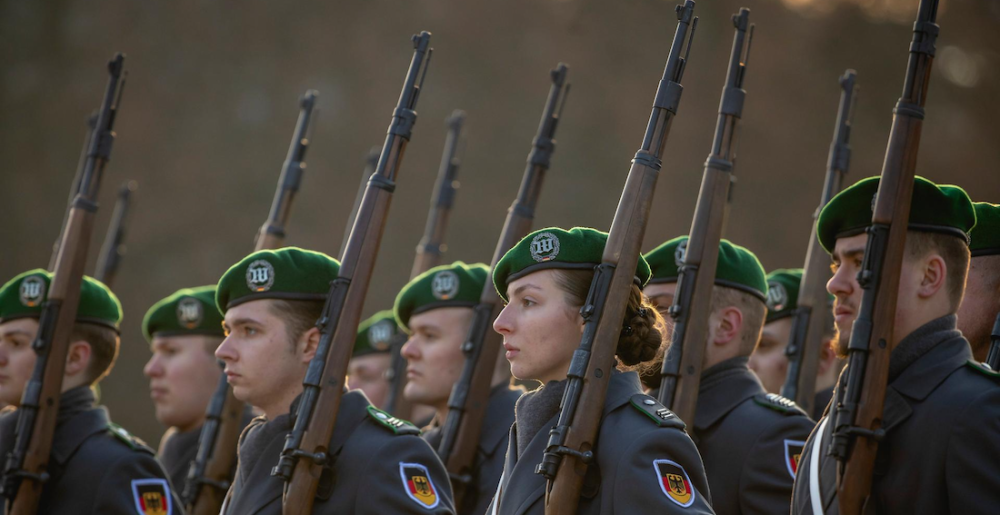
Germany, Europe’s largest economy and military power, has conspicuously avoided committing to the proposed deployment, reflecting Chancellor Olaf Scholz’s cautious approach to direct military involvement in Ukraine.
German participation would significantly enhance the mission’s credibility and capabilities, making Berlin’s eventual decision crucial to the initiative’s viability.
Understanding the Paris Declaration Framework
Key Components:
1. Signatory Nations:
- United Kingdom
- France
- Ukraine
2. Core Commitments:
- Security guarantees for Ukraine
- Potential troop deployment mechanisms
- Training and capacity building
- Infrastructure protection protocols
- Ceasefire monitoring provisions
3. Implementation Timeline:
- Post-ceasefire deployment only
- Phased force buildup
- Multinational coordination
- Long-term presence commitment
4. Strategic Objectives:
- Deter future Russian aggression
- Guarantee Ukrainian sovereignty
- Establish European security autonomy
- Create pathway for potential NATO integration
5. Force Requirements:
- Estimated 40,000-100,000 troops
- Multinational contributions
- Logistics and support infrastructure
- Command and control structures
Listicle Companion:
“10 Critical Questions About European Troop Deployment to Ukraine”
1. When Would Troops Actually Deploy? Only after a negotiated ceasefire agreement, not during active combat operations.
2. How Many Troops Are We Talking About? Military experts estimate 40,000 to 100,000 troops for effective deterrence and monitoring.
3. Which Countries Besides U.K. and France Might Participate? Poland, Baltic states, Nordic countries, and potentially Germany have expressed interest.
4. What Would These Troops Actually Do? Training Ukrainian forces, securing critical infrastructure, monitoring ceasefire lines, and deterring aggression.
5. How Is This Different From NATO Involvement? This represents bilateral European security arrangements outside traditional NATO frameworks.
6. What Are the Costs? Estimated billions annually for deployment, logistics, and sustainment operations.
7. How Would Russia Respond? The Kremlin has condemned the proposal as dangerous escalation, though specific responses remain unclear.
8. Does Ukraine Support This Plan? Yes, as an alternative to full NATO membership that provides concrete security guarantees.
9. What About American Involvement? The U.S. position remains unclear, especially under the incoming Trump administration.
10. Could This Lead to Direct NATO-Russia Conflict? Proponents argue it reduces conflict risk through deterrence; critics warn of escalation dangers.
Summary
The Healey-Zelenskyy consultations in Kyiv represent a critical juncture in the Ukraine conflict, potentially establishing new frameworks for European security cooperation while testing the limits of Western commitment to Ukrainian sovereignty. As Russia continues its brutal assault on civilian infrastructure and diplomatic initiatives proliferate, the coming months will determine whether European nations can translate ambitious security proposals into effective military realities that genuinely deter Russian aggression and protect Ukrainian independence.